

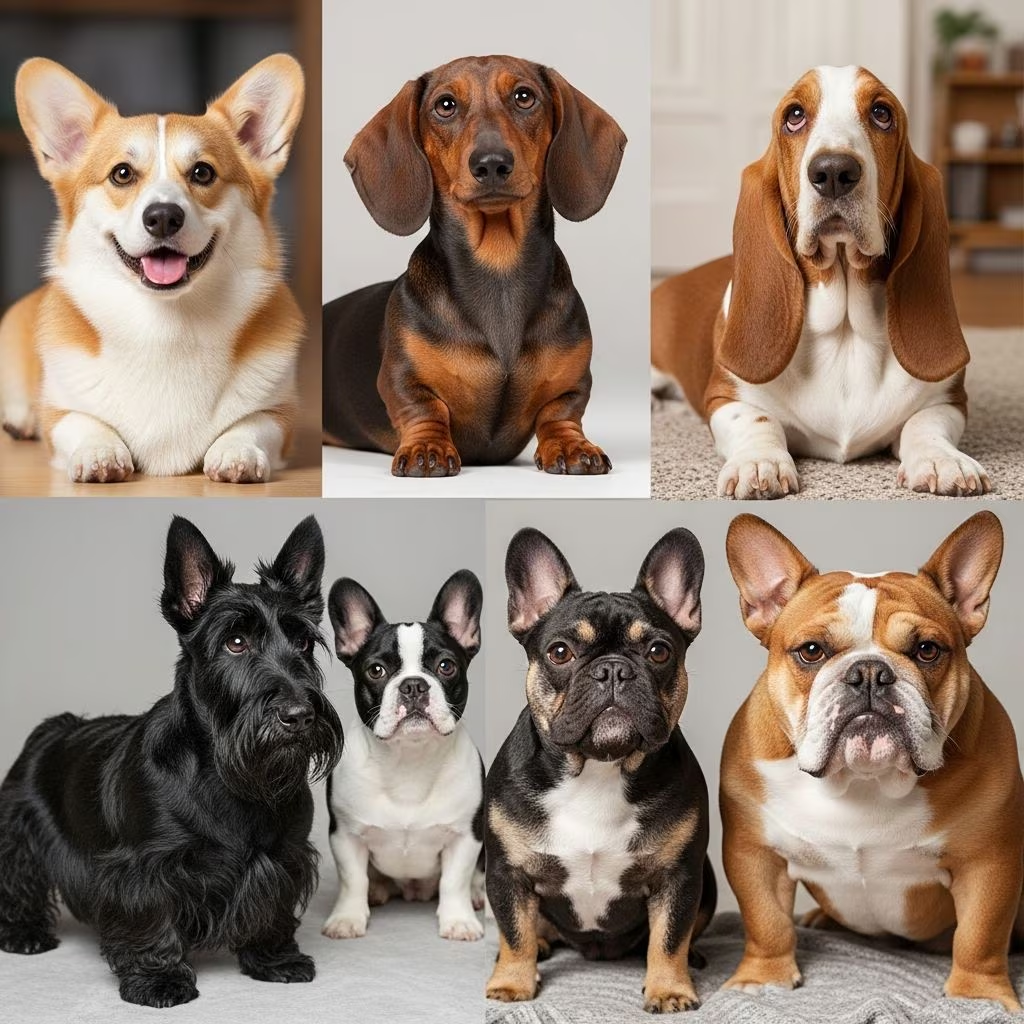
6 Short-Legged Dog Breeds: Adorable Companions for Every Home
Short-legged dog breeds have captured the hearts of dog lovers worldwide with their distinctive low-to-ground stature, charming personalities, and undeniable cuteness. These compact canines come in various sizes and temperaments, making them suitable for different lifestyles and living situations. Whether you’re looking for an energetic herding companion or a laid-back lapdog, there’s a short-legged breed that might be perfect for you. Understanding the characteristics, needs, and personality traits of these breeds can help you make an informed decision when choosing your next furry family member.
Short legs in dogs are typically caused by a genetic trait called chondrodysplasia, which affects bone growth and creates the distinctive proportions these breeds are known for. This genetic mutation, while giving these dogs their charming appearance, does come with specific care considerations that potential owners should understand. From exercise needs to spinal health, short-legged breeds require thoughtful management to ensure they live happy, healthy lives.
Understanding Short-Legged Dog Breeds
Short-legged dogs, often referred to as achondroplastic or chondrodysplastic breeds, possess a unique genetic trait that results in disproportionately short limbs relative to their body length. This characteristic isn’t just about appearance—it has historical roots in selective breeding for specific working purposes. Many of these breeds were originally developed to work close to the ground, whether for hunting, herding, or tracking.
The genetic basis for short legs involves a mutation that affects bone development, causing the long bones of the legs to grow at a different rate than other skeletal components. While this creates the adorable appearance dog lovers cherish, it does mean these breeds require specific considerations regarding exercise, joint health, and spinal support.
The Six Most Popular Short-Legged Dog Breeds
1. Pembroke Welsh Corgi
The Pembroke Welsh Corgi stands as one of the most recognizable short-legged dog breeds worldwide. Low-set, strong, and well-built, the Pembroke Corgi distinguishes itself from its cousin, the Cardigan Corgi, with a shorter body and tail and lighter-boned legs. This breed’s direct ancestors were brought into Europe as early as 1107, giving them a rich and storied history.
Temperament and Personality: Famous for their intelligence and herding instincts, Pembrokes are active dogs that genuinely love having a job to do. Their short legs, muscular thighs, and deep chest give them a strong and confident posture. With upright ears and an alert expression, they are always ready for fun, activity, or companionship.
Originally bred to herd cattle, guard land, and stay close to their people, Pembrokes are adaptable, happy, and eager to learn. An agreeable house pet, the Pembroke Corgi also excels in many dog sports including conformation, herding, and obedience. These dogs enjoy using their energy and intelligence each day, but because of their short legs, they benefit from ramps or steps at home to prevent strain.
Care Requirements: Pembrokes need regular exercise to maintain their physical fitness and mental stimulation to keep their keen minds engaged. Daily walks and playtime are essential. Due to their short stature, providing ramps or steps helps protect their backs and joints from unnecessary strain during daily activities.
2. Cardigan Welsh Corgi
The older of the two Corgi breeds, the Cardigan Welsh Corgi is most easily distinguished by its bushy, long tail. Slightly larger than their Pembroke cousins, Cardigans have a distinct look with rounded ears and outward-pointing front feet. Their physically strong features—including a broad chest, sturdy bones, and short legs—helped them thrive in demanding farm work.
Unique Characteristics: Cardigans come in a wide range of colors such as sable, red, brindle, black, and blue merle. Bred to herd cattle by nipping at their heels and used as drovers and farm dogs, the Cardigan Welsh Corgi’s short legs and deep chest make it powerful despite its modest size. Known for their friendly faces and energetic nature, Cardigans are skilled herders, protective farm dogs, and dependable barn guardians.
Family Compatibility: Despite their working roots, Cardigan Welsh Corgis are affectionate, loyal, and great with families. They are playful, vocal, and love being involved in daily activities. They are good with children and other pets, making them excellent family companions.
Special Considerations: Because of their long backs and short legs, Cardigans benefit from ramps or steps to prevent strain on their spines. With daily exercise—like walks or play in a fenced yard—they stay happy and healthy. Their approachable and loving personality makes them excellent companions at home.
3. Dachshund
The Dachshund represents one of the most iconic short-legged breeds, instantly recognizable by its elongated body and short, sturdy legs. These intelligent, independent dogs possess a distinctive long, low body profile that sits atop little legs, making them perfectly suited for their original purpose: hunting badgers and other burrowing animals.
Personality Traits: Dachshunds are calm and friendly, making them excellent companions, especially in homes with older adults. They are intelligent and independent, though sometimes a bit headstrong. They don’t shed excessively and do best with moderate daily exercise.
Training Needs: Due to their smart, self-sufficient, and strong-willed personality, training Dachshunds requires patience and consistency. However, their eagerness to please and food motivation can make training rewarding when done with positive reinforcement methods.
4. English Bulldog
Despite their tough expression, Bulldogs are known for being affectionate and easygoing. Their short legs, heavy build, and distinctive “sourmug” face give them a unique charm that many dog lovers adore. These dogs are often described as silly, loyal, and full of mischievous personality.
Temperament: Bulldogs love being close to their families and enjoy a quiet, relaxed lifestyle. They are not overly active dogs, preferring to spend time lounging with their loved ones. Their affectionate nature makes them excellent family pets for households looking for a low-energy companion.
Health Considerations: With their smooshed, brachycephalic faces, Bulldogs can be prone to breathing issues and should never be pushed to overexert. They struggle in hot weather and require climate-controlled environments. Regular veterinary check-ups are essential to monitor their respiratory health and address any potential issues early.
5. Basset Hound
With its floppy ears, droopy eyes, big body, and short legs, the Basset Hound was built to work close to the ground. Basset Hounds are known for their relaxed and calm nature, making them gentle family companions that bring joy and humor to any household.
Exceptional Sense of Smell: According to the American Kennel Club, Basset Hounds have an incredible sense of smell, second only to the Bloodhound. Their strong scenting instinct remains today, and they will happily follow a trail if given the chance. This trait makes them excellent tracking and hunting dogs.
Family Suitability: Though mellow and slow-moving, Basset Hounds still maintain their natural hunting drive. They are good with children and good with other pets, making them a favorite family dog. Their calm demeanor and gentle nature make them particularly suitable for families with young children.
Exercise and Care: Basset Hounds need regular, moderate exercise to maintain a healthy weight and prevent joint problems. Their long ears require regular cleaning to prevent infections, and their skin folds need attention to prevent moisture buildup and associated skin conditions.
6. Pekingese
Pekingese, often called Pekes, are known for their big personalities despite their small size. With a thick “lion’s mane” coat, expressive eyes, and a signature V-shaped facial wrinkle, these dogs command attention the moment they enter a room.
Historical Significance: Historically, some Pekes were so small they were carried in the sleeves of royal robes, earning them the nickname “sleeve dogs.” This royal heritage contributes to their confident and independent demeanor, even when living in modern homes.
Personality and Socialization: Pekingese are affectionate, social, and protective of their families. Despite their small size, they are confident and independent. Early socialization helps them get along well with other pets and prevents excessive territorial behaviors.
Care Requirements: Their thick coat requires regular brushing and professional grooming to maintain its appearance and prevent matting. They are prone to dental issues and eye problems due to their facial structure, requiring vigilant health monitoring.
Comparing Short-Legged Dog Breeds
| Breed | Height Range | Temperament | Exercise Needs | Grooming Requirements |
|---|---|---|---|---|
| Pembroke Corgi | 10-12 inches | Intelligent, active, eager | High | Moderate to High |
| Cardigan Corgi | 10-13 inches | Friendly, playful, vocal | High | Moderate to High |
| Dachshund | 8-9 inches | Independent, calm, friendly | Moderate | Low to Moderate |
| English Bulldog | 12-15 inches | Affectionate, easygoing, silly | Low | Low |
| Basset Hound | 13-15 inches | Calm, gentle, mellow | Moderate | Moderate |
| Pekingese | 6-9 inches | Affectionate, protective, confident | Low to Moderate | High |
Health Considerations for Short-Legged Breeds
Short-legged dogs require specific health management due to their unique skeletal structure. The genetic mutation responsible for their short legs can lead to angular limb deformities and increased risk of intervertebral disc disease (IVDD), which affects the spine. Owners of these breeds should be aware of the following health considerations:
Spinal Health: The long backs combined with short legs create stress on the spine, making these breeds susceptible to disc problems. Maintaining a healthy weight, providing ramps and steps, and avoiding excessive jumping help protect their backs.
Joint Stress: The disproportionate bone structure can lead to increased wear on joints, particularly in the hips, elbows, and knees. Regular, moderate exercise rather than high-impact activities is recommended.
Breathing Issues: Brachycephalic breeds like Bulldogs and Pekingese with shorter muzzles may experience breathing difficulties and require careful environmental management.
Choosing the Right Short-Legged Breed for Your Family
Selecting a short-legged dog breed depends on several factors including your living situation, activity level, and family composition. Consider whether you prefer an energetic companion like a Corgi that thrives on activity and mental stimulation, or a more laid-back friend like a Bulldog or Basset Hound that enjoys relaxation and quiet companionship.
Apartment dwellers might find Bulldogs or Dachshunds suitable, while families with yards and active lifestyles would benefit from Corgis. Those seeking a gentle, family-friendly dog should consider Basset Hounds, while independent-minded individuals might appreciate a Pekingese’s confident personality.
Frequently Asked Questions
Q: Why do short-legged dogs have such short legs?
A: Short legs in dogs result from a genetic trait called chondrodysplasia, a mutation affecting bone growth. This trait was selectively bred into many breeds for specific working purposes, such as hunting animals in burrows or herding close to the ground.
Q: Are short-legged dogs prone to back problems?
A: Yes, their long backs and short legs can create spinal stress. Providing ramps, maintaining healthy weight, avoiding excessive jumping, and regular moderate exercise help prevent or minimize back issues.
Q: Which short-legged breed is best for apartment living?
A: English Bulldogs and Dachshunds adapt well to apartment living due to their lower exercise requirements. However, Corgis can also thrive in apartments if given adequate daily exercise and mental stimulation.
Q: How much exercise do short-legged dogs need?
A: Exercise needs vary by breed. Corgis need high daily activity, Dachshunds and Basset Hounds need moderate exercise, while Bulldogs need only low to moderate activity. Always tailor exercise to individual dogs and their health status.
Q: Are short-legged breeds good with children?
A: Most short-legged breeds are good with children, though supervision is recommended. Basset Hounds and Corgis are particularly family-friendly, while all breeds benefit from early socialization.
Q: What special care do short-legged breeds need?
A: Provide ramps or steps to prevent spinal strain, maintain healthy weight, offer regular but appropriate exercise, and schedule routine veterinary check-ups. Grooming needs vary by breed and coat type.
References
- 7 Dog Breeds With Distinctive Short Bodies — World Animal Foundation. 2025. https://worldanimalfoundation.org/dogs/dog-breeds-with-distinctive-short-bodies/
- 6 Short-Legged Dog Breeds — Chewy. 2025. https://www.chewy.com/education/dog/general/behavior-breeds-6-short-legged-dog-breeds
- 20 Dog Breeds With Short Legs You’ll Want to Cuddle All Day — Country Living. 2025. https://www.countryliving.com/life/kids-pets/g62261381/dogs-puppies-short-legs/
- Long Backed Dogs — Sit Stay Squat. 2025. https://www.sitstaysquat.ca/blog/little-leg-dogs/
- Short-legged dogs: why they exist and how short legs (might) affect — Wisdom Panel. 2025. https://www.wisdompanel.com/en-us/blog/short-legged-dogs
- All About Chondrodystrophic (Short Legged) Dog Breeds — Hill’s Pet. 2025. https://www.hillspet.co.id/dog-care/healthcare/chondrodystrophic-short-legged-dog-breeds
- The Genetics of Short Legs in Dogs — Embark Vet. 2025. https://embarkvet.com/resources/genetics-learning-at-home/genetic-breed-surprises/short-legs/



