

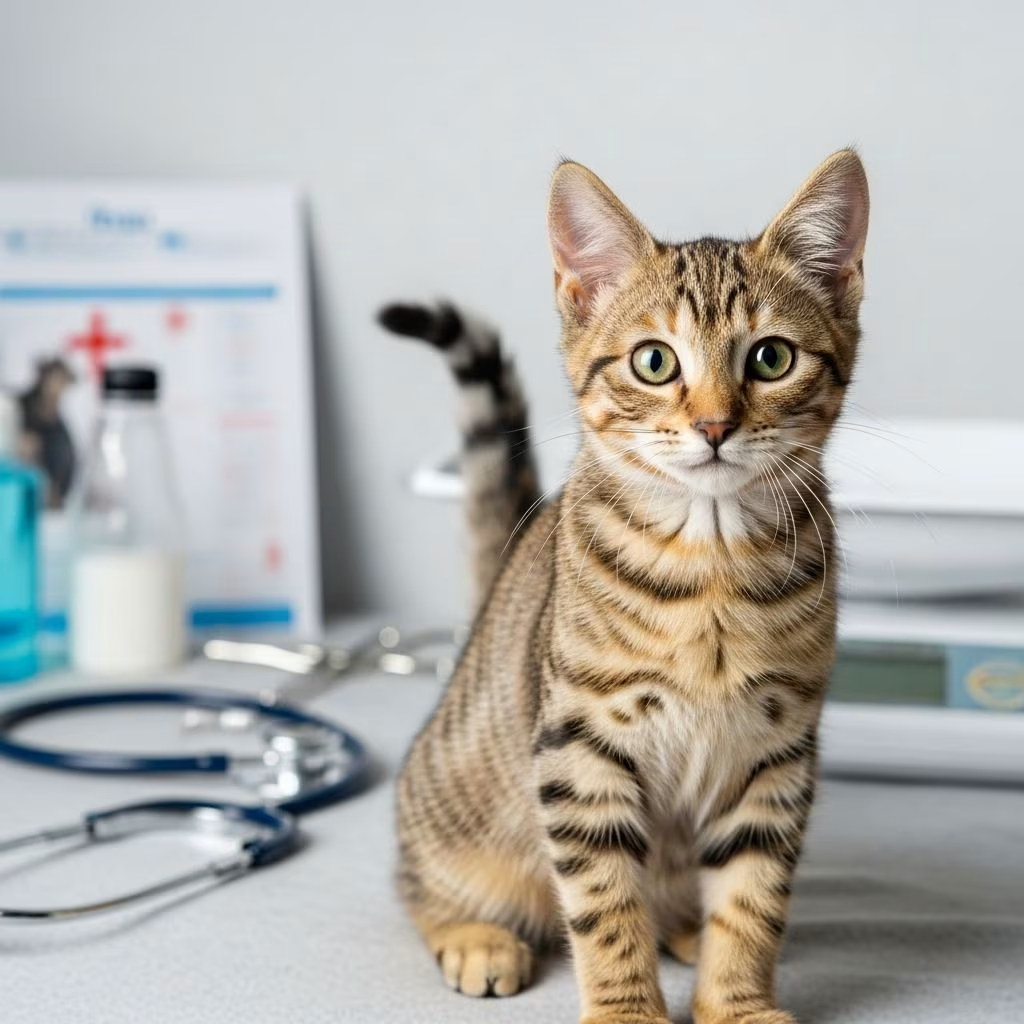
Your kitten reaching six months marks a pivotal growth phase, transitioning from playful infancy to more mature behaviors. This period demands a thorough veterinary evaluation to ensure proper development, immunity, and parasite protection. A dedicated check-up at this stage helps detect issues early, sets the foundation for lifelong health, and addresses key milestones like sterilization.
Why the 6-Month Milestone Matters
At six months, kittens typically weigh between 4-6 pounds, exhibit increased energy, and begin exploring their environment more boldly. Their immune systems are maturing, but vulnerabilities persist against common feline threats. Veterinary guidelines emphasize this visit for finalizing core vaccinations, assessing physical growth, and initiating adult preventive care protocols. Missing it could leave gaps in protection against diseases like feline leukemia or panleukopenia.
During rapid growth, nutritional needs peak, dental health emerges as a concern, and social behaviors solidify. Owners should observe for signs of healthy progress: shiny coat, bright eyes, steady weight gain of 7-14 grams daily in early months stabilizing now, and normal respiration of 24-42 breaths per minute. Any deviations warrant immediate attention.
Preparing for the Veterinary Appointment
Schedule the visit proactively, ideally aligning with your kitten’s vaccination timeline. Bring records of prior exams, vaccination history, diet details, and any behavioral notes. Fast your kitten if instructed for potential bloodwork, but ensure hydration.
- Gather supplies: Carrier with familiar bedding, waste-free litter sample if requested, and a list of questions on flea prevention or diet transitions.
- Observe at home: Note appetite, litter habits, playfulness, and grooming frequency in the week prior.
- Travel tips: Cover the carrier to reduce stress; offer treats post-visit.
This preparation enables a productive exam, maximizing the vet’s ability to tailor advice.
Core Elements of the 6-Month Exam
The check-up is comprehensive, covering head-to-tail assessment. Vets palpate for abnormalities, auscultate heart and lungs, and evaluate overall condition including coat quality, muscle tone, and body fat.
| Exam Area | What’s Checked | Normal Findings |
|---|---|---|
| Eyes & Ears | Clarity, discharge, wax buildup | Clear, no redness or odor |
| Mouth & Teeth | Gums (pink), teeth alignment, breath | Pink gums, clean teeth, no tartar |
| Heart & Lungs | Sounds, rate; respiration | Regular rhythm, clear lungs, 24-42 bpm |
| Abdomen | Softness, organ size, parasites | Squishy, no bloating or masses |
| Limbs & Joints | Mobility, limping, deformities | Smooth gait, no swelling |
| Temperature | Rectal temp | 100.5-102.5°F |
Bloodwork may screen for organ function, anemia, or infections like FeLV/FIV. Fecal analysis detects intestinal parasites, crucial as worms impact growth.
Vaccination Updates and Boosters
By six months, core vaccines conclude. The FVRCP series (feline viral rhinotracheitis, calicivirus, panleukopenia) receives its final booster, providing lifelong baseline immunity against upper respiratory and deadly gut viruses.
- Rabies: First dose mandatory in many areas, repeated yearly or every three years.
- Leukemia (FeLV): Second booster; critical for outdoor or multi-cat homes.
- Non-core options: Discuss leptospirosis or Bordetella based on lifestyle.
Vets confirm titers if needed, ensuring no over-vaccination.
Parasite Prevention and Screening
Parasites pose severe risks; fleas cause anemia, worms stunt growth, heartworm threatens organs. Expect fecal screening and heartworm tests.
Monthly preventives start early: heartworm meds double as dewormers, flea topicals from 8 weeks. At-home checks include combing fur for flea dirt (dark specks) or eggs (white grains), inspecting skin for redness or crusts indicating ringworm. Umbilical area in younger kittens must stay clean to prevent sepsis.
Spay or Neuter: Timing and Benefits
Six months is ideal for sterilization, preventing litters, reducing cancers (mammary in females, testicular in males), and curbing roaming/marking. Females benefit before first heat; males avoid aggression.
- Procedure: Outpatient surgery under anesthesia; recovery in 7-10 days.
- Post-op care: E-collar, quiet space, monitor incision.
- Alternatives: Microchip during surgery for ID.
Discuss with your vet; some delay for larger breeds.
Nutrition and Weight Monitoring
Kittens need high-protein, calorie-dense food for growth. At six months, transition planning to adult formulas begins around 12 months.
Daily weighing tracks progress; plateaus signal issues like parasites or poor diet. Ideal body condition: visible waist, palpable ribs without prominence.
| Age | Daily Calories (approx.) | Feedings |
|---|---|---|
| 3-6 Months | 200-250 kcal | 3-4 meals |
| 6-12 Months | 250-300 kcal | 2-3 meals |
Consult for breed-specific needs; wet food aids hydration.
Home Health Monitoring Techniques
Daily checks complement vet visits. Feel gums (pink=healthy; white=anemia/hypothermia), monitor breathing, palpate belly (soft, not hard or empty), and ensure temp 97-102.5°F with heat sources for young ones.
- Skin/Coat: Comb daily; isolate if patchy.
- Weight: Upward trend essential.
- Behavior: Alert, social; lethargy flags trouble.
For limping, check for calicivirus or injury; twisted limbs may indicate swimmer syndrome.
Dental and Long-Term Wellness Planning
Early dental exams spot issues; brushing with enzymatic paste prevents tartar. Yearly bloodwork, fecal, and heartworm tests follow.
Transition to annual visits post-year one, with seniors needing more.
Frequently Asked Questions
What if my kitten misses the 6-month vaccine?
Contact your vet promptly for catch-up; immunity gaps risk disease.
Is microchipping necessary at 6 months?
Recommended during spay/neuter; scans ensure return if lost.
How do I know if my kitten has parasites?
Look for fleas, weight loss, potbelly; fecal tests confirm.
When to worry about breathing or temp?
Rattly chest or outside 97-102.5°F needs vet within 24 hours.
Best food for 6-month growth?
AAFCO-approved kitten formulas; vet nutrition consult ideal.
References
- GUIDELINES FOR YOUR KITTEN’S FIRST YEAR — Northgate Animal Hospital. 2017-04. https://northgateanimalhospital.net/wp-content/uploads/2017/04/Healthy_Kitten.pdf
- Assessing Kitten Health — Kitten Lady. N/A. http://www.kittenlady.org/assessment
- New Kitten Checklist & Veterinary Care — Family Pet Veterinary Clinic. N/A. https://www.familypetveterinaryclinic.com/blog/1094931-new-kitten-checklist-amp-veterinary-care
- New Kitten Checklist — AAHA. N/A. https://www.aaha.org/resources/new-kitten-checklist/
- Kitten Wellness Schedule for the First Year — Timberview Vet. N/A. https://www.timberviewvet.com/kitten-wellness-schedule-for-the-first-year/



