

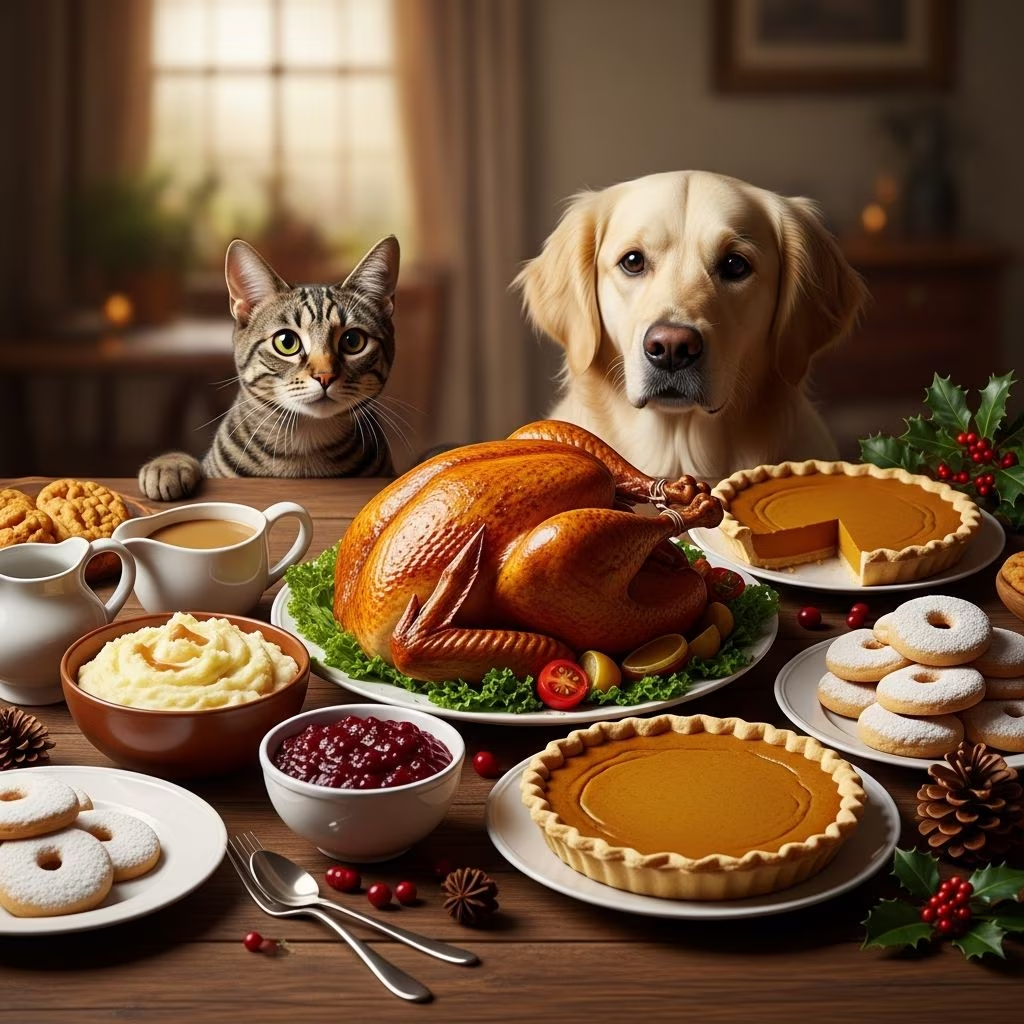
6 Holiday Foods to Keep Away From Your Pet
The holiday season brings festive gatherings, delicious meals, and quality time with loved ones—including our four-legged family members. However, what seems like a harmless treat or a special meal can quickly become a serious health hazard for your dog. Many common holiday foods contain ingredients that are toxic to canines and can cause anything from mild gastrointestinal upset to life-threatening emergencies requiring immediate veterinary intervention.
As a responsible pet parent, understanding which holiday foods pose risks to your dog is essential for keeping them safe and healthy throughout the festive season. This comprehensive guide explores six dangerous holiday foods you should keep away from your pet, along with detailed information about why these foods are harmful and what symptoms to watch for if your dog accidentally consumes them.
Understanding Holiday Food Toxicity in Dogs
Dogs have different digestive systems than humans, and their bodies process certain foods and compounds very differently than ours do. What may be perfectly safe or even healthy for us can trigger serious adverse reactions in our canine companions. The severity of these reactions depends on several factors, including the dog’s size, age, overall health status, and the amount of toxic food consumed.
During the holidays, dogs are exposed to more temptations than usual. With food preparation happening constantly and guests offering well-intentioned treats, it’s easier than ever for a dog to sneak something dangerous. Understanding the specific hazards allows you to take preventive measures and monitor your pet closely during celebrations.
Holiday Food #1: Chocolate
Chocolate is one of the most well-known toxic foods for dogs, yet it remains a common culprit in holiday poisoning cases. Chocolate contains compounds called theobromine and caffeine, which dogs cannot metabolize efficiently. These stimulants accumulate in your dog’s system and can cause serious health problems.
Effects of Chocolate Toxicity:
– Gastrointestinal upset including vomiting and diarrhea- Agitation and hyperactivity- Tremors and muscle twitching- Seizures at high doses- Irregular heartbeat- Hyperthermia (elevated body temperature)
Dark chocolate is particularly dangerous because it contains higher concentrations of theobromine than milk chocolate or white chocolate. Baking chocolate is also exceptionally toxic. Even small amounts of dark chocolate can cause problems in small dogs, while larger dogs may need to consume more to show symptoms.
The severity of symptoms depends on how much chocolate your dog consumes relative to their body weight. If you suspect your dog has eaten chocolate, contact your veterinarian immediately with information about the type of chocolate, the amount consumed, and your dog’s weight.
Holiday Food #2: Macadamia Nuts
Macadamia nuts are popular ingredients in many holiday desserts and snacks, making them a significant risk during festive celebrations. While the exact toxic mechanism isn’t fully understood, these nuts have a clear negative effect on canine health.
Symptoms of Macadamia Nut Toxicity:
– Lethargy and weakness- Vomiting- Inability to walk properly- Hind end weakness and loss of coordination- Tremors- Hyperthermia
Signs typically appear within 12 hours of ingestion and can last 12 to 48 hours. The toxic dose for macadamia nuts isn’t precisely known, which means even small amounts should be considered dangerous. Pet parents should be especially vigilant about keeping holiday baked goods, particularly cookies and brownies containing macadamia nuts, far away from curious dogs.
Holiday Food #3: Fatty Foods and Meats
Holiday meals typically feature rich, fatty foods—turkey skin, bacon, ham, prime rib, and other fatty cuts of meat. While your dog may find these incredibly appealing, fatty foods are among the most dangerous holiday offerings.
How Fatty Foods Harm Dogs:
Consuming large amounts of fatty foods can trigger acute pancreatitis, a serious inflammatory condition of the pancreas. This condition is particularly dangerous because it can be life-threatening and may require emergency hospitalization. Even if pancreatitis doesn’t develop, fatty foods commonly cause immediate gastrointestinal distress.
Symptoms of Pancreatitis and Fatty Food Ingestion:
– Severe vomiting- Diarrhea- Abdominal pain- Lethargy- Loss of appetite- Dehydration
Dogs with a history of pancreatitis or those prone to digestive issues are at particularly high risk. Even small pieces of fatty meat or skin can cause problems in sensitive dogs. During holiday meals, keep turkey skin and fatty meat scraps in a secure trash can where your dog cannot access them, and ask guests not to feed table scraps to your pet.
Holiday Food #4: Grapes and Raisins
Grapes and raisins are highly toxic to dogs, and unfortunately, they’re common ingredients in many holiday dishes, desserts, and snacks. The exact compound responsible for the toxicity is believed to be tartaric acid, though the mechanism isn’t completely understood. What researchers do know is that even small amounts can cause serious kidney damage.
Symptoms of Grape and Raisin Toxicity:
– Vomiting or diarrhea appearing 6 to 12 hours after consumption- Lethargy or weakness- Increased drinking and urination, or absence of urination- Abdominal pain- Dehydration- Bad-smelling breath- Neurological signs such as head tilts, dizziness, or seizures
The critical thing to know about grape and raisin poisoning is that early treatment is most effective. If you witness your dog consuming grapes or raisins, contact your veterinarian immediately—don’t wait to see if symptoms develop. Kidney damage can be severe and potentially irreversible if treatment is delayed.
Holiday Food #5: Onions, Garlic, and Related Alliums
Many holiday dishes contain onions and garlic as flavoring ingredients—stuffing, gravy, casseroles, and soups frequently include these aromatics. These foods belong to the allium family and contain compounds that are toxic to dogs, causing a condition called hemolytic anemia.
How Onions and Garlic Damage Dogs:
These vegetables contain thiosulfates that damage red blood cells, causing them to rupture and die. This results in hemolytic anemia, where the body doesn’t have enough healthy red blood cells to carry oxygen effectively. The condition can range from mild to severe depending on the amount consumed.
Symptoms of Hemolytic Anemia:
– Gastrointestinal irritation including vomiting and diarrhea- Weakness and lethargy- Pale gums- Difficulty breathing- Jaundice (yellowing of skin and eyes)- Discolored urine
Toxicity is usually diagnosed through the dog’s medical history, clinical signs, and bloodwork. While cats are generally more susceptible to the toxic effects of onions and garlic, dogs remain at risk, particularly with concentrated forms like garlic powder or raw garlic cloves.
Holiday Food #6: Xylitol and Sugar-Free Products
As people become more health-conscious, many holiday treats now include sugar substitutes like xylitol instead of regular sugar. This artificial sweetener, while safe for humans, is extremely toxic to dogs and can cause severe, potentially fatal complications.
Why Xylitol is Dangerous:
When dogs consume xylitol, it rapidly stimulates the release of insulin from the pancreas, causing a dramatic drop in blood sugar levels (hypoglycemia). This can occur within 10 to 30 minutes of consumption. Additionally, xylitol causes acute liver toxicity and hepatic failure in dogs.
Symptoms of Xylitol Poisoning:
– Vomiting- Lethargy and weakness- Tremors and seizures- Loss of coordination- Coma- Liver failure in severe cases
Xylitol is found in many products beyond candy, including sugar-free baked goods, peanut butter, gum, and some holiday desserts. Always check ingredient lists on holiday treats before offering them to your dog or allowing them access to packages containing sugar-free products.
Additional Holiday Hazards to Avoid
Beyond the six primary dangerous foods, several other holiday items deserve attention:
Fatty Dairy Products: Eggnog and other rich dairy products can cause gastrointestinal upset and may trigger food allergies in sensitive dogs. The raw eggs in traditional eggnog also pose salmonella risks.
Alcohol: Alcoholic beverages, including holiday cocktails and foods prepared with alcohol, can cause intoxication, hypoglycemia, seizures, and respiratory problems in dogs.
Bones: Cooked turkey bones and other soft bones can splinter when chewed, causing serious injuries to the esophagus, stomach, and intestines. Raw bones and undercooked meat also pose salmonella and E. coli risks.
Yeast Dough: Raw bread dough rises in the stomach and can cause dangerous bloating. The fermentation process also produces ethanol, which can intoxicate your dog.
Salt and Salty Snacks: Excessive salt consumption can cause dehydration, vomiting, diarrhea, tremors, and in extreme cases, sodium-ion poisoning.
Safe Holiday Treat Alternatives
Keeping your dog safe doesn’t mean they can’t enjoy treats during the holidays. Consider these safer alternatives:
– Plain, cooked turkey without skin or seasoning- Sweet potato (cooked, unseasoned)- Carrots and green beans (raw or cooked)- Plain pumpkin puree- Dog-specific holiday treats from reputable manufacturers- Frozen treats made with dog-safe ingredients
Prevention and Pet Safety Tips
Secure Your Space: Keep holiday foods in secure containers or behind closed doors. Use baby gates to prevent access to dining areas during meal preparation and consumption.
Educate Your Guests: Inform family members and friends not to feed table scraps to your dog, no matter how appealing their puppy-dog eyes may be.
Monitor Closely: During holidays when trash is overflowing and food is abundant, keep a close eye on your dog. Supervise outdoor time and ensure garbage cans are secure.
Consult Your Veterinarian: If you’re unsure about specific foods, call your vet before offering anything to your dog.
Frequently Asked Questions
Q: What should I do if my dog eats a toxic holiday food?
A: Contact your veterinarian immediately. Provide information about what was eaten, when it was consumed, and how much. With many toxins, early treatment before symptoms appear is most effective. Never wait to see if symptoms develop—call immediately, especially for grapes, raisins, xylitol, and chocolate.
Q: Are there any holiday foods that are completely safe for dogs?
A: Yes. Plain, cooked turkey without skin or seasoning, plain cooked sweet potatoes, carrots, green beans, and plain pumpkin puree are generally safe. However, always introduce new foods in small amounts and consult your vet, especially if your dog has pre-existing health conditions.
Q: How much chocolate is dangerous for a dog?
A: The toxic dose depends on the type of chocolate and your dog’s weight. Dark chocolate and baking chocolate are far more dangerous than milk chocolate. For example, a small dog eating even a small piece of dark chocolate could become ill, while a large dog might tolerate small amounts. When in doubt, contact your vet or an animal poison control center.
Q: Can I give my dog turkey bones after the holiday meal?
A: No, cooked turkey bones and other soft bones splinter easily and can cause serious injuries. Stick to large, hard raw beef bones if you want to give your dog a bone, and ensure it’s fresh. Even then, supervise chewing closely.
Q: What are the signs of pancreatitis in dogs?
A: The main symptoms include severe vomiting, abdominal pain, diarrhea, lethargy, and loss of appetite. If your dog shows these signs after consuming fatty foods, seek immediate veterinary care, as pancreatitis can be life-threatening.
Q: Is it safe to give my dog leftovers if I remove the problematic ingredients?
A: While removing obvious harmful ingredients helps, many dishes still contain hidden dangers like seasonings, oils, and additives that can upset your dog’s stomach or cause more serious problems. It’s safest to stick to plain, single-ingredient foods or dog-specific treats.
References
- Holiday Pet-Safety Tips for Pet Parents — Chewy. 2025. https://www.chewy.com/education/dog/general/holiday-pet-safety-pet-friendly-holiday-decorations
- Thanksgiving Foods Dangerous to Dogs — Chewy. 2025. https://www.chewy.com/education/dog/health-and-wellness/dogs-thanksgiving-dangerous-foods-dogs-keep-away
- 17 Holiday Foods Not To Feed Dogs — Chewy. 2025. https://www.chewy.com/education/dog/food-and-nutrition/holiday-foods-not-to-feed-dogs
- Holiday Food for Your Pets to Avoid This Holiday Season — Chewy. 2025. https://www.chewy.com/education/dog/food-and-nutrition/6-holiday-foods-to-keep-away-from-your-pet
- What Can Dogs Not Eat? 14 Toxic Foods for Dogs — Chewy. 2025. https://www.chewy.com/education/dog/food-and-nutrition/what-can-dogs-not-eat
- Stop Dog Begging During the Holiday Season — Chewy. 2025. https://www.chewy.com/education/dog/training-and-behavior/stop-dog-begging-this-holiday-season
- ASPCA Animal Poison Control Center — ASPCA. 2025. https://www.aspca.org/pet-care/animal-poison-control



