6 Dog Walking Mistakes You’re Probably Making
Master loose leash walking by avoiding these common dog walking mistakes today.
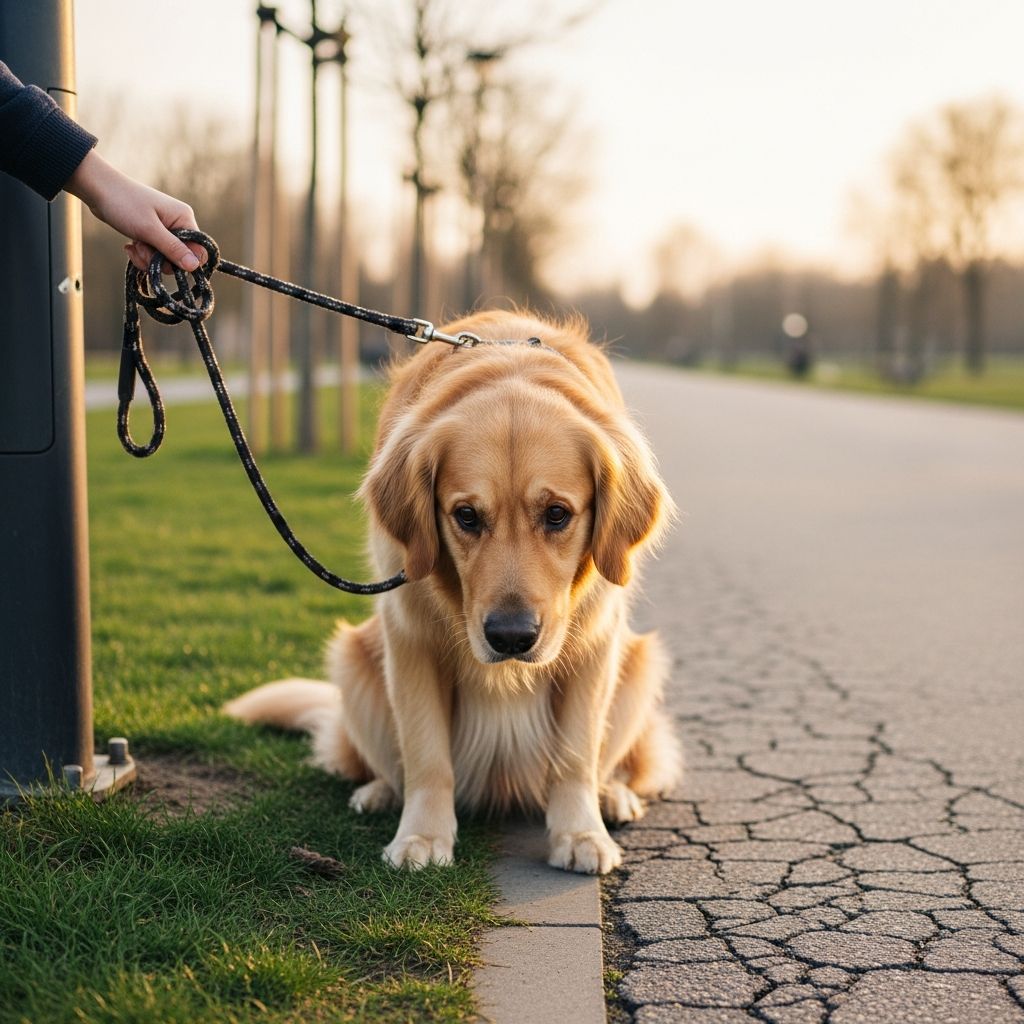
Dog walking is one of the most fundamental aspects of pet ownership, yet it’s also one of the most challenging for many dog owners. Whether your dog pulls excessively, refuses to move, or displays reactive behavior on walks, chances are you might be making one or more common mistakes that are inadvertently reinforcing unwanted behaviors. Understanding these mistakes and how to correct them can transform your daily walks from frustrating experiences into enjoyable bonding time with your furry companion.
The journey to achieving loose leash walking isn’t as simple as many people think. It requires patience, consistency, and an understanding of canine behavior. Dogs don’t naturally walk at our pace or follow our exact trajectory—their instincts drive them to explore, sniff, and investigate their environment. When we fail to account for these natural drives while training, we often find ourselves stuck in a cycle of pulling, frustration, and missed learning opportunities.
Mistake 1: Progressing Too Quickly
One of the most common errors dog owners make is assuming that if their dog walks well in one environment, they’re ready for any situation. This assumption can derail months of careful training in just a few outings.
The issue lies in understanding how dogs learn and generalize behaviors. When you teach your dog to walk nicely on a quiet street with minimal distractions, you’ve only taught them to perform that behavior in that specific context. A dog who walks perfectly in your backyard may completely ignore their training when exposed to other dogs, squirrels, or busy intersections. It’s similar to expecting someone to recite the alphabet in a noisy concert venue after practicing it in a silent room.
To avoid this mistake, follow a gradual progression strategy:
- Start training in low-distraction environments like your backyard or a quiet cul-de-sac
- Once your dog consistently demonstrates loose leash walking in this space, move to slightly busier areas
- Gradually introduce controlled distractions, such as other people or dogs at a distance
- Only progress to highly stimulating environments after your dog has mastered less challenging scenarios
- Remember that regression during transitions is normal and expected
This methodical approach ensures your dog builds genuine understanding rather than appearing to understand in ideal circumstances.
Mistake 2: Walking Too Slowly
Many dog owners unconsciously slow their natural walking pace when training loose leash walking, believing this will help their dog keep up and prevent pulling. This strategy backfires more often than not.
Dogs naturally walk faster than humans. Their stride is shorter, but their cadence is quicker. When you artificially slow your pace during training, you’re actually making it harder for your dog to match your movement. Imagine being asked to walk at a turtle’s pace—you’d likely drift forward or lose focus because maintaining such an unnatural rhythm requires constant attention.
Additionally, walking too slowly can create other problems. Your dog may become more easily distracted when moving slowly, and they might become bored or frustrated by the lack of stimulation. A dog that lacks mental engagement during walks is more likely to pull, sniff excessively, or engage in reactivity.
The solution is counterintuitive: walk at your natural, comfortable pace and reward your dog for matching it. This provides clear feedback about what you expect while also making the walk more enjoyable and engaging for your dog. Your natural pace gives your dog a consistent rhythm to follow and makes the entire experience more rewarding.
Mistake 3: Confusing Loose Leash Walking With Perfect Heel Position
A significant misunderstanding that undermines many training efforts is the belief that loose leash walking means your dog must maintain a perfect heel position at all times. This confusion leads owners to correct their dogs for minor deviations, which actually inhibits learning and enjoyment.
Loose leash walking simply means your dog walks without pulling on the leash—their position relative to you is less important than the lack of tension. Your dog might be slightly ahead, beside you, or even slightly behind, as long as there’s slack in the leash.
This distinction matters because dogs need mental enrichment during walks. Sniffing, investigating scents, and exploring their environment are crucial to canine well-being. These sensory experiences provide exercise for your dog’s brain, not just their body. When you restrict your dog to a rigid heel position, you’re depriving them of one of the few times they get to explore outside their home.
A balanced approach allows your dog to:
- Walk nearby with a loose leash without strict positional requirements
- Stop to sniff and investigate points of interest
- Experience natural environmental stimulation
- Burn mental energy alongside physical energy
- Maintain focus on you for direction changes and commands
This flexibility creates a sustainable training model that your dog will actually enjoy participating in, leading to better long-term behavior.
Mistake 4: Using Retractable Leashes
The design of retractable leashes actually works against your loose leash training goals in fundamental ways. While they seem convenient, they actively reinforce the pulling behavior you’re trying to eliminate.
Retractable leashes require tension to extend. This means your dog must pull to gain more length and freedom. Every time your dog pulls, they’re rewarded with extended leash—they’ve just learned that pulling equals more freedom to explore. This directly contradicts the loose leash training principle that teaches pulling results in restricted movement.
Beyond the behavioral problem, retractable leashes have additional drawbacks:
- They provide less control in emergency situations when you need to restrain your dog quickly
- The thin cord can cause injuries if wrapped around skin or limbs
- They encourage dogs to pull and explore further away from handlers
- They make it difficult to maintain consistent communication and distance with your dog
- Many parks and walking areas specifically prohibit their use due to safety concerns
A standard 4 to 6-foot fixed-length leash is significantly better for training and safety purposes. It provides appropriate control, clearer communication, and doesn’t inadvertently reward pulling behavior.
Mistake 5: Not Using Proper Gear and Fit
The equipment you choose for walking significantly impacts your training success and your dog’s comfort. Poorly fitted or inappropriate gear can cause physical discomfort that manifests as behavioral problems, including pulling and reactivity.
Common problem areas where poorly fitted equipment causes issues include:
- Under the armpits, where harnesses can rub and cause chafing
- Around the throat, where even slight pressure changes can interfere with breathing
- Behind the ears, where tags and buckles can irritate sensitive skin
- Across the chest, where restricted movement prevents proper gait
To ensure proper fit, use the two-finger test: you should be able to comfortably slip two fingers under any part of your dog’s harness or collar. However, the fit shouldn’t be so loose that your dog could back out of it. Finding this balance is crucial for both safety and comfort.
Additionally, consider your dog’s specific needs. A dog with a sensitive neck might do better with a harness than a collar. A dog prone to excitement might benefit from a front-clip harness that redirects pulling. Choosing equipment that suits your individual dog’s body structure and behavior needs makes training significantly more effective.
Mistake 6: Phasing Out Treats Too Quickly or Completely
A peculiar double standard exists in dog training where many owners accept aversive methods like prong collars as long-term solutions but balk at using treats throughout training. This mindset undermines effective, humane training.
Treats and rewards are tools for communicating to your dog what behavior you’re seeking. They’re not something to be eliminated as soon as your dog shows basic competence. Rather, they should be gradually reduced and transitioned to variable reward schedules where your dog receives rewards unpredictably—sometimes getting a treat, sometimes receiving praise or a toy.
Why treats remain valuable throughout training:
- They provide immediate feedback about correct behavior
- They maintain motivation in challenging or distracting environments
- They make training sessions enjoyable for your dog
- Variable rewards are more powerful than consistent treats—your dog stays engaged trying to earn the next reward
- They represent a humane, science-backed training method supported by animal behaviorists
Rather than eliminating treats, evolve your use of them. Move from treat rewards on every correct behavior to rewarding on a variable schedule. Sometimes your dog gets a treat, sometimes they get enthusiastic praise and petting, sometimes they get access to something they want to sniff. This unpredictability keeps your dog engaged and motivated across your dog’s lifetime, not just during the training phase.
Mistake 7: Inconsistent Training and Expectations
Dogs thrive on consistency. When different family members enforce different rules or when rules change from day to day, your dog becomes confused about what’s actually expected. This inconsistency undermines training progress and can create frustration for both you and your dog.
Establish clear household guidelines about walking. Everyone who walks your dog should use the same commands, enforce the same rules, and deliver rewards consistently. If sometimes your dog is allowed to pull while other times it’s corrected, or if one person allows pulling while another prevents it, your dog will struggle to understand what behavior is actually correct.
Mistake 8: Ignoring Environmental Stress Signals
Dogs communicate stress and discomfort through body language, but many owners overlook these signals. Common stress triggers on walks include unexpected loud noises, unpredictable movements like flags flapping, overwhelming spaces, and ground texture changes.
When dogs feel stressed during walks, they may pull, freeze, or display reactive behavior. Rather than punishing these responses, recognize them as communication and adjust your walking environment or route. Creating positive associations with challenging situations gradually builds your dog’s confidence.
Practical approaches include:
- Creating space before other dogs or people approach
- Having ready-made responses when others want to greet your dog
- Rewarding calm behavior when passing potential stress triggers
- Practicing U-turns to avoid unwanted interactions
Mistake 9: Forcing Interactions With Other Dogs
While socialization is important, forcing your dog into interactions they’re not ready for is counterproductive. Not all dogs enjoy meeting strangers or other dogs, and forcing these interactions teaches your dog that their communication doesn’t matter. This can lead to escalated behaviors like lunging or barking.
Respect your dog’s comfort level and avoid pressured greetings. It’s completely acceptable to politely decline when someone asks if their dog can greet yours. Your dog’s emotional well-being during walks is more important than making others comfortable.
Creating Your Dog’s Ideal Walking Experience
Successful loose leash walking combines patience, consistency, and understanding of canine behavior and needs. By avoiding these nine common mistakes, you’ll be well-positioned to develop walks that are enjoyable for both you and your dog. Remember that progress isn’t always linear—your dog may need periodic reminders in certain environments—but maintaining these principles will help you navigate setbacks and build lasting training success.
Frequently Asked Questions
Q: How long does it typically take to train loose leash walking?
A: The timeline varies depending on your dog’s age, previous experiences, and your consistency. Most dogs show improvement within 2-4 weeks with daily practice, but complete mastery in all environments may take several months. Patience and consistency are more important than speed.
Q: Should I use a harness or a collar for loose leash training?
A: Both can work, but front-clip harnesses often provide better control and reduce pulling more effectively. Collars work best for dogs without neck sensitivity or breathing issues. Choose based on your individual dog’s needs and comfort.
Q: What should I do if my dog pulls despite my training efforts?
A: Go back to a lower-distraction environment and reassess your approach. You may be progressing too quickly, using inconsistent commands, or inadvertently rewarding pulling. Consider working with a certified professional dog trainer for personalized guidance.
Q: Can older dogs learn loose leash walking?
A: Absolutely. While puppies may learn slightly faster, dogs of any age can learn new behaviors with patience and consistent training. Older dogs often appreciate the mental stimulation training provides.
Q: Is it okay to let my dog sniff during walks?
A: Yes, sniffing is essential for your dog’s mental well-being and should be encouraged during walks. Allow designated sniffing time while maintaining a loose leash and preventing pulling.
Q: What if my dog is very reactive on walks?
A: Reactivity often stems from fear, frustration, or excitement. Work with a professional trainer to develop a behavior modification plan. Start with less stimulating routes and gradually build your dog’s confidence in challenging situations.
References
- 5 Common Loose Leash Dog Walking Mistakes — Happy Hounds Dog Training. Accessed November 2025. https://happyhoundsdogtraining.ca/5-common-loose-leash-dog-walking-mistakes/
- Common Dog Training Mistakes and How to Avoid Them — Sit n Stay Dog Training. Accessed November 2025. https://www.sitnstaydogtraining.com/About-Us/Blog/common-dog-training-mistakes-and-how-to-avoid-them
- 5 Common Walking Mistakes That Stress Your Dog (And Simple Solutions) — Canadian Kennel Club. January 2025. https://ckcusa.com/blog/2025/january/5-common-walking-mistakes-that-stress-your-dog-and-simple-solutions/
- Dog Walking Mistakes to Avoid — Oakland Dog Trainer. Accessed November 2025. https://www.oaklanddogtrainer.com/post/dog-walking-mistakes-to-avoid
- How to Troubleshoot Common Dog Walking Problems — Diggs Pet. Accessed November 2025. https://www.diggs.pet/blogs/posts/how-to-troubleshoot-common-dog-walking-problems
Similar Articles






Read full bio of medha deb