

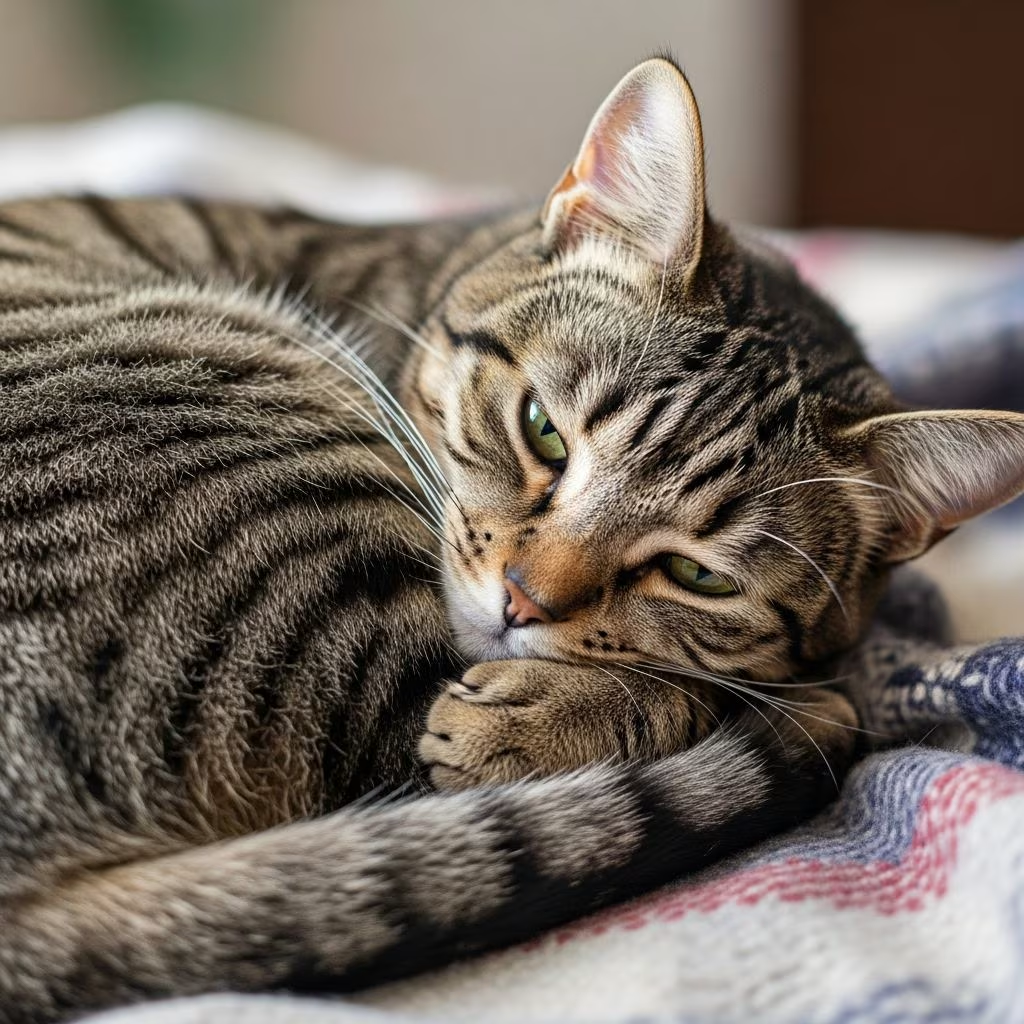
Cats are masters at masking pain, a survival instinct from their wild ancestors that makes detecting discomfort challenging for owners. Unlike dogs, who may yelp or limp obviously, felines often show subtle behavioral shifts that signal underlying issues like arthritis, injury, or illness. Recognizing these **6 behavioral signs of pain in cats** can lead to earlier veterinary intervention, improving your pet’s quality of life and preventing pain from becoming chronic.
Studies, including expert consensus from veterinary researchers, highlight behaviors like reduced jumping, hiding, and changes in grooming as reliable indicators. A North Carolina State University analysis of 300 cats with osteoarthritis pinpointed everyday changes strongly linked to pain. Veterinary sources emphasize monitoring mobility, socialization, appetite, vocalization, grooming, and activity levels. By staying vigilant, you can help your cat receive timely pain relief through medications, therapy, or lifestyle adjustments.
1. Changes in Mobility
**Mobility alterations** are among the most reliable signs of pain in cats, often subtle due to bilateral conditions like osteoarthritis, which affects both sides equally and reduces obvious limping. Cats in pain may show a stiff gait, reluctance to jump up or down from heights, hesitation on stairs, limited stretching, or altered scratching posture.
For instance, a cat that once leaped effortlessly onto countertops might now pause, use intermediate steps like a chair, or avoid jumping altogether. Changes in jumping height or distance, difficulty navigating slippery floors, or trouble rising from lying down are common. These shifts stem from joint pain, muscle soreness, or neurological issues, prompting cats to conserve energy and protect sore areas.
- Reluctance to jump up or down from higher surfaces
- Altered stair climbing (up or down)
- Stiff gait or limping (less common in cats)
- Difficulty getting up/down or walking on slick surfaces
- Reduced stretching or scratching ability
Texas A&M veterinary experts note these as chronic pain hallmarks, urging owners to track patterns over days. Early detection via mobility assessments can guide treatments like joint supplements or pain meds.
2. Decreased Activity and Energy Levels
A noticeable drop in **overall activity** signals discomfort, as pained cats conserve energy by sleeping more, playing less, or avoiding exercise. Normally active cats may become lethargic, spend excessive time in one spot, or show restlessness from inability to get comfortable.
- Less interest in play or chasing objects
- Diminished exercise tolerance
- Increased sleeping (beyond 50-75% of the day)
- Restlessness or repetitive position changes
- Hiding or withdrawing from family activities
Zoetis Petcare reports these correlate strongly with osteoarthritis pain, based on feline studies. PetMD adds that some cats hyperactively pace due to pain, contrasting their usual calm demeanor. Monitor for gradual declines, as acute pain might spike activity briefly before lethargy sets in.
3. Changes in Grooming Habits
**Grooming disruptions** are classic pain indicators: excessive licking/chewing at one spot suggests localized discomfort, while poor grooming leads to scruffy, patchy fur from reluctance to twist or reach sore areas.
Cats in pain prioritize pain avoidance over hygiene, resulting in matted fur or unkempt appearance. Conversely, over-grooming a painful joint or wound provides self-soothing but risks skin issues. Lethargy compounds this, as low energy reduces grooming time.
- Decreased overall grooming, leading to scruffy fur
- Excessive licking, biting, or scratching one area
- Patchy fur from neglect
VCA Hospitals links this to mobility limits preventing full-body access. Regular coat checks can flag issues early.
4. Vocalization and Personality Changes
Increased **vocalizing**—meowing, howling, growling, or even purring—often betrays pain, especially in gentle cats. Purring, typically soothing, can self-comfort during hurt. Personality shifts include irritability, withdrawal, aggression, or flinching when touched.
- Frequent meowing/howling or unusual vocalizations
- Purring more, even when not content
- Irritability, hissing, spitting, or biting
- Withdrawn or less interactive
- Aggression when approached or petted
Southborough Veterinary notes tail flicking alongside these. DVM360 highlights resentment to touch in painful zones. These bond-straining changes warrant prompt vet visits.
5. Appetite and Litter Box Changes
Pain suppresses **appetite** and alters elimination: reduced eating/drinking, or avoiding high-sided litter boxes due to entry pain. House-soiling outside the box signals discomfort squatting or moving.
- Decreased appetite or thirst
- Not using litter box; accidents elsewhere
- Changes in urination/defecation habits
Hickory Vet associates these with general malaise. Track intake/output to quantify changes.
6. Posture and Facial Expressions
**Abnormal postures** like hunching, tense body, lowered head, or tucked limbs protect painful areas. Facial cues include squinting, flattened ears, tense mouth, glazed stare, or dilated pupils. Panting at rest is an emergency sign.
- Hunched/tucked posture when sleeping
- Tense body, crouched stance
- Squinted eyes, flattened ears, tight mouth
- Glazed expression or dilated pupils
- Panting (rare in cats)
PMC’s expert consensus validates grimace scales for pain assessment. PetMD’s Feline Grimace Scale aids identification.
What to Do If You Suspect Your Cat Is in Pain
Document changes with notes/videos, then consult a vet promptly. They may use pain scales, exams, or imaging for diagnosis. Treatments include NSAIDs, opioids, joint supplements, acupuncture, or weight management. Home aids: low-sided litter boxes, ramps, soft bedding, and pheromone diffusers reduce stress.
Prevention via regular check-ups, obesity control, and environmental enrichment helps. Early action maintains mobility and happiness.
Frequently Asked Questions (FAQs)
Why do cats hide pain?
Cats mask pain as a survival trait to avoid appearing weak to predators or rivals.
Is purring always a good sign?
No, pained cats may purr for self-soothing.
When is cat panting an emergency?
Always, as cats rarely pant; it signals severe pain or respiratory distress.
Can senior cats have pain without obvious limping?
Yes, bilateral arthritis causes subtle mobility shifts.
How do vets assess cat pain?
Via behavior observation, grimace scales, and owner reports.
References
- Detecting the Subtle Signs of Pain In Pets — Texas A&M College of Veterinary Medicine & Biomedical Sciences. 2023-approx. https://vetmed.tamu.edu/news/pet-talk/detecting-the-subtle-signs-of-pain/
- Everyday Signs of a Cat in Pain — Zoetis Petcare. 2023-approx. https://www.zoetispetcare.com/blog/article/signs-cat-pain
- Signs of Pain in Cats — Southborough Veterinary Hospital. 2024-06-15. https://www.southboroughvet.com/site/blog/2024/06/15/signs-pain-cats
- Behavioral signs of feline pain — DVM360. 2023-approx. https://www.dvm360.com/view/behavioral-signs-of-feline-pain
- Cat – Subtle Signs of Illness and Pain — Hickory Veterinary Hospital. 2023-approx. https://www.hickoryvet.com/services/cats/pain-relief-cats
- Behavioural Signs of Pain in Cats: An Expert Consensus — PMC / NIH. 2016-01-30. https://pmc.ncbi.nlm.nih.gov/articles/PMC4765852/



