

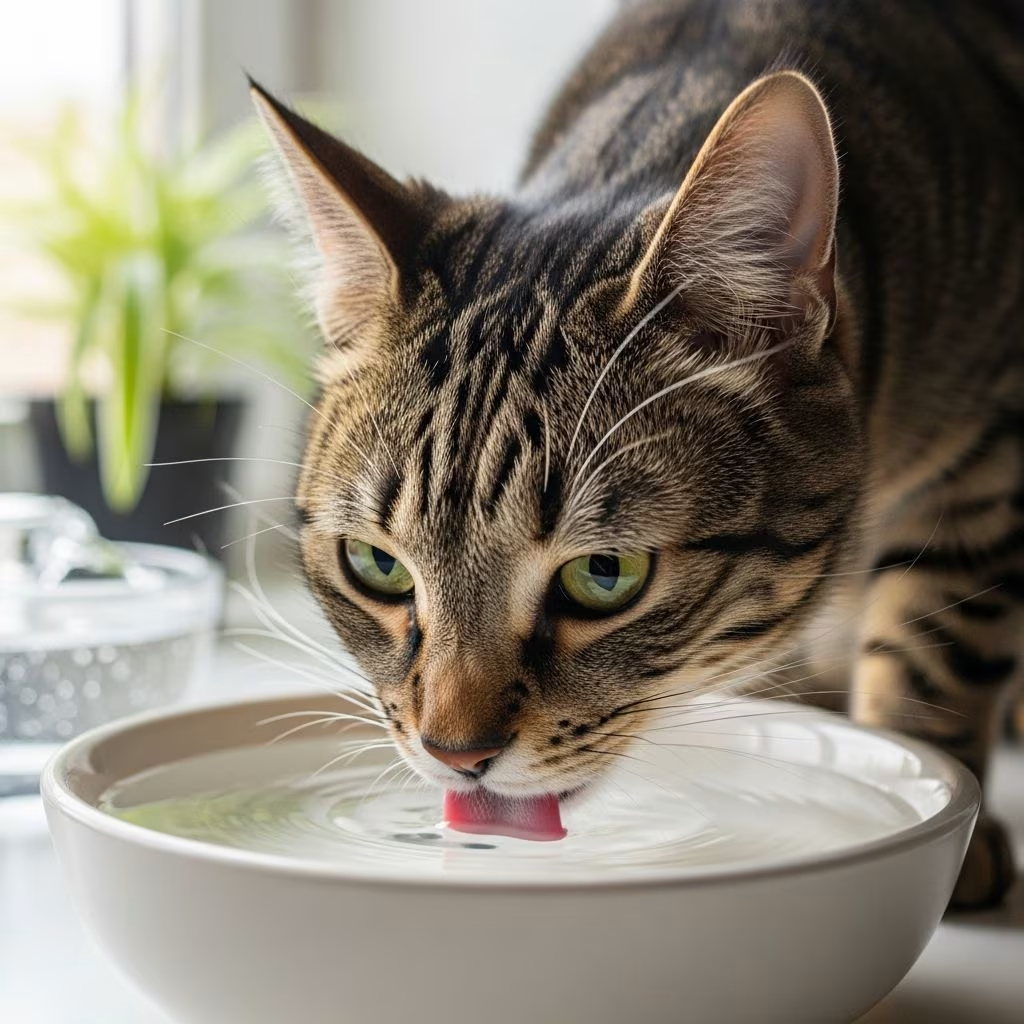
Proper hydration is essential for your cat’s overall health and well-being. Unlike dogs, cats are naturally low-thirst animals and often don’t drink enough water on their own. This makes it crucial for cat owners to take proactive steps to ensure their feline companions stay adequately hydrated. Dehydration in cats can lead to serious health issues including urinary tract problems, kidney disease, and other complications. Understanding the importance of hydration and implementing effective strategies can help prevent these issues and keep your cat thriving.
Why Cat Hydration Matters
Cats descended from desert-dwelling ancestors who obtained most of their daily water intake through their diet. This evolutionary background explains why many modern cats have a reduced thirst drive compared to other species. In the wild, cats would consume moisture-rich prey, naturally supporting their hydration needs. Today’s indoor cats, however, often rely on standing water bowls that may not appeal to them as strongly as their natural instincts would suggest.
Proper hydration supports multiple critical functions in your cat’s body, including temperature regulation, nutrient transport, waste elimination, and kidney function. When cats don’t drink enough water, they become vulnerable to dehydration-related health conditions. By implementing the following five strategies, you can encourage your cat to drink more and maintain optimal hydration levels throughout their life.
1. Invest in a Cat Water Fountain
One of the most effective ways to encourage cats to drink more water is by investing in a quality cat water fountain. Cats are naturally attracted to moving water, and fountains tap into this instinct. The flowing water appeals to multiple senses—your cat can see the movement, hear the gentle sounds, and experience fresh, oxygenated water that tastes different from still water in a bowl.
Water fountains address another concern: cats are instinctively aware that stagnant water breeds bacteria. In their wild ancestors’ experience, flowing water was safer and cleaner. Modern water fountains replicate this natural preference, making them an excellent investment for hydration-conscious cat owners.
When selecting a fountain, consider the following factors:
- Fountain design and noise level—choose one that won’t disturb your household
- Water capacity and how often it needs refilling
- Filtration system quality to keep water fresh and clean
- Ease of cleaning and maintenance
- Your cat’s size and comfort around the fountain
Many cat owners report a noticeable increase in their cats’ water consumption after introducing a fountain. The improved water intake can lead to better urinary tract health and reduced risk of kidney-related issues.
2. Provide Multiple Water Stations Throughout Your Home
Cats can be particular about their drinking locations, and some may be hesitant to travel long distances for water. By placing multiple water bowls in different areas of your home, you increase the likelihood that your cat will drink more frequently. Convenience plays a significant role in encouraging drinking behavior.
Strategic placement of water stations should consider:
- Areas where your cat spends the most time
- Locations away from litter boxes, as cats prefer to drink far from where they eliminate waste
- Different levels of your home if you have multiple floors
- Quiet, low-traffic areas where your cat feels safe
- Near their favorite resting spots or play areas
Clean and refill all water bowls daily—don’t just give them a quick rinse. Take time to wash them thoroughly with gentle soap to remove any residual odors or bacteria. Cats are sensitive to smell, and a clean bowl encourages more drinking. Additionally, consider using different bowl materials such as glass, ceramic, or stainless steel rather than plastic. Plastic bowls can retain odors that cats find unpleasant, potentially discouraging them from drinking.
3. Incorporate Wet Food Into Your Cat’s Diet
One of the most effective ways to increase your cat’s water intake is through dietary choices. Wet food contains significantly higher water content than dry kibble, making it an excellent supplement to plain water. Canned food typically contains 70-80% moisture, compared to only 10% in dry food.
If your cat primarily eats dry kibble, consider implementing these dietary strategies:
- Mix wet food with dry kibble to gradually increase moisture intake
- Add fresh water or low-sodium broth to dry food to moisten it
- Offer canned or wet food as a daily supplement, even if your cat’s primary diet is kibble
- Try freeze-dried raw food patties mixed with water to create a moist consistency
- Create a “soupier” consistency by adding extra water to wet food
Many cats find wet food more palatable than dry kibble, making them eager to consume meals. The added moisture not only increases water intake but also provides nutritional benefits. When selecting wet food, ensure it meets your cat’s nutritional requirements and consult your veterinarian if you’re making significant dietary changes.
4. Keep Water Fresh and Clean
Water quality directly impacts whether your cat will drink from a bowl. The longer water sits, the more particles it collects—dust, dirt, hair, and bacteria can all accumulate in stagnant water. These contaminants make water less appealing to cats and can potentially harbor harmful microorganisms.
Follow these best practices for water maintenance:
- Change water one to two times daily, more often if your cat drinks frequently
- Completely empty and refill bowls rather than simply topping them off
- Use filtered water or provide a water filtration system if your tap water quality is questionable
- Consider using distilled water in areas with hard water or high mineral content
- Clean water bowls thoroughly daily to prevent bacterial growth
- Remove any food debris, hair, or other foreign objects immediately
Some cats are particularly sensitive to water quality and temperature. Experiment with room-temperature water versus chilled water to determine your cat’s preference. A few cats enjoy cold water, which can be refreshing, especially during warmer months.
5. Make Water More Enticing With Flavor Additions
If your cat remains reluctant to drink adequate amounts of plain water, consider making it more appealing through safe flavor additions. Low-sodium broths and other pet-safe enhancements can transform plain water into something your cat finds irresistible.
Safe flavoring options include:
- Low-sodium, low-fat chicken or beef broth
- Tuna juice from canned tuna packed in water (use sparingly)
- Small amounts of diluted meat-based pet broths
- Ice cubes made from diluted broth for added enrichment
When adding flavorings, use moderation to maintain proper electrolyte balance and avoid excess sodium. Never add ingredients toxic to cats such as onions, garlic, or xylitol. If your cat enjoys ice cubes, you can freeze diluted broth in an ice cube tray and add one or two cubes to their water bowl when you refresh the water.
For cats that are picky about their water source, try offering different water options to discover their preference. Some cats may prefer water from a specific bowl material, temperature, or location, and identifying these preferences can significantly improve their water consumption.
Monitoring Your Cat’s Hydration Levels
Regularly monitoring your cat’s hydration status helps ensure they’re drinking adequate amounts. Several signs and indicators can help you track your cat’s hydration:
Daily Monitoring Checks
- Track your cat’s urination frequency and litter box habits—decreased urine output is an early sign of dehydration
- Observe stool consistency; hard, dry stools can indicate insufficient water intake
- Notice changes in energy levels and behavior
- Perform regular skin elasticity tests by gently pinching loose skin; it should return to normal quickly when released
- Examine gum color and moisture—healthy gums should be pink and moist
Signs of Dehydration to Watch For
If you notice any of these warning signs, contact your veterinarian promptly:
- Excessive panting or rapid breathing
- Lethargy or unusual tiredness
- Loss of appetite
- Dry, sticky gums
- Sunken eyes
- Decreased urination or dark-colored urine
- Vomiting or diarrhea
Special Considerations for Different Seasons
Your cat’s hydration needs may vary depending on environmental factors and season. During hot weather, cats become dehydrated more quickly and require additional water sources. Provide extra bowls, ensure your cat has access to shaded areas, and monitor water consumption more closely during summer months. Indoor cats with access to air conditioning may still need extra hydration encouragement, as artificial environments can dry out their respiratory systems.
During cooler months, some cats may naturally drink less water. Continue offering multiple water sources and monitor for any changes in hydration status. Winter heating systems can also dry out indoor environments, potentially increasing dehydration risks for indoor cats.
When to Seek Veterinary Care
If your cat shows signs of severe dehydration or refuses to drink water despite your efforts, consult your veterinarian immediately. Severe dehydration may require professional intervention, including subcutaneous or intravenous fluid administration. Your veterinarian can also rule out underlying health conditions that might affect your cat’s hydration levels, such as diabetes, kidney disease, or hyperthyroidism.
Regular veterinary check-ups allow your vet to assess your cat’s hydration status and overall health. Discuss any concerns about water intake during these visits, as your veterinarian can provide personalized recommendations based on your cat’s specific needs and health status.
Frequently Asked Questions (FAQs)
Q: How much water should my cat drink daily?
A: Cats typically need approximately 50-60 milliliters of water per kilogram of body weight daily. This translates to roughly 200-250 milliliters (about 8-10 ounces) for an average 4-5 kilogram cat. However, individual needs vary based on diet, activity level, health status, and environmental factors.
Q: Is tap water safe for cats?
A: Most tap water is safe for cats, but water quality varies by location. If you’re concerned about contaminants or minerals, consider using filtered water or speaking with your veterinarian about water quality in your area.
Q: Can I give my cat distilled water?
A: While distilled water is safe, it lacks beneficial minerals found in other water sources. Most veterinarians recommend filtered tap water or spring water as better alternatives for regular consumption.
Q: How do I know if my cat is drinking enough?
A: Monitor your cat’s litter box habits, energy levels, and overall appearance. Healthy hydration results in regular urination, good energy, and moist gums. A significant decrease in water consumption or changes in urination patterns warrant veterinary attention.
Q: Are water fountains worth the investment?
A: Yes, most cat owners find water fountains worthwhile investments. The improved water consumption often justifies the cost, and they contribute to better urinary tract health and overall wellness.
Q: Can wet food completely replace water?
A: No, wet food supplements water intake but cannot completely replace fresh drinking water. Cats still need access to clean water sources in addition to moisture-rich foods.
Q: What if my cat refuses all water sources?
A: Persistent water refusal may indicate an underlying health issue. Contact your veterinarian to rule out medical conditions and receive professional guidance on hydration strategies.
Conclusion
Preventing cat dehydration requires a multi-faceted approach tailored to your individual cat’s preferences and needs. By implementing these five strategies—investing in water fountains, providing multiple water stations, incorporating wet food, maintaining fresh water, and adding appealing flavoring—you create an environment that encourages consistent hydration. Regular monitoring of your cat’s water intake and overall health ensures you catch any dehydration issues early.
Remember that every cat has unique preferences and habits. What works for one cat may differ from another, so be patient and experiment with different approaches. Prioritize your cat’s hydration as part of their overall wellness routine, and consult your veterinarian with any concerns about your cat’s water intake or health status.
References
- Is My Cat Dehydrated? How to Spot Dehydration in Cats — Williams Vet Wellness. 2024. https://www.williamsvetwellness.com/services/cats/blog/my-cat-dehydrated-spotting-dehydration-cats-and-promoting-healthy-drinking
- Cat Dehydration: Signs to Watch For and How to Protect Your Pet — My Altadena Vet. 2024. https://myaltadenavet.com/blog/cat-dehydration/
- Cat Dehydration: Symptoms, Causes, and Treatments — WebMD Pets. 2024. https://www.webmd.com/pets/cats/dehydration-cats
- Dehydration in Dogs & Cats: Signs, Causes, Treatment & Prevention — Urgent Vet. 2024. https://urgentvet.com/dehydration-in-dogs-cats-signs-causes-treatment-prevention/
- Preventing Dehydration in Cats — Vital Essentials Raw Pet Food. 2024. https://www.vitalessentials.com/raw-guide/a-guide-to-preventing-dehydration-in-cats-and-ensuring-they-stay-hydrated
- How to Keep Your Cat Hydrated: 7 Effective Strategies — Westerville Pets. 2024. https://westervillepets.com/how-to-keep-your-cat-hydrated-7-effective-strategies/
- 5 Ways to Keep Your Cat Hydrated — PetMD. 2024. https://www.petmd.com/cat/slideshows/5-ways-keep-your-cat-hydrated



