

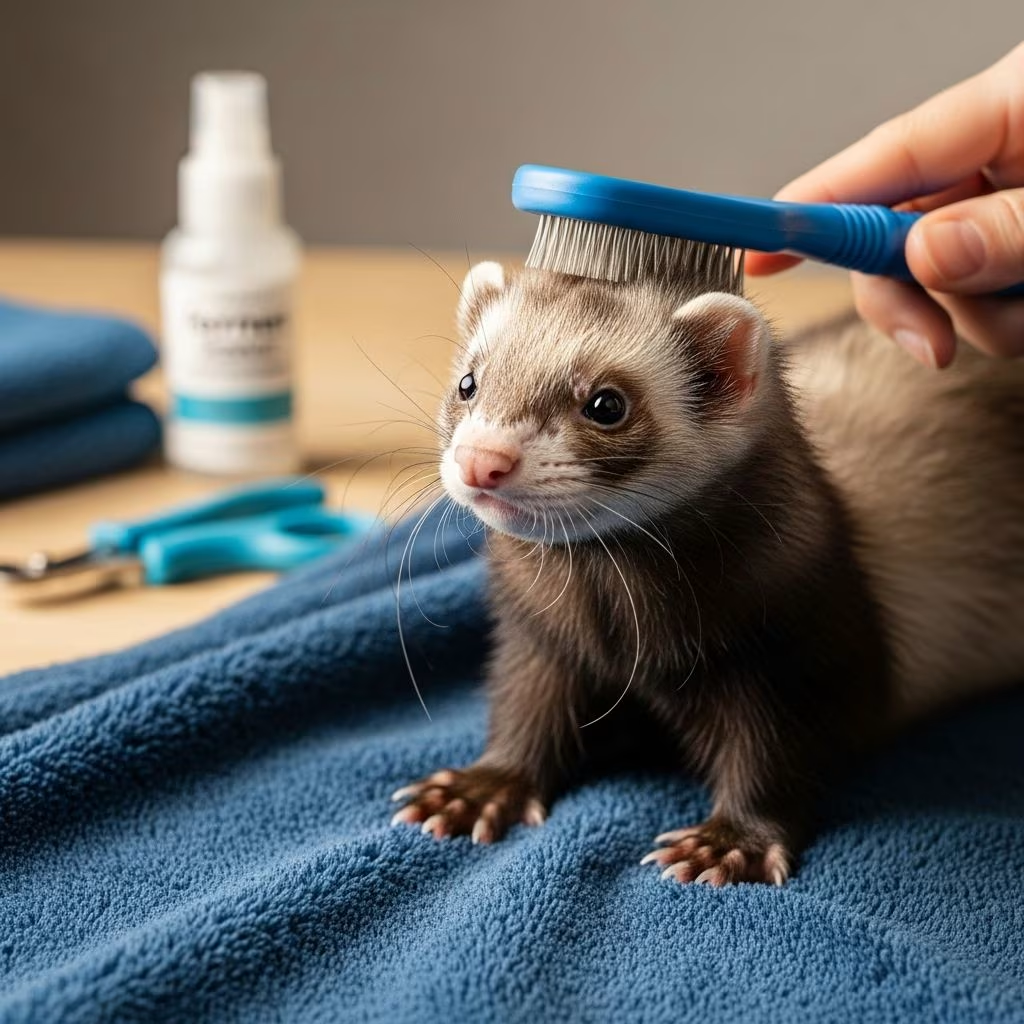
5 Tips for Grooming Your Ferret
Ferret grooming is an essential aspect of pet ownership that goes far beyond aesthetic appeal. Regular grooming helps maintain your ferret’s overall health, prevents skin problems, reduces excessive shedding throughout your home, and creates opportunities for bonding with your beloved companion. Unlike dogs or cats, ferrets have unique grooming requirements that every ferret owner should understand. By implementing a consistent and gentle grooming routine, you can keep your ferret comfortable, healthy, and happy while also monitoring for any potential health issues that may arise.
Whether you’re a new ferret parent just starting your grooming journey or an experienced enthusiast looking to refine your techniques, this comprehensive guide will walk you through five essential ferret grooming tips that will help you care for your pet safely and effectively. Understanding these foundational grooming practices will transform the experience into a positive bonding activity rather than a stressful chore for both you and your ferret.
Tip 1: Master the Art of Brushing Your Ferret
Brushing is one of the most fundamental aspects of ferret grooming and should be a regular part of your pet care routine. Ferrets naturally shed their coats twice per year, and while they engage in self-grooming, regular brushing significantly reduces the amount of loose hair they ingest and helps minimize shedding around your home. Brushing also prevents matting, keeps the coat healthy and shiny, and allows you to check for any skin abnormalities or parasites.
Recommended brushing frequency: Brush your ferret 2-3 times per week during normal seasons, and increase to daily brushing during heavy shedding periods. This consistent schedule prevents hair buildup and helps your ferret maintain a healthy coat.
When brushing your ferret, always use a soft-bristle brush or fine-toothed comb designed for small animals. Apply gentle, smooth strokes to avoid tugging on sensitive skin or causing discomfort. Work systematically from the head down to the tail, being especially careful around the ears and belly where skin is most delicate. For quick touch-ups between full brushing sessions, consider using pet-safe grooming wipes or dry shampoo to freshen up your ferret’s coat and remove loose hair.
Pro tip: Make brushing a positive experience by offering treats and praise during and after the session. This helps your ferret associate grooming with reward and makes future grooming sessions easier.
Tip 2: Bathe Your Ferret Properly
Bathing is an important part of ferret grooming, but it requires careful attention since ferrets produce natural oils that protect their skin and coat. Over-bathing can strip these protective oils, leading to dryness, irritation, and discomfort. Understanding the proper bathing frequency and technique is crucial for maintaining your ferret’s skin health.
Bathing frequency: Ferrets should be bathed no more than once or twice per month. Over-bathing removes essential natural oils and can cause skin problems. In fact, if your ferret has particularly oily skin, bathing once every 4-6 weeks may be sufficient. Always avoid excessive bathing unless your ferret has gotten into something dirty or has a specific skin condition requiring treatment.
When bathing your ferret, always use warm water and ferret-specific or mild pet shampoo designed for sensitive skin. Baby shampoo can be used in a pinch, but ferret or kitten-specific formulas are preferred as they better maintain coat softness and shine. Never use human shampoo, as it may contain harsh chemicals that can irritate your ferret’s delicate skin.
For ferrets that enjoy water, simply wet them down in warm water, apply a small amount of shampoo to the upper back, and massage the lather up to the ears and down to the tail. Be extremely careful not to get soap in the eyes or ears. Rinse thoroughly with clean, warm water until all shampoo is removed. For ferrets that dislike water, sponge baths or pet-safe wipes provide an excellent alternative for quick cleanings between regular baths.
After bathing, dry your ferret completely with soft towels. Some ferrets enjoy rubbing themselves on towels, which can be helpful for drying. If your ferret has dry skin, you can apply a small amount of ferret-safe coat conditioner while the coat is still damp, massaging it gently into the skin.
Tip 3: Trim Nails Regularly and Safely
Nail trimming is a critical grooming task that many new ferret owners find intimidating, but with the right technique and tools, it becomes manageable and essential for your ferret’s health. Overgrown nails can cause discomfort when walking, may curl back into the paw pad, and can break or tear painfully if caught on bedding or carpet. Regular nail trimming prevents these problems and protects both your ferret and yourself from accidental scratches.
Trimming schedule: Trim your ferret’s nails at least every 2-3 weeks, though many ferrets require more frequent trimming depending on their activity level and individual nail growth rate. Some ferrets may need weekly trimming to keep nails at a comfortable length.
To trim your ferret’s nails safely, invest in small animal or cat nail clippers rather than dog clippers, which are too large and can cause crushing. Examine each nail carefully and trim only the white part, avoiding the dark vein (quick) that runs through the center. Cutting into the quick causes pain and bleeding and can traumatize your ferret, making future nail trims more difficult.
Trimming technique: Hold your ferret securely, either by having a partner assist or by wrapping your ferret gently but firmly. One effective method is to lay your ferret on their back in your lap and apply a small dab of cat hairball remedy or another tasty treat on their belly. While your ferret is distracted licking the treat, you can quickly and calmly trim their nails without much resistance. Always reward your ferret with praise and treats after successful nail trimming to create positive associations with the experience.
If you’re uncomfortable trimming nails yourself or your ferret becomes extremely stressed, consult your veterinarian. A professional can trim nails safely and may provide guidance for future at-home trims.
Tip 4: Clean Your Ferret’s Ears Regularly
Ear cleaning is often overlooked in ferret grooming routines, yet it’s essential for preventing infections and maintaining good overall health. Ferrets can develop ear mites or infections if ears aren’t cleaned regularly, and buildup of wax and debris can lead to discomfort and hearing issues.
Cleaning frequency: Clean your ferret’s ears weekly or bi-weekly, depending on how quickly wax and debris accumulate. Regular inspection helps you catch problems early before they develop into infections.
To clean your ferret’s ears, gather cotton balls or pads and a ferret-safe ear cleaning solution. Hold your ferret securely by gently supporting their chest and back. Dip a cotton ball into the ear cleaning solution and gently wipe the inside of the ear flap and ear canal, being careful not to push debris deeper into the ear. Use a fresh cotton ball for each ear to prevent cross-contamination.
Never insert cotton swabs or any sharp objects deep into the ear canal, as this can damage the delicate structures inside the ear. If you notice excessive wax, discharge, redness, or if your ferret seems to have discomfort when ears are touched, consult your veterinarian as these may indicate infection or ear mites requiring professional treatment.
Tip 5: Maintain Dental Health Through Regular Care
Dental hygiene is perhaps the most overlooked aspect of ferret grooming, yet it’s absolutely critical for your ferret’s long-term health and quality of life. Poor dental health can lead to tartar buildup, gum disease, tooth loss, and even systemic infections that affect other organs. Establishing a dental care routine early prevents these serious complications.
Brushing schedule: Aim to brush your ferret’s teeth 2-3 times per week using a ferret-safe toothbrush and ferret or cat-specific toothpaste. Never use human toothpaste, as it contains fluoride and other ingredients that can be harmful to ferrets.
To brush your ferret’s teeth, hold them gently but securely and apply a small amount of ferret-safe toothpaste to the toothbrush. Gently brush the outer surfaces of the teeth in circular motions, being careful not to force the toothbrush into the mouth aggressively. Many ferrets resist at first, so keep initial sessions brief and offer rewards afterward to build positive associations.
In addition to regular brushing, support your ferret’s dental health through proper diet and dental chews designed for small animals. Watch for warning signs of dental problems including bad breath, difficulty eating, drooling, or pawing at the mouth. If you notice any of these signs, schedule a veterinary examination promptly, as they may indicate dental disease requiring professional cleaning or treatment.
Essential Grooming Tools Every Ferret Owner Should Have
Having the right tools on hand makes grooming sessions more efficient, comfortable, and safe for your ferret. Investing in quality grooming supplies ensures you can provide professional-level care at home. Here are the essential tools every ferret owner should maintain:
- Soft-bristle brush or fine-toothed comb: Designed specifically for small animals to gently remove loose hair without causing discomfort
- Small animal or cat nail clippers: Appropriately sized to safely trim ferret nails without crushing or causing injury
- Ferret-safe shampoo: Mild formula designed for ferret skin or acceptable alternatives like kitten shampoo
- Grooming wipes and dry shampoo: Useful for quick cleanups between regular baths
- Cotton balls or pads: Essential for ear cleaning and applying solutions safely
- Ferret-safe toothbrush and toothpaste: Designed for small mouths and gentle enough for daily use
- Small scissors: For trimming sensitive areas if needed, though rarely necessary
- Grooming table or non-slip surface: Provides safety and comfort during grooming sessions
- Towels: Soft, absorbent towels for drying after baths
- Treats and rewards: Essential for creating positive grooming associations
Organizing these tools in a dedicated grooming kit ensures you always have what you need ready and creates an efficient grooming experience.
Creating a Stress-Free Grooming Environment
The environment where you groom your ferret significantly impacts their comfort level and your success with grooming tasks. Creating a calm, safe space with minimal distractions helps your ferret remain relaxed and cooperative throughout the grooming session.
Choose a quiet room away from loud noises, other pets, or household activity. A bathroom or small utility room works well. Use a non-slip surface like a grooming table with a rubber mat or towel to prevent your ferret from sliding and feeling insecure. Ensure the room is warm and comfortable, as ferrets are sensitive to temperature changes.
During grooming, use gentle handling, soothing tones, and positive reinforcement. Speak softly to your ferret and offer treats frequently to build positive associations. Keep initial grooming sessions short, especially if your ferret is young or new to grooming. It’s better to have several short, successful sessions than one long, stressful experience. As your ferret becomes more comfortable with grooming, you can gradually extend session lengths.
If your ferret becomes overly stressed or aggressive during grooming, take a break and try again later. Building a positive grooming routine takes time and patience, but the investment pays dividends in your ferret’s health and your bond together.
Common Grooming Challenges and Solutions
Ferret resists nail trimming: Use the belly-treat method described above, or ask a partner to gently hold your ferret while you trim. Reward with extra treats and praise.
Ferret hates bathing: Stick to dry shampoo and grooming wipes instead. If bathing is necessary, use shallow warm water and work quickly. Never force a ferret into water.
Excessive scratching or skin irritation: Reduce bathing frequency, switch to a gentler shampoo, and consult your veterinarian as this may indicate allergies or parasites.
Ferret bites during grooming: This may indicate pain or stress. Be gentler, use shorter sessions, and consult your vet if biting persists.
Frequently Asked Questions About Ferret Grooming
Q: How often should I brush my ferret?
A: Brush your ferret 2-3 times per week during normal shedding, and daily during heavy shedding seasons when ferrets shed their entire coat.
Q: Can I use human shampoo on my ferret?
A: No, never use human shampoo on ferrets. Human products contain harsh chemicals that can irritate ferret skin. Always use ferret-specific or mild pet shampoo designed for sensitive skin.
Q: What should I do if I accidentally cut the quick while trimming nails?
A: Don’t panic. Apply gentle pressure with a clean cloth to stop bleeding. If bleeding doesn’t stop after 10 minutes, contact your veterinarian. Your ferret may be more resistant to nail trimming in the future, so offer extra treats and praise during subsequent trims.
Q: How do I know if my ferret has a dental problem?
A: Watch for signs like bad breath, difficulty eating, excessive drooling, or pawing at the mouth. If you notice these symptoms, schedule a veterinary exam promptly.
Q: Is it normal for ferrets to shed so much?
A: Yes, ferrets shed heavily twice per year when changing coats. Regular brushing during these periods helps manage shedding and prevents hair ingestion.
Q: Can I sedate my ferret for grooming?
A: Consult your veterinarian before considering sedation. Most ferrets respond well to positive reinforcement and patient training without medication.
Building a Grooming Routine That Works
Consistency is key to successful ferret grooming. Establish a regular grooming schedule and stick to it. Many ferret owners find that grooming their pets on the same days each week or month helps ferrets anticipate and adjust to the routine. As your ferret becomes accustomed to regular grooming, they’ll likely become more cooperative and relaxed during sessions.
Start grooming young ferrets gently to build comfort with handling. Ferrets groomed regularly from a young age typically respond more positively to grooming throughout their lives. Even if you inherit an older ferret unaccustomed to grooming, patience and positive reinforcement can help them adjust.
Remember that grooming sessions provide valuable opportunities to bond with your ferret and monitor their health. Use these times to check for unusual lumps, skin conditions, ear problems, or other health concerns. Early detection of health issues through regular grooming can prevent serious complications.
Conclusion: Ensuring Your Ferret’s Health and Happiness
Proper ferret grooming is fundamental to ensuring your pet remains healthy, comfortable, and happy throughout their life. By implementing these five essential grooming tips—mastering brushing techniques, bathing appropriately, trimming nails safely, cleaning ears regularly, and maintaining dental health—you create a comprehensive grooming routine that addresses all aspects of your ferret’s care needs.
Regular grooming offers far more than cosmetic benefits. It prevents serious health problems, reduces parasites and infections, maintains comfort, and creates meaningful bonding opportunities with your beloved companion. The investment of time and effort in grooming pays dividends in your ferret’s quality of life and longevity.
As you develop your grooming routine, remain patient, use positive reinforcement, and adjust techniques based on your individual ferret’s preferences and needs. With consistency and gentle handling, grooming becomes a cherished part of your relationship with your ferret. Your dedication to their grooming care demonstrates the love and commitment you have toward ensuring they thrive as a valued member of your family.
References
- Ferret Grooming: Complete Care Guide & Tips — Mobile Paw Pros. 2025-09-24. https://mobilepawpros.com/2025/09/24/ferret-grooming/
- How to Care for a Pet Ferret — Boston Veterinary Clinic. https://www.bostonveterinary.com/web-tails/ferret-care/
- Ferret Basics – Animal Rescue League of Boston — Animal Rescue League of Boston. https://www.arlboston.org/wp-content/uploads/2013/07/Ferret-Care-Basics-Guide.pdf
- An Owners Guide to Ferret Grooming — WeaselWords. https://weaselwords.com/ferret-articles/ferret-grooming/
- Grooming Your Ferret — PetPlace.com. https://www.petplace.com/article/small-mammals/general/grooming-your-ferret



