

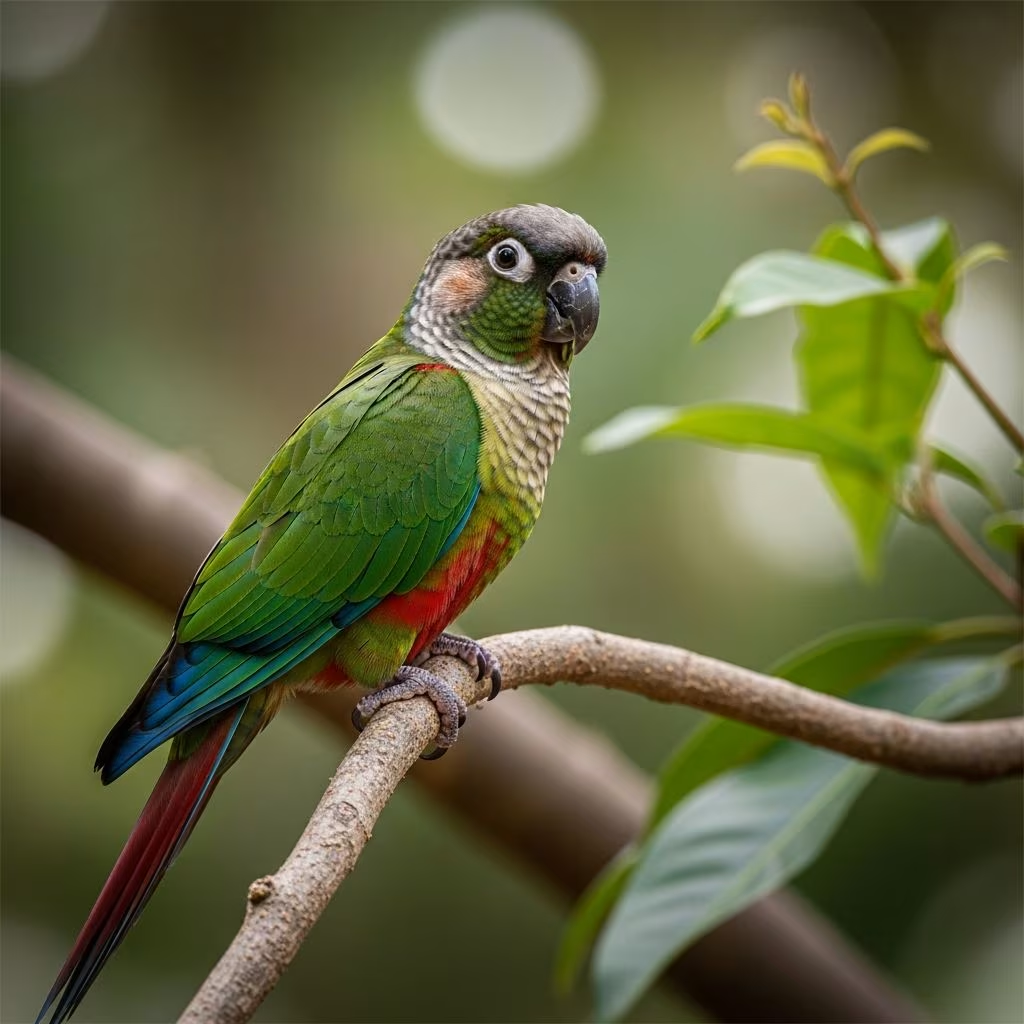
Green-cheeked conures are among the most popular small parrot species kept as pets, prized for their vibrant plumage, playful personalities, and relatively manageable size compared to larger parrot species. These intelligent and social birds have captivated bird enthusiasts for decades, but prospective and current owners often discover that successful conure ownership requires more knowledge and commitment than initially anticipated. Understanding the essential aspects of green-cheeked conure care ensures these charming companions receive the appropriate environment, nutrition, and attention they need to thrive throughout their lives.
Whether you are considering adopting your first green-cheeked conure or expanding your avian family, this comprehensive guide covers five critical things you need to know about these remarkable birds. From proper housing and dietary requirements to understanding their social nature and health considerations, each of these fundamental aspects plays a crucial role in your bird’s overall wellbeing and quality of life.
1. Housing Requirements Are More Extensive Than You Might Think
One of the most common misconceptions about green-cheeked conures is that they can thrive in small cages. In reality, providing appropriate housing is one of the most critical aspects of responsible conure ownership. These intelligent and active birds require substantial living spaces to express natural behaviors, maintain physical fitness, and support their psychological wellbeing.
Minimum Cage Dimensions
For a single green-cheeked conure, the minimum recommended cage size is 24 inches wide by 24 inches deep by 30 inches high. However, many experienced conure owners and avian specialists recommend larger enclosures when possible, particularly if your bird will spend extended periods in the cage. Some experts suggest that a cage measuring 35 inches by 20 inches by 35 inches provides more comfortable accommodations for a single bird.
The additional space allows your conure to spread their wings, climb, play, and engage in natural foraging behaviors without feeling confined. Larger cages also make it easier to incorporate multiple perches and toys at varying heights, which encourages exercise and mental stimulation.
Cage Quality and Construction
The quality of the cage materials is just as important as the dimensions. Cages must be constructed with bars thick enough to withstand the powerful beaks of these determined chewers. The cage should be powder-coated with a finish that resists chewing and doesn’t contain toxic materials. Avoid cages with galvanized zinc coating, as zinc can be harmful to birds.
Wire gauge is another important consideration. Small-to-medium gauge wire is recommended, ensuring that spacing between bars is appropriate so your conure cannot get their head or body parts stuck. Bar spacing should be no wider than 0.5 inches to prevent escape or injury.
Essential Cage Accessories
Beyond the basic structure, your conure’s cage should include essential equipment and accessories:
– Natural perches of varying lengths, shapes, and thicknesses made from eucalyptus, gum, grevillea, or other bird-safe branches- Water and food bowls designed for easy cleaning and refilling- Cement or concrete perches for natural nail maintenance- Foraging toys that encourage natural behaviors- Colorful toys and puzzle toys for mental enrichment- Ladders and climbing structures- A cage cover for sleep time and security- A play stand positioned nearby for out-of-cage time
Cleaning and Maintenance
Green-cheeked conures can be messy creatures, particularly since they enjoy bathing and foraging. Daily spot-cleaning is essential to maintain a hygienic environment. Many experts recommend using wood chips as substrate on the cage floor, which allows birds to forage naturally while making it easy to spot-clean soiled areas with a paper towel. Complete cage cleaning should be performed at least once every two weeks, with water bowls washed daily.
When cleaning the cage, use only cleaning products specifically formulated for pet birds. Bird respiratory systems are extremely sensitive to aerosolized fumes from conventional cleaners, which can cause serious health problems.
2. Diet Must Be Balanced and Carefully Monitored
Proper nutrition is fundamental to maintaining your green-cheeked conure’s health, energy levels, and vibrant feathering. A well-balanced diet prevents nutritional deficiencies that can lead to behavioral problems, feather plucking, and serious health conditions.
Primary Diet Components
A healthy green-cheeked conure diet should consist of:
High-quality pellets: South American or conure-specific pellets should form the foundation of your bird’s diet, providing balanced nutrients, vitamins, and minerals. Feed approximately 1/4 cup (60 milliliters) of pellets daily.Fresh fruits and vegetables: Offer fresh produce every other day to provide additional vitamins, fiber, and variety. Excellent choices include apples (without seeds), carrots, beans, peas, corn, broccoli, and spinach.Seed mix: A conure seed mix can be offered, but should not replace pellet consumption. Seeds are high in fat and should be considered supplementary to the primary pellet-based diet. Conure seed should be checked and changed daily to prevent spoilage.
Foods to Avoid
Certain foods are toxic to conures and must be strictly avoided:
– Chocolate and chocolate-containing products- Caffeine and caffeinated beverages- Alcohol- Avocado- Apple seeds and pits- Lettuce (lacks nutritional value)- Fatty or salty human foods- Anything moldy or spoiled
Supplements and Treats
Vitamin supplements such as Soluvite D or Multivet can be added to your conure’s water two to three times weekly. Calcium and iodine can be provided through cuttlebone and iodine bells. Treats should be offered in moderation and include options like:
– Nutriberries- Dried fruits (pineapple, papaya, banana chips)- Dried nuts and seeds (sunflower seeds, pine nuts)- Dried herbs and flowers
Water and Food Management
Fresh, clean water must be available at all times and should be changed daily—ideally twice daily, as conures enjoy dipping dry foods in water and sometimes defecate in their water bowls. Remove uneaten fresh fruits and vegetables after 10 hours to prevent bacterial and fungal growth that can cause illness.
When transitioning to a new diet or seed mix, introduce changes gradually over several weeks rather than making abrupt switches, which can stress your bird and potentially cause illness.
3. They Are Highly Social and Require Significant Attention
Green-cheeked conures are inherently social creatures that form strong bonds with their flock mates—whether those are other birds or human family members. Understanding and meeting their social needs is essential for preventing behavioral problems and ensuring psychological wellbeing.
Social Nature and Bonding
These birds thrive on interaction and attention from their human companions. They can be outgoing and comical, though some individuals may be somewhat shy compared to other conure species. Green-cheeked conures benefit tremendously from spending substantial time outside their cages in a communal area where they can observe and interact with family members.
As intelligent parrots with well-developed cognitive abilities, they require mental stimulation and social engagement to maintain psychological health. A lonely or neglected conure may develop behavioral problems including excessive screaming, feather plucking, and aggression.
Taming and Training Tips
Taming a green-cheeked conure takes patience, consistency, and an understanding of individual personality variations. Effective taming strategies include:
– Position the bird in a communal area of your home where they can have frequent contact with family members- Conduct taming sessions in short bursts of 10-15 minutes, repeating sessions frequently throughout the day- Move slowly and calmly during interactions; avoid jerky movements that startle the bird- Allow your conure to move at their own pace and participate willingly rather than forcing interaction- Establish a comfortable zone and work within that space- Build trust by letting the bird initiate contact and activities on their own terms- Use positive reinforcement with favorite treats and toys
Noise Level Considerations
Prospective owners should be aware that green-cheeked conures can be quite vocal and energetic birds. They communicate through vocalizations and may screech, chirp, and make loud calls throughout the day, particularly during dawn and dusk hours. This natural behavior requires that owners accept and accommodate their birds’ vocal nature or consider whether a quieter species might be more suitable for their living situation.
4. Lifespan and Long-Term Commitment
Green-cheeked conures are not impulse purchases or temporary pets. These birds can live 25 years or more with proper care, making them a significant long-term commitment that may span several decades. This extended lifespan means you could be caring for your conure through multiple phases of your own life.
Planning for the Long Term
Before acquiring a green-cheeked conure, consider whether you are prepared for this long-term commitment. Life changes such as relocations, career changes, relationship transitions, or health issues may affect your ability to care for your bird. Having a succession plan in place—such as identifying a trusted person who would care for your bird if something happened to you—is responsible pet ownership.
Health Care Throughout Their Lives
As your conure ages, their needs may change. Regular veterinary check-ups with an avian veterinarian are essential throughout their lives to monitor health, manage any emerging conditions, and ensure continued wellbeing. Preventive health measures, including routine worming every three months with a broad-spectrum bird wormer, help prevent parasitic infections.
5. Health, Grooming, and Specialized Care
Maintaining your green-cheeked conure’s health and appearance requires regular grooming, preventive care, and attention to their physical needs.
Bathing and Hygiene
Regular bathing is important for feather health and overall hygiene. Birds should be gently misted with a spray bottle filled with room-temperature water, sprayed upward and over the bird to mimic natural rainfall. Never spray directly in the face. Additionally, birds should be offered access to a birdbath at least twice weekly to bathe themselves.
Some birds naturally enjoy bathing, while others may not bathe regularly. For birds that don’t self-bathe, gently misting a few times per week helps maintain feather condition.
Wing Clipping Considerations
Some owners choose to have their bird’s flight feathers clipped to prevent flying away and potential injury. Wing clipping involves carefully trimming the outermost flight feathers to limit flight capability while maintaining balance. This procedure must be performed by an avian veterinarian to avoid injury or improper clipping. Since feathers grow back within a few months, clipping must be repeated periodically if desired.
Preventive Health Measures
Beyond routine grooming, preventive health care includes:
– Quarterly worming with appropriate bird medication- Lice and mite prevention- Regular veterinary examinations with an avian specialist- Maintaining appropriate temperature and humidity levels- Ensuring adequate sleep (10-12 hours nightly)- Providing a stress-free environment
Frequently Asked Questions
Q: Are green-cheeked conures good for first-time bird owners?
A: Green-cheeked conures are considered intermediate-level birds for novice owners. While they are relatively easy to tame and care for compared to larger parrot species, they still require significant commitment, space, attention, and knowledge. First-time bird owners should thoroughly research their needs before acquiring one.
Q: How much time should I spend interacting with my conure daily?
A: Green-cheeked conures benefit from several hours of interaction and out-of-cage time daily. Regular taming sessions of 10-15 minutes multiple times per day are beneficial, and these birds should have access to communal spaces where they can observe and interact with family members regularly.
Q: Can green-cheeked conures live with other birds?
A: While some conures can cohabitate with other birds of similar size and temperament, they can be territorial and aggressive. If housing multiple birds together, provide separate cages and supervised interactions. Consult with an avian specialist before attempting to house multiple conures together.
Q: What should I do if my conure is feather plucking?
A: Feather plucking can indicate nutritional deficiencies, stress, hormonal issues, parasites, or behavioral problems. Consult with an avian veterinarian to rule out medical causes, then address potential environmental or dietary factors such as inadequate sleep, stress, or improper diet.
Q: How do I know if my conure is healthy?
A: Healthy conures have bright eyes, smooth feathering, normal eating and drinking habits, regular activity levels, and clear nostrils. Any changes in behavior, appearance, appetite, or droppings warrant a veterinary evaluation with an avian specialist.
References
- How to look after a Green Cheek Conure — Kellyville Pets. Accessed 2025-11-28. https://www.kellyvillepets.com.au/pages/how-to-look-after-a-green-cheek-conure-kellyville-pets
- Green cheek conure care guide (In-depth) — Riverside Aviaries. Accessed 2025-11-28. https://riversideaviaries.co.uk/green-cheek-conure-care-guide-in-depth/
- Small Conure Care Sheet — PetMD. Accessed 2025-11-28. https://www.petmd.com/bird/small-conure-care-sheet
- Green-Cheeked Conure Personality, Food & Care — Lafeber Company. Accessed 2025-11-28. https://lafeber.com/pet-birds/species/green-cheeked-conure/
- CONURES CARE SHEET — PET NATION. Accessed 2025-11-28. https://petnation.org/212/CONURES-CARE-SHEET/



