

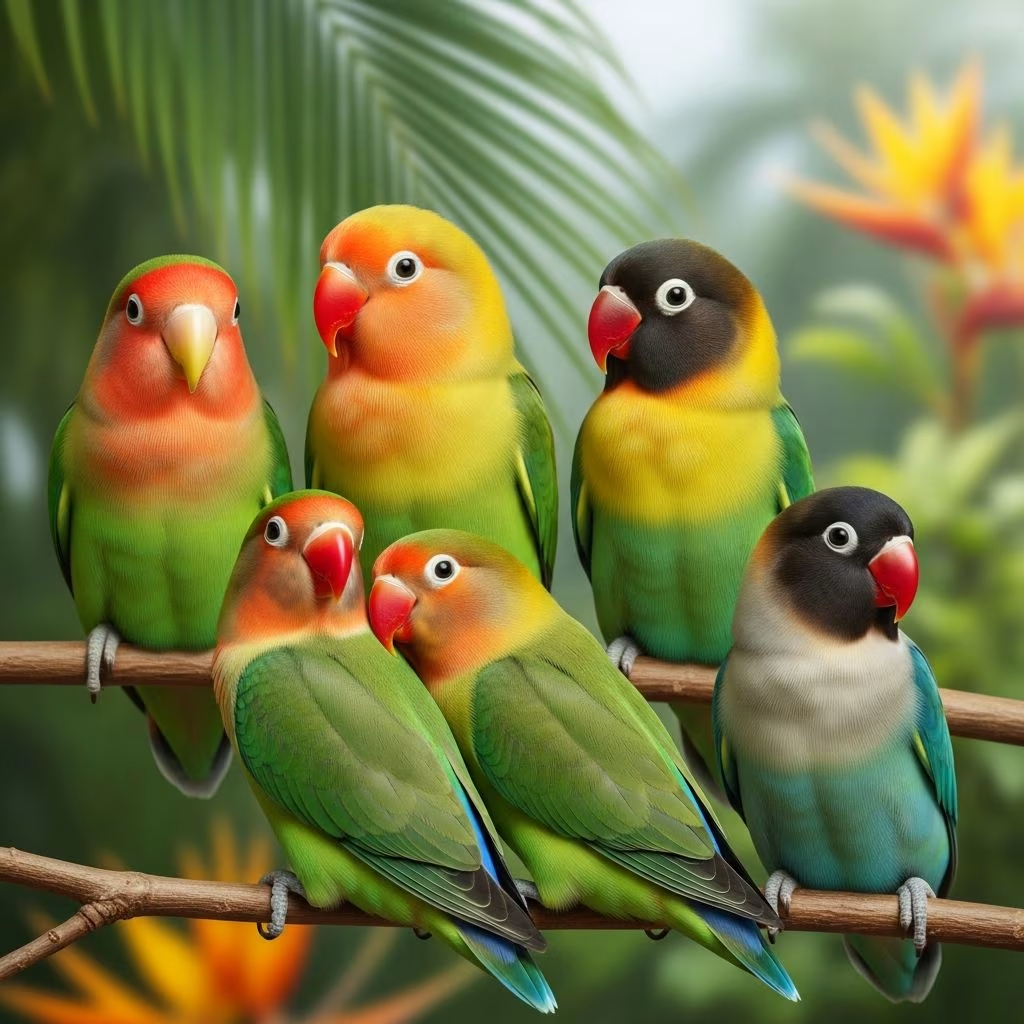
Lovebirds are small, vibrant parrots that make wonderful companions for pet owners who understand their unique needs. These colorful birds are known for their playful personalities, social nature, and affectionate behavior toward their mates and human caregivers. However, owning a lovebird requires commitment, knowledge, and proper preparation to ensure these delightful creatures thrive in captivity. Whether you’re considering adding a lovebird to your family or you’ve recently welcomed one into your home, understanding the fundamental aspects of lovebird care is essential. This comprehensive guide covers five crucial things every lovebird owner should know to provide exceptional care and create a nurturing environment for these charming avian companions.
1. Housing Requirements: Creating the Perfect Home
One of the most important aspects of lovebird care is providing appropriate housing that allows your bird to move, exercise, and feel secure. Many first-time bird owners underestimate the space requirements their feathered companions need to maintain physical and mental health.
Cage Size and Setup
The minimum cage size recommended for a pair of lovebirds is 32 inches long by 20 inches wide by 20 inches tall, though larger enclosures are always better. A spacious cage prevents lovebirds from developing neurotic behaviors and self-mutilating habits that can result from prolonged confinement in inadequate housing. Your cage should include approximately four perches positioned at varying heights to encourage natural climbing and exercise. Perches should be made from natural wood or branches to provide proper foot exercise and help maintain beak health through natural wear.
Essential Cage Accessories
Beyond the basic structure, your lovebird’s cage should contain several important components. Include sturdy food and water dishes made from earthenware or porcelain, as lovebirds will actively chew plastic dishes, which can be hazardous to their health. Place a shallow bath dish or bird bath in the cage, as most lovebirds enjoy regular bathing. Add nest boxes positioned up high at the same level to help prevent territorial disputes. A proper nest box measures approximately 8 inches by 8 inches by 8 inches, providing a safe retreat for your birds.
Nighttime and Environmental Considerations
Cover your lovebird’s cage at night to prevent drafts, disturbances, and to establish a regular sleep schedule, which is crucial for their wellbeing. Lovebirds require approximately 10 to 12 hours of sleep daily to maintain optimal health. Ensure the cage is positioned away from direct sunlight for extended periods, kitchen fumes, smoke, and temperature fluctuations. Maintain a consistent room temperature between 65 and 75 degrees Fahrenheit, as lovebirds are sensitive to extreme temperature changes.
2. Nutrition: Feeding Your Lovebird Properly
Proper nutrition forms the foundation of good health for your lovebird. Many new owners make the mistake of feeding seeds exclusively, not realizing that a balanced diet requires variety and specific nutrient profiles.
Daily Caloric Intake
A single lovebird requires approximately 1.5 to 2 ounces (45 to 60 grams) of food daily. This amount may vary based on individual metabolism, activity level, and overall health. Always monitor your bird’s weight and adjust portions accordingly, consulting with an avian veterinarian if you notice significant changes.
Formulated Diet Base
The best dietary foundation for lovebirds consists of high-quality formulated pellets that provide essential nutrients and prevent birds from selectively eating only their preferred items. Look for pellets that are free from artificial colors and preservatives. A quality pellet diet ensures your lovebird receives balanced nutrition without the guesswork associated with seed-based diets alone. Seeds should comprise less than 25 percent of your lovebird’s total dietary intake.
Fresh Produce and Supplements
Supplement formulated diets with a variety of fresh fruits and vegetables daily. Safe vegetable options include spinach, endive, watercress, chickweed, radish, parsley, dandelions, carrot tops, corn on the cob, and peas. For fruits, offer apples, grapes, pears, bananas, berries, and kiwi in moderation. Always wash produce thoroughly and remove any seeds or pits that may be harmful. Include fresh tree branches occasionally, as lovebirds enjoy stripping the bark, which also provides enrichment and natural fiber.
Protein, Calcium, and Special Supplements
Lovebirds require adequate protein for growth and tissue repair. Small amounts of cooked eggs, beans, and legumes provide excellent protein sources when offered in moderation. Calcium is particularly important for lovebirds, especially breeding females, to maintain bone health and support proper egg production. Provide a cuttlebone or mineral block permanently in the cage to ensure consistent calcium availability.
Hydration and Foods to Avoid
Lovebirds drink considerable amounts of water throughout the day, so fresh, clean water must be available constantly and changed multiple times daily. Ensure water dishes are cleaned regularly to prevent bacterial growth. Never offer your lovebird avocado, chocolate, caffeine, alcohol, or foods high in salt and sugar, as these substances can be toxic and potentially fatal.
3. Understanding Lovebird Behavior and Social Needs
Lovebirds earned their name not just from their appearance but from their deeply social nature and affectionate behavior. Understanding these behavioral characteristics is essential for successful pet ownership.
Social Interaction Requirements
Lovebirds thrive on interaction and companionship with their human caregivers and require daily quality time to maintain strong bonds. These birds are not pets that can be left alone in a cage without attention; they become stressed, bored, and may develop behavioral problems without regular interaction. Plan to spend at least one to two hours daily interacting with your lovebird through talking, gentle handling, and supervised out-of-cage playtime.
Natural Enrichment Activities
Lovebirds love to bathe and should be offered a shallow water dish or light misting with lukewarm water at least four times weekly. Bathing keeps their feathers clean, promotes skin health, and provides enjoyable entertainment. These birds are highly active and playful, requiring abundant toys to prevent boredom and satisfy their natural chewing instincts. Rotate toys regularly to maintain novelty and provide environmental enrichment. Household items like cardboard tubes from paper towel rolls, paper cups, and ink-free cardboard can serve as inexpensive enrichment toys that lovebirds enjoy destroying.
Playpen Safety and Supervision
Out-of-cage playtime is essential for exercise and mental stimulation; however, lovebirds will not remain on a playpen and actively explore their surroundings. Create a completely bird-safe room by securing open doors and windows, removing water containers like drinking glasses and toilets, and ensuring the bird stays away from hot stoves and cooking areas. Always monitor your lovebird during out-of-cage time to prevent accidents and injuries. These curious birds can find hazards that you might not anticipate.
4. Taming and Training Your Lovebird
Successfully taming a lovebird requires patience, consistency, and understanding that building trust is a gradual process. The approach differs significantly depending on whether your bird was hand-raised as a baby or acquired as an older bird.
Starting with Hand-Raised Birds
Hand-raised baby lovebirds typically make the best pets as they’ve been socialized from a young age; however, they still require regular handling and training to maintain their tame disposition. A hand-raised baby that hasn’t been handled regularly as it matures may become difficult to handle and require significant patience to re-tame.
Taming Process for Untamed Birds
Taming involves building acceptance and trust between you and your bird through consistent, gentle interaction. Begin by talking softly and making slow, deliberate movements around your lovebird’s cage. Once your bird appears comfortable with your presence, introduce hand-taming techniques. Use a smooth wooden dowel and gently push it against the bird’s chest while offering a favorite treat to coax your lovebird to step up onto the dowel. This process may require many repetitions over several weeks. Once your bird comfortably steps onto the dowel, gradually substitute your finger for the dowel, always using treats and positive reinforcement to encourage cooperation.
Building Long-Term Relationship
Successful taming requires daily, consistent effort and patience. Short, positive interactions are better than sporadic longer sessions. Never force your bird to interact if it shows signs of stress or fear, as this can damage the trust you’re building. With patience and dedication, even older, untamed lovebirds can become affectionate companions.
5. Health Maintenance and Veterinary Care
Maintaining your lovebird’s health requires attention to cleanliness, proper diet, and regular veterinary care. Preventative health measures are far easier and less expensive than treating illnesses after they develop.
Daily Cage Maintenance
Clean your lovebird’s food and water dishes daily, replacing food with fresh provisions and water multiple times throughout the day. Line the cage bottom with plain newspaper, which should be changed daily to prevent disease and illness. Wash and completely dry all perches and toys when they become soiled.
Weekly Deep Cleaning
Every week, clean and disinfect the entire cage using warm soapy water or an avian cage disinfectant to eliminate bacteria and parasites that could compromise your bird’s health. This weekly maintenance prevents the accumulation of waste, mold, and harmful pathogens that can cause respiratory infections and other illnesses.
Lifespan and Veterinary Visits
With proper care and a well-balanced diet, lovebirds typically live between 12 and 15 years or longer. Establish a relationship with an avian veterinarian before health problems arise. Schedule regular check-ups annually or when you notice changes in behavior, appetite, or appearance. Before offering any new foods or attempting home treatments, consult your veterinarian to ensure you’re making decisions based on professional guidance.
Common Mistakes to Avoid
Understanding common pitfalls helps new lovebird owners prevent unnecessary mistakes. Many beginning owners provide inadequate cage sizes, feed inappropriate diets heavy in seeds, fail to provide sufficient enrichment, and don’t dedicate enough time to social interaction. Others overlook the importance of proper cage cleaning, use unsafe cage materials, and fail to establish veterinary care early. By recognizing these common mistakes, you can provide superior care from the start.
Frequently Asked Questions
Q: Can lovebirds live alone, or do they need a mate?
A: Lovebirds can live alone if given proper human interaction and enrichment, but many thrive best in pairs. Single lovebirds require substantial daily attention to prevent behavioral problems.
Q: How often should I change my lovebird’s water?
A: Change your lovebird’s water at least two to three times daily, more frequently during warm weather or if the water appears contaminated. Fresh, clean water is essential for health.
Q: What’s the best age to adopt a lovebird?
A: Hand-raised babies aged 8 to 12 weeks old make excellent pets for first-time owners, as they’re already socialized and easier to tame. Older birds can also bond with patient owners.
Q: How can I tell if my lovebird is healthy?
A: Healthy lovebirds have clear, bright eyes, smooth feathers, alert behavior, consistent appetite, and normal droppings. Any changes warrant a veterinary visit.
Q: Are lovebirds loud pets?
A: Lovebirds can be vocal, especially during early morning and evening hours. They’re not ideal for noise-sensitive environments but are quieter than larger parrot species.
References
- Bird Care Guide: Lovebirds — MSPCA-Angell. Retrieved 2025-11-28. https://www.mspca.org/pet_resources/bird-care-guide-lovebirds/
- Lovebird Personality, Food & Care – Pet Birds — Lafeber Co. Retrieved 2025-11-28. https://lafeber.com/pet-birds/species/lovebird/
- Our Complete Guide To Lovebirds As Pets — Westfield Vet Hospital. Retrieved 2025-11-28. https://westfieldvethospital.com/blog/lovebirds/



