

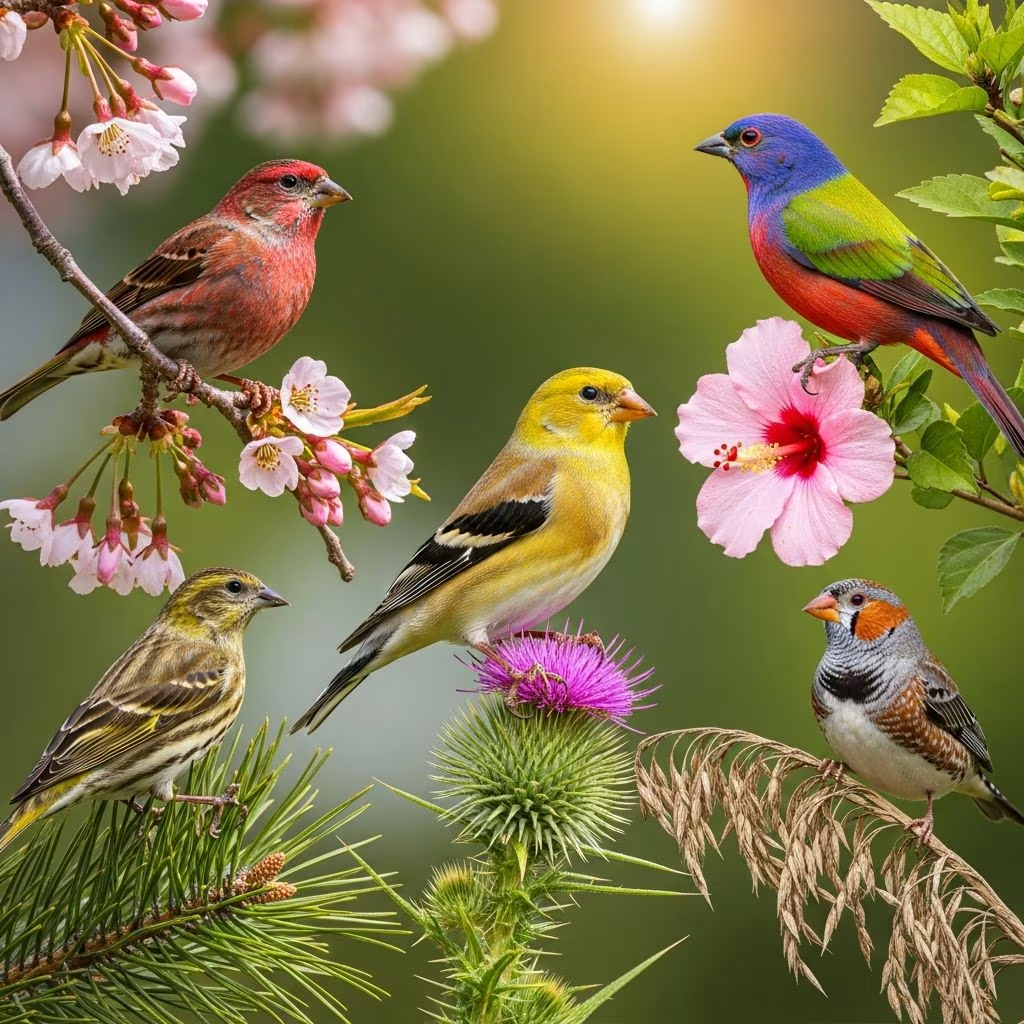
Finches are delightful, energetic little birds that bring joy and entertainment to countless households. However, caring for these tiny creatures requires knowledge about their specific needs and behaviors. Whether you’re a first-time finch owner or looking to improve your current care routine, understanding five critical aspects of finch ownership will set you on the path to providing excellent care for your feathered companions. Let’s explore what every finch owner should know to ensure their birds thrive.
1. Housing and Habitat Requirements
One of the most important things you need to know about finches is that they require appropriate housing to stay healthy and happy. Finches are highly active birds that spend most of their time flying and playing within their enclosure, so cage size and design are absolutely critical.
Cage Size and Configuration
Finches need significantly more space than many people realize. For a pair of finches, the minimum recommended cage size is 24 inches long by 14 inches wide by 18 inches high. However, larger is always better. It is advisable to purchase the largest size cage that you can afford and that will fit in your household. A horizontal cage design is essential because finches need horizontal space for flight rather than vertical height. Unlike perches that allow vertical climbing, the horizontal layout allows finches to use their wings and maintain the flight capabilities they need for exercise and mental stimulation.
Finches should remain fully flighted and should not have their wings’ flight feathers clipped. Their ability to fly is essential to their physical health, mental well-being, and natural behaviors. Clipping their wings restricts their exercise and can lead to behavioral problems and health issues.
Environmental Conditions
The location of your finch cage matters tremendously. Place the cage in a warm room away from drafts, windows, and direct sunlight, as direct sunlight can cause overheating. Avoid areas near heat or air conditioning ducts that create temperature fluctuations. Finches are sensitive to strong odors and smoke, so keep the cage away from the kitchen and any areas where smoking occurs. Provide a quiet, stress-free environment free from predatory pets like cats and excessive human activity.
Cover the enclosure at night to help your birds feel safe and secure. This practice also signals to your finches that it’s time to sleep, promoting healthy sleep patterns. Maintain consistent lighting patterns, and consider full spectrum lighting if you want to help control molting and breeding behavior, though this isn’t strictly necessary for average pet finches.
Cage Accessories and Enrichment
Finches are intelligent birds that need mental stimulation to stay healthy and prevent behavioral problems. Include at least three toys and rotate them regularly to keep your finches interested and engaged. Use puzzles, chewable toys, and foraging items to support mental health. A shallow birdbath should be provided several times a week, and the water should be clean and removed as soon as it becomes soiled. Alternatively, gently mist your birds with warm water two to three times a week if they don’t bathe themselves regularly.
The bottom of the habitat should have a removable metal grate so droppings can fall below the bird’s feet. Layer the bottom with appropriate habitat paper or other paper-based bedding and replace as needed. Include a variety of perches in different sizes and materials, as this promotes foot health and provides natural grip variation. Many finch owners include wicker nests and nesting materials, hay balls, and Timothy hay to encourage natural foraging behaviors.
2. Proper Nutrition and Feeding
Understanding finch nutrition is absolutely essential because their metabolism is very active, and starvation can occur in as little as 24 hours. Food must be available at all times, and water should never be depleted.
Daily Diet Components
A balanced diet forms the foundation of finch health. The primary source of nutrition should be a high-quality pellet-seed blend formulated specifically for finches. Keep the food bowl about three-quarters full so your finch can eat freely throughout the day. Remove old food and refill with fresh food daily to prevent spoilage and bacterial contamination.
Fresh vegetables and fruits should be offered every other day to provide variety and essential nutrients. Include leafy greens, fruits, and grains to create a well-rounded, interesting diet. This variety helps prevent boredom and ensures your finches receive a complete spectrum of vitamins and minerals.
Protein sources are important, particularly during breeding season. Egg food mix or mashed boiled eggs can be provided several times a week, but non-breeding birds shouldn’t need more than two to three offerings per week to avoid overloading them with protein. High-protein foods such as corn, broccoli, and kale are excellent choices.
Supplements and Treats
Cuttlebones are an excellent way to supplement calcium and other trace minerals in your bird’s diet. Calcium is a vital nutrient that helps keep birds’ bones, beaks, nails, and feathers strong and healthy. A cuttlebone holder can help keep the cuttlebone in place and prevent debris from falling outside the cage. Supplemental powdered vitamins can also be provided as recommended by your avian veterinarian.
Treats should be offered sparingly. Honey sticks or millet spray can be offered once or twice a month to prevent obesity. Many seeds, particularly oily seeds like millet, are calorie-dense and should be limited. When treating your finches, always prioritize their nutritional balance over taste preferences.
Water and Hydration
Provide clean, fresh water at all times using either a water bowl or a bird water bottle. Water dishes should be large enough for finches to bathe in and must be washed and rinsed thoroughly each day to prevent bacterial growth. Food and drink containers are havens for bacteria, so cleaning them thoroughly and often is non-negotiable. Because finches have very active metabolisms, proper hydration is just as critical as nutrition.
3. Social Behavior and Companionship
Finches are fundamentally different from many other pet birds in their social nature and interaction preferences. Understanding their social behaviors is crucial for creating a harmonious household.
Flock Dynamics
Finches are flock animals and thrive when housed with other finches. Unlike many bird species, finches genuinely prefer the company of their own kind. Multiple finches in the same cage engage in natural social behaviors, play together, and provide companionship for one another. However, do not house finches with parrots, as parrots can injure finches due to their size and power.
If you’re housing pairs of finches together, be prepared for possible offspring, especially if the finches are provided with a nest (small wicker-basket) and nesting material. Before housing more than one finch, introductions should be done slowly in neutral territory and under close supervision to ensure compatibility. Monitor your birds for aggressive behavior and separate them if they fight.
It’s important to note that canaries are the only commonly available pet finch that can be kept alone in a cage. All other finch species benefit from having companions.
Interaction With Humans
Finches don’t talk and are generally hands-off birds. They do not crave intensive social interaction with humans the way some larger bird species do. However, finches delight their owners with their aerial antics and social interactions with one another. Many finch owners find tremendous joy in observing their birds’ natural behaviors, watching them play together, and seeing their personalities shine through their activities. Your role as an owner is to provide a healthy environment where they can express these natural behaviors rather than expecting them to seek physical interaction with you.
4. Health Monitoring and Maintenance
Maintaining your finch’s health requires diligent hygiene practices and regular health checks. A clean environment is fundamental to preventing illness and disease.
Cleaning and Sanitation
Spot-clean your finch habitat daily, removing any soiled material and discarded food. Daily spot cleaning usually consists of removing droppings, old food, and any soiled bedding from high-traffic areas. Water and food bowls must be washed and rinsed thoroughly each day to prevent bacterial growth.
Perform a deep clean weekly or bi-weekly. To clean a finch’s habitat properly, move your finch to a secure environment in a separate space. Remove all old substrate, bedding, and accessories. Use a bird habitat cleaner or a 3% bleach solution to wash the habitat and accessories thoroughly. Rinse everything completely with water, making sure to remove any trace amounts of cleaning agent or bleach solution, as birds’ respiratory systems are sensitive to aerosolized fumes. Allow the habitat and its contents to dry completely before returning clean accessories and new bedding to the habitat.
Substrate and bedding should be replaced at least once a week, or more often if needed. Use only cleaning agents formulated for pets, as birds’ respiratory systems are extremely sensitive to harsh chemicals.
Regular Health Checks
Perform quick health checks regularly to catch potential problems early. Check that your bird’s eyes are bright and free from any discharge or partial closure. Inspect feathers for any breakages or cysts. Look over the vents and ensure they’re clean and not soiled. Check for overgrown beaks and nails. Monitor for overgrown beaks and nails that may require professional trimming. These quick assessments help ensure your bird maintains optimal condition.
Nail clippers and styptic powder should be kept on hand for grooming needs. If you’re uncomfortable trimming nails yourself, consult an avian veterinarian.
Bathing and Grooming
Finches enjoy taking baths whenever water is present. A shallow dish of water should be provided several times a week. Finches that don’t regularly bathe themselves can be groomed by gently misting them with lukewarm water from a clean spray bottle a few times a week. Bathing is essential for maintaining healthy feathers and skin.
5. Environmental Enrichment and Mental Stimulation
Finches are active, intelligent birds that require mental stimulation and environmental enrichment to thrive. Boredom can lead to behavioral problems, stress, and health issues.
Toys and Play
Include a variety of toys in your finch’s habitat and rotate them regularly to maintain interest and novelty. Puzzle toys, chewable toys, and foraging items are particularly valuable for mental enrichment. Many finches enjoy swings, bells, and mirrors. Rotate toys every few weeks to keep the environment fresh and engaging.
Foraging Opportunities
Encourage natural foraging by placing a hay ball in the cage. Finches love to floor forage for seeds and other morsels. Scattering some seeds on the bottom of the cage (in addition to the food bowl) allows your finches to engage in this natural behavior. This mental stimulation helps prevent boredom and keeps your birds engaged and active.
Flight Space
Perhaps the most important form of enrichment is adequate horizontal flight space. Finches need room to fly and exercise their wings. The ability to fly freely is both physical exercise and mental stimulation combined. A spacious, well-designed cage or aviary with horizontal space allows your finches to engage in natural flying behaviors throughout the day.
Frequently Asked Questions
Q: What’s the minimum cage size for finches?
A: For a pair of finches, the minimum recommended size is 24 inches long by 14 inches wide by 18 inches high, though larger is always better. The cage should be horizontal rather than vertical to allow for proper flight.
Q: Can finches be kept alone?
A: Most finch species thrive in groups. Only canaries can typically be kept alone in a cage. Other finch species benefit from having companions and are generally happier with other finches.
Q: How often should I clean my finch’s cage?
A: Spot-clean daily by removing soiled material and old food. Deep clean the entire cage weekly or bi-weekly, and replace substrate and bedding at least once a week or more frequently if needed.
Q: What should finches eat?
A: Finches need a high-quality pellet-seed blend as their primary diet, supplemented with fresh vegetables and fruits every other day. Offer treats like millet spray sparingly, and provide a cuttlebone for calcium and minerals.
Q: How often should I bathe my finches?
A: Provide a shallow birdbath several times a week, or mist your finches with lukewarm water two to three times a week if they don’t bathe themselves regularly.
Q: Do finches need their wings clipped?
A: No, finches should remain fully flighted. Clipping their wings restricts exercise and can lead to health and behavioral problems. Full flight is essential for their well-being.
Q: How can I tell if my finch is healthy?
A: Healthy finches have bright, clear eyes with no discharge, smooth feathers with no breakages, clean vents, and normal-length beaks and nails. Regular health checks help catch problems early.
References
- Finch Care Guide — PetSmart. Accessed 2025. https://www.petsmart.com/learning-center/bird-care/finch-care-guide
- Finch Bird Care Sheet — PetMD. Accessed 2025. https://www.petmd.com/bird/finch-care-sheet
- Our Complete Guide To Zebra Finches — Westfield Vet Hospital. Accessed 2025. https://westfieldvethospital.com/blog/zebra-finches/
- Finch Personality, Food & Care — Pet Birds by Lafeber Co. Accessed 2025. https://lafeber.com/pet-birds/species/finch/
- Keeping Pet Finches — Omlet UK. Accessed 2025. https://www.omlet.co.uk/guide/finches_and_canaries/keeping_pet_finches/
- Finch Care — Animal Humane Society. Accessed 2025. https://www.animalhumanesociety.org/resource/finch-care



