5 Things You Must Know About Cockatiel Care
Master essential cockatiel care: housing, diet, health, socialization, and daily routines.
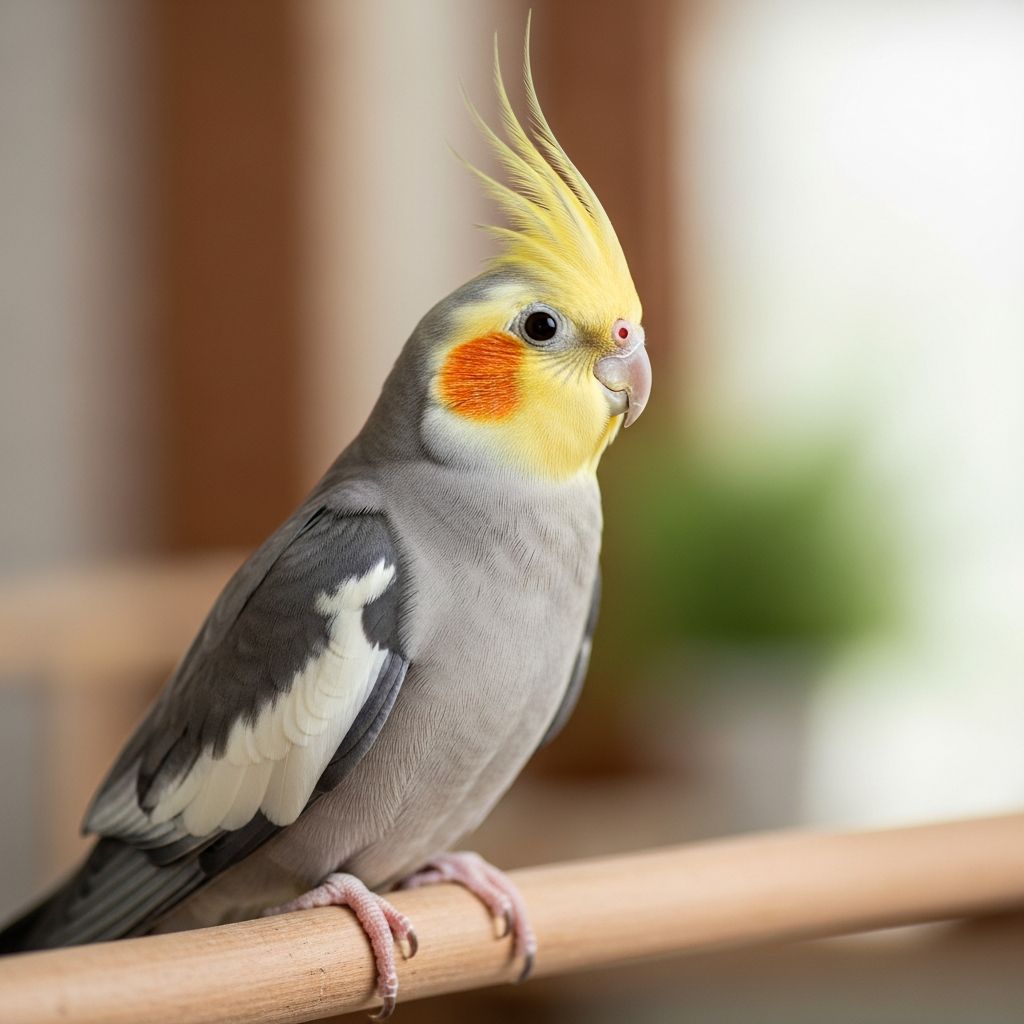
Bringing a cockatiel into your home is an exciting decision that comes with significant responsibility. These charming, affectionate birds can live 15-25 years or even longer with proper care, making them long-term companions. To ensure your cockatiel thrives, it’s essential to understand the fundamental aspects of their care. Whether you’re a first-time bird owner or considering adding a cockatiel to your family, knowing these five critical elements will set you and your feathered friend up for success.
1. Proper Housing and Habitat Setup
The foundation of good cockatiel care begins with providing an appropriate living space. Your cockatiel’s cage is their home, sanctuary, and play area, so getting this right is crucial for their physical and mental well-being.
Cage Size and Requirements
Cockatiels are medium-sized birds that require adequate space to move, stretch their wings, and exercise. A minimum cage size of 24 inches long by 24 inches wide by 24 inches high is recommended, though larger is always better. The cage should have multiple horizontal bars for climbing and be constructed from bird-safe materials that won’t harm your pet if chewed.
Essential Cage Accessories
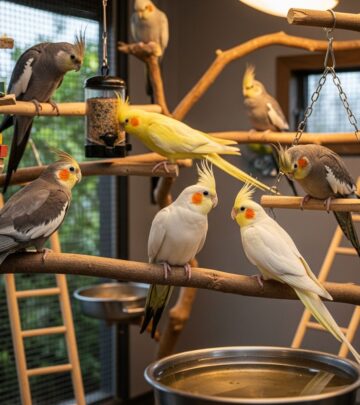
A well-equipped cage promotes physical exercise and mental stimulation. Include:
- Multiple perches of varying diameters and textures to support foot health and exercise
- At least two perches at different heights to accommodate natural perching behavior
- A ladder perch for climbing and additional activity
- A cuttlebone to support beak and bone health
- A T-stand or playpen for out-of-cage supervised play
- Appropriate substrate or cage liner for easy cleaning
Toys and Mental Stimulation
Cockatiels are intelligent and curious birds that require mental engagement to prevent boredom and destructive behaviors like feather plucking. Provide at least three toys to encourage activity, and rotate them regularly to maintain interest. Include puzzles, chewables, and foraging items that support natural behaviors. When toys show signs of wear and tear, replace them promptly to prevent injury to your bird.
Placement and Environmental Considerations
Position the cage in a quiet, safe area away from drafts, direct sunlight, and extreme temperature fluctuations. Avoid placing perches directly above food or water bowls to prevent contamination. Keep the cage away from kitchen areas where cooking fumes and non-stick cookware can release harmful toxins. Ensure your cockatiel has a safe space to observe their surroundings without feeling threatened.
2. Nutrition and Proper Feeding
A balanced diet is fundamental to your cockatiel’s health, growth, and longevity. Understanding proper nutrition ensures your bird receives all necessary vitamins, minerals, and nutrients.
Primary Diet: Quality Pellets
Approximately 80% of your cockatiel’s daily diet should consist of commercially prepared pelleted food specifically formulated for cockatiels. Pellets are specially designed to provide balanced nutrition and all the essential vitamins and minerals your bird needs. Keep the food bowl about three-quarters full so your cockatiel can eat whenever they’re hungry. Remove old food daily and replace it with fresh pellets to prevent spoilage and nutritional degradation.
Fresh Fruits and Vegetables
Supplement your cockatiel’s diet with fresh, healthy plant-based foods offered every other day. Safe options include:
- Leafy green vegetables: romaine lettuce, dandelion greens
- Vegetables: carrot sticks, broccoli
- Fruits: apples, pears, oranges (with peel)
- Grains and other healthy additions
Treats and Supplements
Treats like spray millet can enhance your cockatiel’s diet and provide enrichment, but they should not exceed 10% of their daily caloric intake. Avoid watery vegetables like parsley, and never share food from your mouth or plate with your cockatiel.
Foods to Avoid
Certain foods are toxic to birds and should never be offered. These include:
- Avocados
- Chocolate
- Raw onions
- Raw meat and raw chicken
- Moldy foods
- Alcohol
- Caffeine
Fresh Water Access
Cockatiels should always have access to fresh, clean water. Provide water in a bowl or bird water bottle, and change it daily. Ensure the water dish is large enough for your bird to bathe in, as water access serves both drinking and hygiene purposes.
3. Health Monitoring and Veterinary Care
Regular health monitoring and professional veterinary care are essential to catching health issues early and ensuring your cockatiel lives a long, healthy life.
Annual Veterinary Examinations
Cockatiels should be seen by an avian veterinarian at least once annually for comprehensive health examinations. During visits, bring a transport carrier or cage and pictures of your cockatiel’s cage and supplies at home. This information helps the veterinarian assess your bird’s living conditions and provide comprehensive care recommendations.
Signs of a Healthy Cockatiel
Know what a healthy cockatiel looks like so you can identify potential problems early:
- Clean, clear, bright eyes
- Clean nostrils with no discharge
- Symmetrical, intact beak without abnormal growth
- Intact, clean feathers with no bald spots
- Clean feet with strong and equal grip strength
- Clean vent/cloaca area
- Full, equal range of motion in wings
- Consistent, normal droppings
Nail and Beak Care
Nails should be trimmed on an as-needed basis, typically ranging from every few weeks to several months. Professional trimming by an avian veterinarian is recommended to prevent injury. If bleeding occurs during trimming, use styptic powder to quickly stop the bleeding. Most cockatiels won’t need beak trims if they have adequate opportunities for daily use, but underlying conditions like liver disease may require veterinary attention.
Wing Trimming Considerations
To prevent your cockatiel from flying away, ask your veterinarian to demonstrate proper primary feather trimming techniques. These feathers will grow back after molting, so they’ll need regular maintenance if you choose this safety measure.
4. Daily Cleaning and Maintenance
A clean living environment is essential to your cockatiel’s health and prevents disease and bacterial growth. Establish a consistent cleaning routine.
Daily Cleaning Tasks
Each day, perform these essential cleaning activities:
- Remove soiled materials and discarded food from the cage
- Wash food and water bowls thoroughly
- Change cage paper or liner
- Spot-clean the cage and accessories as needed
Weekly Deep Cleaning
Conduct more thorough cleaning 2-3 times per week or weekly:
- Replace substrate, bedding, and habitat liners
- Clean cage accessories and perches
- Wipe down cage surfaces
Monthly Comprehensive Cleaning
At least once monthly, perform a complete cage cleaning using bird-safe, non-toxic cleaning agents. This thorough cleaning removes accumulated dust, debris, and bacteria that regular cleaning might miss.
Bathing and Grooming
Bathing is crucial for your cockatiel’s feather health and overall hygiene. Offer a shallow birdbath or water dish for splashing and bathing 2-3 times weekly. Alternatively, gently mist your cockatiel with warm water from a clean spray bottle using lukewarm water. For birds that don’t regularly bathe themselves, gentle misting a few times per week helps maintain feather condition. Always keep your bird out of drafts while drying to prevent illness.
5. Socialization and Bonding
Cockatiels are naturally social, affectionate birds that thrive on interaction and companionship. Building a strong bond requires patience, consistency, and positive reinforcement.
Initial Adjustment Period
When you first bring your cockatiel home, give them time to adjust to their new environment. Place their cage in a quiet, safe spot where they can observe their surroundings without feeling threatened. Allow several days for your bird to become accustomed to new sights, sounds, and smells before attempting interaction.
Building Trust Through Proximity
Spend time sitting or standing near your cockatiel’s cage, talking softly and moving slowly to avoid startling them. This helps your bird associate your presence with safety and comfort. Gradually increase interaction time as your cockatiel shows signs of comfort.
Hand-Training and Step-Up
Begin training by offering treats through the cage bars using millet sprays, small fruit pieces, or their favorite seeds. Once your cockatiel is comfortable with this, open the cage door and offer treats with your hand inside, moving slowly and patiently. Encourage step-up training by gently guiding your cockatiel to step onto your finger or a perch while softly saying “step up,” rewarding them with treats and praise.
Daily Interaction
Spend time interacting with your cockatiel every day through talking, playing with toys together, and offering head scratches if they enjoy physical contact. Consistent, positive interactions strengthen your bond and contribute to your bird’s emotional well-being. Out-of-cage play time with supervision is essential for exercise and bonding.
Preventing Behavioral Problems
Regular socialization and mental stimulation reduce the risk of destructive behaviors and aggression. Providing engaging toys, varied perches, and daily interaction helps your cockatiel remain mentally stimulated and emotionally healthy.
Daily Care Routine Overview
| Time of Day | Care Tasks |
|---|---|
| Morning | Provide fresh food and water, assess overall health and behavior, spend quality interaction time |
| Throughout Day | Monitor cockatiel activity, ensure out-of-cage supervised play time, provide mental stimulation |
| Evening | Remove uneaten fresh food, spot-clean cage, provide evening interaction, establish bedtime routine |
| Weekly | Deep clean cage and accessories, replace substrate/bedding, offer bathing opportunities |
| Monthly | Comprehensive cage cleaning with bird-safe cleaner, assess all cage components for wear |
| Annually | Schedule veterinary check-up, evaluate overall health status and care routine |
Frequently Asked Questions
Q: How long do cockatiels typically live?
A: With proper care, cockatiels generally live 15-25 years, with some individuals living into their 30s. Longevity depends on genetics, diet, healthcare, and environmental conditions.
Q: Can I keep multiple cockatiels together?
A: Cockatiels can sometimes cohabitate, but they require significantly more space and careful introduction. When bringing a new bird into a home with existing birds, keep it separate until a veterinary exam confirms good health.
Q: What’s the best way to introduce my cockatiel to out-of-cage time?
A: Start in a safe, bird-proofed room free from hazards, predators, and escape routes. Use a T-stand or playpen to provide secure out-of-cage play areas. Always supervise closely and ensure your bird can safely return to its cage.
Q: How do I prevent feather plucking in my cockatiel?
A: Provide adequate mental stimulation through toys, regular rotation of enrichment items, daily social interaction, proper diet, and consistent veterinary care. Boredom, stress, and health issues are common causes of feather plucking.
Q: Are cockatiels good pets for families with children?
A: Cockatiels can be excellent family pets, but they require gentle handling and supervision. Teach children to interact calmly and respectfully with the bird, as cockatiels can be sensitive to sudden movements and loud noises.
Q: What temperature range is ideal for cockatiels?
A: Cockatiels thrive in temperatures between 65-80 degrees Fahrenheit. Avoid drafts and extreme temperature fluctuations, which can stress your bird and compromise immune function.
Q: How often should I replace toys in my cockatiel’s cage?
A: Rotate toys every few days to maintain interest and prevent boredom. Replace damaged or worn toys immediately to prevent injury. Aim to provide new toys periodically to keep your bird mentally engaged.
References
- Cockatiel Care Sheet — PetMD. Accessed November 2025. https://www.petmd.com/bird/cockatiel-care-sheet
- Cockatiel Care Guide — PetSmart Learning Center. Accessed November 2025. https://www.petsmart.com/learning-center/bird-care/cockatiel-care-guide/A0065.html
- A Guide to Understanding and Caring for Your Pet Cockatiel — myRightBird. Accessed November 2025. https://myrightbird.com/articles/a-guide-to-understanding-and-caring-for-your-pet-cockatiel
- Caring for Your Cockatiel — Pet Advocacy Network. January 2022. https://petadvocacy.org/wp-content/uploads/2022/01/Cockatiel-Care-Sheet.pdf
- Caring for Your Pet Cockatiel: A Complete Guide — BirdSupplies.com. Accessed November 2025. https://birdsupplies.com/blogs/news/cockatiels-as-pets-how-to-care-for-a-cockatiel
Similar Articles







Read full bio of Sneha Tete