

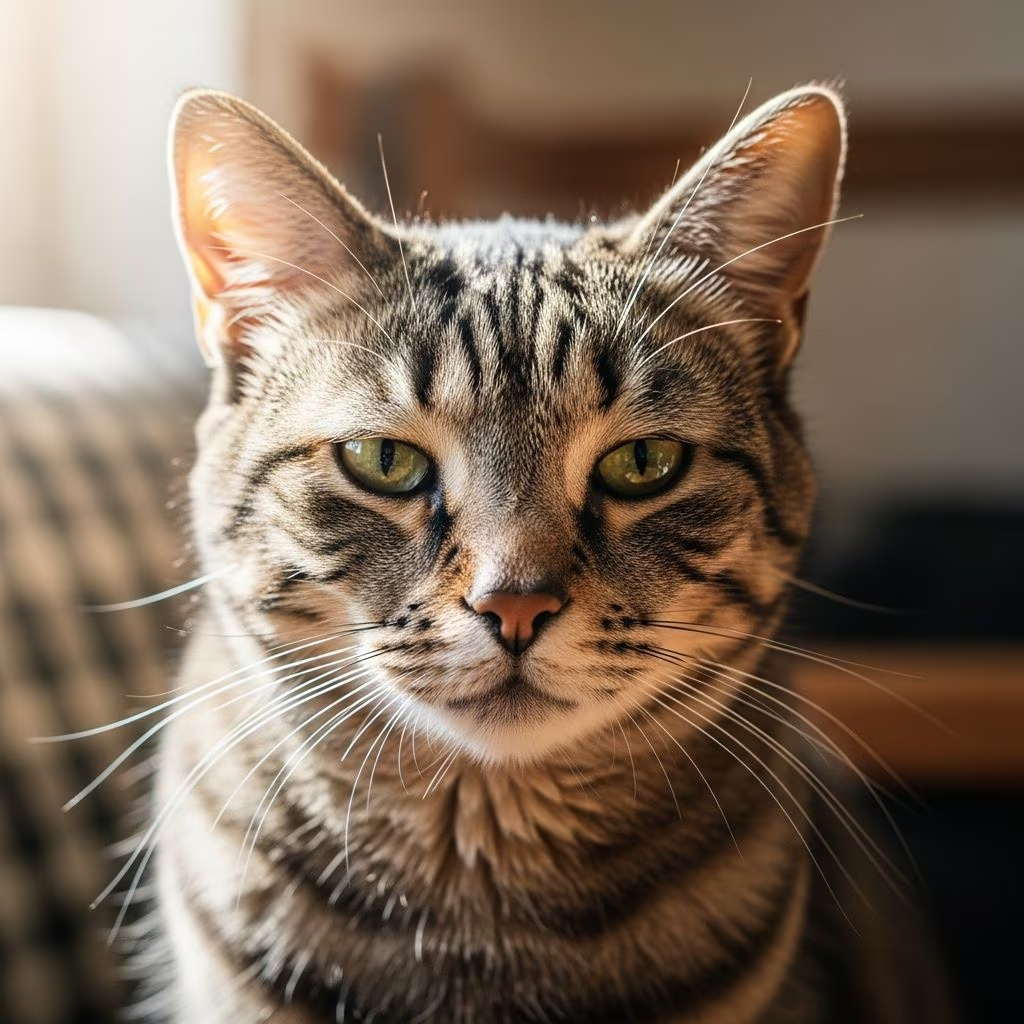
5 Signs You Need to Take Your Sick Cat to the Vet
Cats are known for their independence and their ability to hide discomfort, making it challenging for pet owners to recognize when their feline companions are unwell. Unlike dogs, who often display obvious signs of illness, cats tend to mask their symptoms until they become severe. Understanding the warning signs that indicate your cat needs veterinary attention is crucial for maintaining their health and preventing potentially life-threatening conditions. This comprehensive guide outlines five key indicators that your cat requires professional medical care.
Understanding Your Cat’s Natural Tendency to Hide Illness
Cats have evolved over thousands of years to conceal signs of illness and pain as a survival mechanism. In the wild, showing weakness makes them vulnerable to predators, so this instinct remains deeply embedded in their behavior even when they live safely in our homes. This means that by the time you notice something is wrong, your cat may already be quite sick. The American Veterinary Medical Association recommends twice-yearly wellness examinations for the average adult cat, as veterinarians can detect subtle health problems that might escape an owner’s notice. Early detection through regular checkups and careful observation can make the difference between a quick recovery and a serious medical emergency.
Sign #1: Changes in Eating and Drinking Habits
One of the most reliable indicators that something is amiss with your cat is a sudden change in their appetite or water consumption. Both decreased and increased appetite can signal underlying health issues that warrant veterinary investigation.
Decreased Appetite
When your cat suddenly stops eating or eats significantly less than usual, this is a clear warning sign that requires attention. A cat that refuses food for more than a day should be evaluated by a veterinarian, as prolonged appetite loss can lead to serious complications. Decreased appetite can indicate various conditions, including dental problems, gastrointestinal issues, infections, or more serious diseases like cancer or diabetes. Weight loss accompanying reduced appetite is particularly concerning and should prompt an immediate veterinary visit.
Increased Thirst and Urination
Conversely, if your cat is drinking significantly more water than usual and urinating more frequently, this could indicate conditions such as diabetes, kidney disease, or urinary tract infections. Increased thirst combined with increased appetite but weight loss is a classic sign of diabetes mellitus in cats. These changes might seem subtle at first, but monitoring your cat’s litter box habits and water bowl consumption can help you catch problems early.
What Cat Owners Should Do
Pay close attention to your cat’s normal eating and drinking patterns so you can quickly identify deviations. If your cat skips meals, shows disinterest in their favorite foods, or demonstrates significantly altered water consumption for more than a day, contact your veterinarian. Keep track of these changes and bring this information to your vet appointment, as it helps with diagnosis.
Sign #2: Vomiting and Diarrhea
While occasional vomiting or diarrhea can occur in healthy cats, frequent episodes or uncontrollable vomiting and diarrhea indicate a need for veterinary evaluation.
Understanding Occasional vs. Concerning Vomiting
Cats occasionally vomit hairballs or when they eat too quickly, and this is generally normal. However, vomiting that occurs frequently, or vomiting of unusual materials such as clear foamy fluid or bile-tinged material, is cause for alarm. Persistent vomiting can lead to severe dehydration and may indicate serious conditions such as poisoning, gastrointestinal blockages, foreign object ingestion, infections, or inflammatory bowel disease.
Diarrhea Concerns
Like vomiting, occasional soft stools can be normal, but persistent diarrhea requires veterinary attention. If your cat experiences diarrhea lasting more than a few days, or if it’s accompanied by other symptoms like lethargy or loss of appetite, schedule a vet visit. Chronic diarrhea can indicate parasites, food sensitivities, infections, or inflammatory conditions that need professional diagnosis and treatment.
Dehydration Risks
Both vomiting and diarrhea can rapidly lead to dehydration, which is particularly dangerous in cats. If your cat cannot keep food or water down, or experiences uncontrollable diarrhea, seek veterinary care immediately. Dehydration can quickly become life-threatening, especially in kittens and senior cats.
Sign #3: Changes in Litter Box Behavior
Your cat’s litter box habits provide valuable insights into their health status. Changes in urination or defecation patterns are important warning signs that should not be ignored.
Straining to Urinate or Defecate
If your cat is spending extended periods in the litter box, straining to urinate, or crying out in pain during bathroom visits, this indicates a potential urinary tract infection, bladder stones, or a urinary blockage. Urinary blockages in cats are medical emergencies that can be fatal if not treated promptly. Male cats are particularly susceptible to urinary blockages. Signs of urinary distress include straining in the litter box with little or no results, frequent attempts to urinate, and vocalization while urinating.
Changes in Elimination Patterns
Constipation or unusually hard, dry stools, especially if your cat appears to be in pain during elimination, warrant veterinary attention. Similarly, if your previously litter-trained cat begins eliminating outside the litter box, this could indicate either behavioral issues or underlying medical problems such as urinary tract infections or other health conditions.
Inappropriate Elimination Behavior
Sudden changes in elimination behavior, such as urinating or defecating outside the litter box despite having a clean box available, can signal illness or discomfort. While stress and behavioral issues can cause inappropriate elimination, medical conditions are equally likely culprits, making a veterinary evaluation essential.
Sign #4: Respiratory Issues and Discharge
Problems with breathing, coughing, sneezing, and discharge from the eyes or nose are significant indicators that your cat needs medical attention.
Difficulty Breathing
Respiratory distress is always a cause for concern in cats. If your cat is panting excessively, gasping for air, or showing signs of labored breathing, this requires immediate veterinary attention. Difficulty breathing could indicate respiratory infections, asthma, heart disease, or other serious conditions. Do not delay in seeking care if you notice breathing abnormalities, as respiratory emergencies can deteriorate quickly.
Persistent Coughing and Sneezing
While occasional coughing or sneezing is typically not alarming, persistent episodes warrant evaluation. Continuous coughing or sneezing, especially when accompanied by discharge from the eyes or nose, can indicate respiratory infections, allergies, or heart disease. If these symptoms persist for more than a few days or worsen, contact your veterinarian.
Discharge and Ocular Signs
Any discharge from the nose, eyes, or ears should be evaluated by a veterinarian. It is not normal for a healthy cat to have discharge from the nose, debris in the ears, excessive salivation, or unusual odor from any body part. Eye discharge that is green, yellow, or white, along with droopy eyelids, squinting, or dilated/constricted pupils, indicates eye problems that can result in blindness if left untreated. The elevated third eyelid, visible as extra tissue at the corner of the eye, often indicates illness.
Sign #5: Behavioral and Physical Changes
Beyond specific symptoms, significant changes in your cat’s overall behavior, appearance, and energy levels are important warning signs that something may be wrong.
Lethargy and Decreased Activity
Cats naturally sleep 12 to 16 hours daily, but if your cat is sleeping significantly more than usual or appears lethargic and unresponsive during their normal waking hours, this suggests illness. A cat that is unusually quiet, withdrawn, or less playful than normal may be experiencing discomfort or early-stage illness. Since you know your cat’s normal behavior best, any decrease in activity or interest in play should prompt closer observation.
Increased Vocalization and Personality Changes
If your normally quiet cat suddenly becomes vocal or your typically social cat becomes withdrawn and avoids interaction, these behavioral shifts can indicate underlying health issues. Changes in personality, such as a previously playful cat refusing to engage or a friendly cat becoming aggressive, warrant investigation. Pain and discomfort often trigger personality changes in cats.
Coat and Skin Changes
A cat’s coat condition reflects their overall health. Excessive shedding, bald patches, skin irritation, or a matted and unkempt appearance can indicate illness, parasites, allergies, or poor grooming due to pain or depression. Cats typically maintain meticulous grooming habits, so a disheveled coat or poor grooming behavior suggests something is amiss. Skin redness, hair loss, or wounds that don’t heal properly also warrant veterinary evaluation.
Weight Changes
Sudden weight loss or gain is always significant. Unexplained weight loss, especially rapid weight loss despite maintaining a good appetite, can indicate hyperthyroidism, diabetes, cancer, or other serious conditions. Conversely, unexpected weight gain might indicate diabetes or other metabolic issues. Regular weight monitoring, such as using a home scale or tracking your cat’s appearance, helps you spot these changes early.
Emergency Signs Requiring Immediate Attention
Certain symptoms demand emergency veterinary care and should never be delayed:
Life-Threatening Emergencies
Severe Respiratory Distress: Extreme difficulty breathing, gasping, or inability to catch breath requires immediate emergency care.
Seizures or Collapse: If your cat experiences a seizure, remains unconscious, or suddenly collapses, seek emergency veterinary care immediately, as these can indicate epilepsy, toxins, metabolic disorders, or other serious conditions.
Uncontrollable Bleeding: Any moderate to extreme bleeding that cannot be controlled requires emergency evaluation.
Abnormal Gum Color: Gums that appear blue, grey, white, or unusually pale may indicate anemia or lack of oxygen. A yellow tint to gums, skin, or eyes may suggest jaundice, a serious condition requiring urgent care. Do not delay seeking treatment for these color changes, as they can be fatal.
Signs of Severe Pain: Cats in extreme pain may cry loudly, become aggressive, or show other signs of distress. Pain that prevents your cat from walking or moving normally requires immediate evaluation.
Inability to Urinate or Defecate: A cat unable to urinate or defecate, or showing signs of extreme difficulty with these functions, needs emergency care, as urinary blockages can be fatal within 24 hours.
Swollen Abdomen: A distended or swollen abdomen can indicate internal bleeding, organ enlargement, or fluid accumulation and requires emergency evaluation.
Temperature Extremes: Body temperatures under 99°F or over 104°F are concerning and require veterinary attention.
Frequently Asked Questions
Q: How often should I take my healthy cat to the vet?
A: Adult cats should see a veterinarian for a full checkup at least once a year, though many veterinary experts recommend twice-yearly wellness examinations. Kittens need to visit the vet every 3 to 4 weeks until they are about 6 months old. Senior cats (over 7 years) may benefit from more frequent visits to catch age-related health issues early.
Q: My cat is hiding and refusing to eat for one day. Should I be concerned?
A: A cat hiding and refusing to eat for one day could indicate mild stress or illness. While occasionally normal, if this behavior persists beyond one day or is accompanied by other symptoms, contact your veterinarian. It’s better to be cautious with cats, as they mask illness effectively.
Q: Is occasional vomiting in cats normal?
A: Occasional vomiting of hairballs or food can be normal, especially in cats with long hair. However, frequent vomiting, vomiting clear foamy fluid, or bile-tinged vomiting should be evaluated by a veterinarian. Monitor the frequency and nature of vomiting to help your vet diagnose the issue.
Q: What should I do if I notice my cat’s gums are pale or yellow?
A: Pale gums may indicate anemia, while yellow gums may suggest jaundice or liver disease. These are serious signs requiring prompt veterinary attention. Do not delay—seek veterinary care immediately, as these conditions can be life-threatening.
Q: Can I wait until tomorrow if my cat is showing symptoms?
A: If your cat shows emergency signs such as severe breathing difficulty, inability to urinate, severe bleeding, seizures, or signs of extreme pain, seek emergency veterinary care immediately rather than waiting. For other concerning symptoms, contact your vet the same day if possible. When in doubt, it’s always better to err on the side of caution with your pet’s health.
Q: How can I tell if my cat is in pain?
A: Cats in pain may cry excessively, become aggressive or withdrawn, refuse to move, limp, or refuse to eat. Pain can also cause personality changes, hiding behavior, or decreased grooming. Any signs of distress warrant veterinary evaluation to identify and treat the underlying cause.
Q: What information should I bring to my cat’s vet appointment?
A: Bring information about when symptoms started, what you’ve observed, any changes in behavior or habits, recent diet changes, and any medications or supplements your cat takes. Note when your cat last ate or drank and their approximate weight. Photos or videos of symptoms can be helpful for your veterinarian’s diagnosis.
References
- How to Tell if Your Cat Is Sick: Signs & Symptoms — Bruce Veterinary Hospital. 2022-04-30. https://www.brucevilleph.com/site/blog/2022/04/30/cat-sick
- Routine Health Care of Cats – Cat Owners — Merck Veterinary Manual. Updated 2024. https://www.merckvetmanual.com/cat-owners/caring-for-cats/routine-health-care-of-cats
- Common Cat Illnesses & Symptoms — Shatto Veterinary Clinic, Los Angeles. 2022-11-30. https://www.shattovet.com/site/blog/2022/11/30/common-cat-illnesses-symptoms
- Recognizing the Signs of Illness in Cats — VCA Animal Hospitals. Updated 2024. https://vcahospitals.com/know-your-pet/recognizing-signs-of-illness-in-cats
- Emergency Cat Care – When Your Cat Needs Immediate Veterinary Attention — South Seattle Veterinary Hospital. Updated 2024. https://www.southseattlevet.com/the-signs-your-cat-needs-emergency-veterinary-care
- Common Symptoms in Cats and Dogs: When to Call the Vet — Grace Animal Hospital. Updated 2024. https://www.graceanimalhospital.com/blog/common-symptoms-in-cats-and-dogs-when-to-call-the-vet
- 10 Subtle Signs That Your Cat May Have an Illness — Cats Only Veterinary Clinic. Updated 2024. https://catsonlyvc.com/10-subtle-signs-cat-may-illness/



