

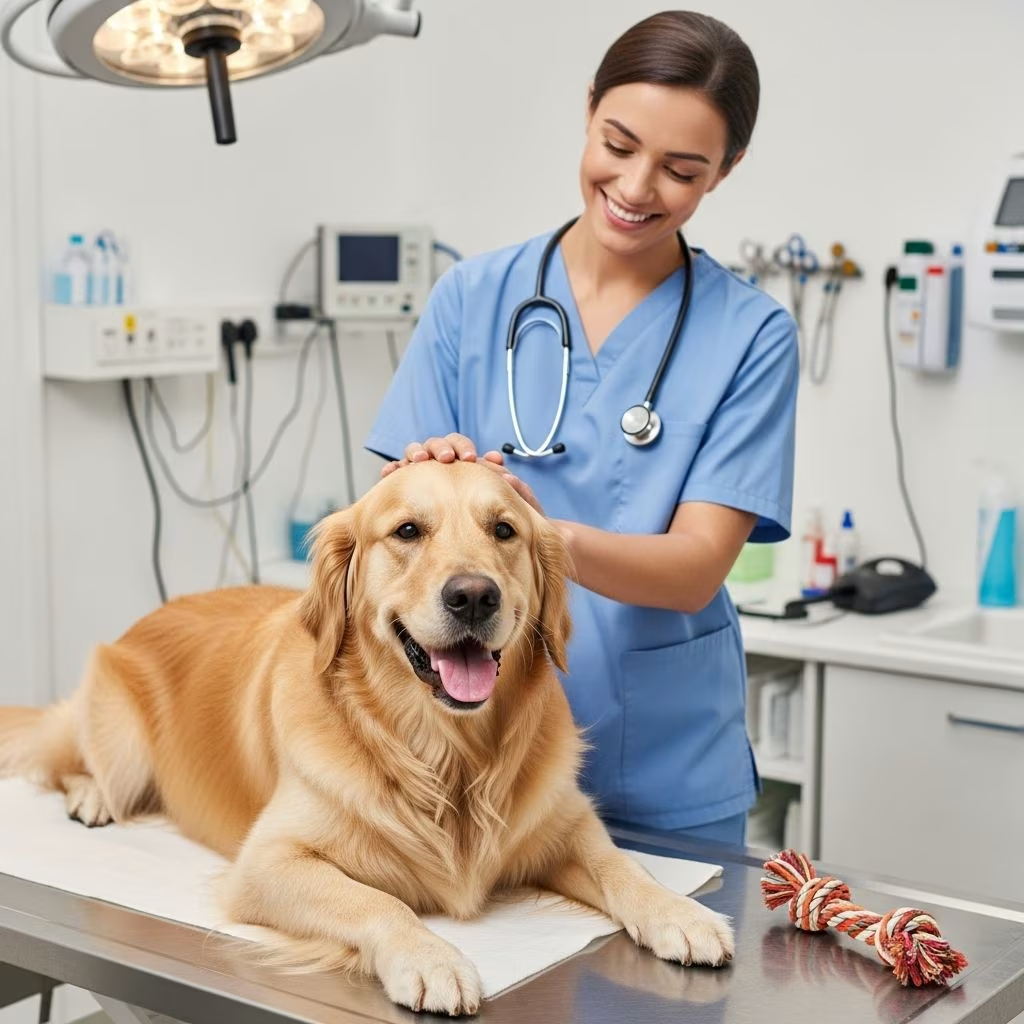
Veterinary visits can be challenging for many dog owners, especially when their furry companions experience anxiety or fear. A stressed dog not only makes the appointment more difficult for everyone involved but can also hinder the veterinarian’s ability to provide proper care. Understanding how to prepare your dog and create a calm experience during vet visits is essential for their health and well-being. This comprehensive guide will reveal five proven secrets to transforming your dog’s veterinary experience into a calm, manageable, and even positive occasion.
Secret 1: Start With Early Socialization and Desensitization
One of the most effective ways to prevent vet visit anxiety is to begin preparing your dog early through proper socialization and desensitization. This foundational approach helps your dog become comfortable with various stimuli they’ll encounter at the veterinary clinic.
Building Comfort Through Gradual Exposure
Socialization should extend beyond meeting other dogs and people. Expose your dog to a variety of environments, sounds, and experiences in a controlled, positive manner. This includes getting them accustomed to being handled by strangers, hearing different sounds, and visiting new places. During puppyhood, introduce your dog to grooming experiences such as nail trimming, teeth brushing, and bathing. These activities mimic what happens during veterinary examinations and help normalize the sensations your dog will experience.
Practice handling your dog’s paws, ears, mouth, and other body parts at home while offering treats as rewards. This teaches your dog that being touched in these sensitive areas is associated with positive outcomes. Never force your dog to accept touch or handling—always allow them to walk away if they are uncomfortable. If your dog shows resistance, it signals that you need to take smaller, slower steps in your training approach.
Exposure to New Environments and People
Gradually expose your dog to new environments, people, and animals in controlled situations. Meet friendly strangers and children, people in uniforms, people on bicycles, and individuals of all ages. These controlled socialization experiences help your dog understand that new situations don’t pose a threat. The goal is to create a library of positive experiences that make unfamiliar scenarios less intimidating.
Secret 2: Practice Car Rides and Familiarize Your Dog With Travel
For many dogs, the journey to the veterinary clinic can be as stressful as the visit itself. Addressing car anxiety is a crucial component of preparing your dog for a low-stress vet experience.
Gradual Car Acclimation
If your pet shows anxiety in the car, begin with shorter trips to familiarize them with the ride. Start by sitting in the parked car with treats and positive reinforcement, then progress to short drives around the neighborhood. Gradually increase the duration and distance of these trips. The goal is to help your dog associate car rides with positive experiences rather than anxiety or dread.
Creating Positive Car Associations
Make car rides enjoyable by bringing along your dog’s favorite treats, toys, or a comfortable blanket. Consider using pheromone sprays or diffusers designed specifically for travel to help calm your dog during the drive. Some dogs benefit from riding in a crate or vehicle barrier, which can provide security and reduce the temptation to move around during travel. Consistency is key—regular car rides that don’t necessarily end at the vet clinic help your dog understand that car trips aren’t always associated with veterinary care.
Secret 3: Choose a Veterinary Clinic That Prioritizes Low-Stress Handling
Selecting the right veterinary team is fundamental to ensuring your dog has a positive vet visit experience. Not all clinics employ the same approach to handling anxious pets.
Finding Fear-Free and Low-Stress Trained Veterinarians
When choosing or evaluating your veterinarian, inquire about their approach to minimizing fear and stress during appointments. Many veterinarians and staff members are trained in programs such as Fear Free® and Low Stress Handling®, which aim to create a behavior-friendly environment using minimal restraint. These practices focus on making a behavior-friendly atmosphere since many dogs do better with less restraint during physical exams, vaccinations, and blood draws.
Clinic Environment Features to Look For
Ask about the clinic’s environmental features designed to reduce pet stress. Look for clinics that:
- Limit noise levels and play calming music
- Offer examinations on the floor rather than on an exam table, where dogs often feel less stressed
- Provide pheromone diffusers in patient-facing areas
- Offer quiet waiting spaces away from other excitable pets
- Have private entrance options for especially nervous patients
- Use soft lighting and soothing décor
Additionally, ask if staff members can greet your dog with treats in the parking lot or outside the clinic before entering. This creates an immediate positive association and sets the tone for a calm visit.
Secret 4: Prepare and Bring Appropriate Rewards and Distractions
On the day of your veterinary visit, preparation is essential. Bringing the right supplies can make a significant difference in how your dog responds to the examination.
High-Value Treats and Rewards
Bring your dog’s favorite treats from home. Opt for small, soft treats that can be broken into smaller pieces and given throughout the appointment. These should be treats your dog rarely gets at home, making them particularly valuable during a stressful situation. The frequency and quality of treats during the visit help form a more positive association with veterinary care.
Advanced Distraction Tools
Consider bringing additional distraction items such as:
- A frozen rubber hollow treat dispenser (e.g., Kong dispenser) filled with your dog’s favorite spreadable snacks
- A flat rubber textured mat (e.g., LickiMat) with peanut butter, yogurt, or other favorite foods
- Long-lasting chews or bully sticks to keep your dog occupied during the examination
- Familiar toys that provide comfort and distraction
Understanding Your Dog’s Stress Signals
Pay attention to whether your dog is eating treats during the visit. If your dog stops eating or refuses treats, this often indicates that their stress levels are too high. When you notice this, inform your veterinary care team so adjustments can be made to their experience. This might include taking a break, using calming medications, or postponing certain procedures.
Secret 5: Use Anti-Anxiety Medications and Pheromone Therapies
For dogs with pre-existing fear or anxiety, pharmaceutical and pheromone-based interventions can be remarkably effective when combined with behavioral strategies.
Pre-Visit Anti-Anxiety Medications
Anti-anxiety medications can be beneficial when given at home a few hours before a veterinary visit. High levels of fear and stress in your dog negatively affect their overall health and hinder your veterinarian’s ability to conduct a proper examination and provide necessary medical care. Common medications used for pre-visit anxiety include:
- Gabapentin – an anticonvulsant with calming properties
- Trazodone – a sedating antidepressant
- Alprazolam – an anti-anxiety benzodiazepine
These medications are typically safer and more effective than older options like acepromazine, which can leave dogs feeling fearful and powerless, potentially worsening anxiety over time.
Pheromone Therapies
Pheromone products such as Adaptil (for dogs) mimic natural calming pheromones that help reduce anxiety. These are available as sprays and diffusers that veterinary clinics often use throughout their facilities. You can also use pheromone sprays in your car or at home before your appointment to help your dog remain calm throughout the entire process.
Controlling Environmental Stressors
Waiting rooms can significantly increase stress due to the array of sounds, sights, and smells. While you may not have control over wait times, especially during emergency visits, you can minimize your dog’s anxiety by waiting in a quieter area, such as outside or in the car if this is a less stressful environment. Call ahead to ensure the clinic isn’t too busy and ask if a staff member can greet your dog with treats outside. Gradually work toward bringing your dog inside the building to continue rewarding them with treats, moving at your dog’s pace to reinforce that positive experiences occur during veterinary visits.
Additional Preparation Tips for Vet Visit Success
Arriving Early
Arriving a little early helps avoid any last-minute rushing, which can contribute to stress. Arriving early also gives you a few extra minutes to help your dog acclimate to the clinic environment and relax before the appointment begins.
Communicating With Your Veterinary Team
When scheduling your appointment, inform the clinic if your dog is fearful or anxious. Many practices will schedule your visit for a time of day when there are no other pets around, or they may recommend specific strategies to make the experience more comfortable. This proactive communication allows the veterinary team to prepare for your dog’s needs and tailor their approach accordingly.
Recognizing Signs of Stress
The first step to ensuring a low-stress visit is knowing how to recognize when your pet is anxious. Different dogs express stress differently, so observing and understanding your own animal’s behavioral tendencies is crucial. Common stress signals include pacing, wrinkled brow, panting, salivating, yawning, licking lips, and vocalization. Learning to read your dog’s body language helps you respond appropriately and communicate with your veterinary team about your dog’s emotional state.
Frequently Asked Questions
Q: At what age should I start preparing my dog for vet visits?
A: Puppyhood is the ideal time to teach comfort with handling and veterinary procedures, but dogs can learn at any age. Even adult dogs can benefit from gradual desensitization and preparation strategies.
Q: Can I give my dog treats right before the vet visit?
A: It depends on whether your dog will have procedures requiring anesthesia. If an empty stomach is needed, avoid treats. Otherwise, small treats can help create positive associations. Consult your veterinarian about specific pre-visit instructions.
Q: What should I do if my dog refuses treats at the vet?
A: Refusal to eat treats indicates high stress levels. Inform your veterinary team immediately so they can make adjustments, such as taking breaks, using calming medications, or postponing non-urgent procedures until your dog is more relaxed.
Q: How long does it take for anti-anxiety medication to work?
A: Most pre-visit anti-anxiety medications take 1-2 hours to become effective. Your veterinarian will provide specific timing instructions when prescribing medication for your dog.
Q: Is it normal for my dog to be anxious at vet visits?
A: Mild anxiety during vet visits is common, but excessive fear or anxiety can interfere with proper medical care. If your dog shows significant anxiety, discuss options with your veterinarian, including behavioral training, medications, or referral to a veterinary behaviorist.
Q: Should I ask about Fear Free or Low Stress Handling training?
A: Yes, absolutely. Asking about these certifications helps you identify veterinary practices committed to minimizing fear and stress. These trained professionals use evidence-based techniques to create more comfortable experiences for anxious pets.
Conclusion
Creating a low-stress vet visit for your dog requires planning, preparation, and partnership with a supportive veterinary team. By implementing these five secrets—early socialization, car ride preparation, choosing a fear-free clinic, bringing appropriate rewards, and utilizing anti-anxiety tools—you can significantly reduce your dog’s stress and anxiety during veterinary visits. Remember that every dog is unique, and what works for one may not work for another. Work closely with your veterinarian to develop a personalized plan that addresses your dog’s specific needs and fears. With patience, consistency, and the right strategies, you can transform veterinary visits from a source of dread into a manageable and even positive experience for your beloved companion.
References
- How to make veterinary visits less stressful for dogs — Cornell University College of Veterinary Medicine, Riney Canine Health Center. 2024. https://www.vet.cornell.edu/departments-centers-and-institutes/riney-canine-health-center/canine-health-topics/how-make-veterinary-visits-less-stressful-dogs
- How to prepare your pet for a low-stress vet visit — Colorado State University College of Veterinary Medicine and Biomedical Sciences. 2024. https://cvmbs.source.colostate.edu/how-to-prepare-your-pet-for-a-low-stress-vet-visit/
- Implementing low-stress handling at your practice — DVM360. 2024. https://www.dvm360.com/view/implementing-low-stress-handling-at-your-practice
- Unleashing Advanced Low-Stress Pet Handling Techniques at Home — Willow Wood Animal Hospital. 2024. https://willowwoodah.com/unleashing-advanced-low-stress-pet-handling-techniques-at-home/
- Low Stress Practices — Southview Animal Hospital. 2024. https://www.southviewanimalhospital.com/low-stress-practices
- Fear Free Vet Visit — Bartels Pet Hospital. 2024. https://bartelspethospital.com/fear-free-vet-visits



