

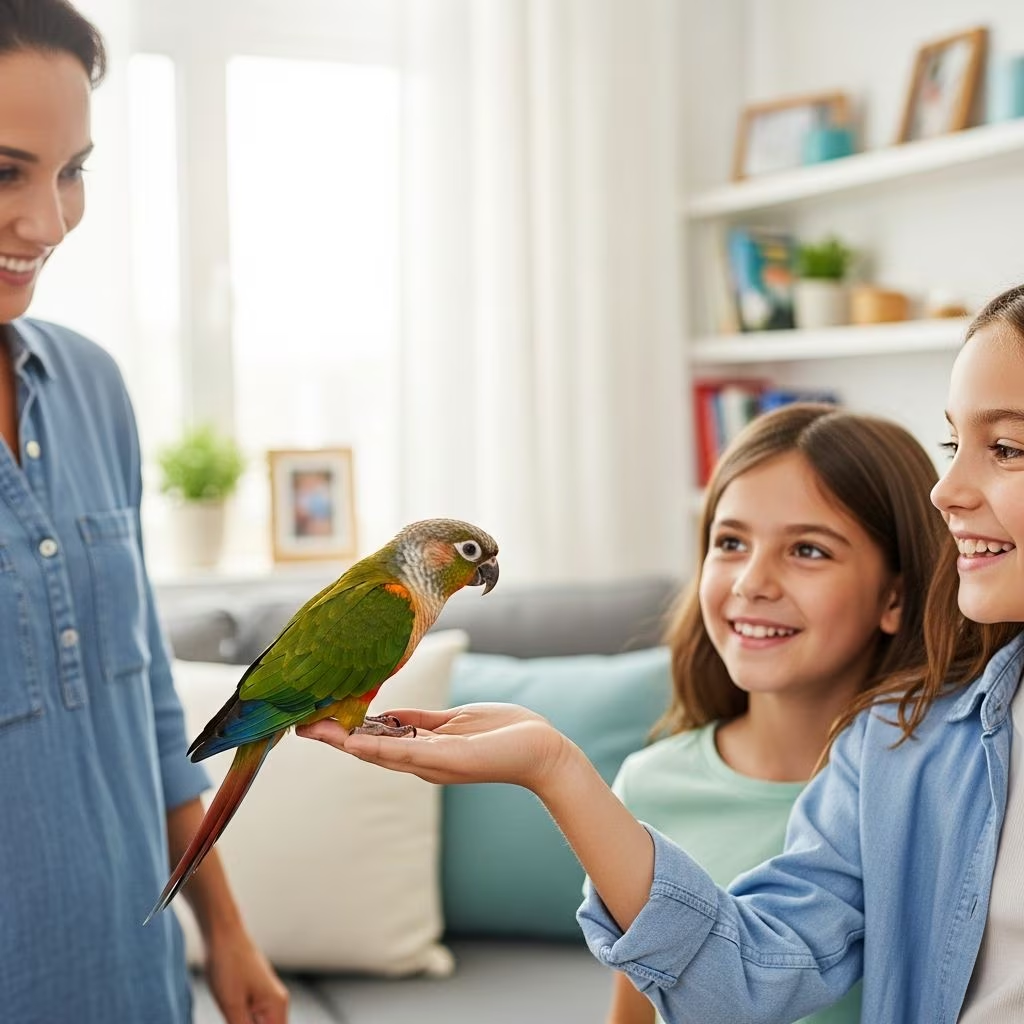
5 Reasons Conures Make Great Family Pets
Conures have become increasingly popular as family pets, and for good reason. These vibrant, small to medium-sized parrots offer a unique combination of characteristics that make them ideal companions for households of all types. Whether you’re a first-time bird owner or an experienced pet parent, conures provide endless entertainment, affection, and interaction. Understanding why conures make such wonderful family pets can help you make an informed decision about welcoming one of these delightful birds into your home.
1. Playful and Entertaining Personalities
One of the most compelling reasons conures make great family pets is their naturally playful and entertaining personalities. These birds are small bundles of energy and fun that seem to possess an endless supply of charm and humor. Conures are known for their clownish behavior, acrobatic antics, and whimsical nature that can keep families entertained for hours. Their playful demeanor makes them excellent companions for children and adults alike, as they actively seek engagement and interaction with their human family members.
Conures engage in numerous entertaining behaviors that showcase their intelligence and curiosity. Many species exhibit head-bobbing, dancing, and even mimicking their owners’ movements. Some conures have been observed dancing back and forth, performing spontaneous aerial displays, and inventing games to play with their families. Their acrobatic abilities combined with their fearless attitudes mean they’re constantly exploring, climbing, and finding new ways to amuse themselves and their owners. This entertainment value makes daily life with a conure exciting and unpredictable in the best possible way.
The playfulness of conures extends to their love of toys and enrichment activities. These intelligent birds require abundant mental stimulation and physical activity to maintain their happiness and well-being. Foraging toys, climbing structures, and puzzle toys provide hours of engagement, and rotating these toys periodically keeps the environment fresh and exciting. When given adequate toys and interactive opportunities, conures demonstrate remarkable problem-solving abilities and creativity that can surprise and delight their families.
2. Highly Social and Affectionate Nature
Conures are exceptionally social birds that thrive on companionship and human interaction. Their highly social nature makes them wonderful family pets because they genuinely enjoy spending time with their human companions. Unlike some pet birds that prefer observation from a distance, conures actively seek out human contact and participation in family activities. They love to be where the household action is, whether during mealtime or relaxing time with their favorite people.
The affectionate behavior of conures is one of their most endearing qualities. These birds form strong bonds with their owners and often show their affection through cuddling, head scratches, and interactive play. Many conure owners report that their birds enjoy snuggling close to them, sometimes even climbing under clothing to nestle against their owners’ chests. This physical closeness and desire for tactile interaction creates deep emotional connections between birds and their human families.
Conures demonstrate loyalty and genuine attachment to their family members, often becoming particularly bonded to one person while still showing friendliness to other household members. This preference for specific individuals is a natural behavior that shows the depth of their emotional capacity. When properly socialized from a young age, conures can learn to enjoy interaction with multiple family members, making them adaptable to various household dynamics. Their social nature means they should never be left alone for extended periods, as loneliness can lead to behavioral problems and unhappiness.
3. Trainable and Intelligent Birds
Conures are intelligent birds with impressive learning capabilities, making them highly trainable companions suitable for families willing to invest time in their development. These birds can learn to perform tricks, follow commands, and even speak a limited vocabulary of words and phrases. Their intelligence and quick learning ability mean they respond well to positive reinforcement training methods, allowing families to actively participate in teaching and shaping their bird’s behavior.
The trainability of conures extends beyond simple tricks to include behavioral management and socialization. Proper training is essential for hand-taming conures and ensuring they develop into well-behaved family members. Training helps prevent unwanted behaviors such as biting or excessive screaming by establishing clear boundaries and positive communication between bird and owner. When trained using positive reinforcement techniques, conures become more comfortable with handling and more integrated into family life.
Conures can learn to step up on fingers, return when called, and respond to their names. Some even learn to ring bells or perform acrobatic movements on command. This ability to learn and respond to training makes conures interactive family members that actively participate in household routines and activities. The cognitive stimulation provided by training exercises also contributes to the bird’s mental health and overall well-being, preventing boredom and associated behavioral issues.
4. Manageable Size and Lifespan Considerations
Conures offer an ideal size for family pets, falling between small and medium categories that make them suitable for various living situations. Their manageable size means they require less space than larger parrot species while still providing the interactive companionship and personality of much larger birds. This size advantage makes conures accessible to families with space constraints who still desire a substantial feathered companion.
The lifespan of conures, which can reach up to 20 years, represents another significant advantage for families. This extended lifespan means conures can grow and develop alongside your children, becoming integral family members throughout various life stages. Unlike smaller pets with shorter lifespans, conures provide long-term companionship and the opportunity for deep, lasting bonds to develop between birds and their human families.
When considering a pet bird, the combination of manageable size and substantial lifespan makes conures an excellent investment in family entertainment and companionship. Their moderate size allows for practical cage placement in family living areas, while their longevity ensures years of interactive engagement and shared experiences. Some conure species, such as Green-cheeked Conures, are particularly well-suited for apartment living and smaller homes, making them accessible to diverse family situations.
5. Adaptable to Different Family Situations
Conures demonstrate remarkable adaptability to various family structures and living situations, making them suitable pets for many different household types. Whether you have a large multigenerational household, a single-person home, or a family with young children, conures can thrive when their social and environmental needs are met. This adaptability is largely due to their intelligence, social nature, and relatively modest care requirements compared to larger parrot species.
Different conure species exhibit varying temperaments and needs, allowing families to select a species that best matches their specific situation. Green-cheeked Conures, for example, are often recommended as good first birds and are quiet enough for apartment living, making them ideal for families in urban environments or noise-sensitive situations. Other species like Patagonian Conures may require more experienced owners but reward dedicated families with exceptional sweetness and intelligence.
Conures adapt well to family routines and can integrate into various daily activities. They enjoy participating in household routines and feel included when allowed out of their cage for supervised playtime and interaction. With proper socialization and training, conures become flexible companions that adjust to different family schedules and living situations. This adaptability makes them realistic choices for busy families, as long as adequate daily interaction time can be provided.
Understanding Conure Vocalizations
While conures are wonderful family pets, it’s important to understand their vocalization patterns. These birds are vocal communicators known for their high-pitched screeches and calls. Conures emit their signature sound—a high-pitched screech—when excited, startled, or seeking attention. Understanding these vocalizations and managing them appropriately is crucial for family harmony.
Conures are generally not avid talkers compared to larger parrot species, but they can learn words and phrases with consistent training. Their vocal abilities include squawks, screams, chirps, and whistles, creating a varied repertoire of sounds. While their vocalization levels may require sound-tolerant families, proper training and environmental enrichment can help minimize excessive screaming.
Essential Care Requirements for Family Conures
To ensure conures thrive as family pets, families must understand and meet their essential care needs. These include appropriate cage size, daily exercise, mental stimulation, proper nutrition, and regular social interaction. Conures are exceptionally active birds that need abundant space for climbing, flying, and playing. A cage should be large enough to accommodate their energetic nature, with multiple perches, toys, and climbing structures.
Daily out-of-cage time is essential for conure happiness and health. These birds should spend several hours daily outside their cage under supervision, engaging in physical activity and social interaction with their families. Supervised playtime also prevents behavioral problems that can develop from inadequate environmental enrichment. Mental stimulation through training, puzzle toys, and foraging activities should be provided daily to maintain the bird’s cognitive health and prevent stress-related behaviors.
Frequently Asked Questions About Family Conures
Q: Are conures suitable for families with young children?
A: Yes, conures can be excellent for families with children when proper supervision and training are provided. Children should be taught respectful handling techniques and interaction methods. Always supervise interactions between children and conures to ensure both remain safe and comfortable.
Q: How much daily interaction do conures need?
A: Conures are highly social birds that require several hours of daily interaction and out-of-cage time. They should not be left alone for extended periods, as loneliness can lead to behavioral problems. Families considering conures should ensure they can dedicate significant daily time to their bird.
Q: Can conures live in apartments?
A: Some conure species, particularly Green-cheeked Conures, are quiet enough for apartment living. However, most conure species are vocal and may not be ideal for noise-sensitive neighbors. Consider your specific species and living situation before adoption.
Q: Do conures bite?
A: Conures can bite if frightened, uncomfortable, or improperly trained. Proper training using positive reinforcement, socialization from a young age, and understanding their body language help prevent biting behaviors. A well-trained and socialized conure is unlikely to bite its family members.
Q: What is the average lifespan of a pet conure?
A: Conures can live up to 20 years with proper care, nutrition, and veterinary attention. This long lifespan makes them long-term family companions that grow alongside your children and create lasting memories.
Q: How do I prevent behavioral problems in family conures?
A: Provide adequate daily interaction, mental stimulation through toys and training, sufficient exercise, proper nutrition, and a stimulating environment. Consistent routines and positive reinforcement training help prevent stress-related behaviors like feather plucking or excessive screaming.
Comparing Conure Species for Families
| Species | Size | Temperament | Noise Level | Best For |
|---|---|---|---|---|
| Green-Cheeked Conure | Small | Playful, affectionate, cuddly | Moderate (quieter option) | Apartments, first-time owners |
| Sun Conure | Small-Medium | Vibrant, social, bold | High | Active families, experienced owners |
| Jenday Conure | Medium | Playful, curious, affectionate | High | Houses with space, tolerant to noise |
| Patagonian Conure | Largest | Sweet-natured, intelligent, bonding | Loud | Experienced bird owners, large homes |
Creating an Enriched Environment for Family Conures
Successful conure ownership in a family setting depends heavily on providing an enriched environment that meets their physical and mental needs. This includes a spacious cage or aviary, multiple types of toys, climbing structures, and opportunities for foraging. Rotating toys periodically prevents boredom and maintains the bird’s interest in their environment.
Mental enrichment is equally important as physical space. Puzzle toys, foraging activities, and training sessions provide cognitive stimulation that prevents stress-related behaviors. Family members can participate in enrichment activities, creating bonding opportunities while meeting the bird’s needs. Interactive play sessions where conures engage with their families through games and training strengthen relationships and contribute to the bird’s overall happiness.
Building Strong Bonds with Your Family Conure
The process of building a strong relationship with a conure starts with understanding their individual personalities and preferences. Each bird has unique characteristics, likes, and dislikes that families learn through regular interaction and observation. Taking time to understand your specific conure’s preferences for handling, play, and interaction creates deeper bonds and more satisfying pet ownership experiences.
Consistent, positive interaction is key to developing lasting relationships with conures. Regular socialization from a young age, especially if hand-raised, ensures the bird feels secure and bonded to its family members. Families that invest time in daily interaction, training, and playtime find that their conures become increasingly affectionate and engaged family members over time.
Conclusion
Conures make exceptional family pets for households ready to meet their social, physical, and environmental needs. Their playful personalities, affectionate nature, intelligence, manageable size, and adaptability create the perfect combination for diverse family situations. From entertainment value to genuine companionship, conures offer rewards that justify the commitment required for their care.
Before bringing a conure into your family, ensure you understand the species’ specific needs, vocalizations, and behavioral characteristics. Families that provide proper training, abundant daily interaction, mental stimulation, and veterinary care discover that conures become cherished family members for decades. Whether you’re looking for a playful companion for children or an engaging pet for adults, conures deserve consideration as one of the finest feathered family companions available.
References
- Curious About Conures? Here are Some Key Things to Know — myBird. Accessed November 28, 2025. https://myrightbird.com/articles/curious-about-conures-here-are-some-key-things-to-know
- Conure Personality, Food & Care – Pet Birds by Lafeber Co. — Lafeber Company. Accessed November 28, 2025. https://lafeber.com/pet-birds/species/conure/
- Conure – Wikipedia — Wikimedia Foundation. Accessed November 28, 2025. https://en.wikipedia.org/wiki/Conure
- Conure Parrot Species Information – Pet Birds — All Pet Birds. Accessed November 28, 2025. https://www.allpetbirds.com/conure-parrot
- Small Conure Care Sheet — PetMD. Accessed November 28, 2025. https://www.petmd.com/bird/small-conure-care-sheet
- Everything You Need to Know About Pet Conures — Kaytee. Accessed November 28, 2025. https://www.kaytee.com/learn-care/pet-birds/everything-you-need-to-know-about-pet-conures
- Conures – Hagen Avicultural Research Institute — Hagen Avicultural Research Institute. Accessed November 28, 2025. https://hari.ca/bird-species/conures/



