

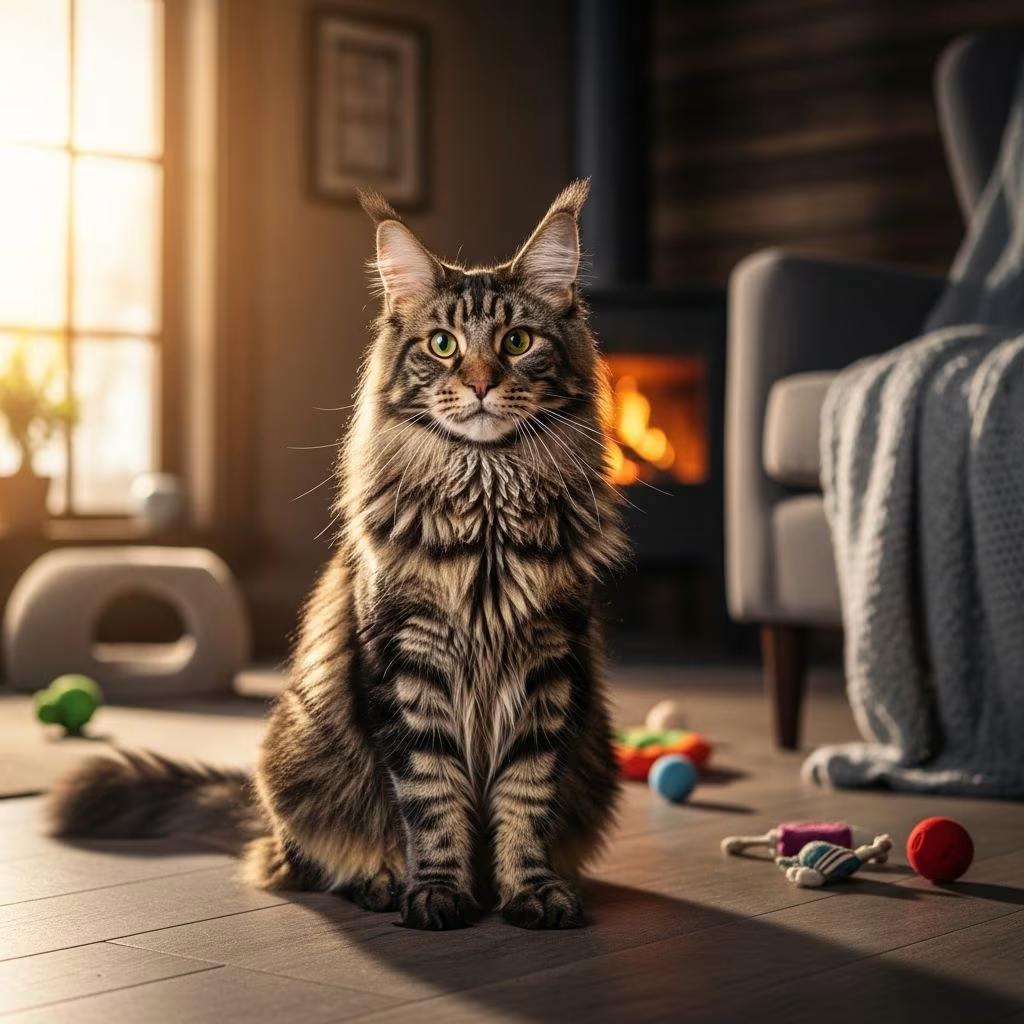
5 Large Cat Breeds: Giant Felines with Loving Hearts
When it comes to feline companions, bigger isn’t always better—but it certainly can be more impressive! Large cat breeds offer a unique combination of commanding presence and affectionate personalities that make them stand out from their smaller counterparts. These gentle giants can weigh anywhere from 12 to 25 pounds, with some reaching even more impressive weights. If you’re considering adding a large cat to your family, understanding the characteristics and care needs of different breeds will help you find the perfect match.
Understanding Large Cat Breeds
Large cat breeds are defined as felines that typically weigh over 12 pounds, with many reaching up to 25 pounds or more. What makes these cats particularly appealing to pet owners isn’t just their impressive size, but their distinctive personalities and engaging temperaments. Large cat breeds are characterized by several notable traits, including their substantial size, unique coat types, and often surprisingly gentle and social behaviors. Research suggests that large cat breeds such as Maine Coons and Ragdolls often exhibit more sociable and loving behaviors compared to their smaller counterparts, making them excellent family companions.
1. Maine Coon: The Gentle Giant
Often referred to as the gentle giants of the cat world, Maine Coons are one of the most beloved large cat breeds. These impressive felines typically weigh between 8 to 18 pounds and can reach heights of up to 10 inches or more. The Maine Coon’s popularity stems from their combination of impressive physical presence and remarkably friendly demeanor.
Physical Characteristics
Maine Coons are renowned for their distinctive appearance. They feature tufted ears, long bushy tails, and a well-muscled, rectangular body shape that commands attention in any room. Their impressive size means there’s more to love, as some big cat breeds like the Maine Coon weigh up to 25 pounds—more than double the size of the average house cat. Their thick, luxurious coat provides excellent insulation and helps them survive in cold climates, a trait inherited from their ancestors in the northeastern United States.
Temperament and Personality
Despite their formidable size, Maine Coons are known for their friendly and laid-back temperament. These cats bond strongly with their families and often enjoy being involved in household activities. They’re not aggressive or territorial; instead, they typically display a gentle, curious nature that makes them excellent with children and other pets.
Care Requirements
Maine Coons require regular grooming to maintain their luxurious coats and prevent matting. Their size makes them susceptible to certain health concerns, such as hip dysplasia, so maintaining a healthy weight through regular exercise and proper nutrition is essential. Providing adequate space for movement and play helps keep these gentle giants healthy and happy.
2. Savannah: The Wild at Heart
The Savannah represents one of the most exotic large cat breeds available to domestic pet owners. Created by crossing domestic cats with African Servals, Savannahs embody a wild appearance with a surprisingly sweet temperament. These impressive felines can weigh between 12 to 25 pounds, with some individuals reaching the upper end of that range, making them among the largest domestic cat breeds.
Unique Physical Features
Savannahs are instantly recognizable by their tall, lean body structure, large upright ears, and spotted or striped coats that echo their wild ancestry. Their impressive jumping ability—reaching up to 8 feet in height—is one of their most remarkable traits. This athletic prowess requires owners to provide durable cat trees and secure shelves for safe climbing.
Personality and Energy
These intelligent felines are energetic, loyal, and form strong bonds with their people. Savannahs often follow their owners around the house and participate enthusiastically in family activities. Their extremely active nature and high intelligence mean they thrive when provided with mental stimulation and physical challenges. These cats are not for laid-back owners; they require an environment that accommodates their energetic and adventurous spirit.
Care Considerations
Savannahs benefit from plenty of enrichment activities, including interactive toys, climbing structures, and opportunities for exploration. Their wild-looking appearance sometimes concerns neighbors, but these cats are domesticated and make wonderful family pets when properly socialized. Regular play sessions and mental stimulation help prevent behavioral issues and keep them physically fit.
3. Norwegian Forest Cat: The Natural Climber
The Norwegian Forest Cat, affectionately known as the Wegie, is a majestic breed that looks like it stepped right out of Norse mythology. With their long, flowing coat and muscular build, these cats typically weigh between 12 to 20 pounds and stand 9 to 12 inches tall.
Physical Appearance
Don’t let all that fluff fool you—the Norwegian Forest Cat is as large as they look. Their thick, water-resistant double coat helped their ancestors survive the harsh Scandinavian winters and contributes to their grand, majestic appearance today. These cats gaze upon their pet parents with piercing green or yellow eyes and feature distinctive tufted ears and a bushy tail that makes them instantly recognizable.
Behavioral Traits
Known for their calm, friendly nature, Wegies enjoy family life but appreciate their independence. They display bursts of energy, especially when climbing, as they are natural climbers by instinct. These cats love to scale heights and explore vertical spaces, so it’s important to provide plenty of dedicated climbing structures and exploring areas.
Health and Care Needs
While Norwegian Forest Cats are generally healthy, their size makes them susceptible to hip dysplasia and arthritis. Their water-resistant double coat needs regular grooming to maintain its health and beauty. Maintaining a healthy weight through appropriate nutrition and regular activity is crucial for this breed’s long-term health. While they enjoy exploring, they’re adaptable to indoor environments when provided enough space and enrichment.
4. Bengal: The Exotic Beauty
The Bengal cat has a wild-looking, athletic figure similar to a ferocious Bengal tiger—but don’t let appearances fool you! This large cat breed weighs between 8 to 18 pounds and stands 8 to 10 inches tall, combining an exotic appearance with a remarkably friendly and loyal personality that makes them perfect family companions.
Distinctive Appearance
Bengals are instantly recognizable by their leopard-like spots and marbled patterns. Their coats can come in a variety of colors ranging from brown to sepia, with marbled or spotted patterns that distinguish the Bengal as a truly exotic kitty. These cats feature a sleek, muscular build and an athletic presence that reflects their active nature.
Activity Level and Personality
If you prefer an active kitty, Bengals are climbing enthusiasts and enjoy copious amounts of cat playtime. While they love to nap as much as any cat, they’re extremely active and require ample vertical space for jumping. The Bengal likes to hunt for food, so puzzle feeders and treat-dispensing toys can help satisfy their predatory instincts and keep them entertained. This breed thrives when provided with interactive toys and climbing structures that allow them to express their natural behaviors.
Care and Enrichment
Bengals require more enrichment than typical cats due to their high energy levels and intelligent minds. Providing a stimulating environment with various climbing opportunities, interactive toys, and regular play sessions is essential for their physical and mental well-being. Their need for activity means they’re best suited for owners who can dedicate time to interactive play and engagement.
5. Turkish Van: The Athletic Swimmer
Turkish Vans are among the biggest house cat breeds, standing out for their size and surprising love of water. These rare beauties typically weigh between 8 to 18 pounds and stand 10 to 14 inches tall, making them substantial companions with unique characteristics.
Unique Physical Traits
It’s not every day you see a Turkish Van, but when you do it’s difficult not to admire their cloud-like physique. They are easily recognizable by their all-white body with dark-colored tail and head markings. These kitties are considered the jocks of the cat world, owing this title to their natural athletic abilities and broad shoulders. Their muscular build and athletic prowess make them uniquely suited for active families.
Personality and Behavior
Turkish Vans are active cats with impressive physical capabilities. Unlike most domestic cats, Turkish Vans also love to swim, so they may just be your furry poolside buddy! Whether playing in pet water fountains or investigating the bathtub, these active cats need plenty of enrichment. This breed’s affectionate and playful nature makes them wonderful family pets who enjoy interacting with their owners.
Environmental Needs
Tall cat trees, shelves, and scratching posts help channel their energy, and regular exercise prevents weight gain and supports healthy joints. These active cats need adequate space to roam and play. Providing access to water features like pet fountains can satisfy their unique love of water and provide mental stimulation. Their need for enrichment and activity makes them best suited for owners who can provide an engaging, interactive home environment.
Comparing Large Cat Breeds
| Breed | Weight Range | Temperament | Activity Level | Special Traits |
|---|---|---|---|---|
| Maine Coon | 8–18 lbs | Friendly, laid-back | Moderate | Gentle giant, tufted ears |
| Savannah | 12–25 lbs | Energetic, intelligent, loyal | Very High | Jumps up to 8 feet, wild appearance |
| Norwegian Forest Cat | 12–20 lbs | Calm, friendly, independent | Moderate to High | Natural climber, water-resistant coat |
| Bengal | 8–18 lbs | Friendly, loyal, active | Very High | Leopard-like spots, climbing enthusiast |
| Turkish Van | 8–18 lbs | Active, playful, athletic | Very High | Loves water, white with colored head/tail |
Health Considerations for Large Cats
Large cat breeds require thoughtful health management due to their size. Potential health concerns, such as hip dysplasia and hypertrophic cardiomyopathy, should be considered by future owners. Veterinary insights indicate that maintaining a healthy weight is crucial for large cats, as obesity can exacerbate joint and cardiac issues.
Regular veterinary check-ups, appropriate nutrition, and consistent exercise are essential components of caring for large cat breeds. Choosing a high-quality, AAFCO-compliant diet helps ensure these cats maintain an ideal weight and receive proper nutrition for their size. Monitoring for signs of health issues and addressing them promptly with veterinary care can help ensure these magnificent cats live long, healthy lives.
Choosing the Right Large Cat Breed for Your Family
Selecting a large cat breed requires considering your lifestyle, living situation, and commitment level. Maine Coons are ideal for families seeking a gentle, social cat that requires moderate activity. Savannahs suit active families with experience handling energetic, intelligent cats. Norwegian Forest Cats work well for those who appreciate climbers and don’t mind regular grooming. Bengals are perfect for owners who enjoy interactive play and have time for enrichment activities. Turkish Vans are excellent for families with access to water and the space these active cats require.
Regardless of which breed you choose, large cats require adequate space, mental stimulation, regular exercise, and consistent veterinary care. These magnificent felines reward their owners with loyalty, affection, and a larger-than-life presence that enriches any household.
Frequently Asked Questions
Q: What defines a large cat breed?
A: Large cat breeds typically weigh over 12 pounds, with many reaching up to 25 pounds or more. They’re characterized by their impressive size, distinctive coat types, and engaging temperaments.
Q: Are large cat breeds good with children?
A: Yes, many large cat breeds are excellent with children. Maine Coons, Turkish Vans, and Norwegian Forest Cats are particularly known for their friendly and gentle nature. However, supervision is always recommended, especially with younger children, due to the cats’ larger size and strength.
Q: How much exercise do large cats need?
A: Exercise needs vary by breed. Active breeds like Savannahs and Bengals require substantial daily playtime and enrichment. More laid-back breeds like Maine Coons need moderate activity. All large cats benefit from regular play sessions and climbing opportunities.
Q: Are large cat breeds prone to specific health issues?
A: Large cats are susceptible to hip dysplasia, arthritis, and hypertrophic cardiomyopathy. Maintaining a healthy weight through proper nutrition and regular exercise helps prevent many of these issues.
Q: How much grooming do large cat breeds require?
A: Grooming needs depend on coat type. Breeds like Maine Coons and Norwegian Forest Cats with long, thick coats require regular brushing to prevent matting. Bengals and other short-haired large breeds need less frequent grooming but still benefit from regular brushing.
Q: Can large cat breeds be kept indoors?
A: Yes, large cat breeds can thrive indoors when provided adequate space, climbing structures, and enrichment. Norwegian Forest Cats and Maine Coons are particularly adaptable to indoor environments with sufficient vertical space.
Q: What’s the lifespan of large cat breeds?
A: Most large cat breeds live 12 to 18 years with proper care, nutrition, and veterinary attention. Some individuals live even longer.
References
- 10 Large Cat Breeds with Even Bigger Personalities — Four Paws. Accessed November 2025. https://www.fourpaws.com/pets-101/cat-corner/large-cat-breeds
- Guide to Big Cat Breeds: Traits and Care Tips — PetsCare.com. Accessed November 2025. https://www.petscare.com/news/post/guide-big-cat-breeds
- Understanding Large Cat Breeds: Characteristics and Care Needs — Jet Pet Resort. Accessed November 2025. https://jetpetresort.com/blog/cat-tips/understanding-large-cat-breeds-characteristics-and-care-needs/
- 10 Big Cat Breeds — PetMD. Accessed November 2025. https://www.petmd.com/cat/general-health/big-cat-breeds
- Top 10 Large Cat Breeds Every Pet Parent Should Know — PetSafe. Accessed November 2025. https://www.petsafe.com/blog/large-cat-breeds/



