

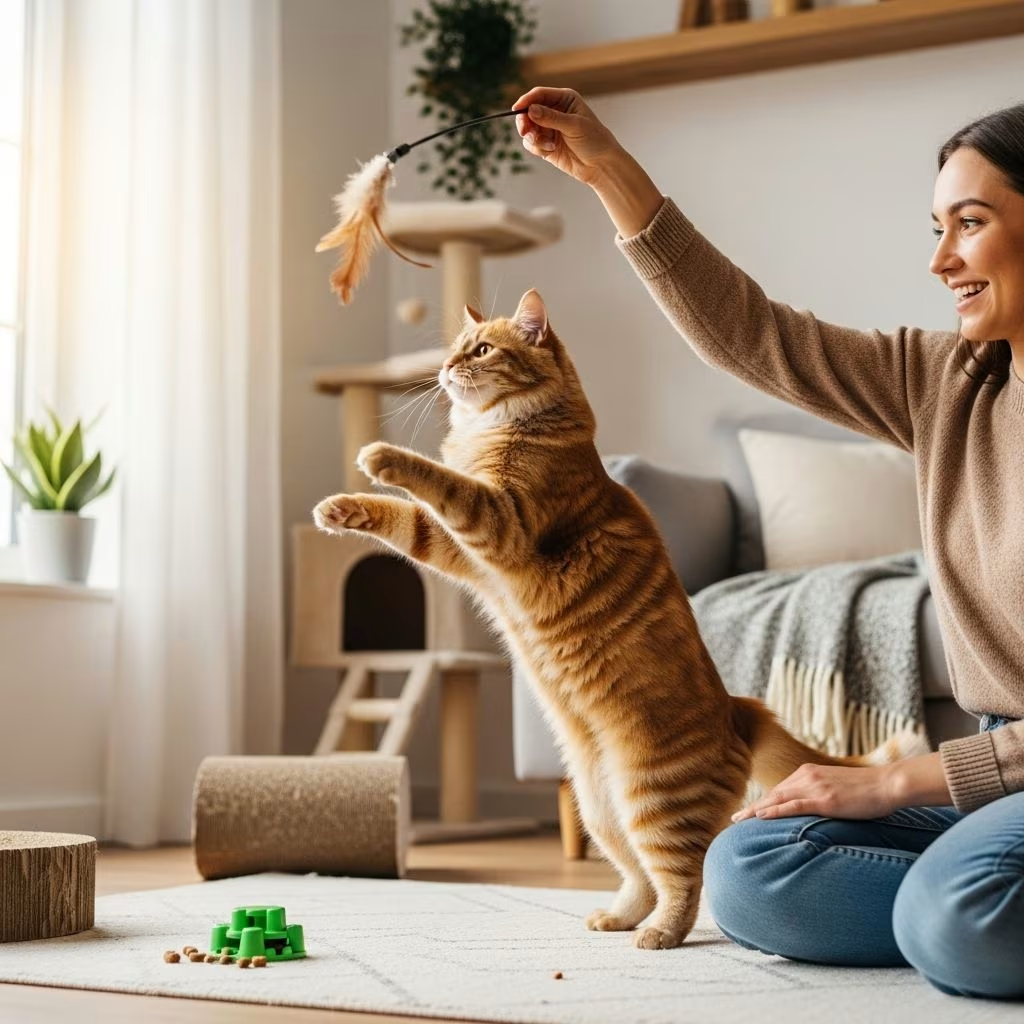
5 Fun Things To Do With Your Cat This Weekend
Spending quality time with your feline companion is one of the most rewarding aspects of cat ownership. Whether you’re working from home or simply looking to deepen your connection with your kitty, this weekend presents the perfect opportunity to engage in activities that will keep your cat entertained, mentally stimulated, and physically active. The bond between you and your cat strengthens through shared experiences, and cats thrive when they receive adequate enrichment and attention. Here are five fantastic activities you can enjoy with your cat this weekend that will ensure their purr button stays switched on.
1. Go on a Walk Together
While many people associate walks with dogs, cats can be wonderful walking companions too. Some cats genuinely enjoy exploring the outdoors on a leash, discovering new sights, sounds, and smells. If your cat has never been on a walk before, this weekend could be the perfect time to introduce them to this exciting activity.
The benefits of walking with your cat are substantial and multifaceted. According to veterinary professionals, walking provides mental, emotional, and physical stimulation that indoor cats might not otherwise receive. Cats are naturally curious creatures, and exploring their neighborhood on a harness and leash allows them to engage their hunting instincts, observe wildlife, and experience environmental enrichment that keeps their minds sharp.
Before you head outside, make sure your cat is properly fitted with a secure harness and leash designed specifically for cats. Take time to acclimate your cat to wearing the harness indoors first, allowing them to adjust to the sensation before venturing outdoors. Start with short, nearby walks in a quiet area, gradually increasing distance and exposure as your cat becomes more comfortable. Remember that not all cats will enjoy walking, and that’s perfectly fine—every cat has unique preferences and comfort levels.
2. Teach Your Cat to Play Fetch
Fetch isn’t exclusively a dog game! Many cats love the challenge and excitement of chasing down a toy and bringing it back to you. Teaching your cat to play fetch can provide hours of entertainment and is an excellent way to engage their natural hunting instincts. The key to success is patience, positive reinforcement, and finding the right toy that captures your cat’s interest.
Here’s a step-by-step guide to teaching your cat to play fetch:
Step 1: Target Training
Begin by selecting a small toy that fits comfortably in your cat’s mouth, such as a plush mouse toy. You’ll also want to have a training clicker and high-value treats readily available. Hold the toy in front of your cat and click your clicker while offering a treat whenever your cat sniffs or touches the toy with their nose. This teaches your cat to associate the toy with positive rewards.
Step 2: Mouth Engagement
Once your cat understands targeting, progress to clicking and rewarding them for actually grabbing the toy with their mouth while it’s still in your hand. Repeat this step multiple times until your cat consistently grabs the toy eagerly. Ensure you’re providing plenty of rewards to maintain enthusiasm.
Step 3: Floor Interaction
Next, place the toy on the floor and reward your cat for grabbing it. This teaches them to pursue the toy independently. Continue using your clicker and treats to reinforce this behavior consistently.
Step 4: Distance and Tossing
Gradually increase the distance between you and the toy by placing it farther away on the floor. Once your cat is consistently retrieving from a distance, you can begin tossing the toy gently. Start with short tosses and gradually increase distance as your cat’s confidence and skill improve. Always reward successful retrievals with treats and praise.
Remember that some cats may not enjoy fetch, and that’s completely acceptable. Every cat has unique preferences, and it’s important to respect your individual cat’s personality and interests. The goal is to have fun together, not to force an activity your cat doesn’t enjoy.
3. Build a Cardboard Box Maze
The relationship between cats and cardboard boxes is legendary among pet parents. Cats have an inexplicable love for boxes, and understanding why can help you create even better enrichment opportunities for your feline friend. Cats are naturally drawn to small, secure spaces where they can hide, observe their surroundings, and feel safe from potential threats. In nature, cats seek out these enclosed spaces for warmth, security, protection from predators, and as quiet retreats for napping.
Transform this natural preference into an exciting weekend project by building a cardboard box maze. This DIY enrichment activity costs virtually nothing if you have saved cardboard boxes—especially those beloved Chewy boxes! Creating a box maze provides endless entertainment and mental stimulation for your cat.
Method 1: Tunnel Maze
Take several cardboard boxes and open up both the tops and bottoms completely. Lay the boxes on their sides with the openings facing each other, and securely tape them together to create a continuous tunnel system. Your cat can run through, hide in, and explore this tunnel network to their heart’s content. This simple configuration provides hours of entertainment and creates the perfect hideaway for shy or anxious cats.
Method 2: Jump Maze
For a more challenging version, keep the tops of the boxes closed and cut cat-sized holes into the sides of each box. Position the boxes next to each other so that the holes line up, allowing your cat to jump in and out of the maze. This version provides additional physical exercise and mental stimulation as your cat must figure out how to navigate the maze by jumping between boxes.
One Instagram-famous cat parent, Chris Poole, created a spectacular maze using 50 cardboard boxes for his celebricats, Cole and Marmalade, demonstrating just how much joy and enrichment a simple cardboard construction project can provide. Whether you create a modest two-box tunnel or an elaborate multi-box maze, your cat will appreciate the effort and creativity.
4. Plant an Indoor Cat Garden
Creating an indoor cat garden is a wonderful weekend project that benefits both you and your feline companion. While you enjoy the aesthetic appeal and air-purifying qualities of indoor plants, your cat gets access to safe vegetation to nibble on and explore. This mutually beneficial arrangement can significantly enhance your cat’s indoor environment.
Why Cats Eat Plants
While cats are obligate carnivores, they often show interest in eating plants. The exact reasons remain somewhat mysterious since cats cannot tell us their motivations, but veterinary experts suggest several possibilities. Cats may consume plants to obtain additional fiber or nutrients that support digestive health. Additionally, plant consumption might stem from boredom or simply natural curiosity about their environment. Understanding these drives helps you provide appropriate outlets for these instincts.
Creating Your Cat Garden
Cat grass is an excellent addition to any indoor cat garden, as it’s safe, non-toxic, and designed specifically for feline consumption. You can grow cat grass in small pots on windowsills, shelves, or designated garden areas. Cat grass provides roughage that supports healthy digestion and gives your cat a designated plant they can safely enjoy without damaging your other houseplants.
Protecting Your Plants
If you’re concerned about your cat digging up your indoor garden or knocking over pots—a common feline behavior—consider keeping plants out of reach or in rooms where your cat cannot access them unsupervised. Elevated shelves, high windowsills, or closed rooms work well for housing plants you want to protect. This approach allows you to maintain your indoor garden while preventing destructive behavior and potential ingestion of toxic plants.
Some cat-safe plants to consider for your indoor garden include spider plants, cat grass, Boston ferns, and African violets. Always verify that any plant is non-toxic to cats before bringing it into your home, as many common houseplants can be harmful to felines.
5. Make Special Treats Together
Nothing says “I love you” quite like homemade treats made with care and attention. This weekend, channel your inner chef and whip up some delicious, cat-safe treats that your feline friend will absolutely adore. Making treats together is a fun, bonding activity that shows your cat how much you care while providing them with nutritious, high-quality snacks.
Why Homemade Cat Treats?
Homemade cat treats offer several advantages over store-bought options. You control every ingredient, ensuring your cat receives only safe, nutritious components. You can customize treats to match your cat’s preferences and dietary needs. Additionally, the process of making treats is a rewarding activity that deepens your connection with your pet. Many cat parents find that their cats seem to appreciate treats made with love even more than commercial alternatives.
Easy Treat Ideas
If you enjoy baking, consider these cat-friendly treat options for your weekend project:
Crazy for Cranberry Cookies for Cats
These festive treats are perfect for spring and can be shaped into adorable flowers using silicone molds. Cranberries provide a burst of flavor and natural nutrients that cats typically enjoy. The fun presentation makes them feel extra special.
Pumpkin Mini Muffins
Perfect for cooler seasons, these pumpkin treats are not only delicious but also support digestive health. The natural sweetness of pumpkin appeals to most cats, and the muffin format makes for convenient portion control.
Mini Fish Tacos
For a more savory option, mini fish tacos celebrate your cat’s carnivorous nature. Fish is a protein-rich ingredient that most cats find irresistible, making these treats a surefire hit.
Turkey Triangles
Turkey is another excellent protein source for cats. These simple triangular treats are easy to make, portion, and store, perfect for extending your treat enjoyment throughout the week.
Always ensure that any homemade treats are made with cat-safe ingredients and avoid toxic substances like chocolate, xylitol, onions, and garlic. When in doubt, consult with your veterinarian about appropriate ingredients for your specific cat.
Why Quality Time Matters
Whether you choose one or all five of these activities, the most important element is the time you spend with your cat. Quality time and shared activities strengthen the human-animal bond in profound ways. These interactions provide your cat with essential enrichment, mental stimulation, and physical exercise—all crucial components of feline health and happiness. Your cat will appreciate the attention, and you’ll likely find that the joy and laughter these activities bring enriches your own life as well.
Frequently Asked Questions
Q: Is it safe to take my indoor cat outside on a walk?
A: Yes, with proper preparation. Use a secure harness and leash designed for cats, acclimate your cat gradually, and choose safe, quiet areas. Start with short walks and monitor your cat’s comfort level. Always ensure your cat is up-to-date on vaccinations before outdoor exposure.
Q: What if my cat doesn’t want to play fetch?
A: That’s perfectly normal! Not all cats enjoy fetch. Try different toys, play styles, and interactive games to find what engages your individual cat. Some cats prefer puzzle toys, laser pointers, or wand toys instead.
Q: Can I use any cardboard boxes for the maze?
A: Yes, most cardboard boxes work well. Clean boxes are best, and avoid boxes with heavy printing or chemicals. Chewy boxes, Amazon boxes, and other shipping boxes are ideal choices for this DIY project.
Q: Are all indoor plants safe for cats?
A: No, many common houseplants are toxic to cats. Always research plants before bringing them indoors, or choose cat-safe varieties like spider plants, cat grass, and Boston ferns. When in doubt, keep plants out of reach.
Q: What ingredients should I avoid when making homemade cat treats?
A: Never use chocolate, xylitol (artificial sweetener), onions, garlic, grapes, raisins, or anything with excessive salt or fat. Stick to cat-safe proteins like chicken, turkey, and fish, along with cat-safe vegetables and whole grains.
Q: How often should I do these activities with my cat?
A: Incorporate these activities into your regular routine. Daily interactive play for 15-30 minutes is ideal. Walks can be weekly or bi-weekly, while treats and special projects can be monthly or as desired. Consistency strengthens bonding and keeps your cat mentally stimulated.
References
- 5 Fun Things To Do With Your Cat This Weekend — Chewy. 2024. https://www.chewy.com/education/cat/pet-parenting/5-fun-things-to-do-with-your-cat-this-weekend
- How To Play With Your Cat — Chewy. 2024. https://www.chewy.com/education/cat/training-and-behavior/playing-with-cats
- Keeping Your Cat Engaged With Interactive Cat Toys — Chewy. 2024. https://www.chewy.com/education/cat/training-and-behavior/engaging-your-cat-with-interactive-cat-toys
- Cat Parenting Tips for Bonding, Routines, Emotional Support & More — Chewy. 2024. https://www.chewy.com/education/cat/pet-parenting



