

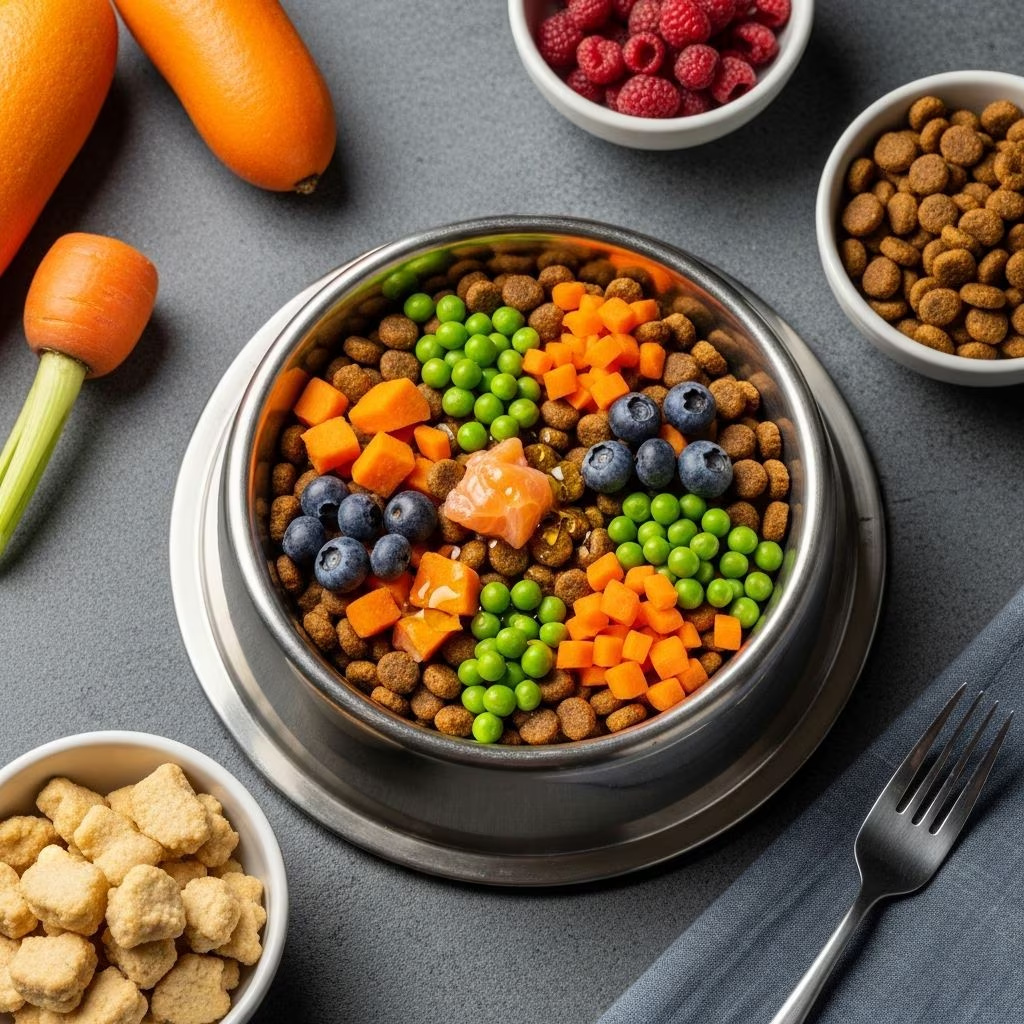
4 Ways to Boost Your Pup’s Meal Plan
As a dog owner, you want the best for your furry companion, and that starts with nutrition. While commercial dog foods are formulated to meet basic nutritional requirements, there are several strategic ways you can enhance your pup’s meals to provide additional nutritional benefits, improve palatability, and support their overall health and wellness. Whether your dog is a growing puppy, an active adult, or a senior companion, optimizing their meal plan can make a significant difference in their quality of life.
Understanding Your Dog’s Nutritional Needs
Before making any changes to your dog’s diet, it’s important to understand their fundamental nutritional requirements. According to the Association of American Feed Control Officials (AAFCO), dogs require six essential nutrient groups including protein, fats, carbohydrates, vitamins, minerals, and water. Each of these plays a vital role in maintaining your dog’s health, supporting immune function, maintaining muscle mass, and ensuring proper organ function. The specific nutritional needs of your dog will vary based on their age, size, activity level, and overall health status.
Strategy 1: Add Protein-Rich Supplements
Protein is the foundation of a dog’s diet and serves as the most essential building block for their body. High-quality, animal-based proteins have high bioavailability, meaning your dog’s body can absorb and use them efficiently. Compared to meat-based proteins, dogs can absorb only about half of the nutritional value of plant-based proteins.
Benefits of Protein Enhancement
Adding protein-rich supplements to your dog’s meals can provide numerous benefits:
- Support muscle development and maintenance
- Strengthen immune function through antibody production
- Promote tissue repair and recovery
- Enhance skin and coat quality
- Provide essential amino acids for optimal health
Quality Protein Sources to Consider
Some excellent protein sources to add to your dog’s meals include:
- Lean meats: Chicken, turkey, beef, and lamb
- Fish: Salmon and other fatty fish rich in omega-3s
- Eggs: A complete protein containing all essential amino acids
- Plain yogurt: Provides protein and beneficial probiotics
- Cottage cheese: A palatable, easily digestible protein option
When introducing new protein sources, it’s essential to do so gradually and ensure they’re prepared without added seasonings, salt, or harmful ingredients. Always consult with your veterinarian before making significant dietary changes, particularly if your dog has existing health conditions or dietary sensitivities.
Strategy 2: Incorporate Healthy Fats and Omega Fatty Acids
Dietary fats are crucial for providing your dog with concentrated energy—more than double what they get from carbohydrates or protein—and are also important for brain health. Essential fatty acids, particularly omega-3 and omega-6, support skin and coat health, reduce inflammation, and promote cognitive function.
Top Fat Sources for Dogs
Consider adding these healthy fat sources to your dog’s meals:
- Salmon oil
- Fish oil
- Beef or pork fat
- Chicken fat
- Egg yolk
- Flaxseed or flaxseed oil
- Coconut oil
- Canola oil
- Sunflower oil
Omega Fatty Acid Benefits
Omega-3 fatty acids help reduce inflammation throughout the body, which is particularly beneficial for dogs with joint issues or inflammatory conditions. Omega-6 fatty acids promote healthy skin and contribute to a shiny, lustrous coat. Together, these essential fatty acids support:
- Cardiovascular health
- Brain development and function
- Joint flexibility and mobility
- Skin barrier integrity
- Coat shine and softness
- Immune system support
When adding oils to your dog’s meal, start with small amounts (typically a teaspoon to a tablespoon depending on your dog’s size) and gradually increase to the recommended dosage. Store oils in a cool, dark place to prevent oxidation and rancidity.
Strategy 3: Add Nutrient-Dense Vegetables and Whole Foods
While dogs are primarily carnivores, incorporating nutrient-dense vegetables and whole foods can significantly enhance their meals. Carbohydrates from sources such as whole grains, sweet potatoes, and legumes provide fiber for digestion and a steady energy source.
Dog-Safe Vegetables and Additions
Many vegetables are not only safe for dogs but offer substantial nutritional benefits:
- Sweet potatoes: Rich in beta-carotene, fiber, and B vitamins
- Carrots: Low in calories, promote dental health, and contain beneficial vitamins
- Green beans: Low-calorie, nutrient-rich vegetables
- Pumpkin: Supports digestive health with soluble fiber
- Spinach: Contains iron and antioxidants (in moderation)
- Blueberries: Packed with antioxidants and beneficial compounds
- Apples: Source of fiber (remove seeds)
- Broccoli: Contains sulforaphane, known for anti-inflammatory properties
Preparation Guidelines
When adding whole foods to your dog’s meal, keep these guidelines in mind:
- Cook vegetables thoroughly to improve digestibility
- Cut into appropriate sizes to prevent choking hazards
- Avoid seasonings, salt, and spices
- Start with small portions and monitor for digestive changes
- Maintain vegetables as no more than 10% of daily caloric intake
- Avoid toxic foods such as grapes, raisins, avocado, and chocolate
Strategy 4: Use Targeted Supplements and Functional Ingredients
Beyond whole food additions, specific supplements and functional ingredients can provide targeted nutritional support for your dog’s particular health needs. These supplements can address joint health, digestive support, cognitive function, and overall wellness.
Common Beneficial Supplements
Several supplements have strong evidence supporting their benefits for dogs:
- Glucosamine and Chondroitin: Support joint health and mobility, especially beneficial for working dogs and senior companions
- Probiotics: Promote digestive health and support gut microbiome balance
- DHA (Docosahexaenoic Acid): An omega-3 fatty acid crucial for brain and eye development, particularly important for puppies
- Antioxidants: Such as vitamins E and C, support immune function and combat oxidative stress
- Prebiotic Fibers: Support digestive health and nutrient absorption
- Green-lipped Mussel: Contains natural glucosamine and chondroitin for joint support
Considerations Before Adding Supplements
Before introducing any supplement to your dog’s diet, consider the following:
- Consult with your veterinarian to ensure the supplement is appropriate for your dog
- Choose reputable brands with quality assurance and third-party testing
- Start with appropriate dosages for your dog’s weight and age
- Monitor for any adverse reactions or changes in behavior
- Be aware that some supplements may interact with medications
- Ensure the supplement addresses a specific health need rather than being unnecessary
Life Stage Considerations
Different life stages require different nutritional approaches. Understanding your dog’s specific needs will help you tailor meal enhancements appropriately.
Puppies
Puppies have unique nutritional needs—they are not just smaller versions of adults. Growing puppies require higher levels of protein, fat, phosphorus, and calcium to support muscle and bone development and provide the energy needed for growth. Puppy formulas typically include DHA for brain and eye development, prebiotic fibers to support digestive health, and antioxidant blends to help support their developing immune system.
Adult Dogs
Adult dogs have the greatest amount of flexibility in their nutrient intake but should still eat a complete and balanced diet to support their health. Standard adult dog foods must contain at least 18% protein to meet AAFCO standards. However, meal enhancements can provide additional support for energy, coat quality, and overall vitality.
Senior Dogs
Older dogs often require fewer calories and might need a more easily digestible diet. They may benefit from joint-supporting supplements, antioxidants for cognitive function, and easily digestible protein sources. Senior dogs often have specific health considerations that may benefit from targeted meal enhancements.
Active and Working Dogs
Performance and working dogs have elevated caloric needs and benefit from meal enhancements that provide both building blocks and energy. These dogs may require protein levels as high as 30-32% and fat levels around 20-25%. They particularly benefit from joint-supporting supplements like glucosamine and chondroitin, as well as amino acids to support muscle recovery and maintenance.
Practical Tips for Meal Preparation and Implementation
Implementing these meal-boosting strategies successfully requires practical knowledge and careful planning.
Gradual Introduction
When introducing new foods or supplements to your dog’s diet, do so gradually to allow their digestive system to adapt. Sudden dietary changes can lead to gastrointestinal upset. Introduce new ingredients over 7-10 days, gradually increasing the proportion of new food while decreasing the old.
Portion Control
As a general rule of thumb, most dogs will consume 2 to 4 percent of their body weight in food. When adding nutrient-dense supplements and whole foods, be mindful of total caloric intake to prevent obesity. Small dogs are at greater risk of obesity, making it very important to follow specific feeding instructions and work with your veterinarian to establish appropriate portions.
Storage and Safety
Proper storage of supplements and whole foods maintains their nutritional value and prevents spoilage. Store oils in cool, dark places, keep supplements in airtight containers, and use fresh ingredients promptly. Always check that added ingredients are dog-safe and free from harmful substances.
Frequently Asked Questions (FAQs)
Q: Can I add supplements to my dog’s food if they already eat complete and balanced kibble?
A: Yes, you can add supplements to complete and balanced kibble, but it’s important to consult your veterinarian first to ensure the additions complement rather than interfere with your dog’s existing nutrition. Some supplements may duplicate nutrients already in the food, while others may provide beneficial additions for specific health needs.
Q: How much omega-3 oil should I add to my dog’s meals?
A: The appropriate dosage depends on your dog’s weight and the specific supplement. Generally, small dogs may receive about 250 mg EPA/DHA daily, while larger dogs may receive 500 mg or more. Always follow the product recommendations and consult your veterinarian for personalized dosing.
Q: Are homemade meal enhancements as beneficial as commercial supplements?
A: Both can be beneficial, but commercial supplements are standardized for dosage and purity. Whole food additions provide natural nutrition and are excellent complements to commercial dog food. For optimal results, combine quality commercial dog food with thoughtful whole food additions and targeted supplements as recommended by your veterinarian.
Q: How long does it take to see improvements from meal enhancements?
A: Improvements vary by type of enhancement and individual dog. Coat and skin improvements may appear within 4-8 weeks with omega-3 supplementation. Joint support may take 4-6 weeks to show noticeable benefits. Always maintain consistency and consult your veterinarian if you don’t see expected improvements.
Q: Can I boost my senior dog’s meals differently than an adult dog’s?
A: Yes, senior dogs often benefit from different enhancements. They may particularly benefit from joint-supporting supplements, easily digestible protein additions, and antioxidants for cognitive function. Senior dogs often require fewer calories, so portions of enhancements should be adjusted accordingly.
Q: Should I stop feeding commercial dog food if I’m boosting meals with whole foods?
A: No, commercial dog food formulated to meet AAFCO standards provides a complete nutritional foundation. Whole food and supplement additions should comprise no more than 10-20% of your dog’s daily caloric intake, with the majority coming from quality commercial dog food. This balanced approach ensures comprehensive nutrition.
References
- The Ultimate Guide to Dog Food Ingredients — Chewy. 2025. https://www.chewy.com/education/dog/food-and-nutrition/dog-food-ingredients
- 12 Best Dog Foods in 2025, Vet Recommended — Chewy. 2025. https://www.chewy.com/education/dog/food-and-nutrition/best-dog-food
- How to Read a Dog Food Label — Chewy. 2025. https://www.chewy.com/education/dog/food-and-nutrition/dog-food-labels-and-dog-nutrition
- Dog Nutrition: What Is Complete and Balanced Dog Food? — Chewy. 2025. https://www.chewy.com/education/dog/food-and-nutrition/dog-nutrition-complete-and-balanced-dog-food
- Proper Nutrition for Your Working Dog — Chewy. 2025. https://www.chewy.com/education/dog/food-and-nutrition/proper-nutrition-working-dog
- How Much Food Should I Feed My Dog? — Chewy. 2025. https://www.chewy.com/education/dog/food-and-nutrition/how-much-food-to-feed-my-dog
- What Is Science-Based Dog Food? — Chewy. 2025. https://www.chewy.com/education/dog/food-and-nutrition/what-is-science-diet-pet-food



