

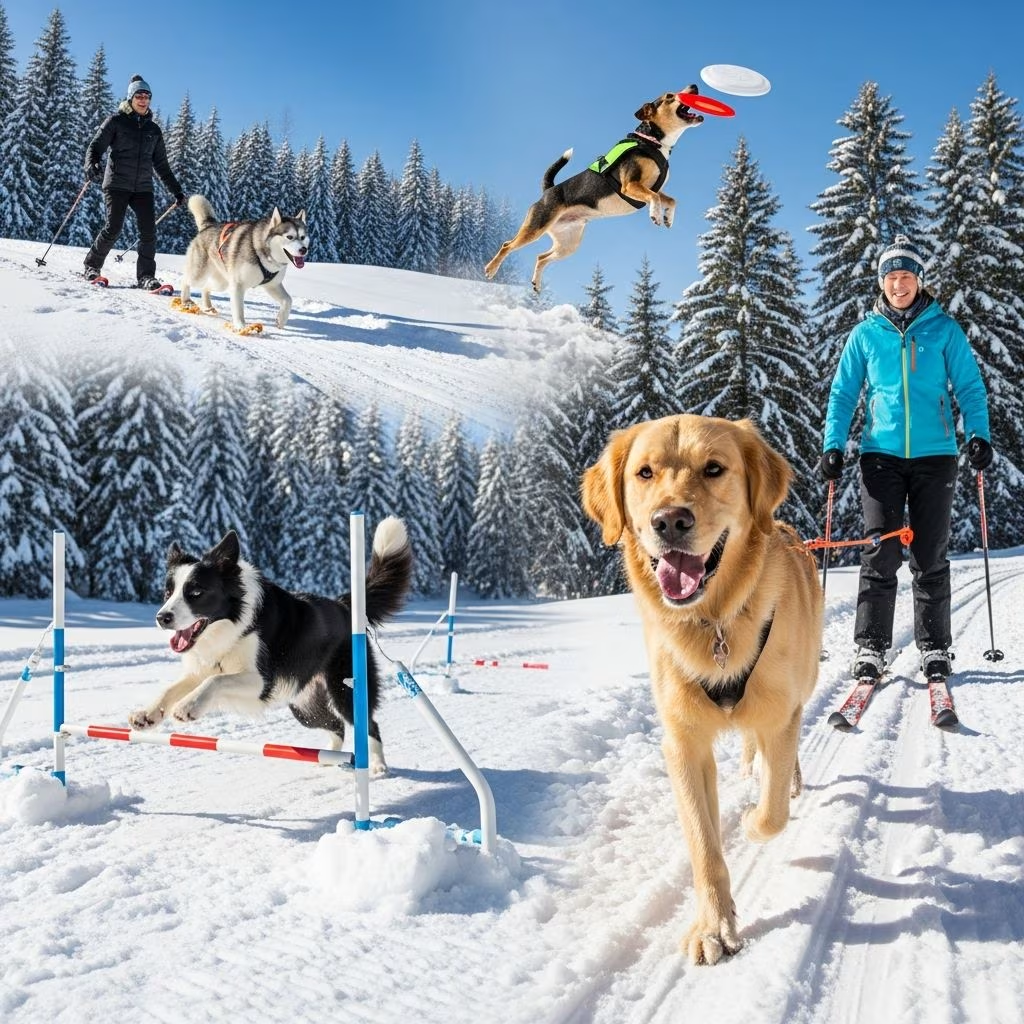
Keep Your Dog Active and Healthy During Winter
Winter doesn’t have to mean a slowdown in your dog’s physical activity and mental stimulation. While cold temperatures and snow may limit traditional outdoor play, they create wonderful opportunities for specialized winter dog sports that can strengthen your bond with your furry companion while keeping them fit and engaged. Whether you have a high-energy athlete or a more laid-back pup, there are winter activities suited to every dog’s fitness level and personality. These sports not only provide excellent cardiovascular exercise but also offer mental enrichment and socialization opportunities that are crucial for your dog’s overall well-being.
Why Winter Sports Matter for Your Dog’s Health
Regular exercise is essential year-round, but winter presents unique challenges for pet owners. Snow and cold temperatures can make traditional activities uncomfortable or even unsafe. However, engaging in winter-specific dog sports offers multiple benefits beyond physical fitness. These activities help maintain your dog’s muscle tone, prevent winter weight gain, and provide the mental stimulation dogs need to stay emotionally healthy. Additionally, winter sports create memorable bonding experiences between you and your dog, deepening your relationship through teamwork and shared adventures. Dogs that engage in consistent physical activity also tend to sleep better, display fewer behavioral problems, and maintain better overall health throughout their lives.
Skijoring: Combining Skiing with Your Dog
Skijoring is an exhilarating winter sport that combines cross-country skiing with your dog’s natural running abilities. In this activity, your dog wears a specially designed harness connected to a towline that attaches to your skijoring belt. As you glide along snowy trails propelled by your skis and poles, your dog runs alongside you, providing forward momentum and guidance. This sport has become increasingly popular, with competitions held at regional and national championships across North America and Europe.
Getting Started with Skijoring
Many people assume skijoring is only for northern dog breeds like Siberian Huskies, but that’s not necessarily true. Almost any dog that loves running, weighs enough, and is tall enough to negotiate snow effectively can become a great skijoring partner. Medium to large breeds are ideal for this sport, as they have the size and strength to handle the demands of pulling a skier. Before starting, ensure your dog has proper conditioning and knows basic commands. Your dog should be comfortable wearing a harness and responding to directional cues like “gee” (right) and “haw” (left).
To begin skijoring, you’ll need specialized equipment including a skijoring harness, a towline of appropriate length, cross-country skis, and ski poles. The harness should distribute weight evenly across your dog’s chest and shoulders to prevent injury. Start with short distances on flat terrain to allow your dog to build endurance and understand the sport’s demands. As your dog becomes more experienced, you can tackle more challenging terrain and longer distances. The quiet exhilaration of skiing through fresh powder with your dog at your side creates a unique bonding experience that many winter enthusiasts describe as transformative.
Kicksledding: An Easier Introduction to Winter Sports
If you and your dog love the idea of winter mushing but aren’t quite ready for the intensity of full sledding or skijoring, kicksledding offers a perfect middle ground. This Scandinavian-developed sport uses a specially designed sled that you propel forward by pushing with one foot while standing on the sled runners, similar to a scooter. Your dog wears a harness connected to a towline that allows them to help pull the sled across snow and ice.
Kicksledding Equipment and Technique
Kicksledding requires minimal equipment: a sled specifically designed for this purpose, a harness fitted to your dog, and a towline of appropriate length. Unlike traditional dog sledding, which works best in deep snow, kicksledding is designed for packed snow or icy surfaces and works exceptionally well on flat terrain. The sport provides vigorous exercise for both you and your dog without being as demanding as full mushing.
Before kicksledding, teach your dog essential voice commands since they must respond reliably to your directional cues. Commands like “gee,” “haw,” “whoa,” and “go” help your dog understand what you’re asking. Start in a controlled environment where your dog can learn these cues without distractions. Kicksledding not only builds your dog’s strength and endurance but also strengthens their responsiveness to your commands, creating a more obedient and well-trained pet overall.
Snowshoeing: A Gentler Winter Adventure
For dog owners seeking a gentler winter workout that still provides excellent exercise and bonding opportunities, snowshoeing is an ideal choice. This low-impact activity allows you to explore snowy trails and forests at your own pace while your dog enjoys the adventure alongside you. Snowshoeing accommodates dogs of various sizes and fitness levels, making it accessible to nearly every canine companion.
Preparing for Snowshoeing with Your Dog
Snowshoeing requires relatively simple equipment: snowshoes for yourself, a harness for your dog, a towline, and a waist belt to secure the line. The beauty of snowshoeing is its flexibility. Depending on your comfort level and your dog’s fitness, your outing can range from a leisurely stroll through familiar trails and parks to a more rigorous adventure through deep powder and challenging terrain.
When snowshoeing with your dog, consider their size and fitness level. Larger breeds with longer legs navigate deep snow more easily than short-legged dogs, which may tire quickly in ankle-deep snow. Start with shorter distances to gauge your dog’s endurance, then gradually increase distance and difficulty as they build strength and confidence. Snowshoeing offers an excellent opportunity to vary terrain between harder and softer ground, which is easier on muscles for both you and your dog. This adaptable winter sport allows families to enjoy outdoor adventures together regardless of their fitness level.
Canicross: Running with Your Dog
Canicross, derived from the term “cross-country running,” involves running as a team with your dog in the lead. Unlike other winter sports that require snow, canicross can be enjoyed in various seasons and on diverse terrain. This sport requires minimal equipment—just a well-fitting harness for your dog that allows complete freedom of movement, a waist belt for you, and a bungee line that connects you and your dog.
Essential Skills for Canicross Success
In canicross, the human acts as the driver, issuing voice commands to guide your dog’s direction and speed. Your dog must know and respond reliably to directional cues. Before beginning canicross, ensure your dog has a solid foundation in obedience training and understands commands like “left,” “right,” “faster,” and “slower.”
The versatility of canicross is one of its greatest advantages. Your choice of locale is virtually unlimited—from forest trails and local parks to beaches and mountains. Working breeds traditionally dominate canicross competitions, but any dog that enjoys running and maintains good physical condition can become an excellent canicross partner. To protect your dogs’ joints and muscles, vary the terrain between harder and softer ground during your runs. This variation also keeps the activity interesting and prevents boredom. Canicross provides an outstanding cardiovascular workout for both human and canine athletes while building trust and communication between teammates.
Training Your Dog for Winter Sports
Regardless of which winter sport interests you, proper training is essential for both your dog’s safety and enjoyment. Dogs need to understand and reliably respond to specific commands before engaging in any organized winter sport. Start with basic obedience training if your dog hasn’t already completed it. Commands like “sit,” “stay,” “heel,” and “come” form the foundation for more specialized sport commands.
Gradually introduce your dog to the equipment they’ll wear during winter sports. Let them wear the harness during regular walks before attempting the actual sport. Allow them to become comfortable with towlines and the feel of pulling. Practice directional commands in controlled environments, rewarding your dog with treats and praise for correct responses. Build your dog’s fitness gradually, just as you would for human athletic training. Short sessions prevent injury and maintain enthusiasm for the activity.
Safety Considerations for Winter Dog Sports
Winter presents specific challenges to your dog’s safety. Cold temperatures can lead to frostbite on paw pads, ears, and tail. Consider using dog booties to protect paws from snow, ice, and salt used on roads. Some dogs benefit from winter coats or sweaters, particularly small breeds or those with thin coats. Monitor your dog for signs of cold stress, including reluctance to move, excessive shivering, or seeking warmth constantly.
Always check weather conditions before heading out. Extremely cold temperatures, ice storms, or whiteout conditions can be dangerous for both you and your dog. Adjust your activity duration and intensity based on temperature and wind chill. Keep your dog hydrated even in winter—dehydration occurs in cold weather too. Ensure your dog is up-to-date on vaccinations and parasite prevention, and consult your veterinarian before starting any new exercise program, particularly for senior dogs or those with existing health conditions.
Indoor Winter Activities When Outdoor Sports Aren’t Possible
On days when weather makes outdoor activities unsafe or uncomfortable, indoor alternatives keep your dog active and mentally stimulated. Setting up an indoor agility course using household items like cushions, blankets, and furniture creates an engaging challenge for your dog. Build tunnels from blankets, create jumps from cushions, and design weaving paths around furniture. Change the course layout every few days to maintain your dog’s interest and motivation.
Tug-of-war is another excellent indoor activity that burns energy and strengthens your bond. Use a sturdy rope toy and incorporate commands like “drop it” and “take it” to keep the game safe and controlled. Hide-and-seek games where you hide treats or toys around your home provide mental stimulation and encourage your dog to use their natural scenting abilities. Trick training and puzzle toys also offer valuable mental enrichment during winter downtime.
Comparing Winter Dog Sports
| Sport | Equipment Needed | Ideal Dog Size | Fitness Level Required | Terrain Requirements |
|---|---|---|---|---|
| Skijoring | Skis, harness, towline, skijoring belt | Medium to Large | High | Snowy trails |
| Kicksledding | Sled, harness, towline | Medium to Large | Moderate to High | Packed snow or ice |
| Snowshoeing | Snowshoes, harness, towline, waist belt | All sizes | Low to Moderate | Snowy trails and parks |
| Canicross | Harness, waist belt, bungee line | All sizes | Moderate to High | Various terrains |
Frequently Asked Questions About Winter Dog Sports
Q: At what age can my dog start participating in winter sports?
A: Most dogs should be at least one year old before starting structured winter sports, as their bones and joints need time to fully develop. Consult your veterinarian about your specific dog’s readiness based on their breed and size.
Q: How long should winter sports sessions last for my dog?
A: Start with 15-20 minute sessions and gradually increase duration as your dog builds fitness. Most dogs can handle 30-60 minute sessions once properly conditioned, but individual tolerance varies. Watch for signs of fatigue and allow rest days between intense activities.
Q: Are winter sports suitable for senior dogs?
A: Senior dogs can participate in gentler winter activities like snowshoeing or leisurely canicross outings, but always consult your veterinarian first. Joint issues and age-related conditions may limit participation in more intense sports.
Q: How do I know if my dog is too cold?
A: Signs of cold stress include excessive shivering, reluctance to move, seeking constant warmth, whining, or lifting paws off the ground frequently. If you observe these signs, bring your dog inside immediately and allow them to warm up gradually.
Q: Can small dogs participate in winter sports?
A: Yes, small dogs can enjoy canicross and snowshoeing at appropriate speeds and distances. Skijoring and kicksledding require larger dogs due to weight and pulling requirements. Always match the sport to your dog’s size and capabilities.
Q: What if my dog has never done organized activities before?
A: Start with basic obedience training to build your dog’s responsiveness to commands. Then introduce the specific sport gradually, letting them become comfortable with equipment before engaging in the actual activity. Patience and positive reinforcement are key.
Getting Started with Winter Dog Sports
The best winter dog sport for you and your dog depends on your location, your fitness level, your dog’s size and temperament, and your available equipment and time. Begin by assessing your dog’s current fitness level and consulting with your veterinarian to ensure they’re healthy enough for increased activity. Research local clubs or organizations dedicated to your sport of interest—they often offer training resources, equipment advice, and opportunities to connect with other enthusiasts.
Invest in quality equipment that fits properly and is designed specifically for the sport. Proper fit prevents injury and ensures your dog’s comfort and safety. Start slowly, building your dog’s fitness and confidence gradually. Celebrate small victories and progress. Winter dog sports offer more than just physical exercise; they create lasting memories, deepen your bond with your dog, and provide both of you with a sense of accomplishment and joy during the winter months.
References
- Unique Winter Activities For Dogs — American Kennel Club. 2024. https://www.akc.org/expert-advice/health/unique-winter-activities-dogs/
- Winter Activities to do with Your Canine (and Feline) Companion — Montana Pet Dentist. 2024. https://montanapetdentist.com/winter-activities-to-do-with-your-canine-and-feline-companion/
- Winter Activities for Dogs — Much Ado About Doodles. 2024. https://muchadoaboutdoodles.com/winter-activities-for-dogs/
- Beat the Winter Blues: Activities for Dogs in Winter — Performance K9 Training. 2024. https://performancek9training.com/beat-the-winter-blues-activities-for-dogs-in-winter/
- Winter Activities To Do With Your Dog — Ruffwear. 2024. https://ruffwear.com/blogs/explored/winter-activities-to-do-with-your-dog



