

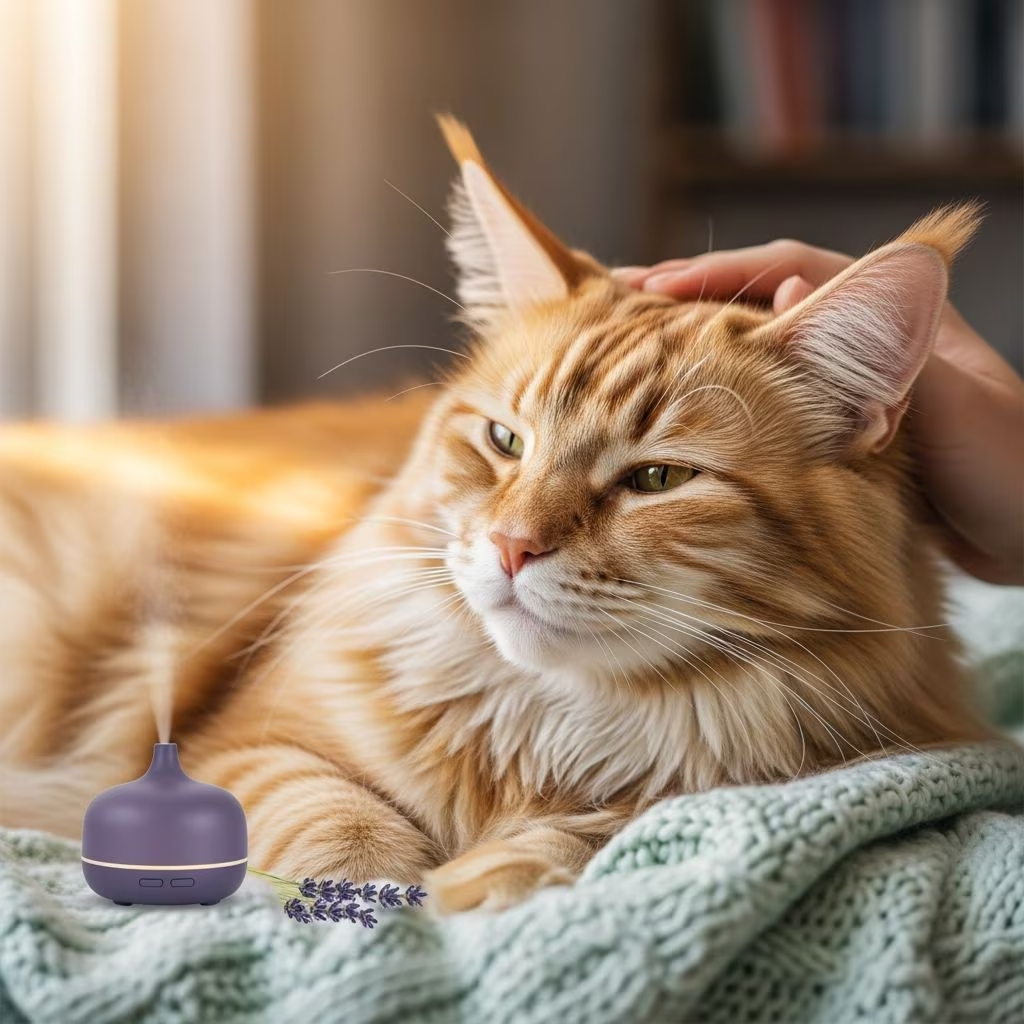
3 Ways to Calm Your Anxious Cat
It might be difficult to believe that cats can experience stress and anxiety. After all, they enjoy unlimited access to food, spend most of their day sleeping peacefully, and have no work responsibilities. Many cat owners have gazed at their sleeping feline companion on the way to work and thought, “I wish I had it that easy.” However, the reality is that cats are susceptible to stress and anxiety, just like any other animal. Understanding the signs of feline anxiety and knowing how to address it is crucial for maintaining a healthy and happy relationship with your cat.
Cats are creatures of habit, and their well-being depends significantly on maintaining a sense of control and predictability in their environment. When something disrupts this comfortable routine, cats lack the ability to communicate their concerns verbally to their owners. Situations that might seem insignificant to us can trigger considerable anxiety in our feline friends. As Dr. Robert Trimble, DVM, Head of Veterinarian Services and Lead Veterinarian at Yourfuzzy.com, explains, “Anything new that’s outside the ‘normal’ of a cat’s lifestyle can be a stress factor. Even down to something as insignificant as the type of cat litter in the litter box.”
Understanding Cat Anxiety and Its Symptoms
Recognizing the signs of stress in your cat is the first step toward helping them feel more secure and comfortable. Stressed cats often exhibit distinctive behavioral changes that alert caring pet parents to their emotional distress. According to Dr. Trimble, “One of the first things we look for when cats are stressed are behavioral symptoms.” Pet parents should be vigilant in observing their cats for the following indicators of anxiety:
- Inappropriate urination or defecation outside of the litter box
- Excessive vocalization or meowing
- Excessive, compulsive grooming behaviors
- Heavy, open-mouthed breathing or panting
- Hiding or avoiding human contact
- Decreased appetite or changes in eating habits
- Increased sleeping or lethargy
- Aggression toward other animals or people
These symptoms can manifest in various combinations depending on the severity of your cat’s anxiety and the specific stressors affecting them. If you notice any of these signs, especially if they persist over time, consulting with your veterinarian is essential to rule out underlying medical conditions and develop an appropriate treatment plan.
Method 1: Pheromone Therapy for Anxious Cats
One of the most scientifically supported and widely recommended methods for calming anxious cats is pheromone therapy. This approach works by exposing cats to synthetic pheromones that closely mimic the natural calming pheromones that cats produce when they feel secure and content in their environment. These pheromones send signals to the cat’s brain that promote relaxation and a sense of safety.
Pheromone products come in various forms, making them accessible and convenient for different household situations. The most common formats include diffusers similar to room plug-in air fresheners, sprays that can be applied to specific areas, and collars that release pheromones near your cat’s face. Each option offers distinct advantages depending on your home’s layout and your cat’s specific needs.
Dr. Sara Ochoa, DVM, veterinarian at Animal Hospital of West Monroe in Louisiana, provides reassurance about the effectiveness of pheromone products: “The good news is, pheromone products really can help provide some calming effects for our feline friends.” The Comfort Zone 2X Pheromone Formula Calming Diffuser Kit stands out as a top-rated option that has earned positive reviews from countless cat owners seeking to create a calmer home environment for their pets.
Pheromone diffusers work particularly well for several scenarios:
- When cats are adjusting to a new home or environment
- During conflicts between multiple cats in the same household
- In preparation for stressful events like veterinary visits
- During thunderstorms or fireworks
- When introducing new family members to the home
- Before boarding or travel situations
The beauty of pheromone therapy is that it works naturally with your cat’s own biological systems, promoting genuine relaxation without sedation. This makes it an excellent first-line approach for managing feline anxiety across various situations.
Method 2: Natural Remedies and Aromatherapy
Beyond pheromone products, several natural remedies can provide quick relief for nervous or scared cats. While these solutions may not provide long-term anxiety management, they can be invaluable tools for addressing acute stress situations.
Catnip: A Time-Tested Solution
One of the most accessible natural remedies for cat anxiety is catnip, an herb that many cat owners already have in their homes. “It won’t work long-term, but it can cause an increase in your cat’s psychological well-being,” according to Dr. Trimble. When cats are exposed to catnip, they often experience a temporary mood boost that can help distract them from sources of stress. For anxious cats, offering a small amount of catnip during stressful situations like thunderstorms or vet visits can provide a natural, non-pharmaceutical way to help them relax.
Lavender and Aromatherapy
Another natural approach gaining recognition among veterinarians is aromatherapy with calming essential oils. Dr. Trimble notes that “lavender can have calming effects in scared cats and even dogs.” However, it’s crucial to exercise caution when introducing any scents to your cat’s environment. Cats possess an extraordinarily sensitive sense of smell, far superior to that of humans, which means certain scents can be irritating or overwhelming to them rather than soothing.
Before introducing any aromatherapy products or essential oils into your home, always consult with your veterinarian first. Your vet can guide you on which scents are safe for cats and recommend appropriate concentrations and application methods. Never apply essential oils directly to your cat’s fur or skin, as this can cause adverse reactions.
Natural remedies work best as supplementary approaches rather than complete solutions. They excel at providing immediate relief during specific stressful events but should typically be combined with longer-term strategies like pheromone therapy for comprehensive anxiety management.
Method 3: Calming Treats and Supplements
The pet wellness industry has developed numerous treats specifically formulated to address anxiety and stress in cats. These products typically contain natural ingredients designed to promote relaxation without causing sedation. Pet Naturals of Vermont Calming Cat Chews represent an excellent example of these non-sedative, natural solutions formulated specifically for stressors like thunderstorms and veterinary visits.
Calming treats offer several advantages for anxious cats:
- Easy administration—most cats enjoy treats as rewards
- Natural ingredients without pharmaceutical side effects
- Can be given before anticipated stressful situations
- Help create positive associations during anxiety-inducing events
- No prescription required
- Can be used as part of a comprehensive anxiety management plan
These specialized treats typically contain ingredients like chamomile, L-theanine, or thiamine (vitamin B1), which are believed to have mild calming properties. While they won’t resolve underlying anxiety disorders, they can be particularly effective for situational stress and work well in conjunction with pheromone therapy and environmental modifications.
When selecting calming treats, look for products from reputable brands that disclose their ingredients and manufacturing standards. Consult with your veterinarian before introducing any new supplement or treat, especially if your cat is already taking medications or has underlying health conditions.
Combining Approaches for Maximum Effectiveness
The most successful approach to managing cat anxiety often involves combining multiple strategies tailored to your individual cat’s needs and specific stressors. A comprehensive plan might include pheromone diffusers for ongoing environmental support, natural remedies like catnip for acute situations, and calming treats before anticipated stressful events.
Creating a multi-faceted approach acknowledges that different cats respond to different interventions, and what works wonderfully for one cat may be less effective for another. Working closely with your veterinarian to develop a personalized anxiety management plan ensures that your efforts are targeted, evidence-based, and appropriate for your cat’s specific situation.
When to Seek Professional Help
While the methods described above are effective for many cats experiencing mild to moderate anxiety, some cats may require more intensive intervention. If your cat continues to exhibit significant anxiety symptoms despite implementing these strategies, or if anxiety is severely impacting their quality of life or your relationship with them, consult with your veterinarian about prescription options.
In cases of serious anxiety issues, veterinarians may recommend prescription cat anxiety treatments such as fluoxetine (commonly known as Prozac) or alprazolam (Xanax). Your veterinarian can provide the best guidance on managing anxiety in your specific cat and help you find the most appropriate combination of products and treatments for their unique needs.
Frequently Asked Questions About Calming Anxious Cats
Q: How long does it take for pheromone therapy to work?
A: Most cats begin showing signs of relaxation within a few hours to a few days of pheromone exposure. However, for optimal results, consistent use over several weeks is recommended, particularly for cats with chronic anxiety or during major environmental changes.
Q: Are pheromone products safe to use long-term?
A: Yes, pheromone products are designed to be safe for long-term use. They contain no drugs or sedatives and work by mimicking natural feline pheromones, making them a non-invasive option for ongoing anxiety management.
Q: Can I use multiple anxiety management methods simultaneously?
A: Absolutely. In fact, combining approaches like pheromone diffusers, calming treats, and environmental modifications often yields the best results. However, introduce new methods gradually and monitor your cat’s response to ensure they respond positively to the combination.
Q: Will catnip work on all cats?
A: No, not all cats respond to catnip. Approximately 70-80% of cats show a positive response to catnip, while others may be indifferent or even show negative reactions. If your cat doesn’t respond to catnip, that’s completely normal.
Q: How do I know if my cat’s anxiety is serious enough to warrant veterinary treatment?
A: If your cat exhibits persistent symptoms like inappropriate elimination, extreme aggression, complete loss of appetite, or signs of depression lasting more than a few days, schedule a veterinary appointment. Your vet can rule out medical causes and recommend appropriate treatment options.
Q: Are calming treats effective immediately?
A: Most calming treats begin working within 30 minutes to an hour. For best results, give them to your cat 30-60 minutes before an anticipated stressful event, allowing time for the ingredients to take effect.
References
- Cat Anxiety & Calming Care Essentials — Chewy. 2025. https://www.chewy.com/b/anxiety-calming-care-422
- 3 Ways to Calm Your Anxious Cat — Chewy. 2025. https://www.chewy.com/education/cat/health-and-wellness/3-ways-to-calm-your-anxious-cat
- 5 Signs You May Have a Stressed Cat—and How You Can Help — Chewy by Kathy Blumenstock. 2025. https://www.chewy.com/education/cat/health-and-wellness/is-your-cat-stressed
- What Are Pheromones in Cats? — Chewy. 2025. https://www.chewy.com/education/cat/health-and-wellness/how-to-calm-a-cat-using-pheromones
- The Ultimate Guide to Calming Your Stressed Pet – Cat — Chewy. 2025. https://www.chewy.com/education/cat/health-and-wellness/calming-dogs-cats



