

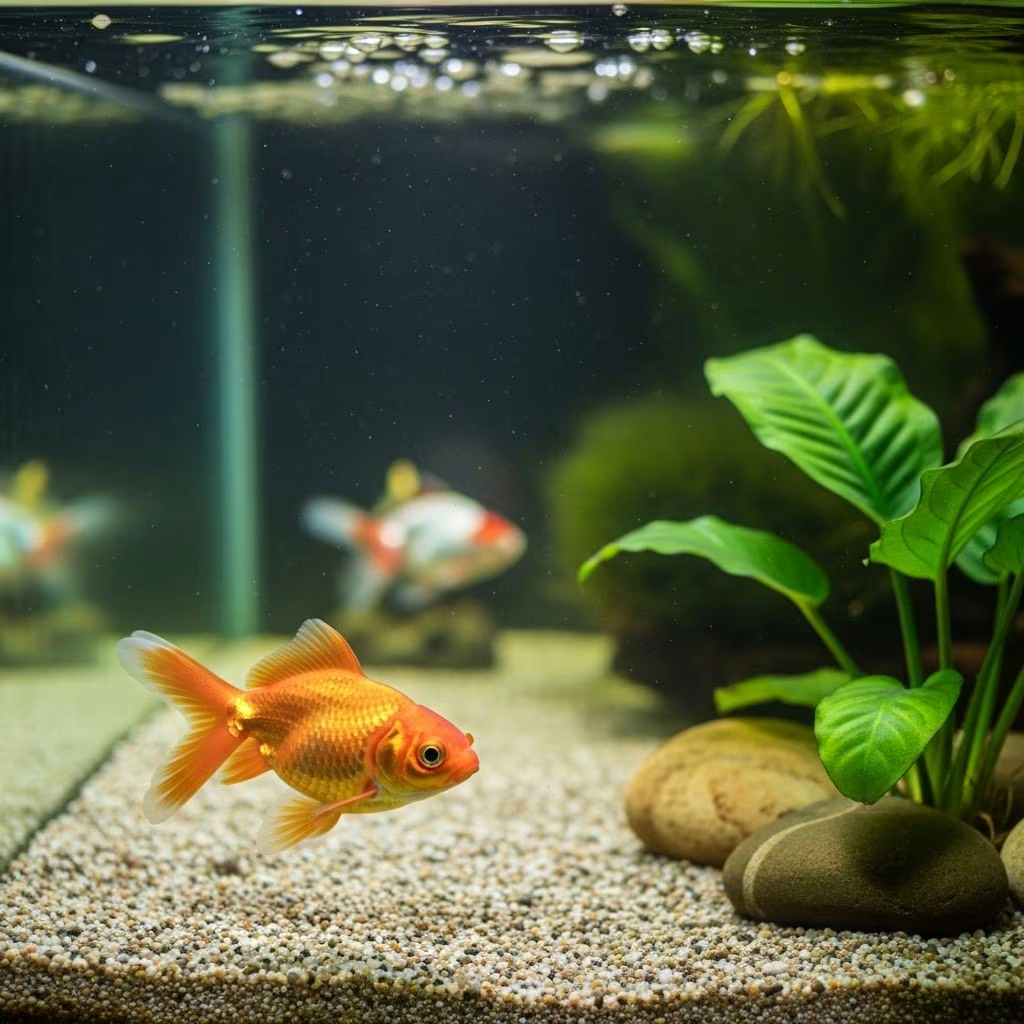
Goldfish are among the most popular pet fish, beloved for their vibrant colors and peaceful demeanor. However, despite their reputation as hardy fish, goldfish are surprisingly delicate creatures that require specific care conditions to thrive. Many well-intentioned fish owners inadvertently make mistakes that compromise their goldfish’s health and longevity. Understanding and avoiding these common pitfalls is essential for providing your goldfish with the best possible life. This comprehensive guide outlines three critical mistakes in goldfish care and provides actionable solutions to help you become a more informed and responsible goldfish keeper.
Understanding the Basics of Goldfish Care
Before diving into the specific mistakes, it’s important to recognize that goldfish have unique requirements compared to many other aquarium fish. Despite the common misconception that goldfish are low-maintenance pets that can survive in small bowls, the reality is quite different. Goldfish are active swimmers that produce significant waste and require adequate space, proper filtration, and regular maintenance. When these needs are not met, goldfish can suffer from stunted growth, disease, and premature death. Recognizing the importance of proper care is the first step toward preventing common mistakes.
Mistake #1: Providing an Inadequate Tank Size
One of the most prevalent mistakes in goldfish care is underestimating the space requirements of these fish. Many beginners assume that because goldfish start small, they can be kept in small tanks or even bowls. This misconception has led to countless goldfish living in unsuitable environments that stunt their growth and compromise their health.
Why Tank Size Matters
Goldfish can grow to be 5 to 8 inches in a tank environment and even up to 10 inches in larger pond settings. Their size potential makes adequate space absolutely critical for their well-being. A small tank restricts their ability to swim freely, limits their natural behaviors, and creates a toxic environment due to concentrated waste buildup. Furthermore, goldfish are prolific waste producers, meaning their tank water becomes contaminated quickly in confined spaces. This leads to poor water quality, stress, and various health issues including fin damage, disease, and organ failure.
Recommended Tank Sizes
The minimum tank size for a single goldfish should be at least 20 gallons. For each additional goldfish, you should add an extra 10 gallons to your tank capacity. This guideline ensures that each fish has sufficient space to swim, explore, and maintain acceptable water quality standards. For example, a 40-gallon tank would comfortably house two goldfish, while a 50-gallon tank would be suitable for three goldfish. Some experts recommend even larger tanks when possible, as additional volume provides a buffer against water quality fluctuations and allows for better filtration efficiency.
Additional Considerations for Tank Setup
Beyond size, the physical setup of the tank influences goldfish health. While decorations can enhance the aesthetic appeal of an aquarium, they should be chosen carefully. Sharp decorations can scratch the delicate scales and fins of goldfish, leading to injuries and secondary infections. Instead, opt for smooth decorations, floating plants, and substrate-rooted aquatic plants like lilies and lotus. These additions provide visual interest while maintaining a safe environment for your fish. The goal is to create a spacious setup that prioritizes the goldfish’s well-being over elaborate decoration schemes.
Mistake #2: Neglecting Water Quality and Filtration
Water quality is the foundation of fish health, yet many goldfish owners underestimate its importance. Goldfish produce copious amounts of waste, which rapidly degrades water quality in inadequately filtered systems. Poor water quality is directly linked to stress, disease, and shortened lifespans in goldfish.
The Importance of Regular Water Testing
Many aquarium owners make the critical error of assuming that clear-looking water is healthy water. However, water clarity is not an accurate indicator of chemical safety. Dangerous toxins like ammonia, nitrite, and nitrate can be present in crystal-clear water. These compounds accumulate from fish waste, uneaten food, and decaying plant matter. Testing water parameters at least once a month in established systems and more frequently in new setups is essential for maintaining a safe environment. Key parameters to test include pH level, ammonia concentration, nitrite levels, and nitrate levels. Additionally, always test for chlorine and chloramine when performing water changes, as these chemicals are deadly to both goldfish and the beneficial bacteria that maintain tank stability.
Water Change Protocols
Performing regular water changes is the most effective way to maintain water quality and remove accumulated toxins. For goldfish tanks, it is recommended to perform at least 25% weekly water changes. Some experienced keepers advocate for even more frequent changes, such as 30-50% weekly changes, depending on tank size and bioload. During water changes, use a reliable water conditioner to remove chlorine and chloramine, which can kill both your goldfish and the beneficial bacteria in your filter. Temperature differences between old and new water should not exceed 5 degrees Fahrenheit to prevent shocking the fish. Always use a water thermometer to verify temperature compatibility before introducing new water to the tank.
Filtration System Selection
Proper filtration is crucial for maintaining a clean and healthy environment. Many goldfish owners either use filters that are too weak for the task or fail to maintain them properly. An ideal filter for goldfish should handle the tank volume at least 4-6 times per hour. The biomedia used in the filter is equally important, as it provides habitat for beneficial bacteria that break down ammonia into less toxic nitrite and then into nitrate. High-quality biomedia options include K1 media, ceramic rings, or sponges. When maintaining your filter, never replace all filter cartridges simultaneously, as this eliminates the beneficial bacteria colony. Instead, replace only one cartridge at a time, allowing the remaining media to repopulate the removed cartridge with beneficial bacteria.
Mistake #3: Overfeeding Your Goldfish
Overfeeding is perhaps the most common mistake goldfish owners make, and its consequences extend far beyond simple obesity. Overfeeding creates significant problems for both the fish and the entire aquatic environment.
Why Overfeeding Is Harmful
Goldfish have relatively small stomachs and cannot consume large quantities of food at once. When overfed, they cannot digest all the food they consume, leading to digestive issues and constipation. Uneaten food decays in the tank, rapidly degrading water quality and increasing ammonia and nitrate levels. The excess waste produced by overfed fish also creates additional maintenance challenges and accelerates water deterioration. Overfeeding has been identified as a common cause of health issues and premature death in goldfish. Additionally, obesity in goldfish can lead to swim bladder problems, reduced lifespan, and various metabolic disorders.
Proper Feeding Guidelines
A general rule for feeding goldfish is to provide only as much food as they can consume in one to two minutes. Most goldfish require feeding only once or twice daily, with many keepers finding that once-daily feeding is sufficient for adult fish. While fish flakes are convenient and affordable, they are not ideal as a sole diet. Moist foods are easier to control portion-wise and provide better nutritional value. High-quality pellets designed specifically for goldfish are preferable to generic flakes, as they are formulated to meet goldfish nutritional requirements and typically result in less waste production.
Diet Variety and Nutrition
Providing dietary variety is important for the health of goldfish. A diet consisting solely of dry pellets can lead to nutritional deficiencies over time. Incorporate occasional treats such as blanched vegetables (peas, zucchini), live or frozen foods (brine shrimp, bloodworms), and specialized goldfish formulas. These varied foods provide essential nutrients and can support digestive health. Never feed your goldfish old or expired food, as this can introduce harmful bacteria and toxins. Always ensure that any food you offer is fresh and appropriate for goldfish consumption. Establishing a consistent feeding schedule helps maintain water quality and prevents the overeating that occurs when fish are fed multiple times throughout the day without measured portions.
Additional Factors in Goldfish Care
Water Temperature Management
While goldfish can tolerate a range of temperatures, maintaining consistency is important to minimize stress and prevent disease. Goldfish thrive best between 65-72°F (18-22°C). Using a reliable aquarium heater and thermometer helps maintain stable water temperatures. Even though goldfish can handle temperature fluctuations better than some tropical species, sudden changes can still cause stress and illness. In cooler climates or during winter months, a heater becomes essential to prevent temperature drops that could trigger disease outbreaks.
Avoiding Tank Overcrowding and Incompatible Tank Mates
Overcrowding creates stress, increases aggression, and elevates disease risk among goldfish. Strict adherence to the 20 gallons for the first fish plus 10 gallons per additional fish guideline is essential. Additionally, choosing compatible tank mates is critical. Goldfish should be housed with other goldfish varieties that have similar care requirements and temperaments. Avoid mixing goldfish with aggressive species or fish that have dramatically different temperature or water quality needs. Incompatible tank mates create stress that weakens the immune system and makes goldfish susceptible to disease.
Health Monitoring
Regular observation of your goldfish is vital for early disease detection. Watch for signs of distress including changes in behavior, loss of appetite, abnormal swimming patterns, visible lesions, or unusual spots or bumps. Common goldfish ailments include swim bladder disease, fin rot, wen infections, and parasitic infections. Early detection and treatment significantly improve recovery outcomes. Any goldfish showing signs of illness should be isolated in a quarantine tank to prevent disease transmission to other fish and to facilitate treatment.
Frequently Asked Questions About Goldfish Care
Q: Can goldfish really live in bowls?
A: No, goldfish cannot thrive in bowls. Despite this persistent myth, bowls lack the space, filtration, and water volume necessary for goldfish health. Goldfish kept in bowls typically suffer from stunted growth, disease, and shortened lifespans. A minimum 20-gallon tank with proper filtration is required for a single goldfish.
Q: How long do goldfish actually live?
A: With proper care, goldfish can live 10-20 years or even longer. Many goldfish die prematurely due to inadequate care, poor water quality, and overfeeding. Providing appropriate tank size, water quality, and nutrition can significantly extend your goldfish’s lifespan.
Q: What is the best food for goldfish?
A: High-quality goldfish-specific pellets are superior to generic fish flakes. Supplement with occasional blanched vegetables and live or frozen foods for dietary variety and nutritional balance. Avoid overfeeding regardless of the food type used.
Q: How often should I change the water?
A: Perform at least 25% water changes weekly for established goldfish tanks. New setups or tanks with higher bioloads may benefit from more frequent changes of 30-50% weekly. Always use a water conditioner to remove chlorine and chloramine.
Q: Can I keep multiple goldfish together?
A: Yes, goldfish can be kept together if you provide adequate space. Follow the guideline of 20 gallons for the first goldfish and 10 gallons for each additional fish. Ensure all goldfish are compatible varieties with similar care requirements.
Q: What temperature should my goldfish tank be?
A: Maintain temperatures between 65-72°F (18-22°C) for optimal goldfish health. Use a reliable heater and thermometer to maintain consistency and avoid sudden temperature fluctuations that cause stress and disease.
Conclusion
Avoiding the three most common mistakes in goldfish care—inadequate tank size, poor water quality, and overfeeding—dramatically improves goldfish health and longevity. By providing a spacious tank of at least 20 gallons, maintaining excellent water quality through regular testing and water changes, establishing proper filtration, and feeding appropriate portions of varied, high-quality foods, you create an environment where goldfish can thrive. Remember that goldfish are living creatures deserving of proper care and respect. The investment in appropriate equipment, regular maintenance, and education about goldfish-specific needs pays dividends in the form of a healthy, long-lived companion that brings joy for years to come. Start implementing these best practices today to ensure your goldfish receives the excellent care it deserves.
References
- Top 10 Common Mistakes in Ranchu Goldfish Care & How to Avoid Them — TropicFlow. https://tropicflow.com/blogs/goldfish-blogs/ranchu-goldfish-care-mistake
- 3 Common Mistakes Of Goldfish Care — Whiskers Paws Love. https://whiskerspawslove.org/article/3-common-mistakes-of-goldfish-care/
- Common Mistakes When Keeping Goldfish: Best Practices — Windsor Fish Hatchery. https://www.windsorfishhatchery.com.au/keeping_fish/common-mistakes-when-keeping-goldfish-best-practices/
- Goldfish Care: How To Avoid Basic Mistakes — About Goldfish. https://www.about-goldfish.com/goldfish-care.html
- Top 10 Mistakes Fish Owners Make — PetMD. https://www.petmd.com/fish/slideshows/top-10-mistakes-fish-owners-make



