

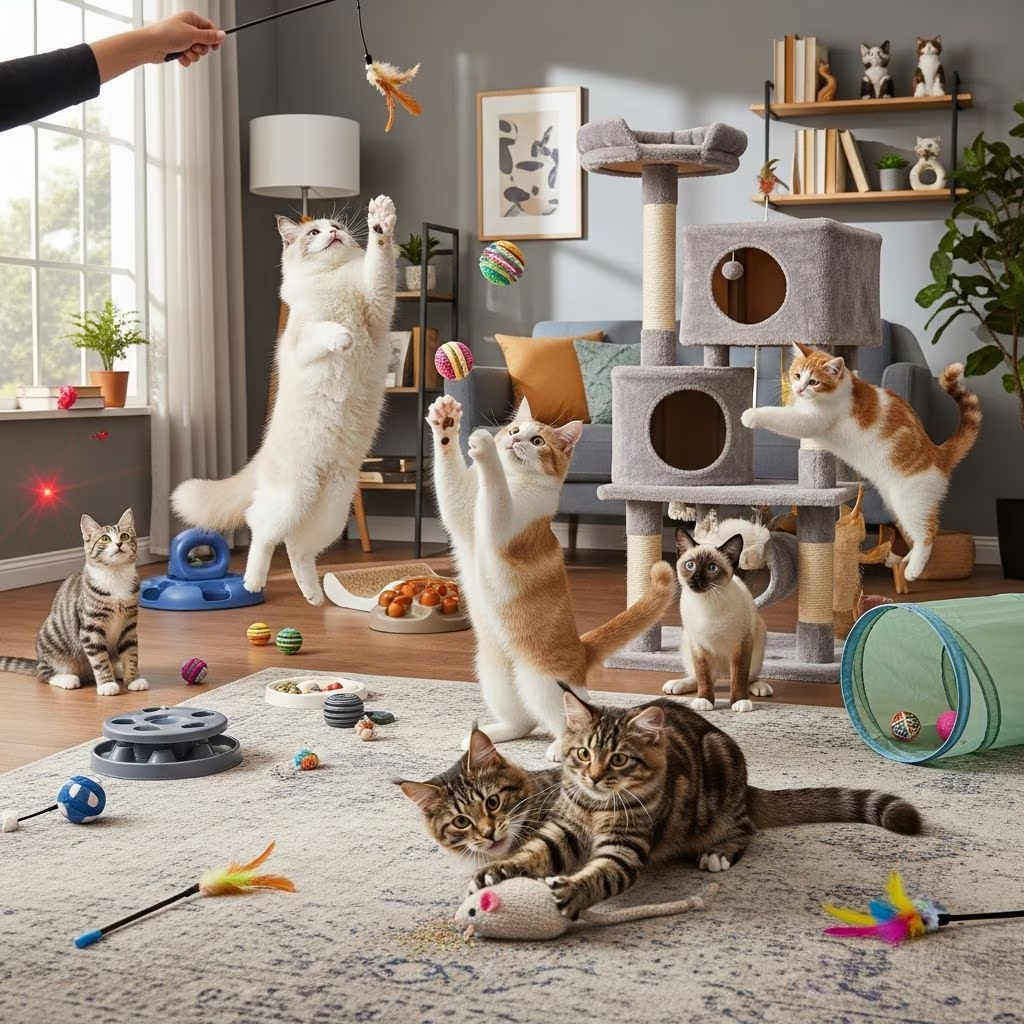
Cat exercise is one of the most important aspects of pet ownership that many feline parents overlook. While cats have a reputation for being lazy nappers, they actually require regular physical activity and mental stimulation to maintain optimal health and well-being. A sedentary lifestyle can lead to obesity, behavioral issues, and various health complications in cats of all ages. Whether you have a playful kitten, an energetic adult cat, or a senior feline, there are numerous activities and games designed to keep your beloved companion engaged and active throughout the year.
Why Cat Exercise Matters
Cats require both mental and physical exercise every day to remain healthy and happy. Aim for 15–20 minutes of physical activity every day to support your cat’s overall wellness. Regular exercise helps prevent weight gain, strengthens muscles, improves coordination and agility, and provides essential mental stimulation that keeps your cat’s mind sharp and engaged. Additionally, incorporating exercise into your daily routine strengthens the bond between you and your feline friend, creating positive interactions and lasting memories.
25 Exciting Cat Activities and Games
1. Chasing Laser Pointers
Laser pointers are considered the holy grail of cat toys and remain one of the most effective ways to get your cat moving. These small devices emit a red dot that cats find irresistible, triggering their natural hunting instincts. However, it’s crucial to ensure the game concludes with your cat being able to catch their “prey.” Consider ending each session by allowing your cat to catch a physical toy or treat, as this provides closure to the hunting experience and prevents frustration.
2. Leash Training
Your dog enjoys a stroll around the neighborhood—and given the opportunity, your cat might enjoy walking on a leash too. Leash training your cat can provide physical activity and mental stimulation by exposing them to new environments and sensory experiences. It’s very important to use a harness, not just a collar, and to let your cat get accustomed to short periods of time wearing the harness indoors before going outside. Start with brief indoor walks and gradually progress to outdoor adventures as your cat becomes more comfortable.
3. Watching Bird Feeders and Aquariums
An interesting, enriching environment naturally leads to exercise, and there’s nothing more interesting to a cat than watching birds and fish in their natural habitats. Cats need stimulation, including multiple places to jump and climb, bird feeders to watch outside windows, aquariums to view, and even videos made especially for cats that feature birds, fish, and other moving things that catch a cat’s interest. This passive form of enrichment engages your cat’s hunting instincts while allowing them to observe natural prey movements from a safe distance.
4. Interactive Puzzle Feeders
Interactive puzzle feeders combine mealtime with mental stimulation and physical activity. These toys require your cat to manipulate, paw, or move components to access their food, turning ordinary meals into engaging activities. Puzzle feeders slow down fast eaters, encourage problem-solving skills, and promote natural hunting behaviors. They’re particularly beneficial for indoor cats who need additional mental challenges to prevent boredom.
5. Clicker Training
Clicker training isn’t just for dogs. Cats respond wonderfully to this positive reinforcement method and can learn impressive tricks, including obstacle courses and complex behaviors. A certified cat behavior consultant successfully trained a 9-year-old cat who never had previous training exposure to ride a skateboard, demonstrating that cats are far more capable than most people realize. Clicker training involves marking desired behaviors with a distinctive clicking sound followed by a reward, creating clear communication between you and your cat. Start small with simple tricks like sitting or high-fiving, and gradually work your way up to more complicated behaviors.
6. Feather Toys and Wand Toys
Interactive wand toys with feathers, strings, or small toys attached to the end of a pole provide excellent opportunities for interactive play. These toys mimic the movements of birds and small prey, triggering your cat’s natural hunting instincts. Wave and move the toy unpredictably to keep your cat engaged and active during play sessions. These toys are particularly effective for one-on-one bonding time with your feline friend.
7. Scratching Posts and Cat Trees
Scratching is a natural instinct for cats, and providing appropriate scratching options keeps both you and your cat happy. Cat trees and scratching posts offer multiple benefits: they satisfy your cat’s natural scratching behavior, provide climbing and jumping opportunities, and serve as vantage points for observation. Try rubbing a little catnip on the scratching pad or post to encourage your kitty to use it. Experiment with different materials like cardboard, sisal, or carpet to find what your cat prefers.
8. Catnip-Filled Toys
Catnip is a powerful motivator for many cats, triggering playful and energetic responses. Catnip-filled toys come in various shapes and sizes, from small mice to larger plush toys. The sensory stimulation from catnip encourages cats to bat, pounce, and chase these toys around the house, providing excellent exercise opportunities. Note that some cats are more responsive to catnip than others, and its effects can diminish with overexposure, so use it strategically.
9. Ball Chasing Games
Cats enjoy chasing lightweight balls around the house, similar to dogs. Use small, lightweight balls that are easy for your cat to bat and chase. Roll balls across the floor to trigger your cat’s prey drive, or toss them gently to encourage running and pouncing. Ping-pong balls and crinkle balls are popular choices that provide auditory and tactile stimulation during play.
10. Window Perches and Bird Watching
Installing window perches allows your cat to comfortably observe outdoor activities, particularly birds and small wildlife. This stimulation keeps your cat mentally engaged throughout the day and can provide hours of entertainment. Consider placing a bird feeder visible from your cat’s favorite window perch to maximize the viewing experience and enrichment value.
11. Cat Tunnels and Enclosed Spaces
Collapsible cat tunnels provide hiding spaces and encourage running and pouncing behavior. These tunnels appeal to cats’ natural desire for enclosed spaces where they can hide and stalk. Arrange multiple tunnels to create an obstacle course, or place them near favorite play areas to encourage active exploration and movement through your home.
12. Crinkle Toys
Toys that produce crinkling sounds provide auditory stimulation that captures many cats’ attention. The distinctive sound mimics small animals moving through dry leaves or grass, triggering hunting responses. Crinkle balls, crinkle mice, and other crinkle-based toys encourage batting, pouncing, and carrying behaviors.
13. DIY Paper Ball Toys
Simple homemade toys made from crumpled paper provide free entertainment and encourage active play. Cats have an instinctive drive to chase and pounce on these lightweight objects. Create several paper balls and scatter them around your home or toss them during play sessions to engage your cat’s hunting instincts.
14. String and Yarn Play (Supervised)
While string and yarn can be dangerous if ingested, supervised play with these materials can provide engaging exercise. Drag a string across the floor or wave it in the air to encourage your cat to chase and pounce. Always supervise these sessions and store materials safely away from your cat’s unsupervised access.
15. Automated Ball Launchers
Automatic ball launchers toss balls at intervals, encouraging your cat to chase and retrieve them repeatedly. These devices provide entertainment even when you’re busy and help maintain consistent activity levels throughout the day. Some models are designed specifically for cats with adjustable speed and distance settings.
16. Jumping and Climbing Challenges
Create vertical environments with multiple levels, shelves, and climbing opportunities. Cats are natural climbers and jumping enthusiasts, so providing varied heights encourages active movement throughout your home. Arrange furniture to create pathways for climbing and jumping, utilizing cat trees, wall-mounted shelves, and window perches.
17. Hide and Seek Games
Hide treats, toys, or yourself around your home and encourage your cat to find them. This game stimulates your cat’s hunting and searching abilities while promoting physical activity. Start with obvious hiding spots and gradually increase difficulty as your cat becomes more skilled at finding hidden items.
18. Catnip Bubbles
Specialized bubbles infused with catnip create an engaging and interactive play experience. Cats chase and pop these bubbles, providing exercise and mental stimulation simultaneously. The combination of movement, scent, and the satisfaction of catching the bubbles makes this activity particularly engaging for many cats.
19. Racing in a Cat Wheel
Exercise wheels aren’t just for small pets like hamsters and mice. Some friskier felines love them too. Cat wheels are recommended for clients who have agile, high-energy cats—and, of course, the space to accommodate one. These wheels provide opportunities for sustained running and cardiovascular exercise. They’re particularly beneficial for indoor cats who need outlets for excess energy. Ensure the wheel is properly sized for your cat and placed in a secure location.
20. Vertical Wall Runs
Some cats enjoy running up and down walls, particularly when pursuing toys or other cats. While this may seem destructive, it’s actually normal feline behavior that provides excellent exercise. Provide designated climbing areas and vertical spaces where this behavior is acceptable to redirect this natural instinct appropriately.
21. Playing Fetch
Just like dogs, many cats enjoy a good game of fetch. Start by selecting a fun, lightweight toy that’s easy for your cat to carry, and begin by tossing the toy short distances. When your cat chases after the toy, offer plenty of praise and a small treat to encourage them to return it to you. Keep the sessions short and positive, and keep practicing! Some cats naturally retrieve, while others require patient training and consistent positive reinforcement.
22. Interactive Laser Tag Games
Advanced laser pointer games and interactive laser toys create more complex patterns and movements than traditional laser pointers. These devices project shapes, lines, and patterns that encourage active chasing and pouncing. Remember to end sessions with a catch able toy or treat to provide closure to the hunting experience.
23. Skateboarding
If you have an adventurous cat, skateboarding—yes, skateboarding!—might be on your 2025 to-do list. For cats who are familiar with clicker training, it’s possible to get rolling in only a few easy steps. Start on a carpeted surface and encourage your cat to play or just hang out around the board. Once they’re comfortable with the skateboard, have them perform a simple trick such as “sit” on the deck, marking the action with a click and a treat. Once they’re more comfortable, repeat the exercise with two wheels on a hard surface. Eventually work your way up to giving the board a gentle, controlled push.
24. Agility Courses
Create simple agility courses using household items like boxes, tunnels, and low jumps. Guide your cat through the course using treats or toys, encouraging them to navigate obstacles. This provides both physical exercise and mental stimulation while building confidence and coordination. Start with simple layouts and progressively increase complexity.
25. Playing Catch
Have a “paws-on” kitty? Try teaching your cat to catch! Beginning with a lightweight ball or plush toy, toss it in the air and say, “Catch!” Offer praise and a small treat if they move to catch the ball, regardless of whether they’re successful. Repeat the exercise, gradually offering a treat only when they make contact with the ball, and eventually only when they catch it in their paws. This interactive game builds coordination and provides engaging physical activity.
Exercise Recommendations by Age
Kittens and Young Cats
Young cats and kittens have loads of energy and benefit greatly from multiple daily play sessions. These interactive activities help develop physical skills including jumping, balancing, and climbing. Kittens have a built-in predatory drive that’s instinctive, which is why they love hiding in boxes and chasing moving objects. Provide varied toys and activities that encourage pouncing and chasing behaviors, which develop agility and coordination while strengthening your bond through interactive play.
Adult Cats
Adult cats maintain moderate to high energy levels and enjoy diverse activities. Combine interactive play sessions with environmental enrichment like cat trees, window perches, and puzzle feeders. Aim for 15–20 minutes of physical activity daily through games like fetch, laser pointer play, and interactive wand toys.
Senior and Overweight Cats
Elderly or overweight cats may not be as excited to exert themselves as they were in their younger days. You may need to work a little harder to encourage your older cat to play or get him interested in a new toy, but it’s well worth your time and effort. Even 10-15 minutes of daily activity can have a positive impact on your pet’s health. If your cat gets tired easily, start with just a few minutes of play and gradually increase the time you spend playing together each day until he’s more used to being active. Choose low-impact activities and ensure exercise doesn’t cause excessive strain.
Tips for Successful Cat Exercise Sessions
Consistency is Key: Establish regular play sessions at consistent times each day. Cats thrive on routine and often anticipate playtime, which increases engagement and participation.
Multiple Short Sessions: Rather than one long play session, provide several short bursts of activity throughout the day, mimicking natural feline hunting patterns.
Vary Your Activities: Rotate different toys and games to prevent boredom and maintain your cat’s interest. What captures their attention one day may need refreshing in a few weeks.
Watch for Fatigue: Monitor your cat’s energy levels and stop play sessions if they appear exhausted or lose interest. Quality playtime is better than forced activity.
Use Positive Reinforcement: Reward successful engagement with treats, praise, and affection to reinforce desired behaviors and maintain motivation.
Create an Enriched Environment: Beyond active play, ensure your home provides vertical spaces, hiding areas, and visual enrichment like window perches and bird feeders.
Frequently Asked Questions
Q: How much exercise does my cat need daily?
A: Cats require 15–20 minutes of physical activity every day to maintain health and well-being. For older or overweight cats, start with 10-15 minutes and gradually increase duration as they build stamina.
Q: Are laser pointers safe for cats?
A: Laser pointers are generally safe for interactive play, but always ensure the game concludes with your cat catching a physical toy or treat to prevent frustration and provide closure to the hunting experience.
Q: Can cats really learn tricks like fetch and skateboarding?
A: Yes, cats are capable of learning various tricks including fetch, high-fives, and even skateboarding through positive reinforcement and clicker training methods. Patience and consistency are essential for success.
Q: What’s the best age to start exercise training?
A: Kittens benefit from exercise and play from early ages to develop physical skills and coordination. Adult cats can begin new activities at any time, while senior cats require modified, gentler approaches adapted to their energy levels.
Q: How do I choose the right toys for my cat?
A: Observe your cat’s preferences and play style. Some cats prefer toys with feathers and strings, while others enjoy balls or puzzle feeders. Offer variety and rotate toys regularly to maintain engagement and prevent boredom.
Q: Can indoor cats get enough exercise without outdoor access?
A: Yes, indoor cats can obtain sufficient exercise through varied activities, interactive play, environmental enrichment, and mental stimulation provided by toys, games, and a well-designed living space.
References
- Yes, You Can Make Your Cat Exercise: Tips and Toys to Use — Chewy. https://www.chewy.com/education/cat/training-and-behavior/yes-you-can-make-your-cat-exercise
- How to Help Your Cat Lose Weight — Chewy. https://www.chewy.com/education/cat/training-and-behavior/how-to-help-a-cat-lose-weight
- The Importance Of Exercise For Kittens — Chewy. https://www.chewy.com/education/cat/health-and-wellness/the-importance-of-exercise-for-kittens
- Leash Training a Cat 101: A Complete Guide to Getting Outside — Chewy. https://www.chewy.com/education/cat/training-and-behavior/cat-walking-101-train-cat-walk-leash
- How To Play With Your Cat — Chewy. https://www.chewy.com/education/cat/training-and-behavior/playing-with-cats
- Keeping Your Cat Engaged With Interactive Cat Toys — Chewy. https://www.chewy.com/education/cat/training-and-behavior/engaging-your-cat-with-interactive-cat-toys



