

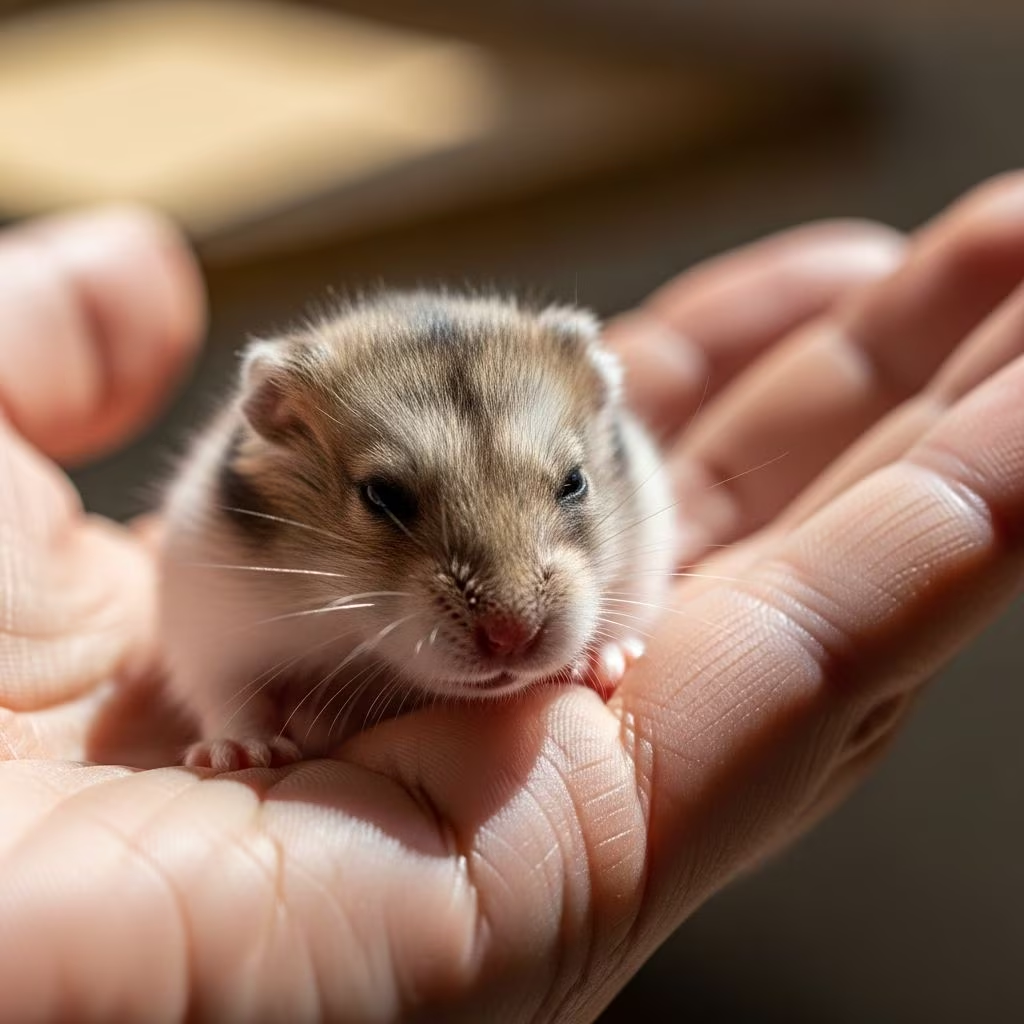
Understanding Baby Hamster Development and Care
Baby hamsters are fascinating creatures that undergo remarkable changes from birth to adulthood. Whether you’re a new hamster owner or an experienced breeder, understanding the development stages and care requirements of baby hamsters is essential for ensuring their health and well-being. This comprehensive guide covers 23 important facts about baby hamsters that every owner should know.
Early Life and Development Stages
Birth and First Weeks
Baby hamsters are born incredibly small and vulnerable. At birth, newborn hamsters are hairless, blind, and completely dependent on their mother for survival. During the first few days of life, baby hamsters remain nestled close to their mother for warmth and nourishment. The mother hamster is protective of her litter during this critical period, and it’s important to minimize disturbances to reduce stress on both mother and babies.
Hamster litters typically consist of multiple pups, with Syrian hamsters usually having between 6 to 12 babies per litter, while dwarf hamster litters may be slightly smaller. The survival rate of baby hamsters depends heavily on proper maternal care, appropriate cage conditions, and minimal human interference during the first few weeks.
Key Developmental Milestones
Baby hamsters reach several important developmental milestones during their first month of life. Around 5-7 days of age, baby hamster’s eyes begin to open, marking a significant step in their development. Shortly after, their ears become functional, allowing them to hear their environment. By approximately 10-14 days of age, baby hamsters are beginning to explore their surroundings and may start nibbling on soft foods introduced by their mother.
At around 3 to 4 weeks of age, hamsters begin to resemble miniature adults in their physical appearance and behavior. Their fur becomes fully developed, and they display increasingly independent behaviors, though they may still nurse from their mother.
Weaning and Independence
Weaning Timeline by Hamster Species
The weaning process differs between hamster species and is crucial for understanding when to separate babies from their mother. It’s not uncommon for Syrian hamsters to continue to nurse from their mother until the 26th to 28th day after they were born. This extended nursing period allows Syrian hamster pups to develop more fully before complete independence.
Dwarf hamsters are weaned by their mother earlier than Syrians, typically at about three weeks of age. However, a dwarf mother may tolerate her pups a little longer than a Syrian mother would, sometimes allowing nursing to continue slightly past the three-week mark. This species-specific difference is important to note when planning breeding or managing hamster populations.
Separation and Housing
At about 4 weeks old, all hamster babies should be split from the mother into two separate cages—one for each sex. This separation is critical for several reasons. First, it prevents unwanted breeding, as hamsters can reproduce at a very young age. Second, as hamsters mature, they become territorial and may become aggressive toward one another, particularly if they share limited space.
During the separation process, it’s important to provide each hamster with adequate space, appropriate bedding materials, food, water, and enrichment items. The separation also marks the beginning of the period when you can more confidently handle the young hamsters without maternal interference.
Socialization and Handling
Optimal Handling Age
14 days of age is considered the ideal time to begin to familiarize your young hamster with being handled. This should be a thoughtful, gradual process where you can help desensitize them to handling to minimize stress. Starting early with gentle, positive interactions helps develop trust between the hamster and human caretaker.
When beginning to handle young hamsters, don’t immediately attempt to pick them up. Instead, start by allowing the hamster to become accustomed to your presence, scent, and voice. Offer small treats from your hand, and let the hamster approach you at their own pace. This positive reinforcement approach creates a foundation of trust that will make future handling much easier.
Progressive Handling Techniques
Patience, regular feeding, and soft talking will go a long way in helping you bond with your baby hamster. Approach your pet slowly and talk to them in a conversational manner. Over time, young hamsters learn to recognize your scent and voice and will begin to see you as a source of comfort rather than a threat.
With consistent, gentle handling from an early age, baby hamsters can develop into docile, tame adults that are rarely nippy or aggressive. Daily handling, starting in quick, frequent episodes and gradually working up to longer stretches of time, if the hamster is agreeable, produces the best results. Some hamsters may even become affectionate and genuinely enjoy this bonding time with their owners.
Housing and Environmental Requirements
Choosing the Right Habitat
Baby hamsters need a safe home where they can explore and feel comfortable as they develop. Your hamster’s home should be placed in an area that receives comfortable, controlled conditions. Hamsters prefer temperatures between 65-80 degrees Fahrenheit, with relative humidity around 40-70%. Temperatures below 40 degrees Fahrenheit can cause hamsters to enter a state of torpor, which is similar to hibernation and can be dangerous for young hamsters.
Place your hamster’s habitat in a location near the sounds of your family, but not in the middle of high activity. Young hamsters will be comforted by day-to-day household sounds, but will be stressed by loud noises and excessive commotion. Additionally, keep the habitat away from any vents or drafty windows to ensure a stable, safe temperature-controlled environment.
Bedding Selection and Maintenance
Bedding should provide adequate depth to allow the hamster to burrow and dig, especially under hiding spots. Preferred bedding materials include Carefresh, grass hay, and Yesterday’s News. It is also acceptable to use plain white unscented toilet paper or paper towels on a temporary basis. For proper burrowing, aim for a bedding depth of about 4-6 inches.
Do not use cedar or pine shavings, as they contain aromatic oils that are very irritating to baby hamster skin and mucous membranes. Commercial nesting materials, commonly called “fluff,” are not recommended because they may lead to intestinal blockages, pouch impactions, or strangulated limbs—serious health risks for young hamsters.
Bedding should be changed 1-2 times a week, with spot cleaning of soiled areas as needed. A complete cage cleaning should occur weekly or twice a week to maintain sanitary conditions. Constant exposure to unsanitary conditions is unpleasant for baby hamsters and can result in infections of the skin, eyes, and respiratory tract.
Nutrition and Hydration for Growing Hamsters
Feeding Young Hamsters
A pelleted hamster diet is the most complete diet option for growing baby hamsters. Pelleted food should be available 24/7, with the bowl refreshed daily to ensure access to fresh food. While seed-based diets can be offered, young hamsters will often pick and choose their favorite parts and ignore the rest, which may result in nutrient deficiencies that can impact their development.
Fresh vegetables should be offered in addition to the pelleted diet to increase variety and help supplement hydration. Safe vegetables for baby hamsters include spinach, kale, broccoli, carrots, zucchini, and asparagus. These vegetables provide additional nutrients and help keep young hamsters engaged with their feeding routine.
Water Access
Fresh water should be available at all times through a water bottle attached to the side of the cage. The water should be refreshed daily to ensure it remains clean and safe for the growing hamster. Young hamsters need reliable access to water for proper hydration and metabolic function during their development stage.
Enrichment and Exercise
Play Equipment and Toys
Hamsters usually enjoy running in exercise wheels. Make sure to only provide wheels with a solid running surface to prevent injury to the hamster’s legs or feet. A solid-surface wheel is particularly important for baby hamsters, whose developing bones and muscles are more vulnerable to injury than those of adults.
Most veterinarians recommend blocks or chew sticks specifically designed for rodents for enrichment, as well as to help keep the teeth healthy. Regular rotation of toys can keep baby hamsters engaged and prevent boredom, which is particularly important during their developmental stages when mental stimulation supports proper neurological development.
Out-of-Habitat Playtime
A great way to give your baby hamster exercise and bonding time is to provide ample playtime outside their habitat each week. Set up a small gated area with lots of toys and some treats so they can explore and become accustomed to your presence. Always supervise your hamster when they are out of their habitat to prevent escapes or injuries.
Health and Hygiene
Cleaning and Sanitation
Both the food bowl and water sipper should be cleaned and provided fresh daily. The toilet area should be cleaned daily to maintain sanitary conditions. Diluted bleach (1 part bleach to 10 parts water) is effective for sanitizing a cage, but the cage must be rinsed thoroughly after cleaning and dried completely before reintroducing a hamster to prevent respiratory and skin irritation.
Make sure to keep 1-2 corners of the cage available for urination and defecation, far away from sleeping and eating quarters. This natural behavior helps keep the rest of the habitat cleaner and more hygienic for the developing hamster.
Grooming and Bathing
Hamster coats should be brushed regularly, especially long-haired breeds. Hamsters also require periodic nail trims, and owners should contact their vet if a hamster’s nails overgrow or look abnormal. Owners should monitor baby hamsters for any growths, check their teeth for dental disease, and check their rear ends for fecal buildup or urine staining.
Hamsters typically keep themselves clean and do not require additional bathing with soap and water, unless instructed to do so by your veterinarian. However, some hamsters, especially dwarf breeds, do enjoy regular sand baths using chinchilla sand products. Sand baths can be used about every other week and provide both enrichment and a natural cleaning method. It is important to remove sand from the cage when hamsters are finished bathing to prevent it from becoming a constant respiratory irritant.
Special Considerations for Baby Hamsters
Interactions with Children
Children should be supervised while interacting with baby hamsters, especially new, less-tame hamsters. It is recommended that younger children spend time helping care for and feed the hamster rather than have direct contact, to avoid accidents and injuries to both the child and hamster. Baby hamsters have delicate bodies and can be easily injured by rough handling.
Temperature Sensitivity
Baby hamsters are particularly sensitive to temperature fluctuations. The preferred cage temperature for young hamsters is 65-80 degrees Fahrenheit. Temperatures below 40 degrees Fahrenheit can cause hamsters to enter torpor, a dangerous state similar to hibernation that can threaten their survival. This is why maintaining stable, warm conditions is especially important during the baby hamster stage.
Common Health Concerns
Contact your small animal veterinarian if you notice signs of illness in your baby hamster, including cloudy, sunken, or swollen eyes, wheezing, or other respiratory symptoms. Young hamsters may be more vulnerable to respiratory infections if exposed to ammonia buildup from dirty bedding or inadequate ventilation. Regular cage cleaning and proper ventilation are essential preventive measures.
Frequently Asked Questions About Baby Hamsters
Q: At what age can I start handling my baby hamster?
A: 14 days of age is the ideal time to begin familiarizing your young hamster with being handled. Start gently with positive interactions to minimize stress and build trust.
Q: When should I separate baby hamsters from their mother?
A: At about 4 weeks old, all baby hamsters should be separated from their mother into two separate cages, one for each sex, to prevent breeding and territorial aggression.
Q: What bedding is safest for baby hamsters?
A: Safe bedding includes Carefresh, grass hay, Yesterday’s News, or plain white unscented toilet paper. Avoid cedar and pine shavings, as they contain oils irritating to hamster skin.
Q: How often should I clean my baby hamster’s cage?
A: Spot clean soiled bedding as needed and perform a full cage cleaning 1-2 times per week to maintain sanitary conditions for your growing hamster.
Q: What temperature do baby hamsters need?
A: Baby hamsters prefer temperatures between 65-80 degrees Fahrenheit with humidity around 40-70%. Avoid temperatures below 40 degrees as hamsters may enter torpor.
Q: Can baby hamsters eat vegetables?
A: Yes, fresh vegetables like spinach, kale, broccoli, carrots, zucchini, and asparagus are safe and provide additional nutrients when offered alongside pelleted food.
Q: How long do baby hamsters nurse from their mother?
A: Syrian hamsters typically nurse until 26-28 days old, while dwarf hamsters are weaned earlier, around 3 weeks, though mothers may tolerate them slightly longer.
References
- How to Care for Your Hamster — PetMD. 2024. https://www.petmd.com/exotic/care/evr_ex_hm_how-to-care-for-your-hamster
- 9 Pet Hamster Care Tips for Beginners — Kaytee. 2024. https://www.kaytee.com/learn-care/ask-the-small-animal-experts/9-hamster-care-tips-for-beginners
- How To Take Care of a Hamster: Hamster Care Guide — PetSmart. 2024. https://www.petsmart.com/learning-center/small-pet-care/hamster-care-guide/A0092.html
- Hamster care — Animal Humane Society. 2024. https://www.animalhumanesociety.org/resource/hamster-care
- Keeping Hamsters As Pets — RSPCA. 2024. https://www.rspca.org.uk/adviceandwelfare/pets/rodents/hamsters



