

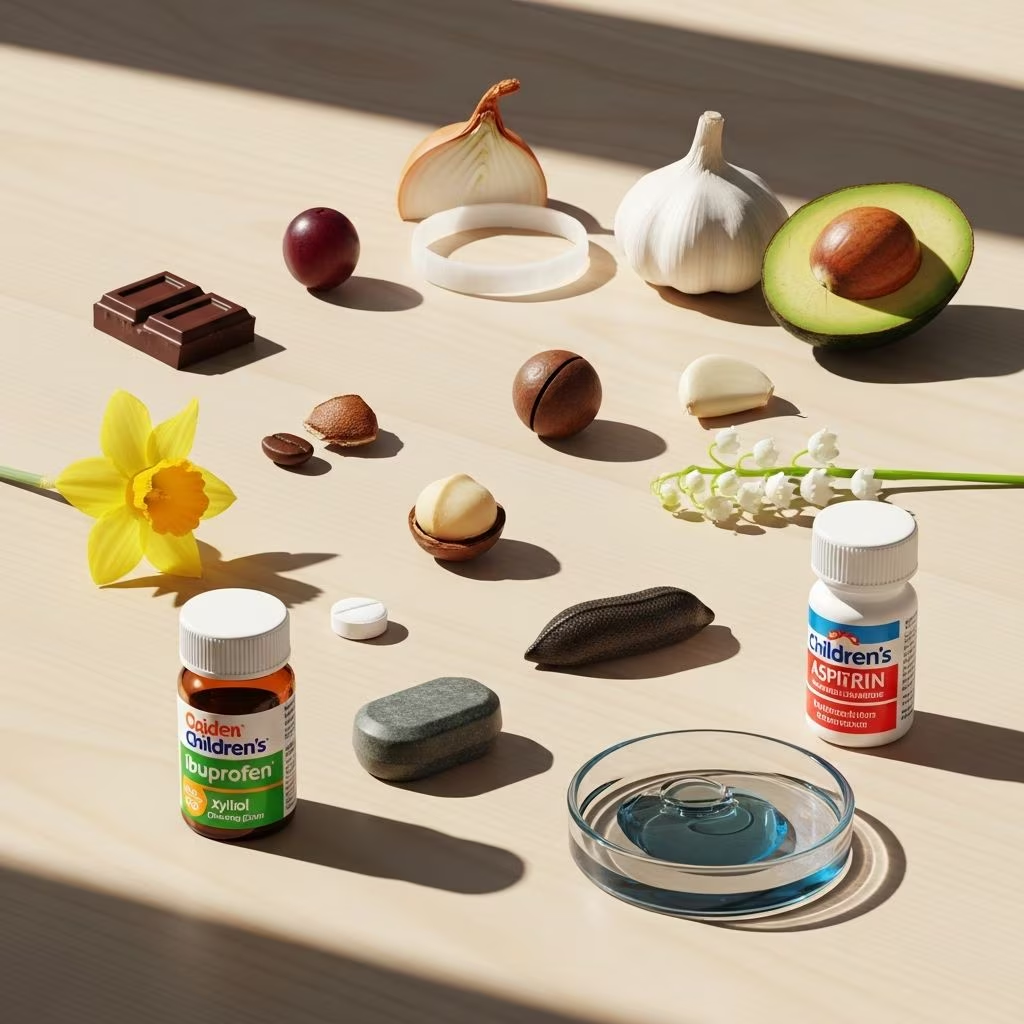
Every pet owner has panicked over their dog chewing on something questionable. Emergency vets often field calls starting with “My dog ate…” followed by fears of poisoning. The good news? Many common household items labeled as ‘toxic’ pose little to no real danger. This article, inspired by veterinary insights, covers 15 not-so-toxic ‘toxins’ for dogs, helping you know when to relax and when to call the vet. Written with input from experts like Dr. Shea Cox, DVM, it debunks myths and provides practical advice for dog safety.
Why These Items Aren’t as Dangerous as You Think
Dogs are curious explorers, often ingesting silica packets, plants, or meds. While no substance is 100% safe in massive quantities—’the dose makes the poison’—most of these items cause only mild gastrointestinal (GI) upset like vomiting or diarrhea, if anything. The primary risks are physical obstructions from packaging, especially in small breeds. Always monitor your dog and contact a vet for peace of mind, but familiarize yourself with this list to avoid unnecessary ER visits.
According to the ASPCA Animal Poison Control Center, many panic calls involve non-toxic ingestions. Understanding pet-safe thresholds empowers owners. Below, we detail each item with symptoms, risks, and vet-recommended actions.
15 ‘Toxins’ That Actually Aren’t Toxic for Dogs
1. Silica Gel Packets
Those tiny ‘Do Not Eat’ packets in shoeboxes, vitamins, and new clothes? Silica gel is chemically inert and non-toxic. Dogs may chew them out of curiosity. Mild GI upset like an upset stomach is possible, but the real concern is intestinal obstruction if the entire packet is swallowed whole—more likely in small dogs.
- Symptoms: Vomiting, lethargy (rare).
- What to do: Remove any remaining packet pieces. Watch for vomiting or straining. X-rays if obstruction suspected.
- Prevention: Store products out of reach; discard packets immediately.
2. Oxygen Absorbers
Found in jerky treats and food storage, these packets absorb oxygen to preserve freshness. They’re made of iron powder and salt, non-toxic in small amounts. Ingestion might cause mild iron overload, but doses are too low for harm. Like silica, the packet itself poses obstruction risk.
- Symptoms: None to mild diarrhea.
- Vet tip: A 10-lb dog would need many packets for toxicity—unlikely.
3. Ant and Roach Traps
Commercial traps contain low-concentration baits like boric acid or fipronil. Dogs rarely access enough to cause issues; mild GI upset at worst. The plastic housing might cause obstruction if chewed and swallowed.
- Symptoms: Drooling, vomiting (self-resolves).
- Action: Remove trap remnants; monitor stool.
4. Birth Control Pills
Human oral contraceptives have estrogen and progesterone. Toxic doses are high: a 25-lb dog needs ~300 pills. Single packets rarely cause problems beyond mild uterine issues in females. NuvaRings have even lower doses.
- Symptoms: None or vaginal discharge.
- Note: Secure meds; never induce vomiting without vet advice.
5. Over-the-Counter Pain Meds (in Low Doses)
Items like single acetaminophen or ibuprofen tablets. While toxic in quantity, a lone pill in a large dog often causes no symptoms. GI irritation possible.
- Risk level: Low for minimal ingestion.
6. Fertilizers (N-P-K Salts)
Standard lawn fertilizers with nitrogen, phosphorus, potassium are GI irritants only. Avoid products with >5% iron, insecticides, or pesticides—these elevate risk.
| Component | Risk to Dogs | Safe Threshold |
|---|---|---|
| N-P-K Salts | Mild GI upset | Low concern |
| Iron (>5%) | Systemic toxicity | Check label |
| Pesticides | High risk | Avoid |
7. Lawn Herbicides
Most are safe once dry; fresh applications may cause mild GI upset from ingestion via paws or grass.
- Tip: Keep dogs off treated lawns for 24-48 hours.
8. Fire Logs
Composed of sawdust, peanut shells, wax, and flame colorants like copper. No systemic toxicity; GI upset or obstruction possible.
9. Poinsettia Plants
A holiday myth: Poinsettias cause only mild irritation. A 50-lb dog would need 500+ leaves for toxicity. Sap may cause mouth drooling.
- Debunked: No deaths reported in modern studies.
10. Glitter and Craft Supplies
Non-toxic glitters are safe; ingestion leads to sparkly poop at worst. Avoid metallic or lead-based crafts.
11. Pennies (Post-1982)
Zinc-free pennies pose choking hazard only. Pre-1982 copper pennies are safer than feared.
12. Antacids (Tums)
Calcium carbonate-based antacids are harmless. May cause constipation or vomiting. Avoid salicylate-containing ones.
13. Prescription Human Meds (Low Doses)
Many like certain antibiotics cause no harm in small amounts. Always check specifics.
14. H2 Blockers (Pepcid)
Famotidine and similar drugs are safe even at 10x dose; mild GI effects max.
15. Coffee Grounds (Small Amounts)
Caffeine toxic, but de minimis ingestion (licking grounds) rarely issues. Monitor for restlessness.
The Bottom Line on Dog Safety
These guidelines save trips to the vet, but always call your veterinarian or poison hotline (e.g., ASPCA at 888-426-4435) for ingestions. Factors like dog size, amount eaten, and health matter. Prevention: Puppy-proof your home, supervise, and train ‘leave it’.
Frequently Asked Questions (FAQs)
What should I do if my dog eats silica gel?
Monitor for vomiting or obstruction signs. Contact vet if concerned; usually resolves at home.
Are poinsettias really safe for dogs?
Yes, only mild upset; myth from outdated rumors.
Can fertilizers harm my dog?
Basic N-P-K no, but check for additives like iron.
Is Pepcid safe if my dog eats it?
Yes, benign even in excess.
When to rush to the vet?
Symptoms like persistent vomiting, lethargy, or known high-risk items.
References
- 15 Not-So-Toxic Toxins for Dogs — Kinship (Dr. Shea Cox, DVM). 2023. https://www.kinship.com/dog-health/15-not-so-toxic-toxins-dogs
- Pet Care Poison Control Guidelines — ASPCA Animal Poison Control Center. 2024-10-15. https://www.aspca.org/pet-care/animal-poison-control
- Toxicity of Common Household Substances in Pets — Pet Poison Helpline (Veterinary Partner). 2025-03-20. https://veterinarypartner.vin.com/default.aspx?pid=19239&id=4952689
- Nontoxic Plants for Pets — ASPCA. 2024. https://www.aspca.org/pet-care/animal-poison-control/non-toxic-plants
- Human Medications Toxic to Dogs — FDA Center for Veterinary Medicine. 2023-11-01. https://www.fda.gov/animal-veterinary/animal-health-literacy/human-medications-toxic-dogs



