
123 Pattern Game for Dogs
Unlock focus and confidence in your dog with the simple yet powerful 123 Pattern Game – a fun way to build engagement anywhere.
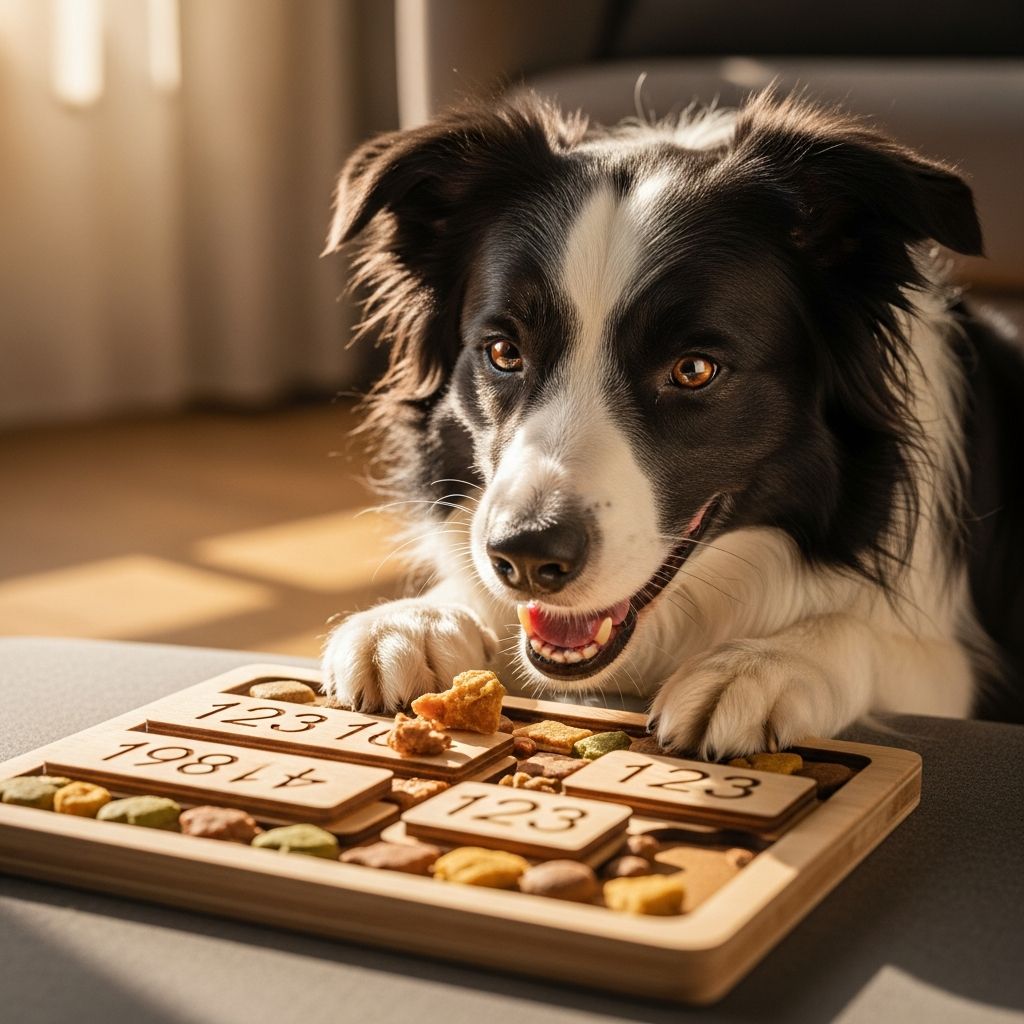
The
123 Pattern Game
is a straightforward training exercise that helps dogs develop focus, confidence, and engagement with their handlers. By counting aloud “one, two, three” and delivering a reward on “three,” this game creates a predictable rhythm that dogs quickly learn to anticipate, making it ideal for building a strong foundation in any environment.Why Pattern Games Matter in Dog Training
Pattern games like the 123 exercise provide dogs with structure and predictability, which are essential for reducing anxiety and improving attention. These games shift a dog’s focus from environmental distractions to the handler, fostering a sense of security and teamwork. Research and expert trainers emphasize that such predictable interactions help dogs make better behavioral choices independently, leading to calmer responses in challenging situations.
For dogs struggling with reactivity—such as barking or lunging at triggers like other dogs or people—this game turns potential stressors into cues for fun and rewards. The consistency of the pattern builds positive associations, gradually desensitizing dogs to their triggers while keeping the experience enjoyable.
Core Benefits of the 123 Pattern Game
- Enhances Focus: Dogs learn to tune out distractions by associating your voice with rewards, improving responsiveness even off-leash.
- Builds Confidence: The predictable reward system empowers dogs to trust the process, reducing fear-based reactions.
- Strengthens Handler Bond: It promotes two-way communication, where the dog actively participates, deepening your partnership.
- Versatile Application: Use it during walks, at home, or in classes to maintain engagement amid real-world distractions.
- Reduces Reactivity: Triggers become part of the game, helping dogs stay calm and focused.
How to Teach the 123 Pattern Game: Step-by-Step Guide
Start in a quiet, low-distraction area to ensure success. Use high-value treats or a favorite toy as rewards to keep motivation high. Positive reinforcement is key—never use punishment, as it undermines the fun.
- Foundation Phase (Stationary): Stand still with your dog in front of you. Say “one,” pause, “two,” pause, then “three” and immediately give a treat. Repeat 5-10 times until your dog anticipates the treat on “three” by looking at you eagerly.
- Add Movement: While counting, take three small steps forward. Deliver the treat on “three.” This introduces mobility without overwhelming the dog.
- Increase Distance and Speed: Gradually take larger steps or walk faster. Vary your pace to keep the dog attentive to your count rather than your movement.
- Incorporate Turns: Add a “whiplash turn” by pivoting after “three” and rewarding. This sharpens focus during direction changes.
- Practice Off-Leash: Once reliable on-leash, transition to off-leash in a safe area to build independence.
Sessions should last 3-5 minutes, 3-5 times daily. Consistency across locations and times accelerates learning.
Adapting the Game for Different Dog Needs
Not all dogs learn at the same pace, so tailor the 123 game to your dog’s personality and challenges.
| Dog Type | Adaptations | Tips |
|---|---|---|
| Puppies | Short sessions, frequent rewards | Use soft voice; pair with play to build excitement. |
| Reactive Dogs | Introduce near triggers at low intensity | Count every encounter; reward heavily for calm focus. |
| High-Energy Breeds | Faster pace, add jumps or spins | Combine with toys for mental and physical outlet. |
| Rescue Dogs | Slower progression, mat stations | Build trust with stationary phase first. |
Common Mistakes and How to Avoid Them
- Inconsistent Timing: Always reward precisely on “three” to maintain the pattern. Variable timing confuses dogs.
- Advancing Too Quickly: Ensure 80-90% success before increasing difficulty. Rushing leads to frustration.
- Low-Value Rewards: Use irresistible treats initially; fade to verbal praise later.
- Ignoring Body Language: Watch for stress signals like yawning or avoidance—pause and simplify.
- Environmental Overload: Begin indoors; gradually add distractions like neighborhood walks.
Integrating 123 with Other Pattern Games
The 123 game pairs excellently with complementary exercises for comprehensive training.
- Give Me a Break (GMAB): Place a treat on the ground, turn away, and wait for your dog to return. Reward and repeat. Builds choice and environmental comfort.
- Find It: Scatter treats nearby, progressing to farther distances. Encourages searching and recall.
- Superbowls: Line up bowls with treats; dog signals (e.g., eye contact) to advance. Teaches control and progression.
- Take a Breath: Cue a deep breath or default sit for relaxation amid excitement.
Chain these games: Use 123 to regain focus, then transition to GMAB near distractions.
Real-World Applications and Success Stories
Owners report dramatic improvements. For instance, a reactive shepherd mix went from lunging on walks to calmly focusing on the 123 count near other dogs. In agility training, it helps maintain handler connection around equipment. Even in puppy classes, it prevents jumping by channeling energy into the pattern.
Track progress with a journal: Note sessions, success rates, and distraction levels. Aim for reliability in novel settings within 2-4 weeks.
Frequently Asked Questions (FAQs)
Can I use the 123 game with any dog breed?
Yes, it’s breed-agnostic and suitable for all ages, from puppies to seniors, as long as you adjust difficulty.
How long until my dog masters it?
Most dogs grasp the basics in 1-3 sessions; fluency takes 1-2 weeks with daily practice.
What if my dog ignores the count?
Revert to stationary phase with higher-value rewards. Ensure no distractions compete.
Is equipment needed?
No—just your voice, treats, and leash initially. Optional: mats or bowls for variations.
Does it work for leash reactivity?
Absolutely; the pattern reframes triggers as game cues, reducing arousal.
Advanced Variations for Seasoned Teams
Once proficient, elevate the game:
- Variable Counting: Mix 123 with 1-2 or 1-2-3-4 to test attentiveness.
- Group Settings: Practice in dog parks, using the pattern to disengage from play.
- Competitive Integration: Use during obedience trials for sustained focus.
These build resilience for professional sports or therapy work.
References
- The Power of Pattern Games in Dog Training — Canine Einstein. 2023. https://canine-einstein.com/the-power-of-pattern-games-in-dog-training/
- Pattern Games – A New Way to Help Change Behavior — CattleDog Publishing. 2022. https://cattledogpublishing.com/blog/pattern-games-a-new-way-to-help-change-behavior/
- E151: Leslie McDevitt – Pattern Games for Working on Reactivity — Fenzi Dog Sports Academy. 2023. https://www.fenzidogsportsacademy.com/blog/e151-leslie-mcdevitt-pattern-games-for-working-on-reactivity-focus
- Dog training; Pattern games with Jack & Jill — Animal Training Academy. 2024. https://animaltrainingacademy.com/jill-h/
- Dog training PATTERN GAMES by Leslie McDevitt — YouTube (Tawzer Dog). 2019. https://www.youtube.com/watch?v=Mtn-BeI9lHE
Similar Articles








Read full bio of medha deb




