
12 Tips to Keep Your Senior Dog Happy and Healthy
Expert strategies to enhance your senior dog's quality of life and ensure their golden years are their best.
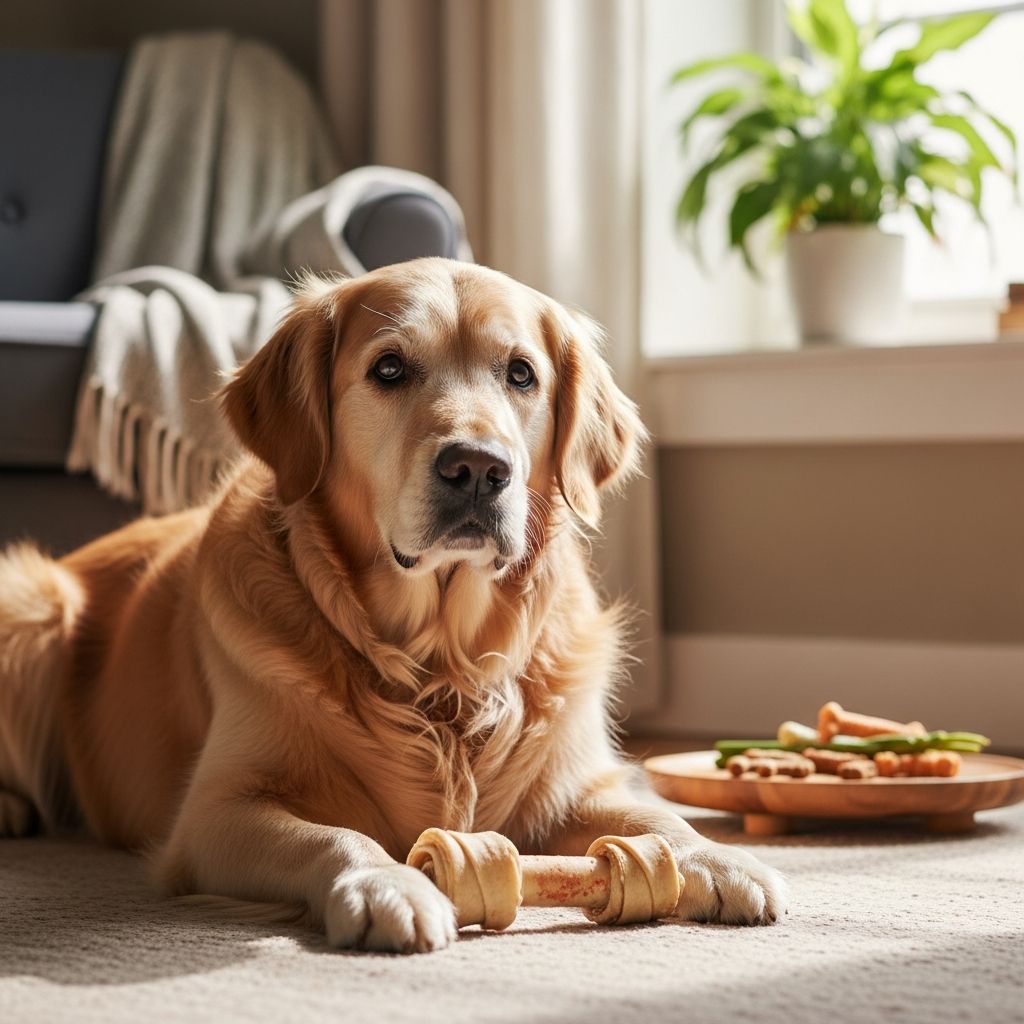
Thanks to preventative medicine and better veterinary care, our beloved canine companions are living longer than ever before. Just as with humans, senior dogs experience age-related conditions and challenges as they get older, and new needs will emerge over time. Our loyal, happy senior dogs can develop many of the same physical problems that humans experience as we age, such as heart disease, diabetes, vision problems, joint issues, and weakness. You might also notice behavior changes such as confusion, increased vocalization, more anxiety, changes in sleep cycles, and house soiling.
Sometimes we notice the signs of aging in our dogs: Their favorite game of catch might feel too strenuous; they may not be able to jump up to their favorite seat by the window; they can’t hear us calling them in for dinner. Armed with knowledge about senior dog care, you can ensure your pup has the best quality of life during their senior years. Here are twelve essential tips to help your aging companion thrive.
1. Double Up on Vet Visits
The American Animal Hospital Association (AAHA) recommends taking your senior dogs to the veterinarian every six months for checkups, a significant change from their annual visits during their younger years. Early detection of health issues is crucial, especially in aging dogs. During these semi-annual checkups, your vet conducts a full wellness exam, during which they look for any concerning lumps, listen to the dog’s heart, and evaluate hearing and eyesight.
More frequent veterinary visits allow your veterinarian to perform comprehensive physical examinations, discuss any changes you’ve noticed at home, and recommend additional diagnostic tests like blood work or X-rays if needed. This proactive approach significantly increases the likelihood of early detection and treatment of age-related conditions, helping your senior dog maintain better health throughout their golden years.
2. Create a Senior-Friendly Home Environment
Many senior dogs have decreased hearing, vision, and mobility, so making sure the environment is safe is paramount. Your home should be thoughtfully adapted to accommodate your aging dog’s changing abilities and limitations.
Consider these simple steps to keep your dog safer:
- Block off stairways with dog gates so your dog can’t access them and fall
- Remove large furniture items from main paths so it’s easier for a vision-impaired or unsteady senior pet to navigate
- Avoid moving furniture around and re-arranging the house because that requires senior dogs who may have experienced some degree of vision loss to learn new pathways
- Watch your step carefully—if your pet is small and cannot hear you coming, it could result in a nasty fall for both of you
- Use carpet runners or rubber mat runners where appropriate, as slippery floors are a nightmare for dogs with mobility issues
- Provide dog steps or ramps for dogs experiencing vision or mobility issues, making it much easier and safer for your pooch to reach their favorite places
3. Maintain Proper Nutrition and Hydration
Senior dogs have different nutritional requirements than younger dogs. Their metabolic needs change, and they may benefit from specialized senior dog food formulated to support joint health, cognitive function, and digestive health. Consult with your veterinarian about appropriate dietary adjustments for your aging companion.
Hydration becomes increasingly important as dogs age. Ensure your senior dog has constant access to fresh, clean water throughout the day. Some senior dogs may benefit from water bowls placed in multiple locations around your home, making it easier for them to stay hydrated without navigating long distances.
4. Cater to Your Senior Dog’s Aching Joints
Arthritis is one of the most common conditions affecting senior dogs, especially large breeds. The good news is many treatment options are available, from anti-inflammatory medications to joint supplements to physical therapy. Beyond medications and supplements, there are several additional strategies you can implement to help relieve joint pain and improve your dog’s mobility.
Joint Care Strategies:
- Consider chiropractic adjustments, which can help counteract the stress arthritis can put on the spine
- Ask your vet about cold lasers, which increase circulation and provide pain relief
- Replace their bed with a comfy option that provides proper support
- Use heated dog beds if your dog seems cold, such as when they’re often burying themselves under blankets or sleeping by the heat vents
- Invest in orthopedic dog beds for larger dogs who need significant joint support, such as Great Danes or other giant breeds
5. Address Dental Health Concerns
Dental wear, tooth loss, and periodontal disease are very common in senior dogs. Regular cleanings and at-home dental care, like brushing your dog’s teeth, become increasingly important as dogs age. A comprehensive dental care routine helps prevent pain, infection, and other serious health complications.
Schedule an appointment with your veterinarian if your dog has bad breath, red or bleeding gums, loose or missing teeth, or appears to be in pain while eating or being touched around the mouth. Professional dental cleanings, combined with consistent home care, can significantly improve your senior dog’s oral health and overall well-being.
6. Manage Incontinence and Bathroom Needs
As dogs age, they may experience changes in bladder control. Dogs with decreased hearing and vision may get confused, wander from the yard accidentally, and not be able to find their way home. Additionally, an older animal may have trouble holding their bladder and need more potty breaks throughout the day.
If you must leave your senior dog at home for longer lengths of time, you may want to consider enlisting the help of a friend or dog walker for potty breaks while you’re away. This prevents accidents and reduces stress for both you and your aging companion. Installing a dog door, if appropriate for your home, can also provide your senior dog with easier access to outdoor bathroom facilities.
7. Provide Appropriate Exercise and Activity
Even if your senior dog can no longer join you on all your adventures, it’s still important to include them in as much daily life as possible. Activity levels should match the senior dog’s individual needs and capabilities. Long walks and even runs can be appropriate for a healthy, active senior dog, while gentle walks may be more appropriate for a dog that has some arthritis or is slower.
Keeping senior dogs engaged doesn’t require marathon training sessions. Soft play with a plush toy, puzzle toys, and simply being included in daily activities all make a big difference. The key is to provide regular, moderate activity that matches your individual dog’s physical condition and energy level.
8. Support Mental Stimulation and Cognitive Health
Mental enrichment is just as important as physical exercise for seniors. Older dogs need mental stimulation and social interactions just like younger dogs. Enrichment activities help keep their minds sharp and spirits bright during their golden years.
Mental Enrichment Activities Include:
- Scent games that engage your dog’s natural instincts
- Treat-dispensing toys that provide interactive play
- Low-impact training sessions with positive reinforcement
- Puzzle toys that challenge their problem-solving abilities
- Regular interaction and quality time with family members
9. Foster Social Connections and Interaction
Even if your senior dog can no longer participate in high-energy play, social engagement remains vital for their emotional well-being. Meetups with other older dogs can provide gentle companionship and mental stimulation. Simply spending quality time together—whether that’s sitting nearby while you read, going for leisurely walks, or enjoying calm indoor activities—strengthens your bond and provides important emotional support.
Social isolation can lead to behavioral changes, anxiety, and depression in aging dogs. Make a conscious effort to include your senior dog in family activities and daily routines, even if they can only participate at a reduced level of activity.
10. Monitor for Health Changes and Behavioral Issues
Pay close attention to subtle changes in your senior dog’s behavior and physical condition. Mobility changes are often the first sign you’ll notice as your dog gets older. Pay close attention to how your dog rises from lying positions, navigates stairs, and exercises. Other important changes to monitor include:
- Changes in appetite or water intake
- Increased vocalization or whining
- Changes in sleep patterns or confusion
- House soiling accidents
- Increased anxiety or fear responses
- Vision or hearing loss indicators
Document these changes and discuss them with your veterinarian at your regular checkups. Early awareness of behavioral or physical changes allows for prompt intervention and treatment.
11. Ensure Comfort and Proper Bedding
Comfortable bedding is one of the most important investments you can make for your senior dog. A supportive, cushy bed can make a tremendous difference in your dog’s comfort level and quality of life. Consider beds that provide orthopedic support, memory foam, or extra cushioning to help alleviate joint pain and pressure points.
Placement of bedding is also important—position your dog’s bed in a quiet, accessible area away from high-traffic zones and stairs. If your dog has difficulty accessing favorite spots due to mobility issues, use ramps or steps to maintain their independence and comfort.
12. Schedule Regular Home Safety Audits
Take a periodic walk around your home and contemplate what each area would be like to navigate for an older dog. Pay special attention to any steps or flights of stairs you might have, as trouble managing stairs is often one of the first signs of aging in dogs. This could be due to arthritic changes in their spine or joints, lack of muscle tone, or declining vision.
Small, thoughtful adjustments—like making sure your dog has a supportive and cushy bed, ramps and stairs, or nonslip rugs on slick surfaces—will make a big difference. Regular safety audits ensure your home remains comfortable and accessible as your senior dog’s needs change over time.
Frequently Asked Questions
Q: At what age is a dog considered senior?
A: Dogs typically enter their senior phase at 7 to 9 years of age, though small dogs may not be considered senior until 10 to 12 years old. The timeline can vary based on breed size and individual health factors.
Q: How often should I take my senior dog to the vet?
A: The American Animal Hospital Association recommends veterinary visits every six months for senior dogs, compared to annual visits for younger dogs. More frequent checkups enable early detection and treatment of age-related conditions.
Q: What type of bed is best for a senior dog with arthritis?
A: Orthopedic beds with memory foam, heated beds, or extra cushioning provide excellent support for arthritic senior dogs. Choose a bed based on your dog’s specific needs—heated beds work well for dogs that seem cold, while orthopedic beds benefit dogs needing joint support.
Q: Can senior dogs still exercise?
A: Yes, senior dogs benefit from exercise tailored to their individual abilities. Healthy, active seniors may enjoy walks or gentle runs, while less mobile seniors may prefer short, leisurely walks or indoor activities like puzzle toys and mental enrichment games.
Q: What should I do if my senior dog has mobility issues?
A: Install dog ramps or stairs to help access favorite spots, use nonslip rugs on slick floors, provide orthopedic bedding, and consider supplements or medications recommended by your vet. Consult with your veterinarian about chiropractic care or cold laser therapy for pain relief.
Q: How can I help my senior dog with vision loss?
A: Avoid rearranging furniture, block off dangerous areas like stairs with gates, use nonslip rugs, and maintain consistent pathways throughout your home. Keep communication clear and consistent to help your dog navigate their environment safely.
References
- 12 Tips to Keep Your Senior Dog Happy and Healthy — Chewy. 2024. https://www.chewy.com/education/dog/health-and-wellness/how-to-keep-senior-dog-happy
- When Is a Dog Considered a Senior? What to Know About Senior Dog Age — Chewy. 2024. https://www.chewy.com/education/dog/general/when-is-a-dog-considered-senior-what-to-know-about-senior-dog-age
- Making Your Home Comfortable for Old Dogs — Chewy. 2024. https://www.chewy.com/education/dog/pet-parenting/keeping-your-home-comfortable-for-old-dogs
- Senior Dog Care — PetMD. 2024. https://www.petmd.com/hub/senior-dog-care
- 6 Reasons You Should Adopt a Senior Dog — Chewy. 2024. https://www.chewy.com/education/dog/health-and-wellness/reasons-to-adopt-senior-dog
- Senior Dog Exercise: What’s Right For Your Pup? — Chewy. 2024. https://www.chewy.com/education/dog/health-and-wellness/senior-dog-exercise
- 10 Signs Your Dog Is Getting Old — Chewy. 2024. https://www.chewy.com/education/dog/health-and-wellness/signs-your-dog-is-getting-old
Similar Articles








Read full bio of medha deb




