

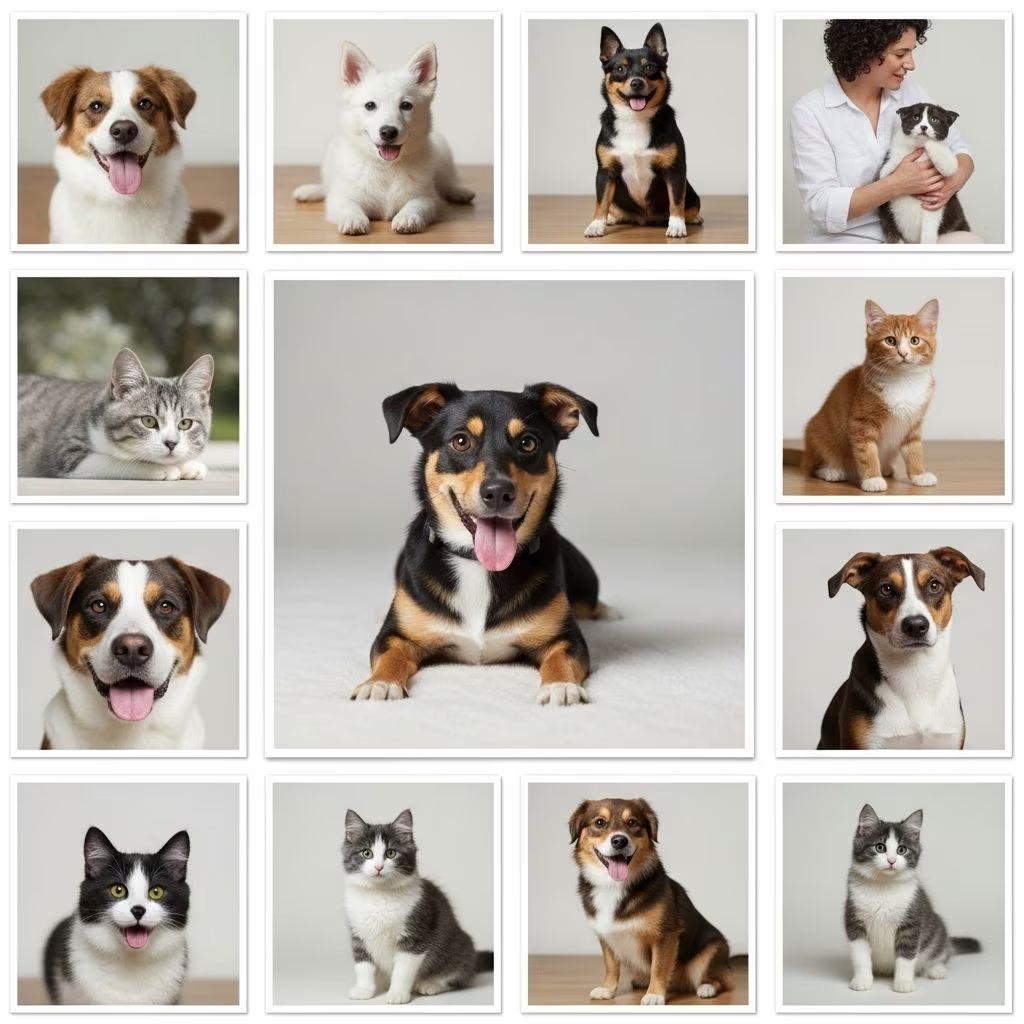
12 Things Every Pet Parent Is Guilty Of
Being a pet parent is one of the most rewarding experiences, but it also comes with its fair share of challenges and occasional guilt. Whether you’re a first-time dog owner or an experienced pet parent, we all make mistakes along the way. The good news is that recognizing these common pitfalls is the first step toward becoming a better caregiver for your furry companion. In this comprehensive guide, we’ll explore 12 things that nearly every pet parent is guilty of doing, and more importantly, how you can address them to provide the best possible care for your beloved dog.
1. Skipping Preventative Veterinary Care
One of the most significant mistakes pet parents make is neglecting preventative veterinary care. It’s easy to assume that if your dog appears healthy, regular vet visits aren’t necessary. However, preventative care is crucial for catching health issues before they become serious problems. Regular check-ups, vaccinations, dental care, and parasite prevention should be part of your dog’s routine healthcare plan. Schedule annual wellness visits at minimum, and more frequently for senior dogs or those with existing health conditions. Staying on top of preventative care can add years to your dog’s life and save you money on emergency veterinary bills down the road.
2. Inappropriate Feeding Choices
Another common mistake involves making inappropriate feeding decisions for your dog’s specific needs. Many pet parents feed their dogs the same food regardless of age, size, or activity level. Puppies require different nutrition than adult dogs, and large-breed puppies need specialized large-breed puppy food to support optimal rather than rapid growth. Additionally, free-feeding—leaving kibble out all day for your dog to snack on whenever they want—can lead to weight gain and obesity. Instead, provide measured meals at set times throughout the day. This approach helps you monitor your dog’s intake, maintain a healthy weight, and can even reduce anxiety in some dogs. Always check food labels to ensure they’re approved by the Association of American Feed Control Officials (AAFCO) and avoid raw or homemade diets without veterinary consultation, as they may lack proper nutritional balance.
3. Not Providing Enough Exercise
Pet parents often underestimate how much exercise their dogs need. Most dogs benefit from at least 30 minutes to two hours of exercise daily, depending on their age, breed, and energy level. High-energy breeds like Border Collies, Australian Shepherds, and American Pit Bull Terriers require more vigorous activities such as agility training, swimming, or herding exercises. When dogs don’t get adequate exercise, they’re prone to weight gain, behavioral problems, and destructive behaviors. It’s tempting to skip walks during bad weather or when schedules are hectic, but consistent exercise is essential for your dog’s physical and mental wellbeing. Even short bursts of play throughout the day can make a significant difference in your dog’s behavior and overall health.
4. Lack of Mental Stimulation
Beyond physical exercise, many pet parents fail to provide adequate mental stimulation for their dogs. When dogs lack mental engagement, they often develop unwanted behaviors such as excessive barking, destructive chewing, or compulsive digging. Providing puzzle toys, treat-dispensing balls like the Busy Buddy Twist ‘n Treat, snuffle mats, and interactive games can keep your dog’s mind engaged and satisfied. Mental stimulation is just as important as physical exercise and helps prevent boredom-related behavioral issues. Rotate toys regularly to maintain your dog’s interest and consider activities that tap into their natural instincts, such as scent work or foraging games.
5. Inconsistent or Delayed Training
Many pet parents are guilty of starting training too late or being inconsistent with enforcement. Training needs to be consistent, and everyone in contact with your dog must use the same commands and enforce the same rules. If you don’t want your adult dog to jump on people or beg at the table, you need to correct these behaviors when they’re puppies. Waiting until your dog is two years old to address behavioral issues makes training much more difficult. Consistency is critical—if your dog learns that sometimes jumping on people gets attention and sometimes it doesn’t, they’ll become confused about what behavior is acceptable. Establish rules from day one and make sure all family members follow them.
6. Allowing Your Dog to Pull on the Leash
A commonly overlooked mistake is letting your dog walk you instead of maintaining control on the leash. A properly trained dog should walk with a loose leash, heeling on your left side with their nose even with or slightly behind your left leg. When dogs pull excessively, they can cause serious injuries to their owners. Tens of thousands of people are injured annually when their dogs pull hard on the leash, sending them falling or creating dangerous situations. Invest time in leash training and use positive reinforcement to encourage appropriate walking behavior. A well-behaved dog on a leash makes walks safer and more enjoyable for everyone.
7. Failing to Set House Rules and Boundaries
Without clear house rules and boundaries, dogs often develop dominant behavior and become disobedient. Start establishing boundaries from the moment your new puppy or dog enters your home. Decide which rooms are off-limits, whether your dog is allowed on furniture, if jumping on people is acceptable, and other house rules. Use gates or training to enforce these boundaries consistently. Common boundaries include preventing indoor elimination, discouraging furniture scratching, limiting roughhousing indoors, and managing excessive barking. Dogs actually thrive with clear expectations, as boundaries provide security and structure. A dog that understands the rules is a happier, more well-adjusted companion.
8. Focusing on Punishment Rather Than Praise
Many pet parents concentrate too heavily on punishment and not enough on positive reinforcement. While it’s appropriate to correct your dog when you catch them in the act of misbehavior, punishing them after the fact is often ineffective because they won’t associate the punishment with their behavior. Positive reinforcement and consistent training are far more effective teaching methods than punishment-based approaches. Use treats, praise, and rewards to reinforce good behavior. When your dog does something right, immediately acknowledge and reward it. This positive approach builds a stronger bond between you and your dog while creating desired behaviors more effectively than punishment alone.
9. Leaving Dogs Alone for Too Long
Dogs are pack animals and shouldn’t be left alone for extended periods on a regular basis. Leaving your dog alone for more than six to seven hours regularly can lead to separation anxiety, destructive behavior, refusal to eat, withdrawn behavior, and other negative behavioral issues. If your work schedule requires you to be away for long periods, consider hiring a dog walker, pet sitter, or doggy daycare provider to break up the day and provide companionship and bathroom breaks. Even brief check-ins or short visits can significantly reduce your dog’s stress and prevent problem behaviors from developing.
10. Unsupervised Interactions Between Children and Dogs
Pet parents often make the mistake of leaving children unsupervised with new puppies or dogs. While children and dogs typically get along wonderfully, improper supervision can lead to incidents where kids push a dog too far, making the dog uncomfortable, nervous, or scared. Always supervise initial interactions between children and new dogs to ensure both are comfortable and behaving appropriately. Teach children how to properly interact with dogs—how to pet them gently, recognize warning signs like growling, and respect the dog’s space. Proper supervision during the early stages of interaction helps prevent incidents and fosters a positive, long-term relationship between children and dogs.
11. Poor Toy Selection and Safety
Many pet parents choose toys based on cuteness rather than safety and durability. Select toys that are sturdy and safe, avoiding anything that can be easily chewed and swallowed, regardless of how appealing it might look. Toys that break into small pieces pose choking hazards. Invest in high-quality, durable toys appropriate for your dog’s size and chewing strength. Nylabones and other robust chew toys are excellent options for heavy chewers. Regularly inspect toys for signs of wear and tear, and replace damaged toys immediately. Providing safe, appropriate toys is essential for preventing choking hazards and intestinal blockages that can require emergency veterinary care.
12. Assuming Your Dog Can’t Learn New Behaviors
A final mistake many pet parents make is assuming their dog is too old to learn new behaviors or tricks. Whether your dog is a senior or has been with you for years, they’re capable of learning new commands and behaviors with proper training and patience. Age is not a barrier to learning; consistency and positive reinforcement are what matter. Many pet parents are surprised at how quickly even older dogs can master new skills when given the opportunity and encouragement. Never underestimate your dog’s ability to grow and learn, regardless of their age or background.
Common Feeding Mistakes Pet Parents Make
Nutrition is one of the most important aspects of pet care, yet it’s an area where many pet parents make critical errors. Beyond just choosing the wrong food, there are several feeding-related mistakes to avoid:
Free-Feeding Without Monitoring
Leaving food out all day allows your dog to eat whenever they want, making it impossible to monitor their intake accurately. This often leads to overeating and obesity, which can result in serious health complications including diabetes, joint problems, and heart disease.
Not Reading Food Labels
Pet parents should carefully examine food labels and ensure the food has been approved by the Association of American Feed Control Officials (AAFCO). Understanding ingredient lists and nutritional content helps you make informed decisions about your dog’s diet.
Raw or Homemade Diets Without Veterinary Guidance
While some pet parents believe raw or homemade diets are healthier, these can pose significant risks if not properly balanced. Most homemade recipes lack proper nutritional balance and can cause malnutrition. Always consult with your veterinarian before making dietary changes.
Training Tips to Address Common Mistakes
Improving your training approach can help you avoid many common pet parenting mistakes:
Start Early and Be Consistent
Begin training when your puppy is young and maintain consistency throughout their life. Everyone in your household should use the same commands and enforce the same rules.
Use Positive Reinforcement
Focus on rewarding good behavior rather than punishing bad behavior. This creates a positive learning environment and strengthens your bond with your dog.
Understand Canine Body Language
Learn to recognize your dog’s communication signals. For example, growling is a warning sign, not a “good boy” behavior, and responding positively to growls can escalate problems.
Exercise and Enrichment Guide
| Energy Level | Daily Exercise Needed | Example Breeds | Recommended Activities |
|---|---|---|---|
| High | At least 2 hours | Border Collies, Australian Shepherds, Pit Bulls | Agility training, swimming, herding, running |
| Moderate | 1-2 hours | Beagles, Cocker Spaniels, Boxers | Walks, fetch, interactive play, hiking |
| Low | 30 minutes to 1 hour | Bulldogs, Basset Hounds, Pugs | Short walks, indoor play, puzzle games |
Frequently Asked Questions
Q: How often should I take my dog to the veterinarian?
A: Adult dogs should have annual wellness visits, while puppies and senior dogs (over 7-10 years) should visit the vet twice yearly. Dogs with health conditions may need more frequent check-ups.
Q: What’s the best way to train my dog?
A: Use consistent, positive reinforcement-based training methods. Start early, involve all family members, and use the same commands throughout. Reward good behavior immediately with treats, praise, or play.
Q: How much exercise does my dog really need?
A: Most dogs need at least 30 minutes to 2 hours of exercise daily, depending on breed, age, and energy level. High-energy breeds need more activity than low-energy breeds.
Q: Can I feed my dog a raw or homemade diet?
A: While some pet parents prefer these diets, they carry risks if not properly balanced. Consult your veterinarian before switching to raw or homemade food to ensure your dog receives complete nutrition.
Q: At what age should I start training my dog?
A: Start training from day one when your dog enters your home. Puppies learn quickly and establishing good habits early prevents behavioral problems later. It’s never too late to train an older dog, though.
Q: What should I do if my dog pulls on the leash?
A: Use positive reinforcement to teach loose-leash walking. Reward your dog when they walk beside you with a slack leash. Consider professional training if the behavior is severe.
Q: How can I prevent my dog from jumping on people?
A: Correct jumping behavior early in puppyhood. Ignore jumping, reward calm behavior, and teach “sit” as an alternative greeting behavior. Be consistent and involve all family members in enforcement.
Q: What mental enrichment activities are best for dogs?
A: Treat-dispensing toys, puzzle games, snuffle mats, scent work, and interactive play all provide mental stimulation. Rotate toys regularly to maintain interest and prevent boredom.
References
- 14 Common Dog Parenting Mistakes and How to Avoid Them — Richell USA. 2024. https://www.richellusa.com/14-common-dog-parenting-mistakes-and-how-to-avoid-them/
- Biggest Mistakes Dog Owners Make — Cincinnati Lab Rescue. 2024. https://www.cincinnatilabrescue.org/biggest-mistakes-dog-owners-make/
- Top 6 Common Dog Parent Mistakes — PetMD. 2024. https://www.petmd.com/dog/general-health/top-dog-parent-mistakes
- 10 Common Pet Care Mistakes to Avoid At All Costs — Slaton Veterinary Hospital. 2024. https://www.slatonvet.com/10-common-pet-care-mistakes-to-avoid-at-all-costs/



