12 Common Sugar Glider Behaviors Explained
Understand your sugar glider's unique behaviors, from nocturnal leaping to crabbing and purring sounds.
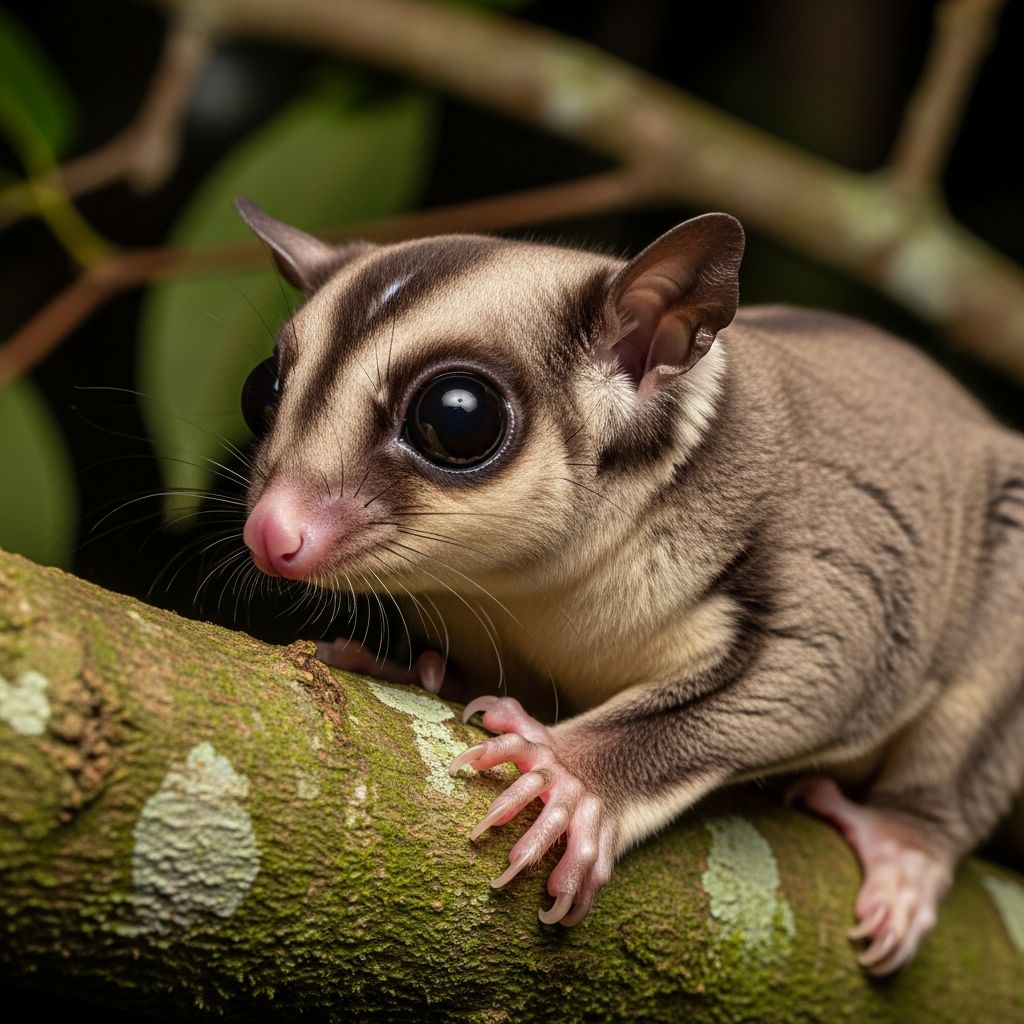
Understanding Your Sugar Glider’s Behavior
Sugar gliders are fascinating and highly social animals with unique behavioral patterns that make them engaging pets for those willing to meet their specialized needs. These small, nocturnal creatures communicate through a variety of vocalizations, movements, and social interactions that can sometimes puzzle new owners. Understanding these 12 common sugar glider behaviors will help you build a stronger bond with your pet and ensure they receive the appropriate care and environment they need to thrive. Whether you’re hearing mysterious sounds in the middle of the night or watching your glider perform acrobatic feats around their enclosure, recognizing what these behaviors mean is essential to responsible pet ownership.
1. Daytime Sleeping and Nighttime Leaping
Sugar gliders are strictly nocturnal animals, meaning they are naturally programmed to sleep during the day and remain active throughout the night. This fundamental behavioral trait is one of the most important things to understand about sugar gliders as pets. During daylight hours, your sugar glider will sleep deeply and may be difficult to wake, allowing them to conserve energy for their active nighttime adventures. However, once the sun sets, your glider transforms into an acrobatic dynamo, leaping and gliding around their enclosure with impressive agility. Owners should not attempt to wake sleeping gliders during the day, as this can cause stress and disrupt their natural sleep cycle. For the best results, it’s recommended to schedule playtime and handling during evening and nighttime hours when your sugar glider is naturally alert and ready to interact. If you are sensitive to nighttime noise or activity, consider placing your sugar glider’s enclosure in a separate room away from your sleeping area, as their nighttime activities can be quite active and vocal.
2. Barking
Sugar gliders produce a distinctive barking sound that resembles the yapping of tiny puppies. This vocalization serves as a primary communication method among sugar gliders and with their human caregivers. The barking can occur at various times throughout the night and may seem unusually loud for such a small animal. Male sugar gliders tend to bark more frequently than females, particularly during territorial or mating seasons. The barking sound can vary in intensity and duration depending on what your sugar glider is trying to communicate. Some owners report hearing their gliders bark at 4 AM or 6 AM with surprising volume for a creature weighing only a few ounces. This behavior is completely normal and natural, though it’s something prospective owners should be prepared for if they’re light sleepers or live in apartments with noise-sensitive neighbors. Understanding that barking is a natural form of expression rather than a sign of distress can help you appreciate this quirky aspect of sugar glider personality.
3. Crabbing
One of the most distinctive and memorable sounds a sugar glider can make is called “crabbing,” which is often described as resembling a swarm of locusts or an alien invasion. This high-pitched, undulating sound that ebbs in and out is the glider’s way of expressing fear, displeasure, or distress. When your sugar glider feels threatened, uncomfortable, or frightened, they will produce this unique vocalization as a warning signal. The sound is surprisingly loud and can be startling to first-time listeners, but it’s important to recognize it as a communication tool rather than a sign that your pet is in physical danger. If your sugar glider begins crabbing, it’s crucial to stop whatever activity caused the distress and give them space to calm down. Do not intentionally provoke crabbing just to hear the sound, as this causes unnecessary stress to your pet. Understanding crabbing is essential because sugar gliders typically crab just before biting, giving you a clear warning to back off before they resort to more aggressive defensive measures.
4. Hissing
In addition to crabbing and barking, sugar gliders can produce hissing sounds as part of their vocal repertoire. These hissing vocalizations can serve different purposes depending on the context. Sometimes a sugar glider will hiss as a communication method with fellow sugar gliders, conveying messages that can range from “out of my way” to friendly greetings. Interestingly, some sugar glider enthusiasts have observed that their pets may also hiss while going to the bathroom, particularly when experiencing constipation or digestive discomfort. This behavior is thought to be related to the effort and discomfort associated with elimination. If you notice your sugar glider hissing frequently or seemingly in distress during bathroom time, it may be worth consulting with an exotic animal veterinarian to rule out any digestive issues.
5. Purring
Just like domestic cats, content and relaxed sugar gliders may produce a soft purring sound. Sugar glider purring is considerably quieter and more subtle than a cat’s purr, so you may need to listen carefully to detect it. This vocalization is a positive sign indicating that your sugar glider is feeling happy, safe, and comfortable in their environment. Purring often occurs during bonding sessions, when your glider is snuggled in your pocket or being gently petted. The ability to elicit purring from your sugar glider demonstrates that you’ve successfully created a secure bond and that your pet trusts you. Not all sugar gliders purr frequently, as individual personalities vary, but those that do tend to purr during their most relaxed and contented moments. If you hear your sugar glider purring, continue whatever calming activity is causing the pleasant response, as this reinforces positive interactions between you and your pet.
6. Taking a Bite
Despite their small and cute appearance, sugar gliders can bite when frightened, annoyed, or startled. Biting is an efficient and direct way for your sugar glider to express displeasure or communicate that they’re uncomfortable with a particular situation or interaction. Sugar gliders typically crab as a warning before they bite, giving you an opportunity to back away and prevent the bite from occurring. This warning system allows attentive owners to recognize escalating stress levels and remove themselves from the situation. If your sugar glider has bitten you, remember that this is a defensive behavior rather than malicious aggression. The bite can potentially be serious due to the sharpness of their teeth, so it’s important to establish proper handling techniques and respect your pet’s boundaries. Young sugar gliders that haven’t been adequately socialized are more prone to biting, which is why early and consistent handling is crucial for developing a well-behaved pet.
7. Scraping with Their Teeth
In their natural habitat, sugar gliders scrape the bark of trees to draw out nutritious sap for consumption. In a home setting, your legs and arms can resemble tree trunks to your sugar glider, and they may instinctively attempt to scrape you with their sharp teeth to find sap. While this behavior stems from natural survival instincts, it’s not a desirable behavior to encourage in a pet setting. If your sugar glider begins scraping your skin with their teeth, gently redirect this behavior by offering an appropriate toy or treat to distract them from their tree-barking instincts. Providing alternatives like wooden branches, bark toys, or specially designed enrichment items can satisfy this natural urge in acceptable ways. By understanding that scraping is instinctive rather than a sign of aggression, you can manage this behavior with patience and appropriate redirection rather than punishment.
8. Sneezing and Wiping Hands on Themselves
When you observe your sugar glider sneezing and then wiping their hands on their body, you’re witnessing an important grooming behavior rather than a sign of illness. What appears to be sneezing is actually your glider spitting saliva into their hands, which they then rub into their fur while grooming themselves. This is a completely normal and healthy grooming technique that helps them maintain their coat and distribute natural oils throughout their fur. The resulting silky texture of a well-groomed sugar glider is noticeably soft and pleasant to the touch. While it might seem gross on the surface, this behavior demonstrates your glider’s commitment to personal hygiene and coat maintenance. There’s no need to be concerned or to offer your sugar glider a tissue, as this is an entirely natural part of their self-care routine.
9. Rubbing Against Things and Scent Marking
Sugar gliders, particularly males, frequently rub against objects, their cage, and their owners as a way of marking territory. What might appear to be an affectionate hug or head rub is often your sugar glider’s way of claiming you as part of their property. Male sugar gliders possess scent glands on their head and chest that they use for territorial marking. Unneutered males engage in significantly more marking behavior than their neutered counterparts, using scent marking as a way to establish dominance and claim territory. This behavior is instinctive and not a sign of aggression; it’s simply your glider’s way of establishing social hierarchy and security. Female sugar gliders also engage in scent marking but typically less frequently than males. Understanding this behavior helps you appreciate your glider’s need for territorial security and social structure within their environment.
10. Leaping and Climbing
In the wild, sugar gliders spend the vast majority of their time in trees, using leaping as their primary form of transportation from branch to branch. In a home environment, your pet sugar glider will transfer these natural climbing and leaping behaviors to their surroundings, frequently treating you as a substitute tree. Your glider may climb your limbs, jump from furniture to your shoulder, or head directly to the top of your head during playtime. This behavior is completely normal and demonstrates your glider’s natural agility and athleticism. However, it’s crucial to supervise your sugar glider during out-of-cage playtime to prevent falls and injuries. Providing appropriate climbing structures, branches, and enrichment items within the cage helps satisfy these natural urges in a safe environment. The presence of a solid running wheel and various climbing opportunities helps your glider engage their natural instincts while remaining secure.
11. Peeping Out of Pockets
Sugar gliders have a natural affinity for pockets and small enclosed spaces, similar to how baby kangaroos spend their infancy in their mother’s pouch. Baby sugar gliders develop in the mother’s pouch, creating an inherent comfort with small, enclosed spaces that replicate this early experience. As a pet owner, you’ll likely notice your sugar glider seeking out your shirt pocket and settling in contentedly. This behavior is so strong that many owners report difficulty convincing their gliders to leave their pockets at the end of playtime. This behavior is not only normal but also beneficial, as it demonstrates bonding and trust between you and your pet. Many sugar glider owners use bonding pouches specifically designed to simulate the pouch experience, which can strengthen the human-animal bond while satisfying your glider’s natural behavioral needs. The contentment your sugar glider displays while nestled in a pocket is a sign that they feel safe and secure in your presence.
12. Seeking Out Sweets
Sugar gliders earned their name for two primary reasons: their ability to glide and their extreme fondness for sweet foods and beverages. In their natural habitat, sugar gliders consume nectar and pollen from sweet gum and eucalyptus tree blossoms, creating a strong preference for sweet flavors. This natural dietary preference means your pet will actively seek out and consume sweet fruits and sugary foods whenever given the opportunity. While this behavior is natural and instinctive, owners must exercise careful dietary management to prevent obesity and metabolic disorders. Sugar gliders will often ignore nutritious pellets and vegetables in favor of sweeter fruits and insects, which can lead to nutritional imbalances and health issues. It’s essential to provide appropriate portions of healthy foods while limiting access to excessively sweet or fatty options. Proper diet management includes maintaining a recommended ratio of pellets to fresh fruits and vegetables, removing fresh food each morning to prevent spoilage, and treating insects as occasional special treats rather than staple foods.
Building a Strong Bond Through Behavioral Understanding
Understanding these 12 common sugar glider behaviors is fundamental to becoming an effective and compassionate pet owner. Each behavior serves a purpose in your glider’s communication system and natural instincts. By recognizing and appropriately responding to these behaviors, you create an environment where your sugar glider can feel secure, understood, and valued. Consistent handling during nighttime hours, appropriate enrichment, proper diet management, and respectful interaction will help your glider develop into a well-adjusted, affectionate companion. Remember that behavioral issues often stem from insufficient socialization, inadequate housing, or improper diet rather than inherent personality flaws. With patience, knowledge, and commitment to understanding your sugar glider’s unique behavioral language, you can develop a rewarding and meaningful relationship with these remarkable small animals.
Frequently Asked Questions
Q: Why is my sugar glider so active at night?
A: Sugar gliders are nocturnal animals, meaning they’re naturally programmed to sleep during the day and remain active at night. This is their normal biological rhythm, and you should schedule playtime and handling during evening and nighttime hours for the best results.
Q: What does crabbing mean?
A: Crabbing is a high-pitched, undulating vocalization that sounds like a swarm of locusts. It indicates your sugar glider is frightened, uncomfortable, or distressed. Crabbing typically occurs just before biting, giving you a warning to back away and stop whatever activity caused the distress.
Q: Why is my sugar glider biting?
A: Sugar gliders bite when frightened, annoyed, or startled as a defensive behavior. If your glider is biting frequently, ensure they’re properly socialized through regular handling, and respect their boundaries when they display warning signs like crabbing.
Q: How much socialization does my sugar glider need?
A: Sugar gliders require one to two hours of daily handling to be properly socialized and to develop a strong bond with their owners. This handling should ideally occur during nighttime hours when your glider is naturally alert and active. Proper socialization prevents behavioral problems and helps your glider become a well-adjusted pet.
Q: Is it normal for my sugar glider to rub against me?
A: Yes, rubbing is completely normal behavior, especially for male sugar gliders. They’re marking you as part of their territory using scent glands on their head and chest. This demonstrates bonding and security in your presence.
Q: What should I feed my sugar glider to prevent obesity?
A: Maintain the recommended ratio of pellets to fresh fruits and vegetables, and limit sweet fruits and fatty insects, which they strongly prefer. Sugar gliders will choose sweet and fatty foods over healthy options, so careful portion control is essential to prevent obesity and metabolic disorders.
References
- 12 Common Sugar Glider Behaviors — Chewy Education. 2024. https://www.chewy.com/education/small-pet/sugar-glider/12-common-sugar-glider-behaviors
- Sugar Gliders – Owning — VCA Animal Hospitals. 2024. https://vcahospitals.com/know-your-pet/sugar-gliders-owning
- All About Sugar Gliders — PetMD. 2024. https://www.petmd.com/sugar-glider/exotic/all-about-sugar-gliders
- Understanding Your Sugar Glider — PetPlace. 2024. https://www.petplace.com/article/small-mammals/general/understanding-your-sugar-glider
- Sugar Glider Care Guide — Bird & Exotics Veterinary Center. 2024. https://www.birdexoticsvet.com/sugar-glider-care-guide
- Caring For Your Pet Sugar Glider — Pender Veterinary Centre. 2024. https://www.pendervet.com/blog/caring-for-your-pet-sugar-glider
Similar Articles








Read full bio of Sneha Tete