

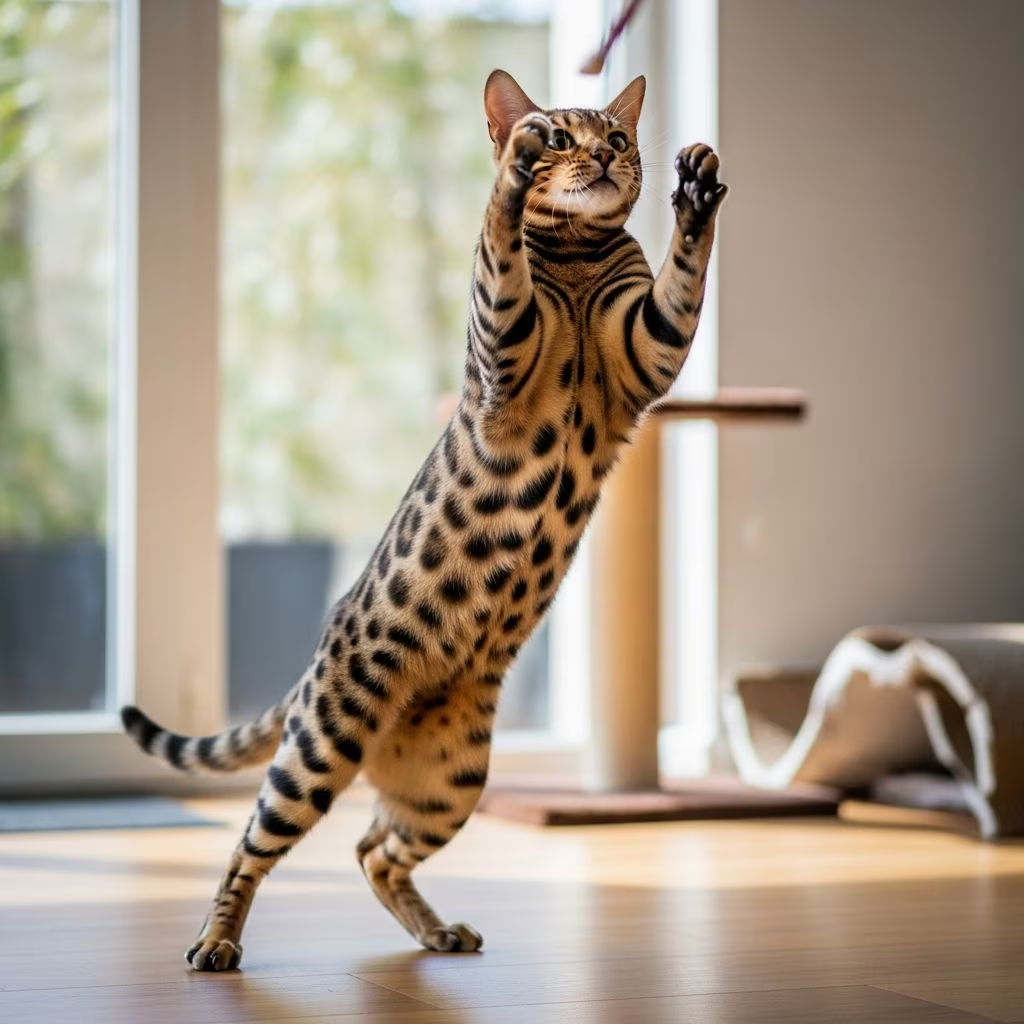
12 Athletic Cat Breeds: Active and Energetic Felines for Your Home
When it comes to choosing a cat as a pet, many people seek a feline companion that matches their active lifestyle. While cats are often known for their laid-back nature and love of napping, certain breeds stand out for their exceptional athleticism, boundless energy, and playful personalities. If you’re looking for a cat that will keep you entertained and engaged rather than spending all day sleeping on the couch, exploring athletic cat breeds might be the perfect solution.
Athletic cats tend to share certain physical characteristics. Research has shown that cats with naturally lean appearances, short hair, and angular faces tend to be more active than their longhaired, larger counterparts. These breeds require more mental stimulation, physical exercise, and interactive play to stay happy and healthy. Understanding what makes certain breeds more athletic can help you find the perfect feline match for your household.
What Defines an Athletic Cat Breed?
Athletic cat breeds possess distinct characteristics that set them apart from their more sedentary counterparts. These cats typically have muscular, lean bodies built for speed and agility. They exhibit high energy levels, a strong prey drive, and an inherent need for mental and physical stimulation. Athletic breeds are often intelligent, curious, and always seem to have an agenda—constantly exploring their environment and seeking new challenges.
Owners of athletic cats should be prepared to provide adequate outlets for their energy through interactive toys, puzzle feeders, cat agility training, and dedicated playtime. Without proper stimulation, these energetic felines may become bored, destructive, or develop behavioral issues.
The 12 Most Athletic Cat Breeds
1. Abyssinian
The Abyssinian is perhaps one of the most recognizable athletic cat breeds. These cats move around the home as if they’re headed somewhere important and love having things to do and places to go. A medium-sized breed with a muscular body, Abyssinians rarely willingly sit still and seem to have boundless energy. This isn’t a cat that runs in circles for fun or enjoys simply relaxing in an owner’s lap for extended periods.
Abyssinians are naturally curious and intelligent, making them excellent candidates for advanced training. Channel their energy by providing food puzzles, teaching tricks, and training them (with veterinary approval) to participate in cat agility competitions. Many Abyssinians excel in feline agility sports and have been known to complete courses in less than 10 seconds.
2. Somali
Similar to the Abyssinian in color and activity level, the Somali is essentially the longhaired variety of the Abyssinian breed. This impressive athletic cat possesses a lithe, muscular body with strong, slim legs combined with keen intelligence and a playful personality. Somalis are exceptionally friendly, outgoing cats that will often greet their owners at the door.
These cats love human interaction and can be trained to fetch, play games, and even walk on a leash. Some owners report their Somalis being able to hold cat food and objects in their paws like a monkey as they explore their homes from top to bottom. The Somali’s athleticism makes it an excellent breed for trick training and leash walking adventures.
3. Bengal
Easily recognized by its wild appearance, the Bengal cat retains its energetic and very active personality from its Asian leopard cat ancestors. These cats are exceedingly intelligent and need a job to do, much like a Border Collie or Australian Shepherd in the canine world. Bengals love investigating every nook and cranny of a home and require significant mental and physical stimulation.
Originally bred from a serval and domestic cat, Bengals are known for their athleticism, intelligence, and endless curiosity. One of their favorite activities is climbing to high places, and their long bodies and long legs help them reach heights you probably didn’t think a cat could achieve. If you share your home with a Bengal, make sure any spot they might be tempted to climb is secured and safe.
4. Cornish Rex
Called the Greyhound of the cat world because of their sleek appearance and short, single coat, the Cornish Rex is particularly friendly with people and loves learning. These naturally curious cats can get themselves into things around the home and enjoy having fun. They possess an utterly unique appearance owing to a 1950s English mutation.
The Cornish Rex’s soft, curly coat sheds less than other breeds, which may make it suitable for people who have allergies. These acrobatic cats are very active, never stop moving, and are playful and curious by nature. They’ll leap on your shoulder, chase toys, knock things off tables, and demonstrate nonstop energy. Some Cornish Rex cats even enjoy walking on leashes, making them great companions for outdoor adventures.
5. Egyptian Mau
The Egyptian Mau is a breed that excels in agility activities for cats. These cats love to run, jump, and play with enthusiasm. Known as the fastest domestic cat breed on the planet, Egyptian Maus have the ability to run up to 30 mph. Their powerful legs can catapult them to places like your shoulder or kitchen counter with ease.
A long, graceful breed with unique spots that can come in various shapes and markings, Egyptian Maus are also recognizable by their faces, which feature an M-shaped mark on the forehead and two black lines across the cheeks. Known for their even temperament and trainability, Egyptian Maus are particularly good at fetching items for their owners, a trait possibly passed down from their ancestors who were used to retrieve game.
6. Japanese Bobtail
A medium-sized breed with a slender, athletic build, the Japanese Bobtail is a friendly, intelligent cat that loves being with its people. These cats get along well with other cats they’ve been raised with but may be skeptical of new pets or unfamiliar felines in the home. Proper socialization from an early age is essential for these social creatures.
Japanese Bobtails crave attention and have been known to play in water, a trait uncommon among most cat breeds. They enjoy interacting with children and love jumping and prancing around the home. If you plan to get your Japanese Bobtail a companion to keep it engaged, be sure to properly introduce the cats and socialize your Bobtail with other animals from an early age.
7. Ocicat
The Ocicat was bred to have a wild look but, unlike the Bengal, has no wild cat ancestry. These cats were bred from Abyssinians, Siamese, and American Shorthairs—all athletic breeds. The Ocicat was built for speed and agility with a frame that is large, solid, and muscular.
An incredibly loyal breed that is social with other pets, the Ocicat tends to accept new cats into the home more easily than other breeds. Ocicats will often use their athletic abilities to jump onto high bookcases or shelves and explore their surroundings. Recognized by their exotic build and distinctive spotted coat, Ocicats are able to learn commands and can be leash trained to provide an outlet for their energy. Ocicats tend to be sociable, so keep them busy by involving them in your life whenever possible.
8. Siamese
Social and outgoing, the Siamese loves human companionship and will happily spend the day chattering away to its owners about what it wants and when. These vocal cats are known for their distinctive appearance with striking blue almond-shaped eyes and color-point patterns. A breed that thrives playing games with other cats, Siamese do well in pairs and are generally happy to spend time in their owner’s lap provided they receive enough regular activity.
The Siamese’s athleticism is often overlooked due to their elegant appearance, but these cats are quite active and playful. They enjoy interactive games and require mental stimulation to prevent boredom and destructive behavior.
9. Balinese
With a fuller coat than its Siamese relatives, the Balinese is also very active, affectionate, and people-oriented. When socialized at a young age, they tend to travel well and excel in agility and leash training. Another chatty breed, the Balinese loves jumping and climbing and plays well with other cats.
These elegant cats combine the vocal, social nature of the Siamese with increased athleticism and a more substantial coat. The Balinese thrives on human interaction and requires regular physical activity to maintain their physical and mental health.
10. Oriental Shorthair
An active, extroverted breed with a naturally high prey drive, the Oriental Shorthair loves playing, especially with toys that it can pounce on. Similar in body type and personality to the Siamese, the Oriental Shorthair differs in that it comes in a wide variety of colors and patterns, including pure white, ebony, chestnut, bi-color, and tabby.
These lean, muscular cats are built for speed and agility. Their high prey drive makes them excellent hunters, and they require interactive play with toys that stimulate their hunting instincts. Oriental Shorthairs are highly social and bond closely with their owners.
11. Turkish Van
With a Turkish heritage in the Lake Van area, this breed is renowned for its unique affinity to water—a trait uncommon among most cats. Muscular and powerful, the Turkish Van is also a vocal kitty that loves a good round of fetch. Turkish Vans have a distinctive coat pattern with a white base but coloring on their heads and tails.
They can be somewhat less social than other breeds, but because they’re so smart, they’re great to bond with using clicker training rather than petting and snuggles. These athletic cats are excellent swimmers and may surprise you by jumping into the bathtub or playing with water from a fountain.
12. Manx
Frisky, friendly, and adept at running, jumping, playing fetch, and even learning tricks, the surprisingly stocky Manx comes from the United Kingdom’s Isle of Man. These cats are associated with having no tails, although some possess long tails or short, stubby ones like the Japanese Bobtail. Despite their unique tail structure, the Manx may not have a tail but that doesn’t slow him down one bit.
Manx cats can jump and accelerate through the house like there’s no tomorrow. Watch for their sharp turns and quick stops—you’ll think they’re mini sports cars in the shape of a cat. These athletic felines are highly playful and can be trained to perform tricks and play fetch like dogs.
Key Characteristics of Athletic Cat Breeds
Athletic cat breeds share several important traits that prospective owners should understand. First, they possess lean, muscular bodies designed for speed and agility. Second, they have naturally high energy levels and require regular physical exercise and mental stimulation. Third, they tend to be highly intelligent and curious, always exploring their environment.
These breeds also typically enjoy interactive play, respond well to training, and may even learn to walk on leashes or participate in agility competitions. Many athletic cat breeds are vocal and social, enjoying human interaction and involvement in family activities. Without proper outlets for their energy, these cats can become destructive, overweight, or develop behavioral problems.
How to Care for an Athletic Cat
Caring for an athletic cat breed requires commitment and dedication. Provide multiple interactive toys, climbing structures, and perches throughout your home to encourage physical activity. Establish regular playtime routines, ideally several sessions throughout the day. Consider puzzle feeders and food-dispensing toys to provide mental stimulation during mealtimes.
Interactive play with toys on strings, laser pointers (used safely), and balls can help burn excess energy. Many athletic cats enjoy learning tricks and can be trained using positive reinforcement methods. Some breeds can even be leash trained for outdoor adventures. Vertical spaces like cat trees and wall-mounted shelves are essential for climbing and exploring.
Professional training classes for cat agility can provide structured exercise and mental enrichment. Rotating toys regularly prevents boredom and keeps your cat interested in playtime. Ensure your home is safe for an active cat by securing loose items, protecting plants, and providing safe climbing surfaces.
Frequently Asked Questions
Q: What is the fastest domestic cat breed?
A: The Egyptian Mau is the fastest domestic cat breed, capable of running up to 30 mph. Their powerful legs and streamlined bodies make them exceptional sprinters.
Q: Do athletic cats require more food than other breeds?
A: Athletic cats may require slightly more calories to maintain their active lifestyle, but the exact amount depends on individual metabolism and activity level. Consult your veterinarian about appropriate portion sizes.
Q: Can athletic cat breeds live in apartments?
A: Yes, athletic cat breeds can live in apartments if provided with sufficient vertical space, interactive toys, and regular playtime. However, they do better with space to roam and explore.
Q: Are athletic cats good for families with children?
A: Many athletic cat breeds, such as Japanese Bobtails and Bengals, can be excellent with families with children. Proper socialization from an early age and supervision of interactions is important.
Q: What’s the difference between an Abyssinian and a Somali?
A: The Somali is essentially the longhaired variety of the Abyssinian. Both breeds share similar personality traits and activity levels, but the Somali has a fuller, longer coat.
Q: Can athletic cats be trained to walk on leashes?
A: Yes, many athletic breeds such as Bengals, Cornish Rex, Somalis, and Balinese can be trained to walk on leashes with patience and positive reinforcement, starting at a young age.
Q: Do athletic cats get along with other pets?
A: Many athletic breeds are social and get along well with other cats and pets when properly socialized from an early age. However, individual personality varies by cat and breed.
Q: What’s the best way to keep an athletic cat entertained?
A: Provide interactive toys, puzzle feeders, climbing structures, regular playtime sessions, and consider cat agility training. Rotating toys and providing new enrichment activities helps prevent boredom.
References
- 12 Athletic Cat Breeds — Chewy. 2024. https://www.chewy.com/education/cat/general/behavior-breeds-12-athletic-cat-breeds
- The Ten Fastest & Most Athletic Cat Breeds on the Planet — Cat Authors. 2024. https://catauthors.com/news/ten-fastest-most-athletic-cat-breeds-planet
- 15 Most Active Cat Breeds for Families Who Want a Playmate — Country Living. 2024. https://www.countryliving.com/life/kids-pets/g69061388/active-cat-breeds
- The Cat Fanciers’ Association Breed Directory — The Cat Fanciers’ Association. 2024. https://cfa.org/breeds



