

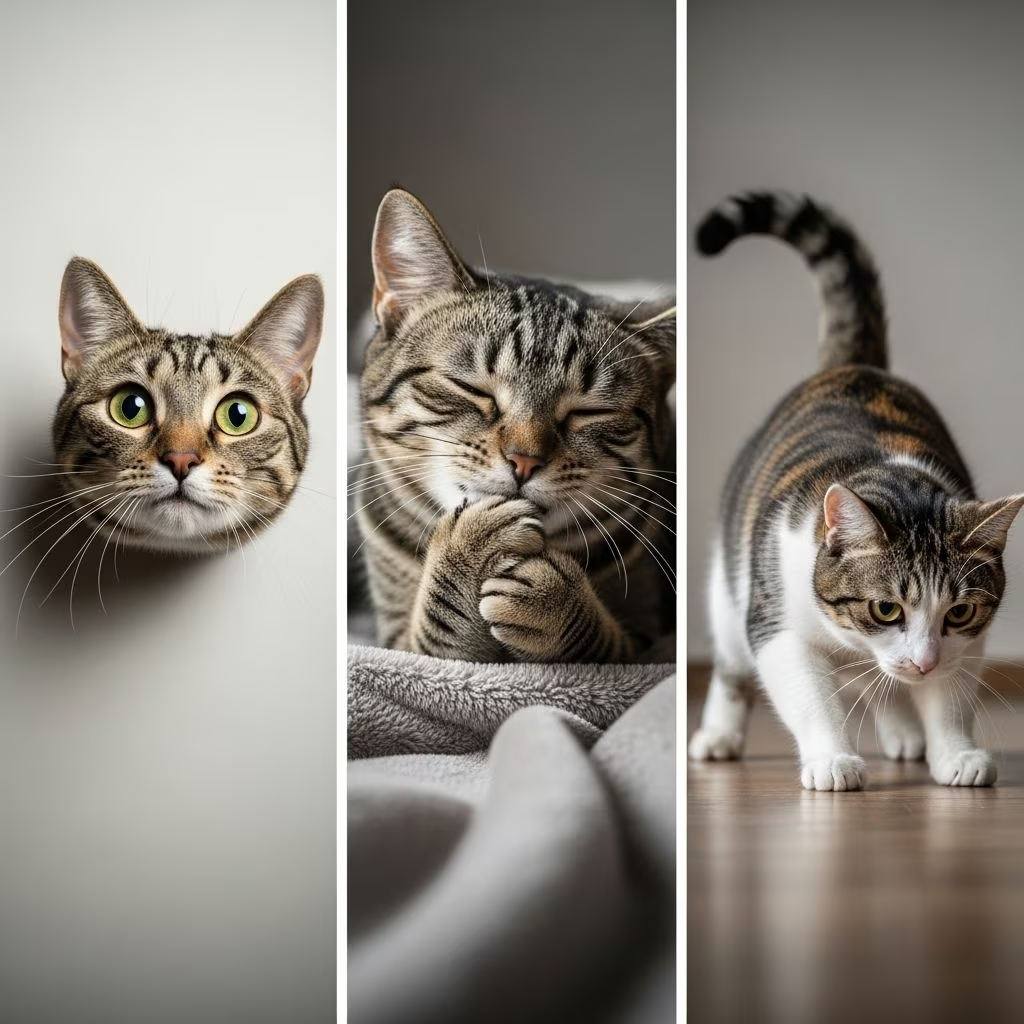
11 Strange Cat Behaviors and What They Mean
Cats are fascinating creatures with complex behaviors that often perplex their owners. While some feline antics might seem bizarre or concerning, most cat behaviors have logical explanations rooted in their instincts, emotions, and communication styles. Understanding what your cat is trying to tell you through their behaviors can strengthen your bond and help you provide better care. This comprehensive guide explores eleven common strange cat behaviors and reveals what they truly mean.
1. Zoomies: The Frenetic Random Activity Periods
If you’ve witnessed your cat suddenly dart around the house at lightning speed, making unusual loud meows that sound almost demonic, you’ve experienced what behaviorists call Frenetic Random Activity Periods, or “zoomies.” This phenomenon is completely normal and nothing to worry about. During these episodes, your cat experiences a sudden rush of adrenaline that compels them to run frantically throughout your home for short periods.
Zoomies serve several purposes for your feline friend. Primarily, they allow cats to burn off excess energy accumulated throughout the day. This behavior also connects to your cat’s primal hunting instincts, giving them an outlet to express their natural predatory drives indoors. Zoomies typically occur during dawn and dusk hours when wild cats would naturally be most active in hunting. If your cat experiences frequent zoomies, it may indicate they need more playtime and environmental enrichment.
2. Kneading: Showing Love and Comfort
When your cat rhythmically pushes their paws against your lap, blankets, or furniture, they’re performing a behavior called kneading. This distinctive display of affection is one of the most endearing things cats do. Kneading originates from kittenhood when nursing kittens massage their mother’s belly to stimulate milk flow. Adult cats continue this behavior throughout their lives for several reasons.
Cats knead to express contentment, mark territory with scent glands in their paws, and create comfortable resting spaces. Many cats also knead when they’re anxious or stressed, using the rhythmic motion to self-soothe and calm themselves. In the feline world, kneading is essentially a cat’s way of saying “I love you” and signaling that they feel safe and secure in your presence. The gentle or sometimes more forceful pushing motion indicates your cat has formed a strong emotional bond with you.
3. Headbutting: Bunting and Territory Marking
When your cat gently leans their head against your hand, face, or body, they’re engaging in a behavior called “head bunting.” This adorable gesture means much more than simple affection. Cats have scent glands located on their head and cheeks, and by headbutting you, they’re rubbing their pheromones onto your body. This behavior serves multiple purposes in feline communication.
Headbutting primarily communicates affection and demonstrates that your cat loves you and considers you part of their family. Secondly, cats are marking you with their scent to claim ownership and establish you as a trusted member of their territory. Additionally, cats learn behavioral patterns and may headbutt you repeatedly because they’ve discovered this action prompts you to stroke them. If you typically respond to headbutts with gentle scratches between their ears or under their chin, your cat will continue using this behavior to request affection.
4. Chattering: Excitement and Frustration
The distinctive fast and intense teeth chattering sound your cat makes, especially when spotting birds through a window, is a fascinating behavior with multiple interpretations. Behaviorists believe cats chatter in response to the excitement of observing potential prey combined with the frustration of being unable to catch it. This behavior is completely normal and indicates your cat’s hunting instincts are activated.
Some animal behaviorists propose that chattering represents a natural instinct allowing cats’ muscles to prepare for the act of killing prey. Others suggest it’s purely an expression of excitement and slight aggravation about the inability to access their intended target. Some cats also emit chirping sounds when observing bugs or small creatures, representing a variation of this chattering behavior. Regardless of the exact motivation, chattering is a sign your cat is engaged and focused on their environment.
5. Sleeping in Tight Spaces: Security and Warmth
Despite having comfortable pet beds available, many cats prefer sleeping in cramped spaces like cardboard boxes, drawers, or tight corners of closets. This seemingly odd preference has deep roots in feline behavior and psychology. Cats are attracted to cozy, tight places because these spaces provide multiple benefits: warmth, peace, and a sense of security.
This behavior reflects the instincts of your cat’s wildcat ancestors, who sought enclosed spaces for protection when stalking prey or resting while avoiding predators. Tight spaces also create a den-like environment that appeals to cats’ natural instincts. Additionally, these cozy spots may trigger fond memories of kittenhood when your cat was nestled closely with littermates and their mother. The preference for tight spaces indicates your cat feels secure and comfortable in their environment. Providing boxes and enclosed cat beds can enhance your cat’s sense of well-being.
6. Drinking from Faucets: Natural Water Preferences
You might notice your cat prefers drinking water from a running tap rather than from a stationary water bowl. This behavior isn’t a sign of fussiness but rather reflects your cat’s natural water preferences. To cats, running faucets resemble nature’s natural flowing water sources, which they instinctively perceive as safer and cleaner than stagnant water.
In the wild, cats avoid drinking from still water sources because stagnant water is more likely to contain contaminants and harmful bacteria. Running water represents a fresh, clean water source that signals safety to your cat’s instincts. This preference is so strong that many cat owners invest in cat water fountains to encourage their pets to drink adequate water. Ensuring your cat drinks sufficient water is crucial for urinary health and overall well-being. If your cat prefers running water, a cat fountain can help maintain proper hydration.
7. Presenting Their Tail: Communication and Greeting
When your cat leaps into your lap and turns around to present their rear end and tail to your face, this might seem like the least charming cat behavior. However, this tail presentation is actually a significant form of communication and greeting in feline body language. This behavior indicates trust and affection, even if the presentation feels somewhat ungraceful or off-putting to humans.
By presenting their tail and rear, your cat is showing complete trust in you and vulnerability. This greeting is equivalent to a human turning their back in a vulnerable position—it indicates your cat feels entirely safe in your presence. The tail presentation often accompanies pacing and may be followed by your cat rubbing against your hand or leg. Understanding this behavior helps you appreciate the trust your cat has placed in you, even when the gesture seems less than pleasant.
8. Eating Non-Food Items: Pica and Health Concerns
If your cat enjoys chewing on non-edible items such as wool, cloth, plastic, rubber bands, or metal, they may be exhibiting a condition called pica. This behavior involves consuming or attempting to consume items that aren’t food. While pica can be concerning, understanding its causes is essential for addressing the issue appropriately.
Proposed causes for pica in cats include mineral deficiencies, anemia, hyperthyroidism, genetic predisposition, boredom, and stress. Behavioral factors contributing to pica commonly include stress or anxiety triggered by other pets, household changes such as moving, new family members, or visitors. Some cats develop pica due to insufficient environmental enrichment or stimulation. The first step in addressing this behavior is consulting with a veterinarian to rule out underlying medical conditions. Your vet can perform diagnostic tests and recommend dietary adjustments or behavioral interventions based on the underlying cause.
9. Excessive Meowing: Vocalization and Communication
While some meowing is normal feline communication, excessive vocalization can indicate various underlying issues. Cats meow for multiple reasons, and understanding the context is crucial for interpreting this behavior correctly. Excessive meowing can express anxiety, stress, fear, or distress in your cat.
Certain cat breeds are naturally “chatty” and vocal, including Bengal, Burmese, Oriental Shorthair, Siamese, Sphynx, and Tonkinese breeds. If you own one of these breeds or a mixed breed with their lineage, increased vocalization may be entirely normal. Additionally, cats often meow more during nighttime hours due to their natural hunting instincts. Older cats may exhibit increased meowing due to medical conditions or cognitive changes. Short, pleasant meows typically represent greetings or requests for attention, while longer, unpleasant meowing usually signals demands or expresses objection and annoyance. If your cat’s meowing patterns change suddenly or seem excessive, consult with a veterinarian to rule out medical issues.
10. Staring Intently and Dilated Pupils: Emotional States
When your cat stares intently at something, seemingly focused on nothing visible to you, they may be displaying heightened awareness or tracking movements imperceptible to human eyes. Additionally, observing your cat’s pupils provides insights into their emotional state. Cats’ pupils fluctuate in size and shape based on light levels and emotional responses.
When cats dilate their pupils, they allow even tiny amounts of light into their eyes, enabling superior vision in low-light conditions. During daytime, dilated pupils can indicate heightened emotions such as excitement, fear, or aggression, depending on the context and accompanying body language. Combining pupil observation with other behavioral cues helps you understand your cat’s emotional state. A cat with dilated pupils, flattened ears, and a low body posture indicates fear or aggression, while dilated pupils with relaxed body language and slow blinks might suggest playfulness or confidence.
11. Spraying and Inappropriate Elimination: Territory Marking and Stress
Cats often spray urine or eliminate outside the litter box to mark territory or communicate stress. When spraying, cats typically stand upright while making treading motions with their hind legs, keeping their tail upright and quivering. Cats commonly spray close to doors or windows where territorial boundaries matter most.
While many cat owners interpret litter box mishaps as “misbehavior,” the cat is often simply trying to avoid a painful trip to the litter box due to medical issues. If your cat suddenly eliminates outside the litter box, the first step is scheduling a veterinary examination to rule out urinary tract infections, kidney disease, or other medical conditions. Behavioral causes for inappropriate elimination include stress or anxiety triggered by other pets, household changes, or litter box location or maintenance preferences. Ensure your cat has adequate litter boxes in quiet, accessible locations and maintain consistent cleaning schedules. If medical issues are ruled out, consult with an animal behaviorist to address stress-related causes.
Additional Quirky Behaviors Worth Understanding
Beyond the eleven main behaviors discussed, cats display numerous other quirky habits worth understanding. Countertop cruising, where cats climb and explore high surfaces, reflects their natural instinct to seek elevated vantage points for surveillance and security. The “stinky face” or flehmen response, where cats curl their lips and make a sneering expression, helps them process scent information. Rubbing against furniture and people, called “bunting,” marks territory with scent glands located throughout their bodies.
Frequently Asked Questions
Q: Why does my cat knead and drool?
A: Kneading combined with drooling indicates your cat is extremely relaxed and content. This behavior intensifies when cats feel particularly safe and loved. Some cats drool while kneading more than others, which is completely normal and simply reflects their deep state of relaxation.
Q: Is it normal for cats to stare at walls or nothing?
A: Yes, cats often stare at walls, corners, or seemingly empty spaces. They may be tracking insects invisible to human eyes, responding to sounds, or simply lost in thought. However, if this behavior becomes obsessive or is accompanied by other changes, consult your veterinarian.
Q: What should I do if my cat won’t use the litter box?
A: First, schedule a veterinary appointment to rule out medical conditions. Then, ensure you have multiple litter boxes in quiet locations, maintain clean boxes, and consider the box type and litter preferences your cat may have. Stress-related causes should be addressed with environmental enrichment and behavioral modifications.
Q: How can I reduce my cat’s zoomies?
A: Provide more interactive playtime and environmental enrichment. Use toys that mimic prey, create vertical spaces for climbing, and engage in play sessions during dawn and dusk when cats are naturally most active. Adequate physical activity and mental stimulation often reduce excessive zoomies.
Q: Why does my cat bring me dead animals or toys?
A: When cats bring you “gifts,” they’re actually displaying hunting behavior and may be trying to teach you or show pride in their catch. This behavior reflects their natural instincts and represents a form of affection in feline terms, even though the presentation can be disturbing to humans.
Q: Should I be concerned about my cat’s chattering?
A: No, chattering is a normal behavior indicating your cat’s hunting instincts are engaged. It’s typically observed when cats see birds or small animals through windows and represents excitement mixed with frustration about being unable to hunt.
References
- 7 Common But Strange Cat Behaviours Explained — Pet Angel. Accessed November 28, 2025. https://www.petangel.com.au/7-common-but-strange-cat-behaviours-explained/
- 15 Strange Cat Behaviors Explained — The Drake Center. Accessed November 28, 2025. https://www.thedrakecenter.com/services/cats/blog/15-strange-cat-behaviors-explained
- 10 Puzzling Cat Behaviours Explained — Petplan. Accessed November 28, 2025. https://www.petplan.co.uk/cat-insurance/cat-care-and-advice/why-does-my-cat.html
- Weird Cat Behaviors Explained — Hill’s Pet Nutrition. Accessed November 28, 2025. https://www.hillspet.com/cat-care/behavior-appearance/weird-things-cats-do
- Strange Cat Behaviors Explained (Compilation). Cat Body Language — YouTube. Accessed November 28, 2025. https://www.youtube.com/watch?v=OdxjQsYRQwk
- Understanding Your Cat’s Behaviour — RSPCA. Accessed November 28, 2025. https://www.rspca.org.uk/adviceandwelfare/pets/cats/behaviour
- The Definitive Guide to Cat Behavior and Body Language — Tuft & Paw. Accessed November 28, 2025. https://www.tuftandpaw.com/blogs/cat-guides/the-definitive-guide-to-cat-behavior-and-body-language



