

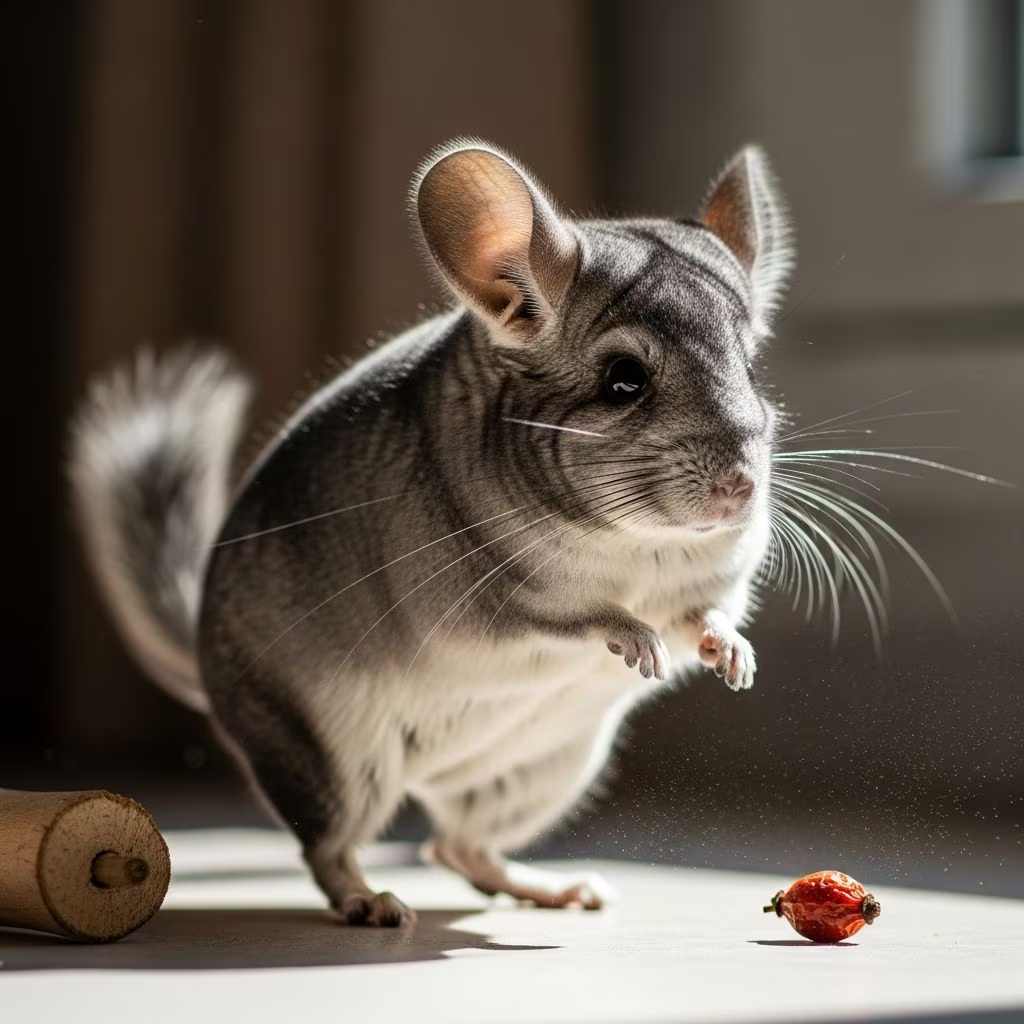
Chinchillas are fascinating creatures that often exhibit behaviors that may seem unusual to first-time owners. These small, intelligent rodents from the high altitudes of the Andes Mountains have evolved unique characteristics that help them survive in their natural environment. Understanding these behaviors is essential for providing proper care and building a strong bond with your pet. This comprehensive guide explores eleven of the most common and peculiar chinchilla behaviors that every owner should know.
1. Twilight Fans: Crepuscular Activity Patterns
One of the most fundamental behaviors to understand about chinchillas is their natural sleep schedule. Chinchillas are crepuscular animals, meaning they are most active during dawn and dusk hours when they emerge to feed on the scarce alpine vegetation in their native habitat. This behavior means your pet chinchilla will likely be quite drowsy during the day when you might want to play with it, and most active during evening and early morning hours. Pet store chinchillas often appear quiet and docile, but this is typically because visitors shop during daytime hours when these animals are naturally sleepy.
Understanding this twilight activity pattern helps you schedule playtime and interactions during your chinchilla’s peak energy hours. You’ll have much better success engaging with your pet during evening hours when it’s naturally inclined to be awake and playful.
2. Eyes Wide Open: Sleeping with Open Eyes
Perhaps one of the most startling behaviors new chinchilla owners encounter is finding their pet apparently staring directly at them while apparently asleep. Chinchillas are notoriously light sleepers and often sleep with their eyes open, especially when in new environments or sensing potential threats. This adaptation serves as a protective mechanism, allowing them to remain alert to danger even while resting.
Not only do chinchillas sleep with their eyes open, but they also startle extremely easily at the slightest noise. If you observe your chinchilla in a relaxed sleeping position but with eyes wide open, rest assured your pet is genuinely sleeping and should be left undisturbed. This behavior can take some getting used to, but it’s a completely normal and healthy adaptation for these vigilant animals.
3. Likely to Leap: Impressive Jumping Abilities
Despite their small, compact bodies, chinchillas are surprisingly athletic and agile jumpers. These nimble creatures can leap up to 6 feet in the air, using their powerful hind legs to navigate rocky terrain and evade predators in their native mountain habitat. This remarkable jumping ability has significant implications for chinchilla-proofing your home.
When setting up your chinchilla’s play area, keep in mind that electrical cords resting on countertops may not be safe from your pet’s climbing and exploration. Items you assumed were out of reach may actually be easily accessible to a determined jumping chinchilla. Providing a safe, enclosed play space and securing all potentially dangerous items is essential for your pet’s safety.
4. Dust-Bathing Beauties: Specialized Grooming Needs
One of the most endearing and fascinating chinchilla behaviors is dust bathing. Unlike most domesticated pets, chinchillas do not bathe in water. Their fur is extraordinarily dense, boasting an average of 60-70 hairs from each follicle compared to just one hair per follicle for humans. This dense coat takes so long to dry that it retains moisture close to the skin, creating an ideal environment for fungal growth and infections.
Instead of water baths, chinchillas bathe in specially formulated dust designed specifically for their needs. Watching your chinchilla roll around in dust is entertaining and essential for maintaining healthy skin and fur. Dust specifically designed for chinchillas is available at most pet stores and online suppliers—never substitute regular dirt or sand, as this can harm your pet’s delicate skin and respiratory system. Providing dust baths regularly is one of the most important grooming practices for chinchilla owners.
5. Spreading Whiskers: Environmental Awareness
Chinchillas possess long, sensitive whiskers that serve as crucial sensory organs for navigating their environment. These wiry facial hairs are extremely sensitive to touch and help chinchillas develop a literal “feel” for their surroundings. When you observe your chinchilla exploring new areas of your home, you might notice it spreading its whiskers outward, particularly when the animal becomes startled or cautious.
This whisker-spreading behavior allows your chinchilla to gather more sensory information about unfamiliar spaces and potential dangers. The spread whiskers increase the area of sensitivity, helping your pet assess new environments more thoroughly. This is a sign that your chinchilla is being cautious and should be allowed to explore at its own pace without forceful handling.
6. Parting Hairs: Tail Communication and Balance
Similar to how dogs raise the hairs on their backs or necks when excited or nervous, chinchillas exhibit a comparable behavior with their tails. When excited, nervous, or defensive, a chinchilla may part the hair on its tail, creating a distinctive appearance. Additionally, chinchilla experts have observed that these animals hold their tails down when fleeing from perceived threats, as a protective mechanism to prevent predators from grabbing their tails.
Beyond communication, a chinchilla’s squirrel-like tail serves the practical purpose of maintaining balance while jumping and standing on elevated surfaces. The tail acts as a counterbalance, helping your chinchilla execute those impressive 6-foot jumps and navigate precarious positions with ease. Understanding tail behavior helps you better interpret your pet’s emotional state and needs.
7. Urine Spraying: A Less-Welcome Defense Mechanism
One behavior that catches many new chinchilla owners by surprise is urine spraying. Chinchillas have evolved this defensive behavior as a way to communicate “back off” to perceived threats. If your chinchilla is not yet accustomed to you, you may be met with an unexpected spray when approaching the cage or attempting to pick up your pet.
This behavior is more common in chinchillas that have not been properly socialized or those that feel threatened or stressed. The best approach is to give your chinchilla adequate time to adjust to you and your home environment. Avoid forcing interactions and allow your pet to become comfortable with your presence at its own pace. Patient, gentle handling significantly reduces the likelihood of being sprayed and helps build trust between you and your chinchilla.
8. Slip of the Fur: Emergency Fur Loss Defense
When threatened or grabbed, chinchillas have evolved another remarkable defense mechanism called “fur slip.” If a chinchilla is forcefully grabbed, it may lose fur in the area where it was touched, leaving behind a bald or partially bald spot. While this might alarm you initially, rest assured that the missing fur will grow back over time.
Fur slip serves as a valuable visual reminder of the importance of gentle handling and respecting your chinchilla’s boundaries. If you observe bald patches on your pet following an interaction, this indicates your chinchilla did not appreciate being handled in that manner. This natural warning system encourages owners to reconsider their approach and interaction style with their pets, ultimately leading to better relationships and healthier animals.
9. Barking Mad: Vocalizations and Communication
Contrary to the quiet, docile appearance chinchillas present in pet stores during daytime hours, these animals are actually quite vocal when awake and active in their home environment. Chinchillas can emit a wide range of sounds including barking, chirping, squeaking, and grunting.
Understanding what these vocalizations mean is crucial for interpreting your chinchilla’s needs and emotions. A chinchilla that barks or squeaks is expressing displeasure or alarm. Conversely, a grunting chinchilla is typically engaging in “contact calling,” which is their way of maintaining connection with other members of their colony—the term for a group of chinchillas. If your chinchilla has bonded with you, it may consider you part of its herd and communicate with you through these gentle grunting sounds. Learning to distinguish between these vocalizations helps you better respond to your pet’s needs.
10. Chewing and Continuous Teeth Growth
Chinchilla incisors continuously grow throughout the animal’s entire life, similar to many other rodent species. This means chinchillas have an innate need to gnaw and chew on almost anything they encounter. This behavior isn’t a sign of boredom or destructive tendencies—it’s a biological necessity for maintaining healthy teeth and preventing overgrowth.
Providing plenty of wooden toys and chew items is essential for your chinchilla’s physical and mental health. Avoid wooden cages, as your chinchilla may chew an escape route right through them. Instead, opt for sturdy metal cages and ensure your pet has constant access to appropriate chewing materials. This natural behavior is one of the reasons chinchillas are considered intelligent and slightly mischievous creatures—they’re always finding new things to explore and chew on.
11. Jump Around: Hopping Happy Behavior
When a chinchilla is in a playful, happy mood, it often exhibits behavior reminiscent of toddlers celebrating joy—jumping and hopping around with apparent abandon. A chinchilla expressing happiness through jumping might hop across the room like a kangaroo or jump straight up into the air, land, and immediately repeat the action. For chinchillas, “hopping mad” doesn’t apply; they’re truly “hopping happy!”
This energetic play behavior is a sign of a content, healthy chinchilla and should be encouraged and celebrated. Providing adequate space for your chinchilla to jump and play freely is essential for maintaining its mental and physical well-being. These spontaneous jumping sessions are some of the most delightful behaviors chinchilla owners experience.
Understanding Chinchilla Communication
Chinchillas are remarkably intelligent and perceptive animals capable of learning routines, asking for attention, expressing affection, and communicating a variety of needs and emotions. Observant owners who spend quality time with their chinchillas discover that these amazing little animals have distinct personalities and complex communication systems.
When chinchilla owners repeatedly perform the same tasks—cleaning the cage, feeding, providing treats, and offering playtime—chinchillas learn these routines and begin to anticipate them. Certain sounds like rustling food bags or opening containers become signals that something exciting is about to happen. If an owner is late providing food or attention, a chinchilla might stand on its hind legs in a prominent area of the cage, bark, rattle the cage bars, or even climb the walls to communicate its needs.
Gentle nibbling from your chinchilla is distinct from biting and often represents either affection or a request to be put down. Chinchillas may nibble when they need to urinate, eat, play, or have had enough handling time. Grooming nibbles, which consist of light, rapid nibbles, are clear signs of affection and bonding.
Frequently Asked Questions
Q: Why does my chinchilla sleep with its eyes open?
A: Chinchillas are naturally light sleepers and often sleep with their eyes open as a protective adaptation. This allows them to remain alert to potential dangers even while resting. This behavior is completely normal and healthy.
Q: How can I tell if my chinchilla is happy?
A: Happy chinchillas often jump and hop around with enthusiasm, make soft grunting sounds for contact calling, and may nibble gently on their owner’s hands as a sign of affection. Playful energy and exploration indicate a content chinchilla.
Q: Is it normal for my chinchilla to spray urine?
A: Urine spraying is a natural defense mechanism for chinchillas, particularly when they feel threatened or haven’t been properly socialized. Gentle handling, patience, and avoiding forced interactions significantly reduce this behavior.
Q: How often should I provide dust baths for my chinchilla?
A: Chinchillas should have access to dust baths several times per week. Always use chinchilla-specific dust available from pet stores, never regular dirt or sand.
Q: What does it mean when my chinchilla barks or squeaks?
A: Barking and squeaking are vocalizations expressing displeasure or alarm. Grunting, on the other hand, is friendly contact calling, similar to how they communicate with colony members.
Q: Can chinchillas really jump 6 feet high?
A: Yes, chinchillas are surprisingly athletic and can leap up to 6 feet in the air using their powerful hind legs. This ability requires secure, chinchilla-proofed play spaces.
Q: What should I do if my chinchilla experiences fur slip?
A: Fur slip occurs when chinchillas are roughly grabbed. The fur will grow back, but it indicates your chinchilla didn’t appreciate the handling. Adjust your approach to gentler interactions.
References
- 11 Strange But Common Chinchilla Behaviors — Chewy. 2024. https://www.chewy.com/education/small-pet/chinchilla/11-strange-but-common-chinchilla-behaviors
- Understanding Your Chinchilla’s Behavior — Cuddlebug Chinchillas. 2024. https://cuddlebugchinchillas.com/information/behavior/understanding.html
- All About Chinchillas — Oxbow Animal Health. 2024. https://oxbowanimalhealth.com/blog/all-about-chinchillas/
- Understanding Your Chinchilla — PetPlace.com. 2024. https://www.petplace.com/article/small-mammals/general/understanding-your-chinchilla
- Chinchilla Behavior — Sunshine Chinchillas. 2024. https://www.sunshinechinchillas.com/chinchilla-behavior



