Dog Breeds That Don’t Shed: 11 Allergy-Friendly Companions
Discover dog breeds with minimal shedding for cleaner homes and allergy-friendly companionship.
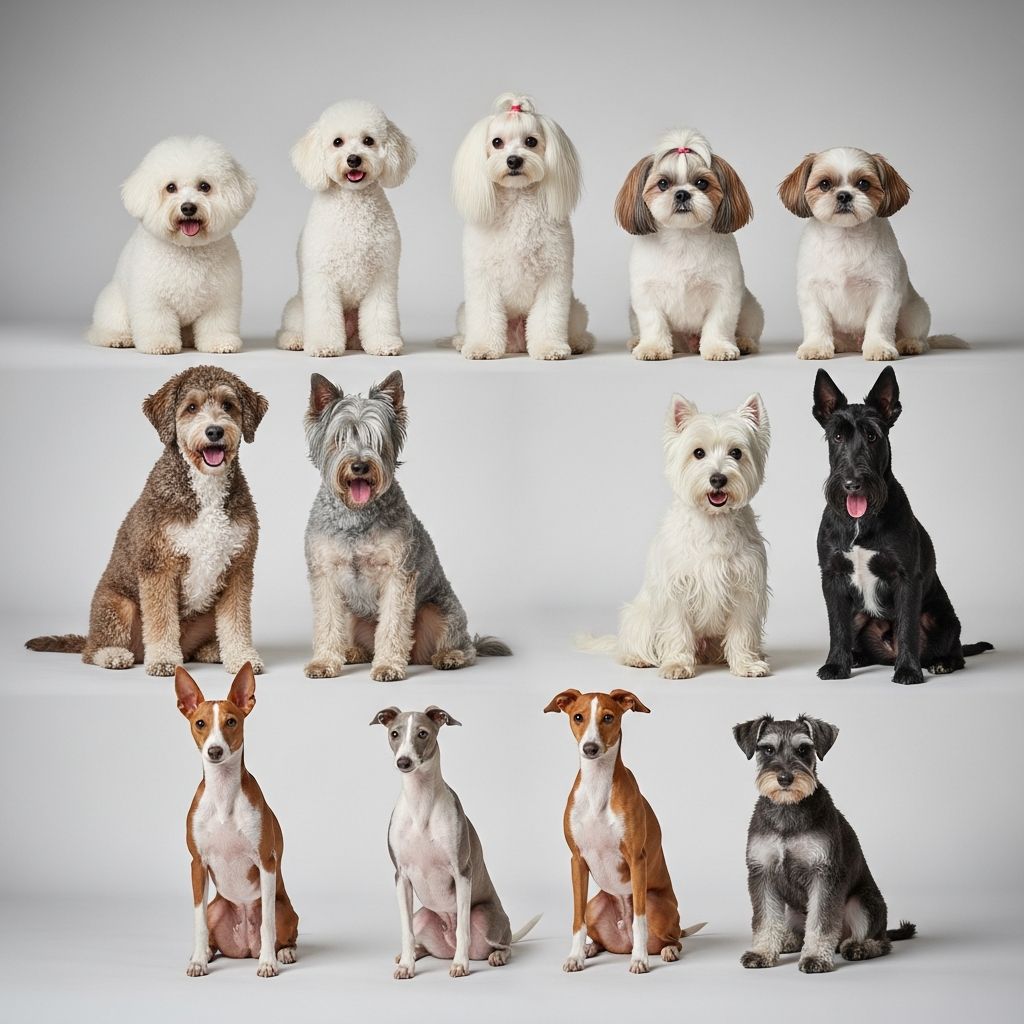
11 Dog Breeds That Don’t Shed
For pet lovers who suffer from allergies or simply prefer a cleaner home with less dog hair, finding a dog breed that doesn’t shed is essential. While no dog is completely hypoallergenic, many breeds shed significantly less than others, making them ideal companions for those seeking low-maintenance grooming routines. Whether you’re looking for a small lap dog or a larger family companion, there are numerous breeds that produce minimal shedding while still offering wonderful personalities and loyal companionship. This comprehensive guide explores 11 dog breeds that don’t shed or shed very little, helping you find the perfect furry friend for your lifestyle.
Understanding Non-Shedding Dog Breeds
Before diving into specific breeds, it’s important to understand what makes a dog a non-shedding or low-shedding breed. Dogs with curly, wiry, or continuously growing coats tend to trap loose hair within their fur rather than letting it fall around your home. These coat types are often found in breeds with Poodle heritage or those with naturally textured fur. The key characteristic of non-shedding dogs is that their hair doesn’t have a typical shedding cycle like many other dog breeds. Instead, their hair grows continuously and requires regular grooming to maintain and remove loose strands. Understanding this difference can help you make an informed decision about which breed might be best suited to your home and lifestyle.
The Top 11 Non-Shedding Dog Breeds
1. Bichon Frise
The Bichon Frise stands as one of the most popular non-shedding dog breeds available today. These small, cheerful dogs typically weigh between 12 to 18 pounds and have a distinctive fluffy, curled double coat that traps loose hair effectively. Known for their playful temperament and affectionate nature, Bichons are excellent family pets and particularly suitable for individuals with allergies. Their life expectancy ranges from 14 to 15 years, providing many years of companionship. However, potential owners should be aware that despite minimal shedding, this breed requires significant grooming maintenance. Bichons need daily brushing and combing to prevent matting and maintain their powder-puff appearance. Regular professional grooming every 4 to 6 weeks is also recommended to keep their coat in optimal condition.
2. Poodle
Poodles, available in Standard, Miniature, and Toy varieties, are renowned for their intelligence and minimal shedding coats. These dogs feature a single, curly coat that continuously grows rather than shedding seasonally. Poodles are highly trainable and excel in various dog sports and activities, making them suitable for active families. Their coats come in various solid colors, and they require regular professional grooming every 4 to 6 weeks to maintain their distinctive appearance. Poodles are energetic dogs that need substantial daily exercise and mental stimulation. They form strong bonds with their families and are known for their friendly, outgoing personalities. The breed’s intelligence and trainability make them excellent choices for first-time dog owners seeking a non-shedding companion.
3. Portuguese Water Dog
Originally bred to work alongside fishermen, the Portuguese Water Dog is a medium-sized breed known for its athletic build, intelligence, and low-shedding coat. These dogs feature a waterproof, curly or wavy coat that sheds minimally, making them ideal for those concerned about hair around the house. Portuguese Water Dogs have a life expectancy of 11 to 13 years and possess energetic, loyal temperaments. They require substantial daily exercise, including swimming when possible, as they have a natural affinity for water. Their intelligent nature means they respond well to training and enjoy mental stimulation activities. These dogs thrive in active households where they can participate in various outdoor activities and family adventures. Their combination of athleticism, intelligence, and low-shedding coat makes them increasingly popular family pets.
4. Maltese
The Maltese is a tiny, elegant dog breed known for its long, silky white coat and minimal shedding properties. These small dogs typically weigh less than 7 pounds, making them perfect lap dogs for apartment dwellers and those with limited space. Despite their delicate appearance, Maltese dogs have sturdy constitutions and can live 12 to 15 years. Their coat requires regular grooming, with daily brushing recommended to prevent matting and maintain their pristine appearance. Maltese dogs are affectionate, playful, and enjoy being close to their owners, earning them the nickname “velcro dogs.” They adapt well to various living situations and are particularly suitable for seniors or individuals seeking a devoted, low-shedding companion. Regular professional grooming every 6 to 8 weeks helps maintain their luxurious coat.
5. Yorkshire Terrier
Yorkshire Terriers, affectionately known as Yorkies, are tiny dogs with big personalities and surprisingly minimal shedding coats. These pint-sized companions typically weigh between 4 to 7 pounds and feature long, silky coats that continuously grow without shedding. Yorkies have life expectancies of 11 to 15 years and display confident, spirited temperaments despite their small size. Their coat requires daily brushing and regular professional grooming to maintain its beauty and prevent tangles. Yorkies are intelligent dogs that respond well to training and enjoy participating in various activities alongside their owners. Their portability and minimal shedding make them excellent choices for urban dwellers and travelers. These dogs form strong bonds with their families and do best in homes where they receive regular attention and interaction.
6. Shih Tzu
The Shih Tzu is a small dog breed known for its luxurious, long double coat and minimal shedding characteristics. These compact dogs typically weigh between 9 to 16 pounds and feature continuously growing hair that requires significant grooming attention. Shih Tzus have a life expectancy of 10 to 18 years, making them long-term companions. Their temperament is notably affectionate, friendly, and outgoing, though they can display some independence. Despite their glamorous appearance, Shih Tzus are relatively hardy dogs that enjoy moderate exercise and are well-suited to apartment living. Daily brushing is essential to prevent matting, and many owners opt for professional grooming every 4 to 6 weeks. Shih Tzus make excellent family pets and are particularly good with children when properly socialized. Their non-shedding coat makes them suitable for allergy sufferers seeking a devoted, elegant companion.
7. Cairn Terrier
The Cairn Terrier is a small, sturdy dog breed with a tough, weather-resistant coat that sheds minimally. These hardy little dogs typically weigh between 13 to 14 pounds and display independent, alert temperaments characteristic of the terrier group. Originally bred for hunting, Cairn Terriers possess natural hunting instincts and enjoy digging and exploring. Their wiry coat comes in various colors except white and requires regular brushing to maintain health and minimize shedding. Cairn Terriers have a life expectancy of 13 to 15 years and make excellent watchdogs despite their small size. They are intelligent, trainable, and enjoy various activities including agility competitions. These dogs thrive with owners who appreciate their spirited nature and provide appropriate outlets for their natural instincts. Their minimal shedding combined with their charming personalities make them popular choices for allergy-prone households.
8. Havanese
The Havanese is the national dog of Cuba and represents an excellent choice for those seeking a small, non-shedding companion. These tiny dogs typically weigh between 7 to 13 pounds and feature a long, silky double coat that sheds very little. Havanese have earned the nickname “velcro dog” due to their strong attachment to their owners and desire for constant companionship. These affectionate, cheerful dogs live 14 to 16 years and thrive in close family environments. Their coats, while beautiful, require daily brushing and regular professional grooming to prevent matting and maintain health. Havanese are adaptable dogs that do well in various living situations, from apartments to houses with yards. They are intelligent and trainable, though they can be somewhat stubborn. Their minimal shedding, combined with their loving nature and adaptability, makes them suitable for first-time dog owners and families seeking devoted companions.
9. Brussels Griffon
The Brussels Griffon is a small dog breed available in both smooth-coated and rough-coated varieties, both featuring minimal shedding characteristics. These compact dogs typically weigh between 8 to 10 pounds and display alert, intelligent temperaments. Brussels Griffons live 12 to 15 years and make excellent apartment companions. The breed’s name comes from Brussels, Belgium, where they were originally developed. Despite their small size, they are not delicate dogs and can be quite hardy. Both coat varieties require regular grooming, with rough-coated varieties needing more frequent attention. Brussels Griffons are loyal, affectionate dogs that bond closely with their families. They have moderate exercise requirements and enjoy daily walks and indoor play. Their minimal shedding, combined with their compact size and charming personalities, makes them suitable for various living situations and owners seeking low-maintenance grooming requirements.
10. Airedale Terrier
The Airedale Terrier, often called “the King of Terriers,” is a medium to large dog breed known for its intelligence and minimal shedding coat. These dogs typically weigh between 40 to 65 pounds and feature a hard, dense, wiry coat with a softer undercoat. Airedales have a life expectancy of 11 to 14 years and display confident, friendly temperaments. Their coat sheds very little and requires regular brushing and professional grooming to maintain health. Airedales are highly intelligent dogs that rank among the smartest terrier breeds and excel in various training activities. They possess strong prey drives and require adequate exercise and mental stimulation. These versatile dogs have historically served as military and police dogs, testament to their intelligence and trainability. Airedales make excellent family pets for active households seeking a larger, non-shedding companion with a strong work ethic and loyal nature.
11. Chinese Crested
The Chinese Crested is a unique dog breed available in two distinct varieties: Hairless and Powderpuff, both featuring minimal to no shedding. The Hairless variety features soft, silky tufts on its head, tail, and feet, while the body remains largely hairless. The Powderpuff variety is entirely covered with a fine, silky double coat. These tiny dogs typically weigh between 5 to 12 pounds and live 13 to 18 years, making them long-term companions. Chinese Crested dogs are affectionate, playful, and sensitive, forming strong bonds with their families. The Hairless variety requires minimal grooming aside from occasional bathing and skin care, while the Powderpuff needs regular brushing to prevent matting. Both varieties are suitable for allergy sufferers due to their minimal shedding. Chinese Crested dogs make excellent choices for those seeking unique, devoted companions with distinctive appearances and minimal grooming requirements.
Grooming Considerations for Non-Shedding Breeds
While non-shedding and low-shedding dog breeds offer significant advantages for allergy sufferers and those preferring cleaner homes, it’s important to understand that they often require more intensive grooming than shedding breeds. Breeds with continuously growing hair, curly coats, or wiry hair need regular brushing to prevent matting, tangling, and skin issues. Most non-shedding breeds benefit from daily or several-times-weekly brushing at minimum. Professional grooming every 4 to 12 weeks, depending on the breed, helps maintain coat health and manage hair growth. Investing in quality grooming tools and learning proper brushing techniques is essential for non-shedding dog owners. While the trade-off between shedding and grooming requirements exists, many owners find that the minimal shedding compensates for the additional grooming time and expense. Regular grooming not only maintains coat quality but also provides opportunities to check for skin issues, parasites, and other health concerns.
Benefits of Non-Shedding Dog Breeds
Choosing a non-shedding dog breed offers numerous advantages beyond simply reducing loose hair around the home. For individuals suffering from allergies, non-shedding breeds produce less dander and trap loose hair within their coats, significantly reducing allergic reactions. These breeds allow allergy sufferers to experience dog ownership without constant sneezing, itching, or respiratory issues. Additionally, non-shedding breeds result in cleaner homes with less hair on furniture, clothing, and floors, reducing the need for frequent vacuuming and furniture cleaning. For those with asthma or severe allergies, non-shedding breeds can be genuinely life-changing. Beyond health considerations, many people simply prefer the reduced mess and maintenance associated with non-shedding breeds. These dogs often make excellent choices for individuals with fastidious preferences or those living in rental properties where excessive shedding might cause issues with landlords. The combination of health benefits and practical advantages makes non-shedding breeds increasingly popular among diverse groups of dog owners.
Choosing the Right Non-Shedding Breed for Your Home
Selecting the appropriate non-shedding breed requires careful consideration of multiple factors beyond coat characteristics. Consider your living situation—small breeds like Maltese, Yorkies, and Havanese adapt well to apartments, while larger breeds like Airedales require more space. Evaluate your activity level and match it with breed energy requirements. Highly active individuals might prefer Portuguese Water Dogs or Airedales, while those seeking lower-energy companions might choose Shih Tzus or Maltese. Assess your grooming commitment and choose accordingly. Some breeds like Cairn Terriers have lower grooming requirements, while others like Bichons and Poodles demand significant daily attention. Consider your family composition—families with young children might prefer more robust breeds, while seniors might appreciate smaller, more manageable dogs. Evaluate the breed’s temperament and social needs to ensure compatibility with your lifestyle. Finally, consider the breed’s health predispositions and lifespan expectations. Taking time to research and honestly assess your capabilities helps ensure a successful, long-term match between you and your canine companion.
Frequently Asked Questions
Q: Are there truly non-shedding dog breeds?
A: No dog breed is completely hypoallergenic or non-shedding. However, many breeds shed minimally due to continuously growing hair or curly coats that trap loose hair. These breeds produce less visible shedding and reduced dander, making them suitable for allergy sufferers.
Q: How often should non-shedding dogs be groomed?
A: Most non-shedding breeds require professional grooming every 4 to 12 weeks, depending on the specific breed and coat type. Daily or several-times-weekly brushing at home is typically necessary to prevent matting and maintain coat health.
Q: Are non-shedding dogs more expensive?
A: Non-shedding breeds often have higher grooming costs due to frequent professional grooming requirements. However, initial purchase prices vary widely depending on the breed, breeder, and location. Over their lifetime, grooming expenses may exceed those of shedding breeds.
Q: Which non-shedding breed is best for first-time dog owners?
A: Bichon Frises, Havanese, and Poodles are excellent choices for first-time owners due to their intelligence, trainability, and affectionate nature. However, be prepared for significant grooming requirements with these breeds.
Q: Can non-shedding dogs trigger allergies?
A: While non-shedding breeds produce less dander and shed minimally, they are not completely hypoallergenic. Some individuals with severe allergies may still experience reactions. Spending time with the breed before adoption is recommended.
Q: What is the best non-shedding breed for apartment living?
A: Small non-shedding breeds like Maltese, Yorkies, Havanese, and Brussels Griffons are well-suited to apartment living due to their size and lower exercise requirements compared to larger breeds.
References
- 10 Dog Breeds That Shed the Least — Vetstreet. 2024. https://www.vetstreet.com/our-pet-experts/vets-name-10-dog-breeds-that-shed-the-least
- Small Dogs That Don’t Shed — American Kennel Club. 2024. https://www.akc.org/expert-advice/lifestyle/small-dogs-that-dont-shed/
- 25 Dog Breeds That Don’t Shed (Much) — Telluride Veterinary Service. 2024. https://www.telavets.com/blog/hypoallergenic-non-shedding-dogs
- 25 Dog Breeds That Don’t Shed a Lot — Chewy. 2024. https://www.chewy.com/education/dog/general/dog-breeds-that-dont-shed
- Dogs and Cats That Don’t Shed: Ten Breeds to Know About — Your Pet and You by Elanco. 2024. https://yourpetandyou.elanco.com/us/new-pets/ten-dog-and-cat-breeds-that-dont-shed
- 30 ‘Hypoallergenic’ Dogs That Don’t Shed a Lot — PetMD. 2024. https://www.petmd.com/dog/general-health/hypoallergenic-dogs
Similar Articles








Read full bio of Sneha Tete