

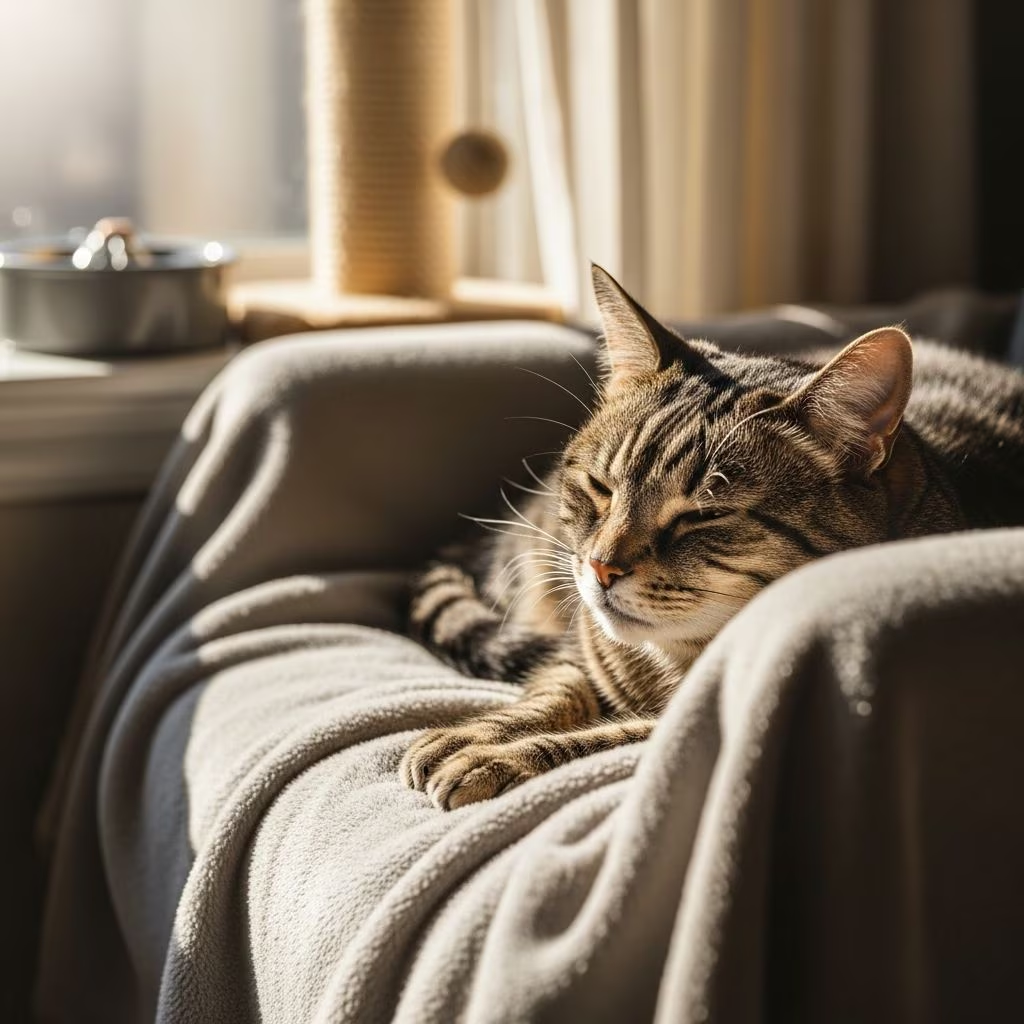
As your beloved feline companion enters their senior years, their care requirements shift significantly. Cats are generally considered seniors around the age of 10, though many veterinarians begin treating cats as seniors once they reach 7 years old. During this phase of life, senior cats experience changes in their metabolism, mobility, and nutritional needs. However, with proper attention and care, your senior cat can continue to enjoy a comfortable and fulfilling life. Understanding the specific needs of aging cats is crucial for maintaining their health, preventing chronic conditions, and ensuring they thrive during their golden years.
1. Make Vet Visits a Priority
Regular veterinary checkups become increasingly important as your cat ages. Senior cats should visit their veterinarian at least twice annually, rather than the typical once-a-year schedule recommended for younger cats. These frequent visits allow your vet to monitor for age-related conditions such as kidney disease, hyperthyroidism, arthritis, and dental problems before they become serious.
During these appointments, your veterinarian can perform comprehensive physical examinations, blood work, and other diagnostic tests to catch health issues early. Early intervention is key to managing chronic conditions and maintaining your senior cat’s quality of life. Additionally, discuss any behavioral changes or health concerns you’ve noticed at home, as these can provide valuable insights into your cat’s overall wellness.
2. Watch Their Weight
Maintaining a healthy weight is one of the most important factors in senior cat care. As cats age, their activity levels naturally decrease, but their caloric intake often remains the same, leading to weight gain. Obesity in senior cats can exacerbate joint problems, increase the risk of diabetes, and contribute to other serious health conditions.
Work with your veterinarian to determine the ideal weight for your senior cat and monitor their body condition regularly. Avoid overfeeding and be mindful of treats, which can quickly add unnecessary calories. A balanced diet combined with appropriate exercise can help maintain a healthy weight and reduce stress on aging joints. If your cat is already overweight, your vet may recommend a specialized diet plan to help them achieve a healthier weight gradually.
3. Understand Nutritional Requirements
Senior cats have different nutritional needs compared to younger felines. As their metabolism slows with age, they require fewer calories, but their protein requirements remain important for maintaining muscle mass. A diet lower in calories but rich in easily digestible proteins can help manage weight while preserving muscle tone.
Choose high-quality cat food specifically formulated for senior cats. These foods typically contain fewer calories and less fat to help prevent obesity. If your cat has underlying health conditions such as kidney disease or joint problems, select food specifically formulated to address those concerns. Senior cat foods often contain extra antioxidants, vitamins, and minerals to support immune function and overall health.
High-protein diets are particularly beneficial for preventing muscle wasting, a common issue in aging cats. Additionally, easily digestible proteins help senior cats absorb nutrients more effectively. Always consult with your veterinarian to determine the best diet for your cat’s specific needs and health status.
4. Prioritize Hydration
Proper hydration becomes increasingly important for senior cats, as their natural thirst drive tends to decrease with age. Dehydration in elderly cats can lead to kidney problems and other serious health complications. Ensure your senior cat has access to fresh, clean water at all times and monitor their water intake regularly.
Consider placing multiple water sources throughout your home, as some cats prefer water away from their food bowls. A cat water fountain can encourage drinking by providing running water, which many cats find more appealing than still water. Some seniors may also benefit from increased moisture in their diet through wet food. If your cat shows signs of dehydration or has kidney concerns, discuss hydration strategies with your veterinarian.
5. Maintain a Regular Exercise Routine
Exercise is essential for senior cats, regardless of their age or activity level. Regular physical activity helps preserve muscle tone, keeps bones and joints strong, and maintains a healthy weight. Even as cats slow down with age, they still need daily movement to support their overall health and prevent obesity-related complications.
Senior cats typically need 10–15 minutes of gentle play daily, broken into shorter sessions to prevent fatigue. Interactive play not only provides physical exercise but also offers mental stimulation, which helps prevent depression and cognitive decline. Gentle, low-impact activities are ideal for aging cats who may have joint issues or reduced mobility.
Use feather wands, laser pointers, or small rolling balls to encourage light movement and keep your senior cat engaged. Move more slowly with wand and string toys, and play at ground level with only occasional small jumps or climbs to higher spots as your cat’s mobility allows. Always observe your cat’s behavior to determine their activity tolerance and adjust playtime accordingly to avoid overstimulation or exhaustion.
6. Provide Enrichment and Mental Stimulation
Keeping your senior cat’s mind active is just as important as physical exercise. Mental stimulation helps maintain cognitive function and prevents behavioral problems associated with boredom and depression. Engage your senior cat in gentle play sessions, puzzle feeders, and interactive toys that encourage problem-solving without requiring intense physical exertion.
Puzzle feeders serve a dual purpose: they provide mental engagement while slowing down eating, which can aid digestion and weight management. Consider rotating toys regularly to maintain your cat’s interest. Provide climbing furniture or scratching posts to encourage natural behaviors and allow your senior cat to exercise in ways that feel comfortable to them.
Create a stimulating environment that allows your cat to engage in normal feline behaviors at their own pace. This might include window perches for bird watching, hiding spots for security, or different textures and surfaces to explore.
7. Don’t Overlook Dental Health
Dental health is often overlooked in senior cat care, yet it significantly impacts overall health and quality of life. Have your cat’s teeth cleaned by your veterinarian when advised, and establish a regular home dental care routine by brushing your cat’s teeth when possible. Dental disease in senior cats can lead to pain, infection, and difficulty eating, affecting their nutrition and well-being.
Poor dental health can also contribute to other systemic health issues, including kidney and heart disease. Regular dental checkups help identify problems early before they become serious. If your senior cat is resistant to tooth brushing, discuss alternative dental care options with your veterinarian, such as special dental treats or water additives designed to support oral health.
8. Support Joint Health and Mobility
Osteoarthritis is quite common in senior cats, affecting nearly 40% of all cats, and becomes increasingly prevalent with age. As joints become less flexible and muscles weaken, your senior cat’s mobility may be limited. To support joint health and reduce discomfort, focus on preserving muscle tone through high-protein diets and regular gentle exercise.
Supplements can significantly help your senior cat’s overall joint health. Joint supplements containing glucosamine, chondroitin, or omega-3 fatty acids may reduce inflammation and improve mobility. Many pet owners are surprised at how much more limber their senior cat becomes after regular joint supplementation.
Provide a heated bed to help reduce joint pain and muscle stiffness, which is especially appreciated by aging cats. Your veterinarian may recommend warming your cat’s muscles before activity or icing them after activity. Ensure your home environment minimizes stress on joints by providing easy access to litter boxes, food, and resting areas without requiring excessive climbing or jumping.
9. Manage Chronic Health Conditions
Many senior cats develop chronic health conditions such as kidney disease, hyperthyroidism, arthritis, or diabetes. Early intervention is key to effectively managing these conditions and maintaining your cat’s quality of life. Work closely with your veterinarian to develop a management plan tailored to your cat’s specific needs.
Keep your cat up to date with appropriate vaccinations and regular parasite prevention, as their immune systems are not as robust as younger cats. Discuss with your vet the appropriate vaccination schedule for your senior cat’s lifestyle and health status. Regular blood work and monitoring can help track the progression of chronic conditions and allow for timely adjustments to treatment plans.
Follow your veterinarian’s recommendations regarding medication, dietary modifications, and lifestyle changes to help manage your senior cat’s health conditions effectively.
10. Create a Comfortable Living Environment
Your home environment plays a crucial role in your senior cat’s comfort and well-being. Make sure your cat has easy access to essential areas including litter boxes, food and water bowls, and resting spots without requiring excessive climbing or jumping. Place litter boxes on each level of your home if possible, and consider using boxes with lower sides for easier entry and exit.
Maintain a consistent temperature, as senior cats are often more sensitive to cold. Provide soft, comfortable bedding in quiet areas where your cat can rest without disturbance. Minimize stressful changes to your home environment, as stress can negatively impact your senior cat’s health.
Ensure your home is safe and secure to prevent accidental injuries. Remove any hazards that could cause falls or injuries, and provide secure footing on slippery surfaces. Create hiding spots and elevated perches that allow your senior cat to feel secure while still being able to observe their surroundings.
Understanding Age-Related Changes
It’s important to recognize that even the most energetic and athletic cats will slow down as they get older. Joints may become less flexible, muscles may weaken, limiting mobility, appetite may decrease, and energy levels will naturally decline. However, this doesn’t mean it’s time to reduce activity significantly. The key is paying close attention to how your cat’s body is changing and providing enrichment and movement that supports their health without pushing too hard or causing discomfort.
Watch for behavioral changes that might indicate health issues or pain. Changes in litter box habits, eating patterns, activity levels, or social behavior can all be signs that something requires veterinary attention. Early detection of problems allows for more effective treatment and better outcomes.
Frequently Asked Questions About Senior Cat Care
Q: At what age is a cat considered senior?
A: According to the American Association of Feline Practitioners, cats become seniors at age 10, though many veterinarians treat cats as seniors starting at age 7. Your vet can help determine the best care approach for your individual cat.
Q: How often should senior cats visit the veterinarian?
A: Senior cats should have veterinary checkups at least twice per year, compared to the annual visits recommended for younger cats. More frequent visits allow early detection of age-related health issues.
Q: How much exercise does a senior cat need daily?
A: Senior cats typically need 10–15 minutes of gentle play daily, broken into shorter sessions to prevent fatigue. The exact amount depends on your cat’s age, health status, and individual capabilities.
Q: What should I feed my senior cat?
A: Senior cats benefit from high-quality food specifically formulated for their age, lower in calories but rich in easily digestible proteins to maintain muscle mass. Consult your veterinarian about the best diet for your cat’s specific health needs.
Q: Are joint supplements beneficial for senior cats?
A: Yes, joint supplements containing omega-3 fatty acids, glucosamine, or chondroitin can significantly improve joint health and mobility in senior cats. Always discuss supplements with your veterinarian before starting them.
Q: How can I help my senior cat stay hydrated?
A: Provide fresh water in multiple locations, consider using a cat water fountain to encourage drinking, and monitor water intake regularly. Wet food can also contribute to overall hydration.
Conclusion
Caring for a senior cat requires attention, compassion, and proactive health management. By implementing these 10 tips—prioritizing veterinary care, maintaining healthy weight, providing proper nutrition, ensuring hydration, supporting exercise and enrichment, attending to dental health, managing joint health, addressing chronic conditions, and creating a comfortable environment—you can significantly enhance your senior cat’s quality of life during their golden years.
Remember that each senior cat is unique, with individual needs based on their health status, personality, and preferences. Work closely with your veterinarian to develop a care plan tailored to your specific cat’s requirements. With proper attention and love, your senior cat can continue to thrive and bring joy to your life for years to come.
References
- How to Care for a Senior Cat: Exercise, Diet, and More — Aztec Pet Hospital. 2024. https://aztecpethospital.com/how-to-care-for-a-senior-cat-exercise-diet-and-more/
- Caring for Your Senior or Geriatric Cat — Mud Bay. 2024. https://blog.mudbay.com/senior-cat/caring-for-your-senior-cat/
- Senior Pet Wellness: Exercise Tips for Aging Pets — Harbourside Animal Clinic. 2024. https://harboursidevet.com/senior-pet-wellness-exercise-activities/
- Senior Cat Care: Promoting Wellness at Every Age — Haywood Road Veterinary Hospital. 2024. https://www.haywoodroadvet.com/services/cats/blog/senior-cat-care-promoting-wellness-every-age
- Top 10 Senior Cat Health Tips for Your Aging Feline — Hill’s Pet Nutrition. 2024. https://www.hillspet.com/cat-care/routine-care/senior-cat-healthcare-tips
- Keeping Your Senior Cat Active — Zoetis Petcare. 2024. https://www.zoetispetcare.com/blog/article/keeping-senior-cat-active
- Easy Home Exercises to Keep Senior Cats Active and Pain-Free — Aspen Animal Wellness. 2024. https://aspenanimalspa.com/home-exercises-senior-cats/



