

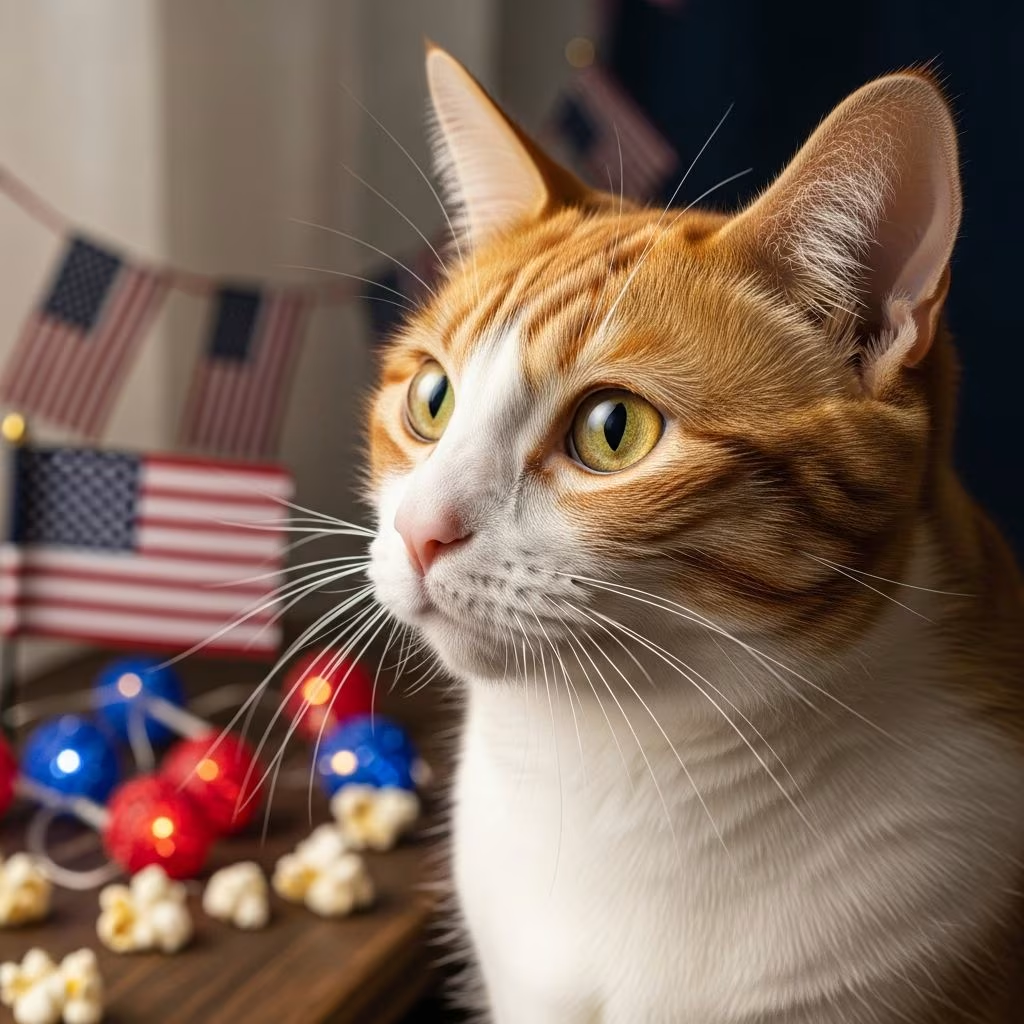
10 Tips to Happy Cats This Fourth of July
The Fourth of July is a time for celebration, barbecues, fireworks, and outdoor festivities. However, for many cat owners, this holiday can be stressful and potentially dangerous for their feline companions. While humans may enjoy the loud explosions and colorful displays, cats experience fireworks as frightening, disorienting events that can trigger anxiety and fear. Understanding your cat’s needs during this holiday and taking proactive steps to ensure their safety and comfort is essential for a happy Fourth of July for both you and your furry friend.
Cats have sensitive hearing that is far more acute than humans, making fireworks particularly distressing for them. The sudden loud noises can cause panic, leading cats to hide for extended periods or attempt to escape the home. Additionally, the chaos of holiday gatherings, unfamiliar guests, and unusual foods and decorations can compound their stress. By following these ten tips, you can create a safe, calm environment for your cat while you enjoy the holiday celebrations.
1. Create a Safe, Quiet Retreat Space
The foundation of keeping your cat safe on the Fourth of July is establishing a dedicated safe space where they can retreat during the festivities. This room should be a place your cat already enjoys spending time in, such as a bedroom, bathroom, or home office. The ideal safe space is relatively soundproof or at least removed from the main areas where noise and activity will be concentrated.
Make sure this retreat room contains all the essentials your cat needs: a clean litter box, fresh water, and food bowls. Include their favorite toys and blankets to create a comfortable, familiar environment. If your cat has a favorite covered bed or hiding spot, bring it into the safe room. Covered beds provide an additional sense of security, as many cats feel more confident when they have a cozy den-like space to curl up in. You can also create a makeshift hideaway using a blanket draped over a cardboard box if your cat doesn’t have a covered bed.
Consider the room’s temperature as well. Stressed cats often overheat, so ensure the space is cool and well-ventilated. If you have air conditioning, keep it running in this room. A ceiling fan can also help circulate air and provide additional white noise to mask the sound of fireworks.
2. Keep Your Cat Indoors
Regardless of whether your cat typically has outdoor access, keeping them inside on the Fourth of July is absolutely crucial. Even the most street-smart outdoor cat can become disoriented and panicked by fireworks, making them prone to escape attempts and getting lost. Indoor cats should obviously remain inside, but outdoor and indoor-outdoor cats present a special challenge during the holiday.
Make sure all doors and windows are securely closed well before evening festivities begin. Inform guests to be careful when entering or exiting the home, as a frightened cat may bolt through an open door in a moment of panic. Keep your cat indoors several hours before fireworks begin so they have time to settle into their safe space and acclimate to the modified routine.
If your cat is not accustomed to spending extended periods indoors, start introducing them to indoor-only time a few days before the holiday. This gradual transition can help reduce additional stress on top of the fireworks anxiety. Provide extra enrichment, such as interactive toys and window perches for bird watching, to keep them mentally stimulated while confined inside.
3. Close Windows and Secure Screens
Hot summer weather often tempts us to open windows for fresh air and natural cooling. However, on the Fourth of July, it’s essential to keep all windows closed and securely locked. Even small window openings can serve as escape routes for a panicked or determined cat. Additionally, screens are not always reliable enough to contain a frightened feline, so relying on screens alone is not a safe strategy.
Make sure all window locks are functioning properly and that windows are closed completely. If you have sliding glass doors or patio doors, ensure they are also fully closed and locked. Consider drawing blinds or curtains to block out visual stimuli from fireworks, which can be startling to cats and may intensify their anxiety.
This precaution is particularly important for cats who are not accustomed to being indoors, as they may be more desperate to escape the frightening environment and seek the relative safety of the outdoors they know.
4. Use White Noise to Drown Out Fireworks
One of the most effective ways to help your cat cope with fireworks is to mask the loud sounds with white noise or calming audio. In the safe retreat room you’ve prepared, turn on the television, radio, or white noise machine to a volume that is loud enough to distract from fireworks sounds but not so loud that it startles your cat further.
Consider playing calming content specifically designed for pets, such as music composed for anxiety relief or videos featuring bird sounds, water features, or other natural calming sounds. Many cats find videos of birds or fish particularly engaging and soothing. Alternatively, soft classical music or gentle ambient music can help create a peaceful atmosphere.
A fan, air conditioner, or humidifier can also serve double duty by providing both white noise and temperature regulation. The consistent, predictable sound of these devices can be very comforting to anxious cats. The key is to start the white noise before fireworks begin, so your cat becomes accustomed to the sound and associates it with a safe, calm environment.
5. Try Calming Supplements and Pheromone Products
For cats with significant anxiety, calming supplements and pheromone products can provide additional support during the stressful holiday. Feliway is a popular synthetic feline pheromone diffuser or spray that mimics the natural calming pheromones cats produce when they rub their faces on objects. Feliway can help reduce stress and create a sense of familiarity and security in your cat’s environment.
Other calming options include supplements containing L-theanine, magnesium, or other natural ingredients designed to promote relaxation in cats. Talk to your veterinarian about options that might work well for your individual cat. Some cats respond well to calming treats or chews, while others may benefit from anxiety wraps or vests designed to provide gentle, consistent pressure that has a soothing effect.
If your cat has a history of severe anxiety or panic during stressful events, consult with your veterinarian about prescription anxiety medications such as trazodone or gabapentin that can be administered before the holiday to help your cat remain calm and comfortable.
6. Provide Distraction and Engagement
Keeping your cat mentally engaged and distracted during fireworks can help redirect their focus away from the frightening sounds and keep their mind occupied with positive activities. Provide your cat’s favorite treats in the safe retreat room, or offer new, engaging toys they haven’t encountered before.
Interactive puzzle toys that dispense treats can be particularly effective for maintaining focus and providing mental stimulation. Wand toys and other interactive play options can also help burn off nervous energy and anxiety. However, be mindful of your cat’s anxiety level; if they are too stressed to engage with toys or treats, don’t force interaction.
Your calm presence can also serve as a distraction and source of comfort. Spend time in the safe room with your cat if possible, speaking in soothing tones and offering gentle petting if your cat is receptive. Some cats find human companionship reassuring during stressful situations, while others prefer to be left alone to process their anxiety at their own pace. Follow your individual cat’s preferences and body language.
7. Keep Dangerous Items and Foods Out of Reach
Fourth of July celebrations often involve items and foods that can be dangerous or toxic for cats. Keep all fireworks, matches, and lighter fluid completely out of your cat’s reach, as these items can cause serious burns or internal damage if ingested or contacted. Glow sticks and glow jewelry should also be kept away from cats, as ingesting them can cause excessive drooling and gastrointestinal irritation.
Party food poses significant risks as well. Many common Fourth of July foods contain ingredients that are toxic to cats, including onions, garlic, grapes, avocados, and alcohol. Cooked bones from barbecued meats can splinter and cause intestinal blockages. Keep all human food away from your cat, and ask guests not to feed your feline friend, no matter how much they may beg.
Additionally, citronella candles and insect repellents should be kept away from cats. Some insect repellents can cause respiratory problems or other health issues if ingested or absorbed through the skin. Use only pet-friendly insect repellent products if necessary, and keep cats away from any chemical treatments or products being used for the party.
8. Maintain Your Cat’s Normal Routine
During times of stress and uncertainty, maintaining your cat’s normal daily routine provides comfort and a sense of normalcy. Feed your cat at their regular times, maintain consistent play schedules, and keep bedtime routines as normal as possible. This consistency helps your cat feel more secure and in control of their environment, even when external chaos is occurring.
Make sure your cat has access to their litter box at all times. Stress and anxiety can affect bathroom habits, so a clean litter box in an accessible location is important. Some stressed cats may develop inappropriate elimination behaviors, so monitoring litter box usage can help you identify if your cat is experiencing significant distress that requires veterinary attention.
9. Update Identification and Microchip Information
Despite your best efforts to keep your cat safe, accidents can happen. Ensure your cat is properly identified in case they manage to escape during the holiday chaos. Make sure your cat is wearing a collar with current ID tags containing your phone number and name. However, collars can slip off, so microchipping provides a more permanent form of identification.
If your cat is microchipped, verify that all registration information is up to date with your current contact details. Many lost pets are reunited with their families through microchips, so maintaining accurate information is essential. If your cat is not yet microchipped, consider having this procedure done before the holiday for added peace of mind.
10. Monitor for Signs of Extreme Stress
After the fireworks have ended, monitor your cat for any signs of prolonged stress or anxiety. If your cat is exhibiting intense signs such as shaking, drooling, increased heart rate, inappropriate bathroom habits, suppressed appetite, or excessive hiding long after the fireworks have concluded, consult your veterinarian immediately. These symptoms could indicate that your cat experienced severe trauma that requires professional attention.
Keep an eye on community cats in your neighborhood as well. After fireworks displays, community cats may hide for extended periods. Check on any neighborhood cats you care for and do a head count the next day to ensure all are safe. Pick up firework debris and trash after festivities end to prevent injuries or poisoning to outdoor cats.
Additional Preparation Tips
Start preparing for the Fourth of July well in advance. Talk to your veterinarian about your cat’s anxiety history and discuss options for managing stress during the holiday. If desensitization to firework sounds may be helpful, you can begin playing recordings of fireworks sounds at gradually increasing volumes several weeks before the holiday, using positive reinforcement and rewards to create a better association with the sounds.
Have your veterinarian’s contact information readily available during the holiday. Know the location of the nearest emergency veterinary clinic in case your cat requires immediate attention. Keep your cat’s medical records accessible and be prepared to describe any unusual symptoms or behaviors if you need to seek emergency care.
Frequently Asked Questions
Q: What should I do if my cat escapes during fireworks?
A: If your cat escapes, immediately search your neighborhood, especially nearby hiding spots like under decks, bushes, or cars. Contact local shelters and veterinary clinics to report your cat as missing. Post on social media and neighborhood apps, and put up flyers with your cat’s photo and contact information. Having a microchip and current ID tags greatly increases the chances of recovery.
Q: Can I give my cat medication to help with anxiety?
A: Yes, if your cat has severe anxiety, your veterinarian can prescribe medications such as trazodone or gabapentin to help keep them calm during stressful events. Discuss this option with your vet well before the holiday so they can assess your cat’s needs and provide appropriate medication.
Q: Is it safe to take my cat to a fireworks display?
A: No, veterinarians strongly recommend against taking cats to fireworks displays. The noise, crowds, and chaos can cause extreme stress and fear in cats. Keep your cat indoors and in a safe, quiet space during all fireworks activities.
Q: How long does it take for a cat to recover from fireworks anxiety?
A: Most cats will return to normal behavior within 24-48 hours after fireworks have ended. However, some cats may take longer to fully relax and return to their normal routine. If your cat is still showing signs of distress after several days, consult your veterinarian.
Q: What should I do if my cat refuses to eat or drink after fireworks?
A: If your cat refuses to eat or drink for more than 24 hours, or shows other concerning symptoms, contact your veterinarian. Stress can affect appetite and bathroom habits, but prolonged refusal to eat or drink may indicate a more serious problem requiring professional attention.
Q: Can I use essential oils to calm my cat?
A: Many essential oils can be toxic to cats. Avoid using essential oils without consulting your veterinarian first. Stick to products specifically designed for cats, such as Feliway pheromone diffusers, which are safe and effective for feline anxiety.
Q: Should I confine my cat to one room for the entire day?
A: You don’t need to confine your cat all day, but you should encourage them to stay in their safe room several hours before fireworks begin and ensure they remain there during peak fireworks times. You can allow them more freedom earlier in the day when it’s quiet, then gently guide them back to their safe space as evening approaches.
References
- Keep Your Cat Safe on July 4th — Seattle Area Feline Rescue. 2024. https://www.seattleareafelinerescue.org/keep-your-cat-safe-on-july-4th/
- 4th of July Safety Tips for Cats — Alley Cat Allies. 2024. https://www.alleycat.org/4th-of-july-safety-tips-for-cats/
- Fourth of July Cat Safety — The Cat Doctor. 2024. https://catdocmaine.com/news/fourth-of-july-cat-safety
- Fourth of July Safety Tips — ASPCA. 2024. https://www.aspca.org/pet-care/general-pet-care/fourth-july-safety-tips
- 10 Pet Safety Tips for the Fourth of July — PetMD. 2024. https://www.petmd.com/general-health/fourth-of-july-pet-safety-tips



