

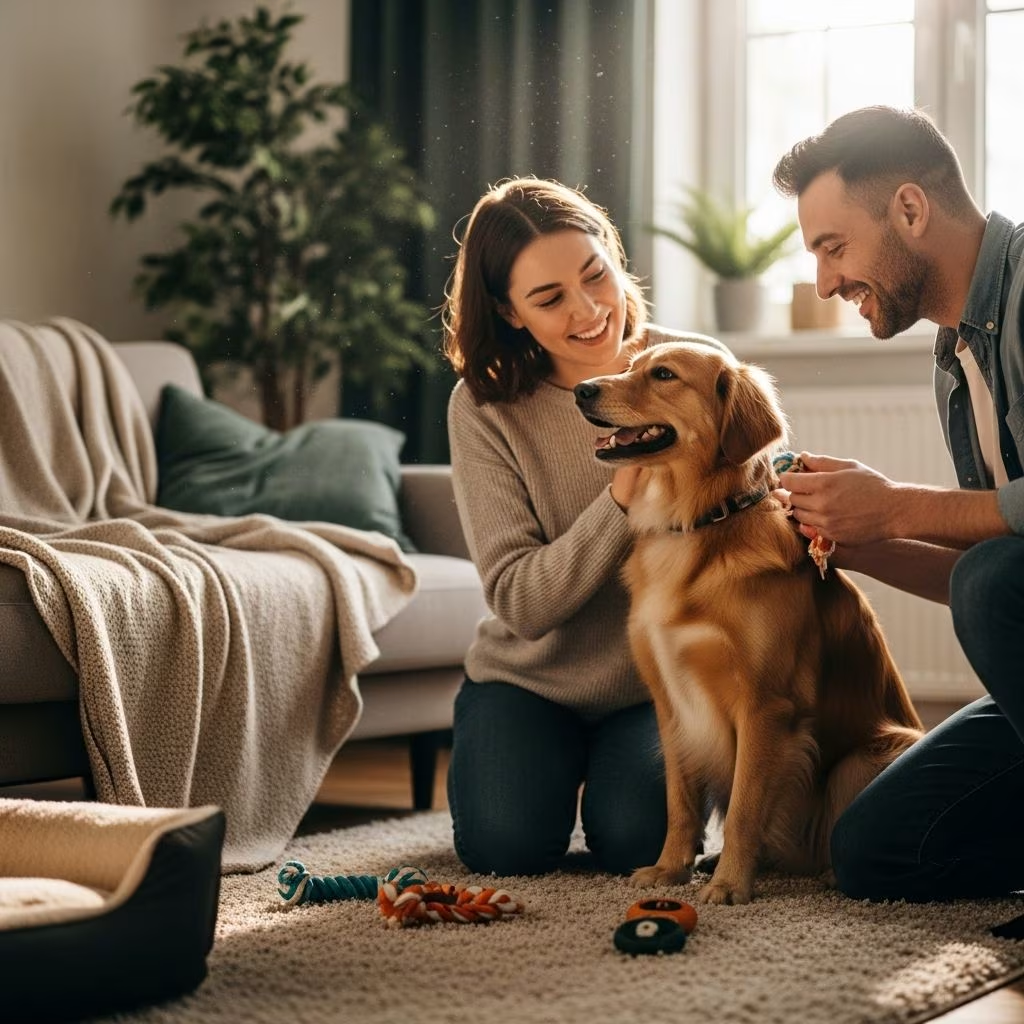
10 Tips for First-Time Dog Owners Bringing a New Dog Home
Bringing a new dog into your home is an exciting milestone, but it can also feel overwhelming for first-time dog owners. Whether you’re adopting a puppy, an adult dog, or a rescue, the transition requires careful planning and preparation. With the right approach, you can help your new companion settle in smoothly while establishing healthy routines and strong bonds. This guide covers 10 essential tips that will set you and your new dog up for success.
1. Stock Up on Essential Supplies Before Bringing Your Dog Home
The most critical step in preparing for your new dog is gathering necessary supplies before they arrive. Having everything in place ensures a smooth transition and prevents stressful last-minute trips to the store.
First 36 hours essentials include:
- Dog Food – Use the same brand your dog ate before coming to your home to prevent digestive upset. You can transition to a different food later once they’ve settled.
- Food and Water Bowls – Essential for meals and keeping your dog hydrated throughout the day.
- Collar and ID Tag – In a new neighborhood, an ID tag significantly improves the chances of recovery if your dog gets lost.
- Leash – Necessary for walks and beginning leash training immediately.
- Dog Crate – Ideal for crate training and providing your dog a safe space of their own.
- Dog Bed – A comfortable bed helps your new dog feel secure and welcome in their new home.
- Poop Bags – Essential for responsible pet ownership during neighborhood walks.
- Dog Treats – Keep plenty on hand for positive reinforcement and bonding.
- Potty Pads – Essential for housetraining, especially for puppies.
Once your dog has settled in, you can gradually add other items like grooming supplies, dental products, and flea and tick control options.
2. Create a Safe, Controlled Space
Your new dog needs a dedicated space where they feel secure and safe. This helps reduce anxiety during the transition and provides a foundation for successful training.
Set up a small room or bathroom as your dog’s primary area. This controlled environment prevents overwhelming situations and allows your dog to adjust at their own pace. Use pet gates or exercise pens to create barriers and manage your dog’s access to the entire house gradually. Some owners creatively use exercise pens to block off furniture or hazardous areas, ensuring your dog only has access to puppy-safe zones.
Keep your dog’s crate in a common room rather than the basement or garage, so they don’t view it as banishment but as a cozy retreat. A nightlight is also helpful, especially for senior dogs, allowing them to navigate safely during nighttime bathroom trips.
3. Establish a Daily Routine and Schedule
Dogs thrive on predictability and routine. Establishing a structured daily schedule helps your new dog understand what to expect and significantly reduces anxiety.
Map out a schedule that includes:
- Regular meal times
- Potty breaks (ideally 4-6 times daily for puppies)
- Play and exercise periods
- Training sessions
- Nap times in the crate
- Evening wind-down routines
Keeping written notes of your schedule helps you track patterns and adjust as needed. Consistency is key to successful housetraining and behavioral development. When your dog knows when meals, outdoor breaks, and playtime occur, they’re more likely to cooperate with training efforts.
4. Begin Crate Training Immediately
Start crate training on your dog’s first night home. The crate provides a safe sanctuary and is invaluable for housetraining. Many first-time owners hesitate about crate training, but when done correctly, dogs naturally view their crate as a refuge.
Proper crate setup is critical:
- Choose the right size – your dog should be able to stand, turn around, and lie down comfortably, but not so large they can potty in one corner and sleep in another.
- Place the crate in a common area where family members spend time.
- Make it inviting by leaving the door open and placing treats inside.
- Allow your dog to explore without forcing them inside initially.
- Reward them with treats for voluntarily entering the crate.
- Use interactive toys tied inside to make it appealing.
Avoid using the crate as punishment. Gradually increase the time your dog spends in the crate, always maintaining a positive association. Plan to crate your dog when you cannot supervise them, and use pet gates during family time indoors.
5. Prioritize Potty Training from Day One
Housetraining is one of pet parents’ most feared challenges, but it becomes manageable with consistency and patience. Supervision is absolutely key during this process.
Establish a routine by taking your dog outside frequently – immediately upon waking, after meals, before bed, and after playtime. Reward successful outdoor bathroom breaks with treats and praise to reinforce the desired behavior. Use potty pads indoors for additional support, especially during the first weeks.
Watch for signs that your dog needs to go outside, such as sniffing, circling, or whining. Plan to crate your dog when you can’t watch them directly, as dogs naturally avoid soiling their sleeping area. You can gradually allow more household access once your dog has been accident-free for at least a month. Keep in mind that complete housetrain can take up to six months, so patience is essential.
6. Introduce the Leash and Begin Leash Training
Your puppy will have a lifelong relationship with a leash, so acclimate them early. Before taking formal walks, introduce the sensation of wearing a leash in a familiar, comfortable setting.
Start by clipping on a light leash and allowing your dog to drag it through the house. This helps them become accustomed to the feeling without pressure. Once they’re comfortable, begin gentle walks with a slight curve in the leash – never pulling or allowing your dog to pull. Establish house rules about leash training immediately, as Dr. Mitchell emphasizes setting expectations early in the relationship.
7. Schedule a Vet Visit Within Two Days
Schedule your dog’s first veterinary appointment within two days of bringing them home. This initial visit is crucial for establishing a baseline health assessment and addressing any immediate concerns.
During this appointment, discuss flea and tick prevention options appropriate for your dog’s age and size. Ask your veterinarian for guidance on vaccinations, deworming, and any health concerns specific to your dog’s breed or background. If you adopted an adult dog, request medical records from the shelter or previous owner. Establish an ongoing relationship with your veterinarian early, as they become invaluable partners in your dog’s long-term health.
8. Set Clear House Rules and Expectations
Start setting house rules promptly. Everything is brand-new for your dog, so they’ll naturally test boundaries through jumping, nipping, mouthing, and seeking attention. Establishing clear expectations early prevents behavioral problems down the road.
Decide what behaviors you will and won’t tolerate. Use positive reinforcement to reward good behavior with treats and praise. Be consistent across all family members so your dog receives the same messages from everyone. Address unwanted behaviors immediately and calmly, redirecting your dog toward appropriate alternatives. This early structure makes your dog feel more secure because they understand what’s expected of them.
9. Stagger Introductions and Social Interactions
While it’s tempting to introduce your new dog to everyone immediately, a gradual approach is far more effective. Too many introductions at once create overwhelming stress for your new companion.
Provide your new dog with downtime and limit initial social interactions. Stagger introductions with family and friends so they happen over time rather than all at once. Let your dog adjust to their new environment before adding the complexity of meeting numerous people. This measured approach helps prevent anxiety and creates positive associations with new people over time. Consider enrolling your dog in training classes once they’ve settled, as these provide controlled socialization opportunities.
10. Invest in Professional Training and Support
First-time dog owners benefit enormously from professional guidance. Even if you have some dog training experience, professional trainers offer structured approaches and expertise that accelerate your dog’s development.
Consider enrolling your dog in puppy training classes or general obedience courses. These classes provide structured learning environments and help your dog develop critical social skills. Professional trainers can address specific behavioral concerns and provide tailored guidance for your situation. For high-energy adult dogs, day care programs offer mental stimulation and socialization, preventing boredom and destructive behaviors.
Additional Supplies to Consider
Beyond the essentials, several additional items support your dog’s overall well-being:
Grooming and Dental Care: Start grooming early by introducing your puppy to nail trimmers, brushes, and dog shampoo. This early exposure prevents grooming anxiety later. Begin dental care with a dog toothbrush and toothpaste to establish healthy habits and prevent dental disease.
Flea and Tick Control: Consult your veterinarian about appropriate flea and tick prevention for your dog’s age, weight, and health status. Consistent prevention is far simpler than treating an infestation.
Stain and Odor Remover: Keep enzyme-based cleaners on hand to properly clean up accidents during housetraining. Regular cleaners don’t eliminate odors completely, which can confuse dogs about appropriate potty locations.
Chew Toys: Provide appropriate outlets for your dog’s natural chewing instinct. Quality chew toys prevent destructive chewing of household items.
Preparing Your Home for Your New Dog
Before bringing your dog home, puppy-proof your living space just as you would for a human child. Remove toxic substances, secure electrical cords, and eliminate choking hazards. Ensure your yard is securely fenced if your dog will have outdoor access. Remove plants that are toxic to dogs and secure any pesticides or chemicals. Create a dedicated potty area in your yard where you’ll consistently take your dog for bathroom breaks.
The First Night Home
The first night can be challenging for both you and your new dog. Expect some whining or crying as your dog adjusts to their new environment. Place the crate near your bed so your dog feels your presence without developing a dependency. Take your dog outside for a final potty break before bedtime and again first thing in the morning. Patience during this transition period sets the tone for your entire relationship.
Frequently Asked Questions
Q: How long does it take for a new dog to adjust to a new home?
A: Most dogs require 2-4 weeks to begin feeling comfortable in their new home, though complete adjustment can take several months. During this initial period, maintain consistent routines and provide plenty of positive reinforcement.
Q: Should I use potty pads or go straight to outdoor housetraining?
A: Many owners use potty pads as a transitional tool, especially for young puppies who need frequent bathroom breaks. Combining pads with outdoor training helps during initial adjustment, then gradually phase out pads as your dog learns.
Q: What should I do if my new dog has an accident in the house?
A: Never punish accidents; simply clean the area thoroughly with enzymatic cleaners and continue consistent potty training. Accidents are normal and indicate your dog needs more frequent outdoor breaks or closer supervision.
Q: How often should I take my new puppy outside?
A: Puppies need frequent outdoor breaks – ideally 4-6 times daily including first thing in the morning, after meals, after playtime, before bed, and during the night. Adult dogs typically need 3-4 breaks daily.
Q: Can I leave my new dog alone during the day?
A: Young puppies shouldn’t be left alone for extended periods. A general rule is one hour per month of age (so a 3-month-old shouldn’t be alone for more than 3 hours). Adult dogs can typically stay alone 4-8 hours with proper crate training and exercise beforehand.
Q: What training should I prioritize first?
A: Focus on crate training and potty training simultaneously, as they work together. Once your dog shows comfort with these, begin leash training and basic commands like “sit” and “stay.” Consistent reinforcement of house rules throughout this process is essential.
References
- Ultimate New Puppy and Dog Product Checklist — Chewy. 2024. https://www.chewy.com/education/dog/new-dog/new-dog-product-checklist-for-every-life-stage
- Dog Adoption Checklist: Everything New Dog Parents Need to Know — Chewy. 2024. https://www.chewy.com/education/dog/new-dog/pet-parenting-pet-lovers-dog-adoption-checklist-what-you-need-to-know
- Puppy Training 101: Your Guide to Training Your Puppy — Chewy. 2024. https://www.chewy.com/education/dog/new-dog/basic-puppy-training
- Bringing a Puppy Home: Everything You Need to Know — Chewy. 2024. https://www.chewy.com/education/dog/new-dog/puppy-survival-kit
- Puppy’s First Vet Visit: When To Go, What To Expect — Chewy. 2024. https://www.chewy.com/education/dog/new-dog/what-to-expect-at-puppys-first-vet-visit
- New Puppy Printables: Must-Have Checklists, Training Trackers — Chewy. 2024. https://www.chewy.com/education/dog/new-dog/new-puppy-printables



