

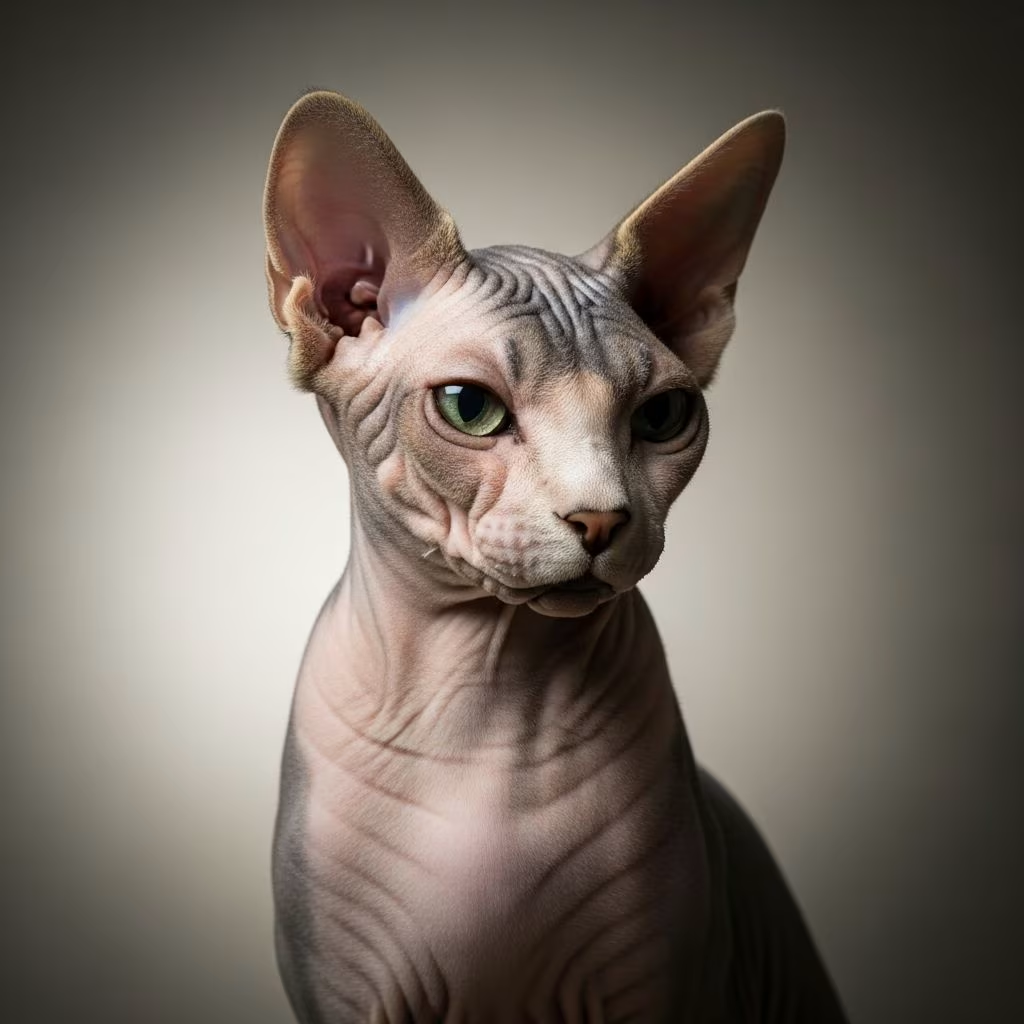
10 Things to Know About Hairless Cats
Hairless cats have captivated pet lovers for decades with their striking appearance and unique personalities. These extraordinary felines challenge everything we think we know about cats, combining an otherworldly look with surprisingly affectionate and engaging temperaments. Whether you’re considering adopting a hairless cat or simply curious about these remarkable animals, understanding the key facts about them is essential for making an informed decision. Here are ten important things you should know about hairless cats.
1. They’re Not Completely Hairless
Despite their name, hairless cats are not entirely without fur. Most hairless cat breeds are covered in a fine layer of soft fuzz that feels remarkably like suede, chamois leather, or peach skin to the touch. This downy coat is so fine and sparse that it’s often barely visible to the naked eye, but it provides minimal insulation and gives the skin a distinctive texture. Some hairless cats, particularly the Sphynx breed, may retain very short, fine hairs on specific areas such as the nose, ears, tails, and toes. The pigmentation of this fine fur determines the cat’s coloring and markings, which can include solid colors, tabby patterns, tortoiseshell, and other variations just like traditional cats.
2. Several Hairless Breeds Exist
While many people associate hairlessness exclusively with the Sphynx, several distinct hairless cat breeds have been developed through selective breeding. Each breed brings its own unique characteristics and charm to the hairless cat world.
Sphynx
The Sphynx, also known as the Canadian Sphynx, is perhaps the most well-known hairless breed. Developed starting in the 1960s, these cats feature distinctive wedge-shaped heads with prominent cheekbones, large lemon-shaped eyes, and oversized bat-like ears. They possess well-muscled, slender bodies with notably thick paw pads that give the appearance of walking on cushions. Sphynx cats are known for being vocal and communicative, often having quite a bit to say to their owners.
Peterbald
Originating from Russia, Peterbald cats are characterized by their exceptionally large, perky ears that seem disproportionately large for their wedge-shaped heads. These friendly and energetic cats enjoy interactive play, including fetch, and tend to follow their owners around the home. Interestingly, not all Peterbalds are completely hairless; the breed ranges from totally bare to fuzzy, curly-haired, or even wiry-coated individuals.
Donskoy
Donskoy cats display remarkable variety in their coat coverage and are classified into four distinct types based on their hair patterns. The rubber bald variety is born hairless and remains so throughout life, while flocked Donskoys are born with a soft, peach-fuzz coat that may eventually shed completely. Velour Donskoys have bald spots concentrated on their heads, and brush types feature scattered bald patches throughout their coats. These cats are known for their sweet personalities and intelligence, making them excellent companions for families with children and other pets.
Lykoi
Often referred to as the “werewolf cat,” the Lykoi breed features a sparse coat that undergoes periodic molting cycles known as “wolfing out.” When these cats do have fur, it’s exceptionally soft, enhancing their appeal during frequent cuddle sessions. However, the unique nature of the Lykoi breed comes with a higher price tag, with kittens typically starting around $1,000.
Ukrainian Levkoy
Established in 2004, the Ukrainian Levkoy is a relatively new breed characterized by distinctive folded ears reminiscent of the Scottish Fold. This breed’s long-term health profile is still being understood by the veterinary community. The folded ear trait is highly desirable and commands premium pricing, with kittens sometimes reaching $2,000 or more. However, not all Ukrainian Levkoys express the folded ear gene, and they typically display stoic personalities, often preferring quiet companionship with other cats.
3. They Require Regular Grooming and Bathing
Contrary to the assumption that hairless cats require minimal grooming, these felines actually demand regular bathing and skincare routines. Hairless cats, particularly Sphynx cats, tend to develop oily skin and require weekly or bi-weekly baths to prevent their skin from becoming excessively greasy. Regular bathing maintains skin health and prevents the buildup of natural oils and debris. Additionally, their large ears often require regular cleaning, and their nails need routine trimming just like any other cat. These grooming requirements represent a significant time commitment that potential owners should understand before bringing a hairless cat home.
4. Sun Protection Is Essential
The absence of a protective fur coat leaves hairless cats vulnerable to sunburn and UV damage. These cats should not spend extended periods in direct sunlight without protection, and owners should consider using pet-safe sunscreen on exposed areas, particularly the ears, nose, and back, during sunny days. Indoor living or supervised outdoor time with shade availability is strongly recommended to prevent painful sunburns and potential skin damage that could lead to serious health complications.
5. Temperature Sensitivity Requires Management
Without fur to provide insulation, hairless cats lose body heat more readily than their furred counterparts, making them prone to feeling cold. These cats are naturally inclined to seek out warm places and typically excel at finding cozy spots to curl up and get warm. However, owners must ensure their homes maintain comfortable temperatures, provide plenty of warm bedding, sweaters or coats for cooler weather, and avoid air conditioning settings that might make the cat uncomfortable. Many hairless cat owners find that their pets appreciate wearing specially designed cat clothing during colder months.
6. They Are Not Hypoallergenic
A common misconception exists that hairless cats are hypoallergenic and suitable for people with cat allergies. This is not accurate. While hairless cats don’t shed fur, their skin still produces normal amounts of allergy-causing dander, which is a primary allergen for most people with cat sensitivities. Additionally, hairless cats produce the same allergens in their saliva and urine as traditional cats. Anyone with cat allergies should spend time with a hairless cat before committing to adoption, as they may still experience allergic reactions.
7. Personality and Temperament Are Exceptional
Despite their unusual appearance, hairless cats boast remarkable personalities that endear them to their owners. These cats are typically affectionate, attention-seeking, and actively engage with their human companions. They tend to be curious, active, and highly social, often preferring to be around their owners rather than spending time alone. Many hairless cat owners report that while they were initially drawn to the breed’s unique appearance, they ultimately fell in love with the cat’s delightful personality and became devoted lifelong fans of the breed.
8. Genetic Basis of Hairlessness
Hairlessness in cats results from naturally occurring genetic mutations that breeders have selectively cultivated. In Sphynx cats, the distinctive hairlessness stems from a mutation in the KRT71 gene, which also affects other breeds like the Devon Rex and Selkirk Rex, though with different outcomes. The mutation, known as the “hr” allele, causes a complete loss of function in the gene responsible for keratinization of the hair follicle. This disruption prevents the formation of a solid hair root or bulb, resulting in extremely weak, fragile hair that falls out easily and contributes to the breed’s nearly hairless appearance. The genetics of hairlessness is complex and varies somewhat among different hairless breeds.
9. Health Considerations Require Veterinary Attention
While hairless cats can be healthy pets when properly cared for, the breed does come with specific health considerations. Certain hairless breeds, particularly the Ukrainian Levkoy, may be predisposed to joint and cartilage problems similar to those seen in Scottish Fold cats. Regular veterinary checkups are essential to monitor for breed-specific health issues. Prospective owners should work with reputable breeders who conduct health screening and are transparent about the breed’s health history and potential genetic concerns. Maintaining proper nutrition, avoiding obesity, and providing appropriate exercise all contribute to long-term health and wellness.
10. Cost and Commitment
Hairless cats represent a significant financial investment compared to traditional domestic cats. Kittens from reputable breeders typically cost several hundred to several thousand dollars depending on the breed and bloodline. Beyond the initial purchase price, ongoing care expenses for specialized grooming supplies, veterinary services, protective clothing, and higher food costs can add up substantially. Potential owners should carefully consider whether they can commit to both the financial investment and the time required for proper care and socialization.
Hairless Cat Breeds Comparison
| Breed | Origin | Distinctive Features | Personality | Estimated Cost |
|---|---|---|---|---|
| Sphynx | Canada (1960s) | Wedge-shaped head, large ears, wrinkles, thick paw pads | Vocal, affectionate, attention-seeking | $800-$3,000 |
| Peterbald | Russia | Extremely large ears, wedge-shaped head, variable coat types | Friendly, energetic, playful | $1,000-$2,500 |
| Donskoy | Russia | Four coat variations (rubber bald, flocked, velour, brush) | Sweet, intelligent, family-friendly | $800-$2,000 |
| Lykoi | United States | Sparse coat, periodic molting (“wolfing out”), soft fur | Unique, curious, affectionate | $1,000+ |
| Ukrainian Levkoy | Ukraine (2004) | Folded ears, relatively new breed, stoic temperament | Stoic, enjoys quiet companionship | $1,500-$2,000+ |
Essential Care Requirements for Hairless Cats
Caring for a hairless cat involves several specific responsibilities that differ from traditional cat care:
Bathing Schedule
Hairless cats should be bathed weekly or bi-weekly using warm water and cat-safe shampoo designed for sensitive skin. This removes excess oil buildup and keeps the skin clean and healthy.
Ear Cleaning
With their oversized ears, hairless cats are prone to earwax buildup and ear infections. Regular ear cleaning with appropriate solutions helps prevent these issues.
Nail Maintenance
Regular nail trimming every two to three weeks prevents overgrowth and maintains paw pad health, especially given that many hairless cats have thicker paw pads than traditional breeds.
Skin Protection
Daily inspection for skin abnormalities, application of pet-safe sunscreen when outdoors, and provision of protective clothing during cold weather are essential components of hairless cat care.
Environmental Control
Maintaining consistent indoor temperatures between 72-82°F and providing warm bedding, heating pads, and cat clothing ensures comfort and prevents illness related to temperature fluctuations.
Frequently Asked Questions About Hairless Cats
Q: Are hairless cats truly hypoallergenic?
A: No, hairless cats are not hypoallergenic. While they shed minimal fur, they produce the same amounts of dander and allergens in their saliva and urine as traditional cats. People with cat allergies may still experience reactions to hairless breeds.
Q: How much do hairless cats cost?
A: Hairless cat kittens from reputable breeders typically range from $800 to $3,000 or more, depending on the breed, bloodline, and breeder reputation. Some rare breeds or show-quality cats can cost significantly more.
Q: Can hairless cats go outdoors?
A: Hairless cats can have supervised outdoor time but require extensive protection from sunburn, insects, and extreme temperatures. Most veterinarians recommend keeping hairless cats primarily indoors with controlled environmental conditions.
Q: How often should hairless cats be bathed?
A: Most hairless cats should be bathed weekly or bi-weekly to manage their oily skin and prevent buildup of oils and debris. Your veterinarian can recommend the ideal bathing schedule based on your specific cat’s needs.
Q: Do hairless cats require special clothing?
A: Yes, many hairless cat owners provide lightweight clothing during cooler months and when outdoors to help regulate body temperature and provide sun protection. Specialized cat clothing is available from pet retailers.
Q: What is the lifespan of a hairless cat?
A: With proper care, hairless cats typically live 8-14 years, with many living into their late teens. Regular veterinary care, appropriate diet, and proper environmental management contribute to longevity.
Q: Are hairless cats good for families with children?
A: Many hairless cat breeds, particularly Donskoys, are excellent family companions. However, their delicate skin requires gentle handling, and children should be taught to interact respectfully with these sensitive cats.
Q: What should I look for in a reputable hairless cat breeder?
A: Reputable breeders conduct health screenings, provide genetic testing results, offer health guarantees, maintain excellent living conditions for their cats, and are transparent about the breed’s health history and potential genetic concerns.
References
- 6 Types of Hairless Cats and How to Care For Them — PetMD. 2024. https://www.petmd.com/cat/general-health/hairless-cats
- Sphynx cat — Wikipedia. 2024. https://en.wikipedia.org/wiki/Sphynx_cat
- Sphynx Cat Breed — Hill’s Pet Nutrition. 2024. https://www.hillspet.com/cat-care/cat-breeds/sphynx



