

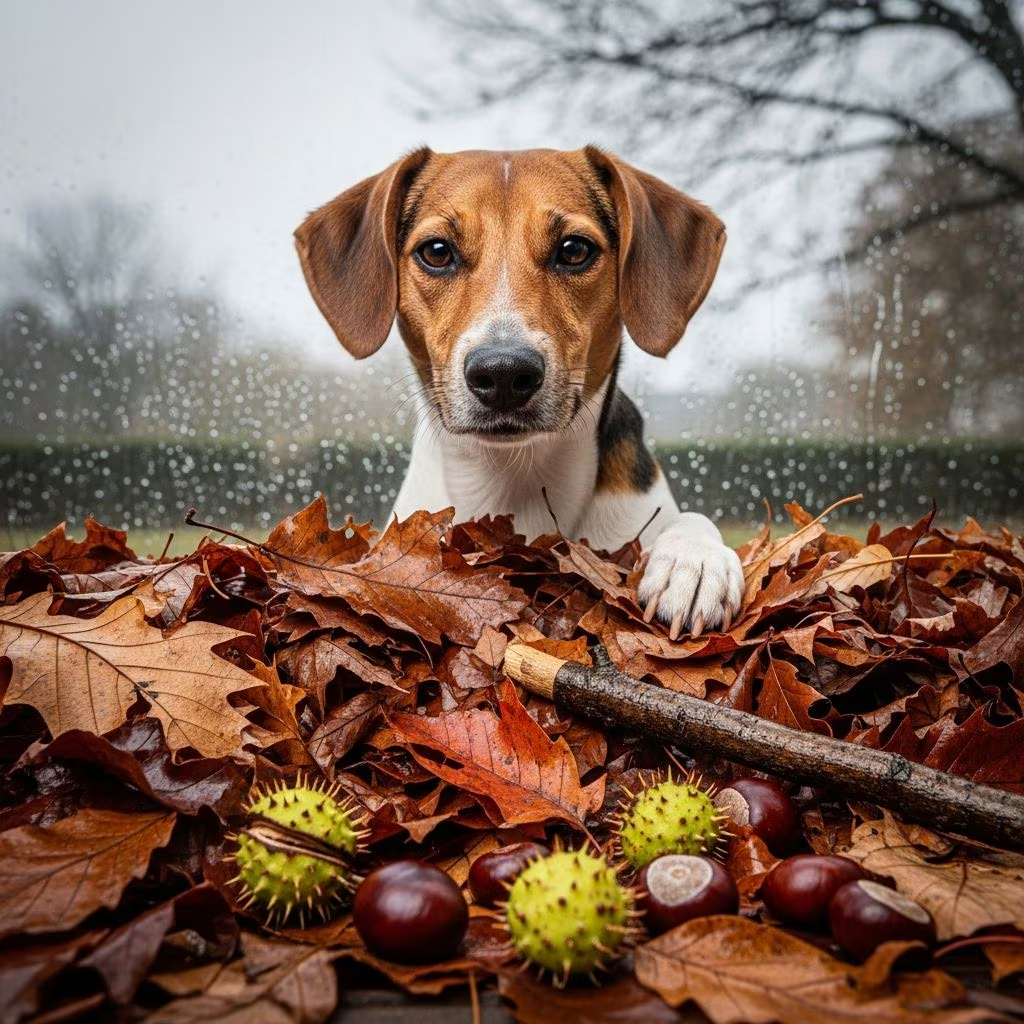
Many people welcome autumn with cozy sweaters, pumpkin spice, and holiday excitement, but your dog may feel very differently. Fall brings big changes in light, weather, routine, and household activity, and those shifts can be confusing or stressful for dogs. Understanding what they dislike about the season helps you prevent anxiety, protect their health, and keep them feeling secure.
This guide breaks down 10 common things dogs actually hate about fall, why they matter from a canine perspective, and simple, evidence-informed strategies to support your pup through the season.
1. Shorter Days and Changing Light
As daylight hours shrink in the fall, your dog’s world suddenly looks and feels different. Walks that used to happen in sunshine now take place in dim light or darkness, and the family may come and go at different times than they did in summer.
Dogs have internal biological clocks that respond to daily light–dark cycles, helping regulate sleep, activity, and hormone release. Research on circadian rhythms in mammals shows that changes in day length can affect behavior, mood, and sleep patterns. That means the sudden shift to darker evenings can make some dogs:
- More restless or unsettled around their usual walk time
- Reluctant to go outside when it is dark, rainy, or windy
- More alert or anxious because they see less and hear more
Many dogs also rely heavily on visual cues in their environment. When familiar streets, yards, and parks look different in the dark, they may hesitate or show uncertainty.
How to make darker days easier
- Keep walk times as consistent as possible. Predictable timing makes routines easier to understand.
- Add visibility gear. Use reflective collars, harnesses, and leashes, plus a clip-on LED light for your dog’s collar so both of you stay safe and more confident in the dark.
- Increase indoor enrichment. If you need to shorten evening walks, make up for it with puzzle toys, scent games, or short training sessions.
2. Colder Weather and Uncomfortable Conditions
Not every dog is built for chilly, damp weather. Short-coated, small, thin, or senior dogs often feel the cold faster, especially when the temperature drops quickly in fall. Cold, wet conditions can worsen joint stiffness in dogs with arthritis and may make them reluctant to exercise.
| Dog Type | Fall Weather Challenge | Helpful Adjustments |
|---|---|---|
| Short-haired / small breeds | Chill quickly, shiver, resist going outside | Use light coats, keep walks shorter in wet/cold |
| Senior dogs | Stiff joints, slower movement in cold | Gentle warm-up walks, supportive bedding |
| Large, active breeds | Mud, slippery leaves, overexertion in cool air | Dry thoroughly after walks, monitor for limping |
Comforting your dog in cooler temps
- Watch for signs of discomfort like shivering, lifting paws, or trying to turn back toward home.
- Use dog coats or sweaters for smaller or short-haired dogs on chilly, damp days.
- Dry your dog fully after rainy walks, especially paws and between toes, to avoid irritation.
- Provide a warm sleeping area away from drafts, with supportive bedding for older pets.
3. Leaf Piles and Yard Hazards
Leaf piles might look fun and festive, but to dogs they can hide a lot of unpleasant surprises. Damp leaves can conceal sticks, rocks, trash, or even sharp objects. Decomposing organic material can harbor mold and certain bacteria, which may upset a dog’s stomach if eaten.
In some areas, ticks remain active into the fall under leaf litter, so dogs that burrow or play in piles may still be at risk for tick exposure. Moldy leaves or compost can also trigger allergic reactions or respiratory irritation in sensitive dogs.
Making leaf season safer
- Supervise your dog if they love diving into piles, and avoid piles near roads or trash bins.
- Discourage leaf eating, especially if the pile has been sitting and decomposing.
- Continue flea and tick prevention through the fall, as recommended by your veterinarian.
4. Back-to-School Schedule Swings
For many families, the end of summer means kids return to school and adults resume more regular work hours. From your dog’s viewpoint, their constant daytime companions suddenly disappear, and the once-busy house goes quiet.
Dogs are social animals that form strong attachments to their human families. Behavioral research shows that abrupt changes in caregiver presence and daily routines can contribute to separation-related behaviors such as whining, pacing, or destructive chewing. Fall is a classic time when these problems become more noticeable.
Common signs your dog is struggling with the new schedule include:
- Clinginess when family members prepare to leave
- Excessive greeting behavior, jumping, or vocalizing when you return
- House soiling, chewing, or barking only when left alone
Helping dogs adjust to routine changes
- Phase in the new schedule gradually if possible, by practicing shorter departures before the full routine starts.
- Offer interactive toys (like food puzzles or safe chews) that come out only when you leave.
- Keep comings and goings low-key to avoid reinforcing anxious anticipation.
- Consider midday help from a trusted dog walker or neighbor for long days alone.
5. Increased Separation Anxiety in Autumn
Some dogs do not just dislike the new routine; they experience genuine separation anxiety. This is more than boredom: it’s a distress response when a dog is separated from their attachment figure or left alone. Clinical descriptions from veterinary behaviorists note that affected dogs may howl, panic, salivate excessively, or attempt to escape confinement when left, even for short periods.
Fall often unearths or amplifies this issue because summer typically involves more constant companionship: vacations, kids at home, and flexible schedules. Once that ends abruptly, the contrast can be overwhelming for sensitive dogs.
Signs of separation anxiety to watch for
- Destruction focused on doors, windows, or crates when you’re away
- Neighbors reporting prolonged barking or howling
- Drooling puddles or pacing captured on a home camera
- Refusal to eat treats or food until you return
What you can do
- Record your dog for the first 30–60 minutes after you leave to understand their actual behavior.
- Contact your veterinarian if you suspect true separation anxiety; they can rule out medical issues and refer to a behavior specialist.
- Use gradual desensitization and counterconditioning (planned, very short absences paired with good things) as guided by a professional.
6. Costumes: Cute for Us, Confusing for Them
Halloween costumes are a human favorite, but many dogs find them upsetting or uncomfortable. Outfits can restrict natural movement, cover the tail (an important communication tool), block vision, or add unfamiliar textures and sounds.
From a dog’s perspective, suddenly being dressed in a costume can feel like being restrained. Behavioral guidance from animal welfare organizations emphasizes that clothing should never limit a dog’s movement, breathing, or ability to communicate through body language.
How to tell if your dog hates their costume
- Freezing or refusing to walk once the costume is on
- Repeatedly pawing at or biting the outfit
- Tucked tail, ears pinned back, or avoiding eye contact
- Trying to hide or get away when you bring the costume out
Making dress-up more humane
- Skip full-body costumes if your dog shows any sign of stress; opt for a simple bandana or festive collar instead.
- Introduce clothing gradually, pairing it with treats and very short wear times.
- Check fit carefully so nothing is tight, rubbing, or blocking vision or hearing.
7. Halloween Night Chaos
Even if your dog never wears a costume, Halloween night itself can be overwhelming: doorbells ringing repeatedly, excited children in masks, strange smells, and sudden loud noises.
Dogs often rely on familiar visual and scent cues to identify people. Masks and makeup can make beloved neighbors seem like strangers, triggering alarm. Loud voices, shrieks, and frequent door openings can also raise overall arousal and stress. Many animal welfare groups report increased calls about lost pets around holidays like Halloween because pets slip out in the confusion or bolt due to fear.
Halloween survival plan for dogs
- Create a safe room away from the front door, with bedding, toys, and calming background sound (TV, music, or white noise).
- Keep doors, gates, and fences secured, and ensure your dog has up-to-date ID tags and a registered microchip.
- Consider skipping door duty with your dog; let one person handle candy while another keeps the dog company in a quiet area.
- Use baby gates to create a barrier between your dog and the constantly opening front door.
8. Temptation Everywhere: Halloween Candy
From a dog’s nose-level perspective, fall is the season of forbidden treats. Bowls and bags of candy appear around the house, often at a dog’s eye line. Unfortunately, many of these sweets are genuinely dangerous to dogs.
The U.S. Food and Drug Administration (FDA) warns that chocolate contains theobromine and caffeine, which dogs cannot metabolize efficiently; ingestion can cause vomiting, restlessness, rapid heart rate, and in severe cases, seizures. Sugar-free candies and gums may contain xylitol, which can trigger a rapid drop in blood sugar and potentially life-threatening liver damage in dogs.
Simple rules for candy season
- Store all candy securely in closed containers or cabinets your dog cannot access.
- Teach a strong “leave it” cue to help your dog resist dropped treats or open bags.
- Inform guests and kids that candy is unsafe for dogs, and provide dog-safe treats instead.
- Call your vet or a pet poison hotline immediately if you suspect your dog ate chocolate, xylitol, or unknown candy wrappers.
9. Thanksgiving Feasts and Table-Scrap Trouble
Halloween is not the only temptation. Thanksgiving and other fall gatherings bring rich, fatty foods and ingredients that can make dogs very sick. Veterinary toxicology and emergency reports highlight several common problem foods:
- Onions, garlic, leeks, and chives (in stuffing or gravy) can damage red blood cells in dogs.
- Grapes and raisins (in salads, side dishes, or desserts) have been linked to acute kidney injury in dogs.
- Fatty trimmings and skin can trigger pancreatitis, a painful and potentially serious inflammation of the pancreas.
- Cooked bones can splinter and cause choking or internal injury.
- Alcohol in desserts or drinks is toxic to dogs even in small amounts.
How to include your dog safely
- Prepare a dog-safe plate with plain cooked turkey (no skin, no bones) and a small amount of plain vegetables like green beans or pumpkin (not spiced pie filling).
- Ask guests not to feed the dog from the table, and explain which foods are unsafe.
- Secure trash bags and take them out promptly so your dog can’t access bones or greasy foil.
- Watch for vomiting, diarrhea, lethargy, or abdominal pain after big meals and contact your vet if you see concerning signs.
10. Sensory Overload and Stressful Social Events
Fall tends to be full of events: harvest festivals, busy hiking trails, football gatherings, and holiday parties. For many dogs, this means more noise, visitors, travel, and changes in environment in a short period.
Behavior experts note that dogs can show stress in subtle ways long before they bark, growl, or snap. Early signs include yawning outside of sleep contexts, lip licking, panting when it is not hot, turning the head away, or repeatedly moving behind their owner. When a dog is repeatedly pushed beyond their comfort zone at social events or in crowded spaces, their stress can accumulate.
Reducing sensory overload
- Know your dog’s limits. Not every dog enjoys parties, crowded patios, or long group hikes. It is okay to let them stay home.
- Provide a retreat space during gatherings, such as a quiet room with a bed and water, where guests are asked not to disturb the dog.
- Watch for early stress signals and give your dog breaks before they are overwhelmed.
- Use management tools like crates (for crate-trained dogs), baby gates, and leashes to help your dog feel secure.
Frequently Asked Questions (FAQs)
Q: Why does my dog seem more anxious in the fall?
Many dogs react to a combination of shorter days, colder weather, and changes in family routine. Back-to-school schedules and holiday activity can increase time alone and overall noise, which may trigger or worsen anxiety in sensitive dogs.
Q: Is it safe to take my dog trick-or-treating?
It depends on your dog. Confident, social dogs who are comfortable with kids, costumes, and noise may enjoy a short outing, but many dogs find Halloween overstimulating. If your dog shows any fear or stress, it is kinder and safer to let them stay home in a calm, secure space.
Q: What fall foods are most dangerous for dogs?
Common autumn hazards include chocolate, xylitol-sweetened candy or gum, grapes, raisins, onions, garlic, fatty leftovers, cooked bones, and alcohol in food or drinks. Keep these well out of reach and contact your veterinarian immediately if your dog may have eaten them.
Q: My dog hates wearing a coat. Do they really need one?
Not all dogs need clothing, but small, thin-coated, or senior dogs often benefit from a light coat in cold, wet weather. If your dog dislikes clothing, try a well-fitted, simple design and introduce it slowly with treats. If they remain very stressed, focus on shorter walks and warm indoor rest instead.
Q: How can I tell if my dog’s fall stress is serious enough for the vet?
Contact your veterinarian if you notice major behavior changes (sudden clinginess, destructive behavior when alone, house soiling, loss of appetite) or any signs of illness like vomiting, diarrhea, or lethargy. A vet exam can rule out medical issues and help you get behavior support early.
References
- Circadian Rhythms — National Institute of General Medical Sciences (NIGMS). 2017-11-06. https://www.nigms.nih.gov/education/fact-sheets/Pages/circadian-rhythms.aspx
- Arthritis in Dogs — American College of Veterinary Surgeons (ACVS). 2022-01-01. https://www.acvs.org/small-animal/arthritis-in-dogs
- Lyme Disease in Dogs — U.S. Centers for Disease Control and Prevention (CDC). 2022-11-03. https://www.cdc.gov/healthypets/diseases/lyme-disease.html
- Separation Anxiety — American Veterinary Medical Association (AVMA). 2020-06-26. https://www.avma.org/resources/pet-owners/petcare/separation-anxiety
- Halloween Safety Tips for Pets — American Society for the Prevention of Cruelty to Animals (ASPCA). 2023-10-01. https://www.aspca.org/news/halloween-safety-tips-pets
- Microchipping of Animals — American Veterinary Medical Association (AVMA). 2020-08-18. https://www.avma.org/resources-tools/avma-policies/microchipping-animals
- Foods That Are Hazardous to Dogs — U.S. Food and Drug Administration (FDA). 2017-05-08. https://www.fda.gov/animal-veterinary/animal-health-literacy/foods-are-hazardous-dogs-and-cats



