

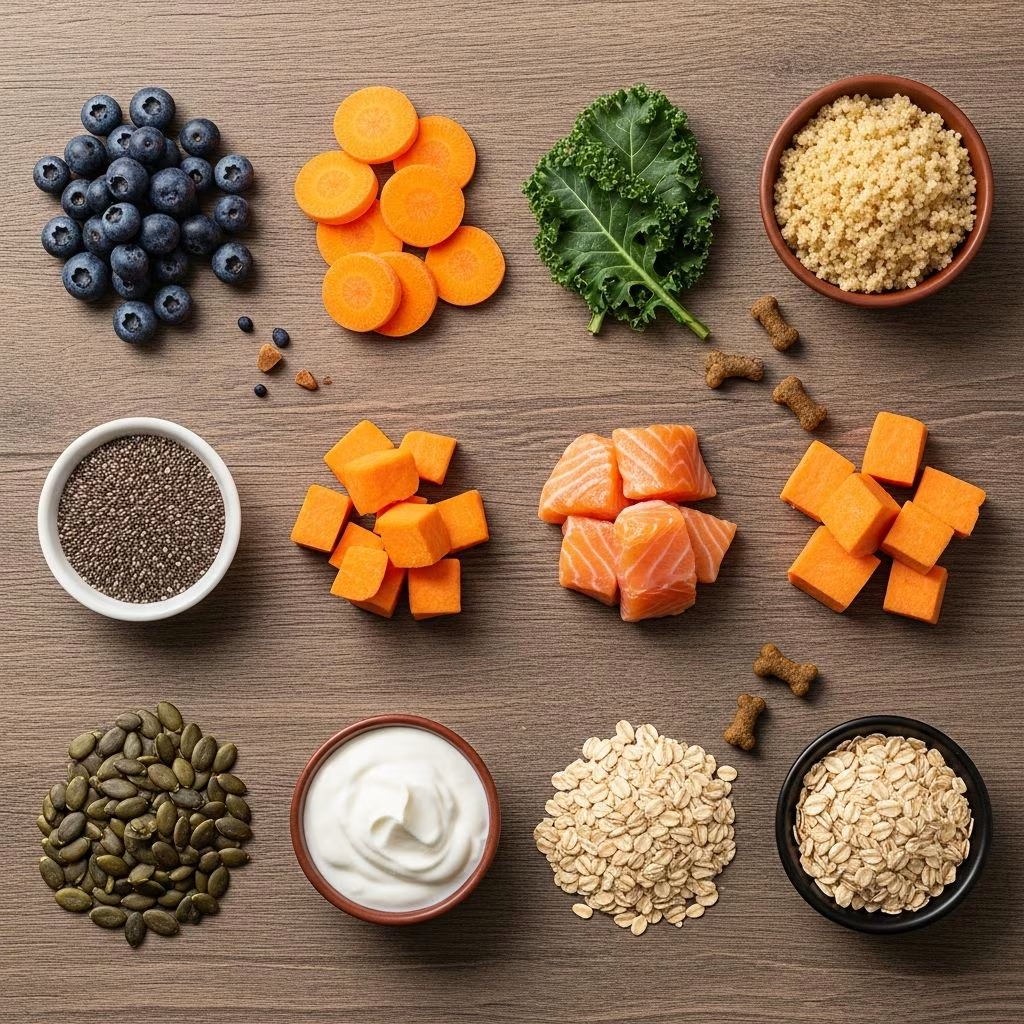
Just like humans, dogs benefit from nutrient-dense foods that go beyond basic nutrition. Superfoods for dogs are ingredients packed with vitamins, minerals, antioxidants, and other beneficial compounds that support overall health, boost immune function, and promote longevity. While not all human foods are safe for canine consumption, there are numerous superfoods that provide exceptional health benefits for your furry companion. Whether you’re looking to supplement your dog’s regular diet or create homemade meal options, understanding which superfoods are safe and beneficial is essential for responsible pet ownership.
The following ten superfoods are backed by veterinary nutrition experts and have been proven to enhance your dog’s diet and support various aspects of their health.
1. Salmon: Omega-3 Powerhouse
Salmon stands out as one of the most beneficial superfoods for dogs. Packed with omega-3 fatty acids, salmon provides comprehensive support for your dog’s health across multiple systems. These healthy fats work to boost the immune system while simultaneously nourishing hair and skin, resulting in a shinier coat and healthier skin condition.
According to veterinary nutritionist Dr. Susan G. Wynn, author and certified expert in canine nutrition, salmon and other oily fish should be incorporated into homemade dog diets on a rotating basis with other protein sources. This rotation helps ensure balanced nutrient intake while preventing overexposure to any single ingredient. However, if you’re already supplementing your dog’s diet with fish oil, it’s important to monitor the total amount of fish consumed, as it’s possible to overdose on fatty acids.
Other excellent fish options include anchovies, sardines, herrings, and mackerel, all of which provide high-quality protein and similar omega-3 benefits. When introducing fish to your dog’s diet, ensure it’s properly cooked and free from any bones that could pose choking hazards.
2. Pumpkin: Digestive Health Champion
Pumpkin is a versatile superfood that addresses digestive health comprehensively. Whether your dog experiences constipation or other digestive irregularities, pumpkin offers natural relief through its unique fiber composition. The soluble and insoluble fibers in pumpkin feed beneficial gut bacteria, promoting a healthy digestive microbiome essential for overall wellness.
Beyond digestive support, pumpkin is an antioxidant-rich food containing numerous health-promoting nutrients that can improve coat shine, enhance eyesight, and support overall vitality. When selecting canned pumpkin, always read labels carefully to ensure you’re purchasing pure pumpkin puree rather than sugar-filled pie filling, which can be counterproductive to your dog’s health.
Fresh pumpkin is also an excellent option and can be prepared simply by cooking and pureeing. For dogs with sensitive digestion, pumpkin serves as both a therapeutic food and a preventative measure for future digestive issues.
3. Apples: Dental and Nutritional Benefits
Apple slices provide a dual benefit for your dog’s health. Mechanically, the firm texture helps clean your dog’s teeth naturally through chewing, promoting better dental hygiene without requiring special dental treats. Beyond the mechanical benefit, apples deliver important nutrients including soluble fiber and powerful antioxidants.
Veterinary nutritionist Dr. Wynn particularly recommends apples for their soluble fiber content and antioxidant properties, which support digestive health and combat cellular aging. However, one critical safety consideration must be observed: always remove apple seeds before offering this treat to your dog. Apple seeds contain a cyanide compound and present a potential choking hazard, making their removal non-negotiable.
Offer apple slices as an occasional treat or incorporate small pieces into your dog’s regular meals. Most dogs enjoy the natural sweetness and satisfying crunch of apples, making them an easy way to introduce superfoods into your pet’s diet.
4. Berries: Antioxidant-Rich Treats
Berries represent a concentrated source of antioxidants, fiber, and beneficial phytochemicals. Blueberries, in particular, are packed with these nutrients and provide specific benefits including promotion of urinary tract health and support for cognitive function. This makes blueberries especially valuable for aging dogs showing signs of cognitive decline.
Strawberries and blackberries complement blueberries by offering high fiber content, low sugar profiles, and abundant vitamins. These berries support immune function, aid digestion, and provide omega-3 fatty acids for skin and coat health. The nutritional diversity across different berry varieties means rotating them in your dog’s diet ensures comprehensive nutritional coverage.
When preparing berries for your dog, you have flexibility in presentation—offer them fresh or frozen, whole, cut, crushed, or pureed according to your dog’s preferences and age. Always wash berries thoroughly and remove any stems or leaves that could present choking hazards. As with all treats, moderation remains key to preventing digestive upset or nutritional imbalance.
5. Chia Seeds: Complete Nutritional Profile
Chia seeds punch above their weight in nutritional value, containing an impressive array of essential nutrients. These tiny seeds are packed with protein, fiber, antioxidants, calcium, iron, magnesium, and omega-3 fatty acids, making them a true superfood for dogs and humans alike. This comprehensive nutritional profile supports multiple body systems simultaneously.
One particularly valuable benefit of chia seeds for weight management is their ability to help your dog feel fuller for longer periods. By promoting satiety, chia seeds can support healthy weight maintenance and reduce excessive calorie consumption. For dogs prone to overeating or those working on weight loss, chia seeds offer a natural dietary aid.
Start with small quantities when introducing chia seeds to your dog’s diet, as their high fiber content requires gradual introduction to prevent digestive upset. Sprinkle a small amount over regular food or mix into homemade dog treats for convenient incorporation.
6. Pears: Underrated Superfood Treat
While pears don’t typically appear on superfood lists, they deserve recognition as an exceptional treat for dogs. High in fiber and low in calories, pears provide nutritional benefits alongside their delicious taste. This unique combination makes pear slices an excellent substitute for store-bought treats, particularly for dogs requiring calorie-conscious feeding.
The high fiber content supports digestive health while the low calorie count makes pears ideal for overweight dogs or those on restricted diets. Dogs generally enjoy the mild sweetness and interesting texture of pears, making them an easy addition to your dog’s treat rotation.
When offering pears, ensure they’re washed thoroughly and cut into appropriate sizes for your dog. Remove any seeds, as pear seeds, like apple seeds, contain trace amounts of compounds that should not be consumed by dogs.
7. Turmeric & Ginger: Anti-Inflammatory Seasonings
While you should avoid adding salt to your dog’s food, certain seasonings offer significant health benefits. Turmeric and ginger, long revered in human cuisine for their medicinal properties, provide equally impressive benefits for canine health. Both spices possess strong anti-inflammatory properties that can soothe digestion and potentially fight cancer development.
Incorporating these seasonings into your dog’s diet requires a gentle hand—consult with your veterinarian about appropriate dosages for your dog’s weight and health status. A small pinch added to regular meals can provide therapeutic benefits without overwhelming your dog’s palate. These spices are particularly valuable for older dogs experiencing joint inflammation or digestive sensitivity.
The anti-inflammatory benefits of turmeric and ginger make them especially valuable for dogs with arthritis or other inflammatory conditions. Many holistic veterinarians recommend these seasonings as part of a comprehensive approach to managing age-related health challenges.
8. Coconut Oil: Multi-Purpose Health Booster
Coconut oil has emerged as a superfood darling in both human and canine nutrition. When added to dog food in appropriate quantities, coconut oil has been known to improve skin and coats dramatically, aid digestion, and soothe allergic reactions. The medium-chain fatty acids in coconut oil provide easily digestible energy while supporting skin barrier function.
However, coconut oil requires careful dosing—it’s high in calories and excessive consumption could raise cholesterol levels or lead to unhealthy weight gain. Always consult with your veterinarian about appropriate dosages for your specific dog, considering their age, weight, activity level, and existing health conditions.
Start with small amounts—approximately one-quarter to one-half teaspoon for small dogs, increasing to one to two teaspoons for larger dogs. Monitor your dog’s response carefully and adjust quantities based on observed changes in coat quality and digestive function.
9. Sweet Potatoes: Nutrient-Dense Root Vegetable
Sweet potatoes appear frequently in premium dog foods and treats due to their stellar nutritional profile. This starchy root vegetable is notably high in beta-carotene, an antioxidant that supports immune system function, vision, and skin health. Sweet potatoes also serve as an excellent source of digestion-boosting fiber, supporting gastrointestinal health and regular bowel movements.
The complex carbohydrates in sweet potatoes provide sustained energy, making them valuable for active dogs. Always serve sweet potatoes plain and well-cooked—raw sweet potato is difficult for dogs to digest and can cause gastrointestinal upset. Cooking breaks down cellular structures, making nutrients more bioavailable and easier for your dog’s digestive system to process.
Whether offering homemade cooked sweet potato or selecting commercial products containing this ingredient, you can trust that sweet potatoes contribute meaningfully to your dog’s nutritional intake.
10. Broccoli: Cruciferous Vegetable Powerhouse
In small quantities, broccoli is not only safe for dogs but also functions as a nutrient-rich superfood offering multiple health benefits. This cruciferous vegetable boasts several minerals including potassium, magnesium, and sodium—all vital for your dog’s hormone health and metabolism. Additionally, broccoli contains substantial amounts of vitamins K and C, which keep bones strong and boost immune system function.
The key to safely feeding broccoli is moderation—this vegetable should comprise no more than ten percent of your dog’s daily caloric intake. Excessive consumption can cause gastrointestinal upset and potentially interfere with thyroid function. When offering broccoli, steam it lightly to improve digestibility and nutrient absorption, and cut it into appropriately sized pieces to prevent choking hazards.
The antioxidant content in broccoli supports immune responses and can help slow cellular aging, making it particularly valuable for senior dogs.
Additional Nutrient-Dense Foods for Your Dog
Beyond the ten primary superfoods, several other human foods offer nutritional benefits for dogs when prepared properly. Carrots provide excellent dental benefits and are low in calories, making them ideal for weight-conscious dogs. Leafy greens like kale deliver beta-carotene, calcium, and vitamin K. Eggs serve as a complete protein source containing all essential amino acids. Bone broth provides collagen and amino acids supporting joint health and digestive integrity.
Strawberries deliver immune-boosting vitamins and omega-3 fatty acids. Peanut butter offers protein and healthy fats but must be carefully selected to avoid xylitol, a toxic artificial sweetener. Cranberries provide antioxidants and quercetin for immune support. Zucchini offers low-calorie nutrition when served cooked. Tomatoes deliver potassium, antioxidants, and vitamins supporting eyesight and cardiovascular health.
Essential Guidelines for Introducing Superfoods
When incorporating any new food into your dog’s diet, follow these fundamental guidelines. First, introduce new foods gradually over several days, mixing small amounts with regular food to prevent digestive upset. Monitor your dog closely for any signs of allergic reaction or gastrointestinal distress. Second, research any food thoroughly before offering it—some human foods that are safe for humans are toxic to dogs.
Third, maintain appropriate portion sizes—superfoods should supplement, not replace, a complete and balanced diet. Most treats and table foods should comprise no more than ten percent of your dog’s daily caloric intake. Fourth, always consult with your veterinarian before making significant dietary changes, particularly if your dog has existing health conditions or takes medications that might interact with new foods.
Fifth, prepare foods safely by removing potential hazards like seeds, pits, bones, and stems. Finally, choose organic options when possible to minimize pesticide exposure, particularly for vegetables that your dog will consume regularly.
Understanding Complete and Balanced Nutrition
While superfoods offer concentrated nutrition, they must be incorporated into a complete and balanced diet to ensure your dog receives all essential nutrients in appropriate proportions. Complete and balanced dog foods are formulated to provide all essential nutrients and can serve as your dog’s sole diet throughout a specific life stage. When adding superfoods to commercial complete diets, ensure the additions don’t create nutritional imbalances.
If you’re creating homemade diets incorporating multiple superfoods, consult with a veterinary nutritionist to ensure proper nutrient balance. Homemade diets often lack appropriate mineral ratios, vitamin levels, or essential amino acids unless formulated by professionals.
Frequently Asked Questions
Q: Can all dogs eat these superfoods?
A: Most superfoods are safe for healthy adult dogs, but puppies, senior dogs, and those with health conditions may have specific restrictions. Always consult your veterinarian before introducing new foods, particularly for dogs with kidney disease, diabetes, or food allergies.
Q: How often should I feed my dog superfoods?
A: Superfoods should be incorporated regularly but in moderation. Most can be offered several times weekly as part of a rotation, with treats comprising no more than ten percent of daily calories.
Q: Can superfoods replace prescription dog food?
A: No, superfoods cannot replace prescribed therapeutic diets recommended for specific health conditions. They should complement, not substitute, veterinary-recommended nutrition plans.
Q: Are frozen superfoods as nutritious as fresh?
A: Frozen superfoods retain most nutrients and can be equally nutritious as fresh options. Freezing actually preserves nutrients by halting enzymatic degradation that occurs in fresh produce over time.
Q: What signs indicate my dog isn’t tolerating a new superfood?
A: Watch for vomiting, diarrhea, constipation, lethargy, or loss of appetite. Allergic reactions may cause itching, hives, or swelling. Discontinue the food immediately and contact your veterinarian if these symptoms appear.
References
- 10 Superfoods to Include in Your Pet’s Diet — Pet Honesty. 2023. https://www.pethonesty.com/blogs/blog/10-superfoods-to-include-in-your-pet-s-diet
- 10 Superfoods You Should Feed Your Dog — Chewy. https://www.chewy.com/education/dog/food-and-nutrition/nutrition-pet-diet-tips-10-superfoods-you-should-feed-your-dog
- 23 Human Foods Dogs Can Eat, From Apples to Zucchinis — Chewy. https://www.chewy.com/education/dog/food-and-nutrition/human-foods-dogs-can-eat
- The Ultimate Guide to Dog Food Ingredients — Chewy. https://www.chewy.com/education/dog/food-and-nutrition/dog-food-ingredients
- Dog Nutrition: What Is Complete and Balanced Dog Food? — Chewy. https://www.chewy.com/education/dog/food-and-nutrition/dog-nutrition-complete-and-balanced-dog-food
- What Is Science-Based Dog Food? And Is It Right for Your Pet? — Chewy. https://www.chewy.com/education/dog/food-and-nutrition/what-is-science-diet-pet-food
- 7 Human Food Trends That Pets Love Too — Chewy. https://www.chewy.com/education/dog/food-and-nutrition/nutrition-food-treats-7-human-food-trends-that-pets-love-too



