
10 Signs Your Cat Has Dementia: Early Detection Guide
Learn the warning signs of feline dementia and how to support your senior cat's cognitive health.
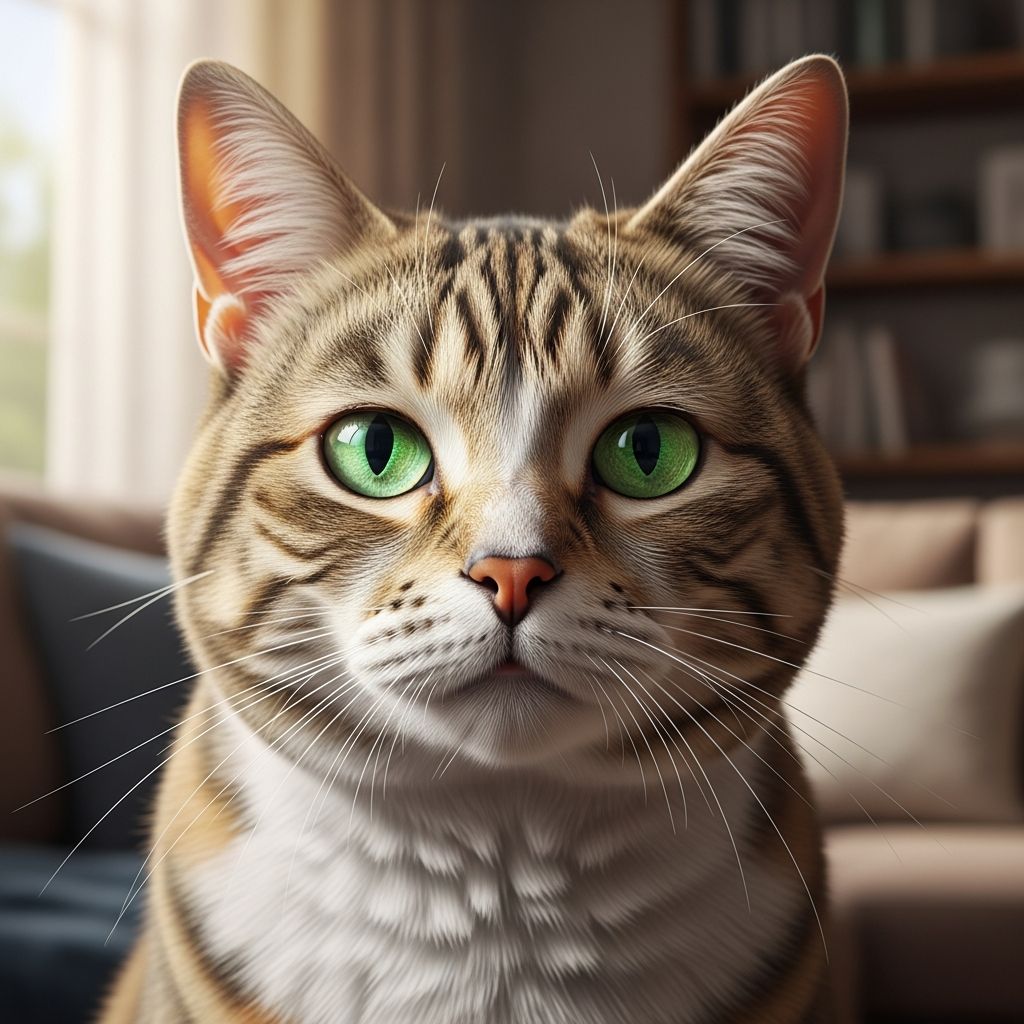
Understanding Feline Dementia: A Comprehensive Guide
As our beloved cats age, they experience changes similar to humans, including cognitive decline. Feline cognitive dysfunction syndrome (CDS), commonly referred to as cat dementia, is a progressive condition that affects the brain’s ability to function properly. More than a quarter of cats aged 11 to 14 show at least one sign of dementia, and the prevalence increases dramatically in older populations, with approximately half of all cats over age 15 exhibiting signs of cognitive dysfunction. Understanding these warning signs is crucial for pet owners who want to provide the best possible care for their senior feline companions.
Unlike other age-related conditions in cats, dementia results from the degeneration of brain tissue and the death of neurons—the cells responsible for memory, learning, attention, sleep regulation, and spatial awareness. While this condition cannot be cured, early recognition and proper management can significantly improve your cat’s quality of life during their golden years.
Sign #1: Disorientation and Confusion in Familiar Spaces
One of the most noticeable signs of feline dementia is disorientation. Your cat may appear lost or confused in environments they have known for years. This spatial disorientation manifests in several ways that should alert you to potential cognitive decline. Your senior cat might get trapped in corners, behind furniture, or in other confined spaces despite having navigated these areas effortlessly for years. They may forget where their litter box is located, even if it has remained in the same spot for a long time. Similarly, cats with dementia often forget the location of their food bowls or favorite sleeping areas.
This confusion extends beyond physical spaces. Your cat may stare blankly at walls or into empty corners for extended periods, appearing to be lost in thought or disoriented about their surroundings. Some cats will wander aimlessly through the house, seemingly unsure of where they are or what they should be doing next.
Sign #2: Excessive Vocalization, Particularly at Night
Increased vocalization is a hallmark symptom of feline dementia, especially during nighttime hours. Unlike normal meowing, cats with dementia often produce loud, seemingly purposeless crying or yowling sounds. These vocalizations frequently occur when your cat appears disoriented or confused, as if they are calling out for help or reassurance. The intensity and frequency of these sounds can be quite distressing for both the cat and the household.
Night vocalization is particularly common because dementia disrupts the circadian rhythms that regulate sleep-wake cycles. Your cat may become vocal and confused about why everyone else is sleeping, creating a disruptive pattern that can affect the entire household’s rest.
Sign #3: Staring into Space or at Walls
A peculiar but telling sign of dementia in cats is the tendency to stare blankly at walls, corners, or empty space for prolonged periods. This behavior differs from normal cat behavior, as cats typically maintain awareness of their environment even during rest. When your senior cat sits motionless, staring at a blank wall or corner without any apparent stimulus or reason, it may indicate cognitive dysfunction affecting their perception and awareness. This behavior can last for several minutes or even longer, and your cat may seem unresponsive or disconnected from their surroundings during these episodes.
Sign #4: Memory Loss Related to Feeding
Memory loss is a central feature of feline dementia, and it frequently manifests through feeding-related behaviors. Your cat may forget that they have just been fed and demand food again shortly after eating. This temporal disorientation means your cat loses track of time and their recent activities. Some senior cats will only eat if their food bowls are placed directly in front of them, having forgotten where their feeding area is located or that food is available. In some cases, cats may develop a decreased interest in food altogether, leading to reduced appetite and potential weight loss.
Sign #5: Inappropriate Elimination Outside the Litter Box
One of the most frustrating symptoms for cat owners is inappropriate elimination—cats urinating or defecating outside their litter boxes. Cats with dementia may forget their litter box training despite years of consistent habits. They might fail to remember where the litter box is located, or they may become confused about its purpose. Some cats will enter the litter box but then leave and eliminate elsewhere in the home. Others may not cover their waste, a behavior they previously performed automatically. This change in toileting habits can occur gradually or more suddenly, and it’s essential to rule out medical conditions like urinary tract infections or kidney disease before attributing it solely to dementia.
Sign #6: Sleep Cycle Disruption and Nocturnal Activity
Dementia significantly disrupts your cat’s natural sleep-wake cycle because these rhythms are controlled by the brain’s circadian systems. You may notice your senior cat sleeping much more during the day than usual, appearing sluggish or lethargic. Conversely, they may become active, restless, and vocal during nighttime hours when they should be sleeping. This reversal of normal sleeping patterns is characteristic of cognitive dysfunction. Your cat might pace around the house at night, cry out in confusion, or exhibit other signs of restlessness. They may have difficulty settling down for extended sleep periods and seem perpetually agitated during what should be their quiet sleeping hours.
Sign #7: Changes in Social Interaction and Relationships
Dementia can dramatically alter how your cat interacts with family members and other pets in the household. Some cats become increasingly needy and attention-seeking, constantly following owners around or demanding affection. Others become unusually reactive, irritable, or even mildly aggressive toward people or other animals. Some senior cats experience the opposite effect, becoming more aloof and withdrawn from family activities they previously enjoyed. Your cat may fail to recognize familiar household members or other pets they have lived with for years. These behavioral changes reflect the cognitive decline affecting their ability to process social information and maintain normal relationships.
Sign #8: Poor Grooming Habits and Unkempt Appearance
Cats are typically fastidious groomers, so a decline in grooming habits is significant. Cats with dementia often neglect their coat maintenance, resulting in a dull, matted, or unkempt appearance. They may have reduced interest in cleaning themselves, which is unusual for feline behavior. This sign might be accompanied by other changes in activity levels, as grooming requires both motivation and the ability to execute this learned behavior. The deterioration in grooming habits reflects both the physical decline of aging and the cognitive dysfunction affecting their self-care behaviors.
Sign #9: Increased Anxiety, Irritability, and Restlessness
Senior cats with dementia often exhibit heightened anxiety and irritability. They may seem chronically stressed or agitated, even in normal household situations. Your cat might display new or exaggerated fear responses to ordinary stimuli, such as household noises or routine activities. They may become clingy or show signs of separation anxiety, struggling when left alone. Restlessness is another common manifestation, where your cat cannot seem to settle comfortably in any location. This anxiety may be particularly pronounced at night or during times of darkness, as sensory decline and cognitive dysfunction combine to create disorientation and fear.
Sign #10: General Behavioral Changes and Decreased Activity
Beyond the specific signs already mentioned, cats with dementia exhibit a spectrum of general behavioral changes. These include reduced exploration and play behavior, decreased interest in interactive toys or activities they once enjoyed, and periods of unusual hyperactivity alternating with prolonged lethargy. Some cats develop repetitive behaviors such as pacing or circling with no apparent purpose. Your senior cat may become more irritable or cranky overall, less responsive to commands or their name, and generally less engaged with their environment and family members. These changes typically develop gradually but progressively worsen over time as cognitive decline advances.
Understanding the Prevalence of Feline Dementia
The prevalence of dementia in cats increases substantially with age. Research indicates that cognitive dysfunction affects a significant portion of the senior cat population. By understanding these statistics, cat owners can better prepare themselves for potential changes in their aging pets. Many conditions can mimic the signs of cognitive dysfunction, including hyperthyroidism, hypertension, diabetes, chronic kidney disease, brain tumors, pain from arthritis, and high blood pressure. This is why veterinary consultation is essential when you notice behavioral changes in your senior cat.
When to Contact Your Veterinarian
You should contact your veterinarian if your cat exhibits any of the signs mentioned above, especially if multiple symptoms appear or if they develop suddenly. If your cat shows signs in addition to behavior changes—such as vomiting, lethargy, or lack of appetite—veterinary attention is particularly important. Your veterinarian can perform a comprehensive examination, conduct necessary diagnostic tests, and rule out other medical conditions that could be responsible for the behavioral changes you are observing.
Diagnosis and Management
Diagnosing feline dementia involves a systematic approach where your veterinarian rules out other conditions that can produce similar symptoms. The diagnostic process typically includes blood work, urinalysis, blood pressure measurements, and possibly imaging studies. Once other conditions have been excluded and cognitive dysfunction is suspected, your veterinarian can discuss management strategies tailored to your cat’s specific needs and circumstances.
While feline cognitive dysfunction cannot be cured, it can be effectively managed through veterinary care, environmental modifications, dietary adjustments, and consistent care routines. With proper support and management, many cats with dementia continue to enjoy a good quality of life for months or years after diagnosis. Your veterinarian may recommend dietary supplements, medications to support brain function, or environmental changes to reduce confusion and anxiety.
Important Considerations for Senior Cat Care
Recognizing that behavioral changes always warrant veterinary examination is crucial, as many treatable conditions can mimic cognitive dysfunction. This is particularly true for signs like inappropriate elimination, which could indicate urinary tract infections or other medical issues requiring different treatment approaches. With proper recognition, diagnosis, and management, you can help your senior cat maintain the best possible quality of life during their later years.
Frequently Asked Questions About Cat Dementia
Q: At what age does cat dementia typically develop?
A: While initial symptoms can appear in cats as young as 10 years old, feline dementia most commonly affects cats over 12 years of age. The condition becomes increasingly prevalent in cats 15 years and older, affecting approximately half of all cats in this age group.
Q: Can cat dementia be cured?
A: No, feline cognitive dysfunction cannot be cured as it results from age-related brain degeneration. However, the condition can be effectively managed through veterinary care, environmental modifications, and supportive measures to improve quality of life.
Q: How is cat dementia diagnosed?
A: Diagnosis involves a veterinary examination and systematic ruling out of other conditions such as hyperthyroidism, kidney disease, and high blood pressure. Blood work, urinalysis, and other diagnostic tests help confirm cognitive dysfunction.
Q: Does dementia shorten a cat’s lifespan?
A: Provided your cat’s quality of life is good, cognitive dysfunction should not shorten their lifespan. Many cats with properly managed dementia continue living comfortably for extended periods after diagnosis.
Q: What environmental changes help cats with dementia?
A: Helpful modifications include keeping litter boxes, food bowls, and water easily accessible, maintaining consistent routines, providing extra lighting to reduce nighttime disorientation, and creating safe spaces where your cat can rest comfortably.
References
- Dementia in Cats — PetMD. 2025. https://www.petmd.com/cat/conditions/neurological/dementia-cats
- Feline Dementia Symptoms: 7 Key Signs & Treatment Options — The Pet Vet. 2025. https://thepetvet.com/feline-dementia-symptoms/
- Cognitive Dysfunction Syndrome (Senility, Dementia) in Cats — International Cat Care. 2025. https://icatcare.org/articles/cognitive-dysfunction-syndrome-in-cats
- Cat Dementia: Symptoms, Diagnosis, and Treatment — Whisker. 2025. https://www.whisker.com/blog/cat-dementia-recognize-the-signs
- Senior Cat Care: What to Expect at 13-15 Years — Vetstreet. 2025. https://www.vetstreet.com/cats/senior-cats-what-to-expect-at-13-15-years
Similar Articles








Read full bio of Sneha Tete


