

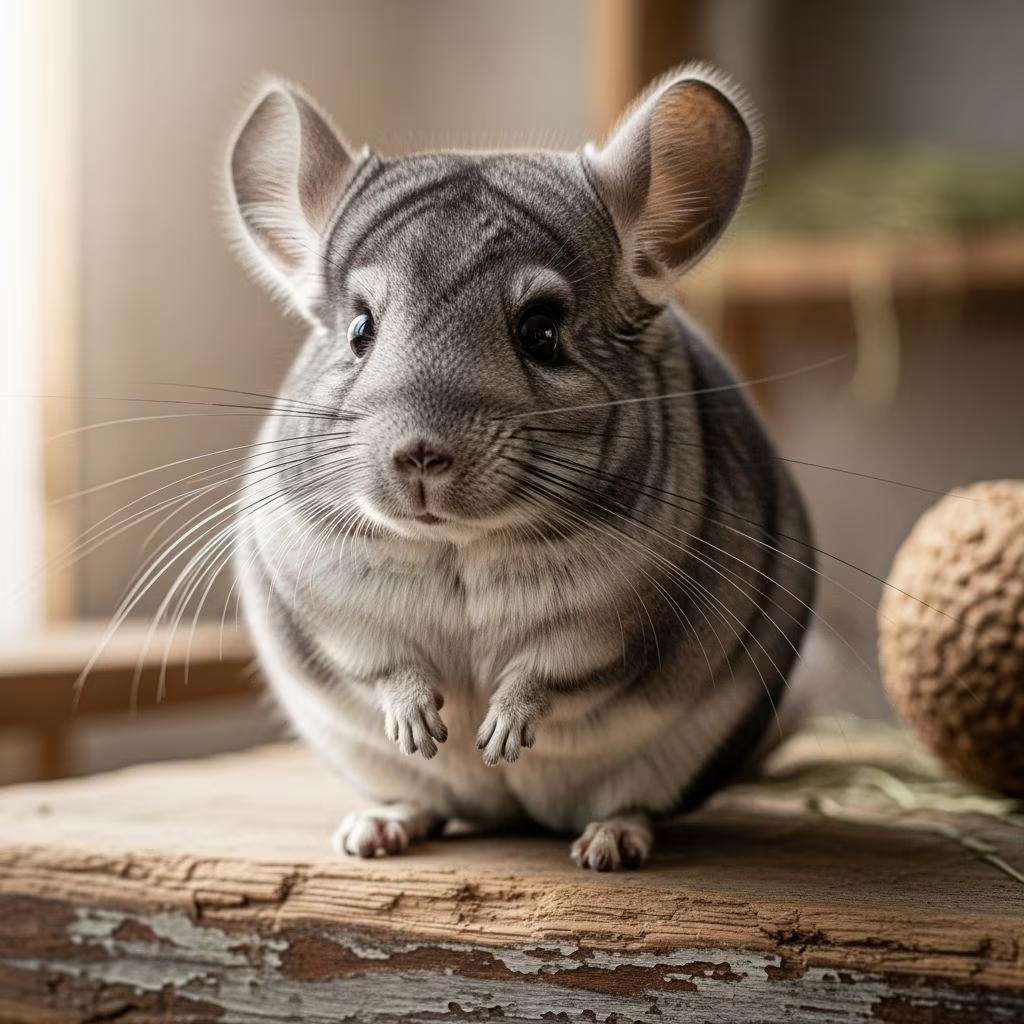
Chinchillas are increasingly becoming popular choices for pet owners seeking intelligent, engaging, and unique animal companions. While they may not be as common as dogs or cats, chinchillas offer a remarkable combination of qualities that make them exceptional pets for the right owner. These South American rodents have captivated pet enthusiasts worldwide with their playful personalities, distinctive appearance, and surprisingly long lifespans. Whether you’re a first-time small pet owner or an experienced animal keeper, understanding what makes chinchillas such wonderful companions can help you determine if one of these delightful creatures is right for your home.
1. Long Lifespan and Lasting Companionship
One of the most compelling reasons chinchillas make amazing pets is their impressive longevity compared to other small rodents. Chinchillas can live 10 to 15 years or even longer in captivity when properly cared for, providing owners with a decade-plus of companionship and memories. This extended lifespan means that adopting a chinchilla is not merely a short-term commitment but rather an investment in a long-term relationship. Unlike hamsters or gerbils that may only live two to four years, chinchillas offer stability and continuity in the pet-owner bond, allowing for deeper connections to form over time. This longevity also means that children growing up with a chinchilla may have a constant companion throughout their childhood and into their teenage years, creating lasting memories and responsibility lessons.
2. Intelligent and Entertaining Personalities
Chinchillas possess surprising intelligence and complex personalities that make them endlessly entertaining. These curious creatures are quick learners who can recognize their owners, respond to their names, and even learn simple tricks. They demonstrate problem-solving abilities, playful antics, and distinctive individual personalities that shine through once you spend time with them. Observing a chinchilla’s daily activities—whether they’re performing acrobatic jumps, exploring their environment, or interacting with toys—provides constant entertainment and engagement. Their intelligence also means they benefit from mental stimulation through interactive play and varied enrichment activities, making daily pet ownership an engaging and rewarding experience.
3. Hypoallergenic Qualities
For individuals with pet allergies, chinchillas offer an excellent alternative to traditional pets. Chinchillas produce minimal dander compared to dogs, cats, and many other small animals, making them a more suitable choice for allergy-prone households. Their hypoallergenic qualities stem from their unique fur structure and grooming habits. Since they don’t require water baths and instead use dust baths for hygiene, they produce fewer airborne allergens that trigger typical pet allergies. This makes chinchillas an ideal pet option for families where some members suffer from allergies but still desire an interactive animal companion. If you’ve always wanted a pet but thought allergies would prevent it, a chinchilla might be the perfect solution.
4. Minimal Odor and Easy Maintenance
Chinchillas are notably clean animals that produce minimal odor, making them excellent pets for apartment dwellers and those sensitive to smells. Unlike some small rodents that can develop strong, unpleasant odors, chinchillas naturally maintain hygiene through their unique dust bathing process. When their habitat is kept clean with regular spot cleaning and weekly deep cleaning, odor remains virtually undetectable. This characteristic makes chinchillas particularly suitable for smaller living spaces where pet odors might otherwise become problematic. Additionally, their cleanliness contributes to a more pleasant living environment for both the pet and their human family members, reducing the need for constant deodorizing or air purification efforts.
5. Quiet and Peaceful Nature
If you prefer a quiet household, chinchillas are an ideal pet choice. While they do vocalize occasionally—chirping, squeaking, and making soft sounds—these vocalizations are generally minimal and far less disruptive than barking dogs, chirping birds, or loud rodents like guinea pigs. Most chinchilla sounds are soft and pleasant to the ear. They are naturally calm animals that don’t require constant attention or engagement, yet they remain entertaining to observe. This quiet nature makes them perfect for noise-sensitive individuals, those living in apartments with noise restrictions, or families who prefer a peaceful household environment without the chaos often associated with more vocal pets.
6. Unique Physical Characteristics and Beauty
Chinchillas are undeniably striking and beautiful animals with distinctive physical features that set them apart from typical household pets. Their incredibly soft, dense fur is unlike anything else in the animal kingdom—so thick that parasites cannot penetrate it. Their large ears, prominent dark eyes, and compact bodies give them an adorable and appealing appearance. This visual uniqueness makes chinchillas conversation starters and sources of genuine interest from visitors and friends. Watching their luxurious fur flow as they move, observing their expressive eyes, and appreciating their graceful jumping abilities provides aesthetic enjoyment beyond what typical small pets offer. For many owners, their beauty alone justifies the choice to have a chinchilla as a pet.
7. Social and Affectionate Bonding
Despite their small size, chinchillas are capable of forming genuine bonds with their owners and displaying affection in their own unique ways. With proper socialization and consistent, gentle handling, chinchillas can become comfortable with their owners and seek interaction. They may sit on your shoulder, allow you to pet them, or approach you for attention. Respecting a chinchilla’s space and letting them come to you on their own terms, rather than forcing interaction, helps build trust and strong bonds. These relationships develop over time and can be deeply rewarding, providing the emotional connection that many people seek when choosing a pet. The process of earning a chinchilla’s trust and affection makes the eventual bond even more meaningful and special.
8. Acrobatic and Active Entertainment
Chinchillas are renowned for their incredible jumping ability and acrobatic movements, offering endless entertainment for their owners. These remarkable animals can jump up to six feet high and perform aerial flips and tricks with impressive agility. Watching a chinchilla navigate their habitat, bounce around a playpen, or explore their environment provides genuine amusement and joy. Their natural athleticism and playful nature mean that providing appropriate exercise opportunities benefits both their physical health and mental stimulation. Whether they’re launching themselves around their cage, sliding through tunnels, or investigating new enrichment items, chinchillas’ active nature ensures there’s always something entertaining to observe.
9. Lower Care Requirements Compared to Other Pets
While chinchillas do require dedicated care, their needs are generally more manageable than many pet options when broken down into daily tasks. Daily care typically involves providing fresh food and water, cage spot cleaning, and playtime—tasks that usually take an hour or two per day. Weekly responsibilities include full bedding changes and cage cleaning with soap and water. Compared to the demands of dog ownership—including multiple daily walks, training, and socialization—chinchilla care is relatively straightforward and can fit into most busy schedules. This makes them suitable for working professionals, students, and others who desire pet companionship without the extensive time commitment that many traditional pets require. Their independence, combined with their specific care needs, creates a balanced pet ownership experience.
10. Environmental and Economic Considerations
Choosing a chinchilla as a pet represents a more environmentally and economically sustainable choice compared to larger pets. Chinchillas consume significantly less food and resources than dogs or cats, resulting in a smaller environmental footprint. Their modest cage requirements mean less overall space consumption and utility usage for climate control. Veterinary costs, while important to maintain, are typically lower than for larger animals. Food expenses are minimal, and their longevity means the per-year cost of ownership is reasonable. Additionally, chinchillas do not require the extensive gear, training classes, or professional grooming services that many other pets demand. For economically conscious pet owners seeking to minimize their environmental impact while still enjoying meaningful animal companionship, chinchillas present an excellent option.
Essential Care Requirements for Chinchilla Owners
Understanding the specific needs of chinchillas is crucial before bringing one into your home. These animals require several key elements to thrive:
Housing and Environment
Chinchillas need a spacious, multi-level habitat with a solid floor to protect their feet. The cage should be temperature-controlled, kept between 60-70°F, with low humidity and no direct sunlight exposure. Provide hideouts, exercise wheels with solid surfaces, and multiple levels for climbing and exploration. Bedding should be soft and dust-free, such as paper-based materials, while avoiding cedar and pine which can harm their respiratory system.
Diet and Nutrition
A proper diet forms the foundation of chinchilla health. The majority of their diet should consist of fresh, unlimited Timothy hay or similar high-quality grass hay for digestive health and dental wear. Supplement with high-quality chinchilla pellets that contain necessary nutrients, avoiding mixes with dried fruits or seeds due to high sugar content. Provide fresh, clean, filtered water at all times in a bottle or bowl, changed daily. Treats should comprise no more than 1-10% of their diet and include items like rose hips, dried berry branches, or occasional small fruit pieces.
Grooming and Hygiene
Chinchillas must never be bathed in water, as their dense fur makes drying nearly impossible and can lead to fungal infections. Instead, provide dust baths using chinchilla-specific dust every few days, allowing 30 minutes outside the enclosure for bathing. Brush their coats weekly with a soft-bristled brush to remove loose fur and prevent tangles. Trim nails every 4-6 weeks using small animal nail clippers.
Cleaning and Sanitation
Spot clean the cage daily by removing soiled bedding, feces, and uneaten food. Change all bedding weekly and wash food/water bowls daily with soap and water. Deep clean the entire habitat monthly with hot soapy water, and disinfect periodically with a diluted bleach solution.
Chinchilla Compatibility and Best Practices
| Factor | Details |
|---|---|
| Handling | Always handle gently and with care; they are delicate creatures sensitive to stress. Spend daily time with them, talking softly and letting them come to you. |
| Socialization | Early, consistent socialization helps them become comfortable with handling and human interaction. Respect their individual personalities and boundaries. |
| Temperature Sensitivity | Chinchillas are highly sensitive to heat and require cool environments. Never expose them to temperatures above 75°F for extended periods. |
| Enrichment | Provide varied chew toys, tunnels, climbing structures, and exploration opportunities. Rotate toys regularly to maintain mental stimulation. |
| Veterinary Care | Schedule regular health checkups with an exotic animal veterinarian familiar with chinchilla care to ensure optimal health throughout their lives. |
Frequently Asked Questions
Q: How much space do chinchillas need?
A: Chinchillas require spacious, multi-level habitats with plenty of room to jump and explore. A minimum enclosure should be large enough to accommodate multiple levels, exercise wheels, hideouts, and enrichment items. Larger is always better for these active animals.
Q: Can chinchillas live together?
A: Chinchillas are social animals and can live together if properly introduced and compatible. However, they may also thrive living alone. Housing decisions should be based on individual personality and the owner’s ability to manage multiple animals.
Q: What is the ideal temperature for chinchillas?
A: Chinchillas thrive in cool environments between 60-70°F with low humidity. They are extremely sensitive to heat and can suffer heat stress or death if exposed to temperatures consistently above 75°F.
Q: Do chinchillas require veterinary care?
A: Yes, regular veterinary checkups with an exotic animal veterinarian familiar with chinchilla care are essential for maintaining health, preventing illness, and addressing any concerns that arise during their 10-15 year lifespan.
Q: How do I know if my chinchilla is healthy?
A: Healthy chinchillas are active, alert, and playful with bright eyes. They should maintain a healthy weight, have clean fur without bald patches, and produce regular droppings. Any changes in behavior, eating habits, or appearance warrant veterinary attention.
Q: What should I avoid feeding chinchillas?
A: Avoid foods high in sugar, calcium, or fat, including chocolate, nuts, dried fruits in excess, and seeds. Never feed chinchillas avocado, dairy products, or any foods toxic to small animals. Stick to high-quality pellets, timothy hay, and approved treats.
Q: Are chinchillas good pets for children?
A: Chinchillas can be suitable for older children (ages 8+) who understand gentle handling and respect for animals. Younger children may find their delicate nature challenging. Supervision and education about proper care are essential for successful child-chinchilla interactions.
References
- Ultimate Guide to Chinchilla Care — Aloha Animal Hospital. 2025-03-15. https://alohavegasvets.com/2025/03/15/ultimate-guide-to-chinchilla-care/
- Chinchilla Care Guide: Housing, Diet, and Daily Care — PetMD. https://www.petmd.com/exotic/chinchilla-care-sheet
- Chinchilla 101: How to Care for Your New Pet Chinchilla — Andy.pet. https://andy.pet/blogs/all/chinchilla-101-how-to-care-for-your-new-pet-chinchilla
- Caring for Your Chinchilla — Oxbow Animal Health. 2024-03. https://oxbowanimalhealth.com/wp-content/uploads/2024/03/Chinchilla-Care-Guide-Feb-2024.pdf
- Caring for Your Chinchilla — Pet Advocacy Network. 2022-01. https://petadvocacy.org/wp-content/uploads/2022/01/Chinchilla-Care-Sheet.pdf
- Chinchilla Care Guide | Wellbeing Advice — Blue Cross. https://www.bluecross.org.uk/advice/chinchilla/chinchilla-care
- Basic Pet Care: Chinchilla — YouTube. https://www.youtube.com/watch?v=G2iavoFcKDY



