

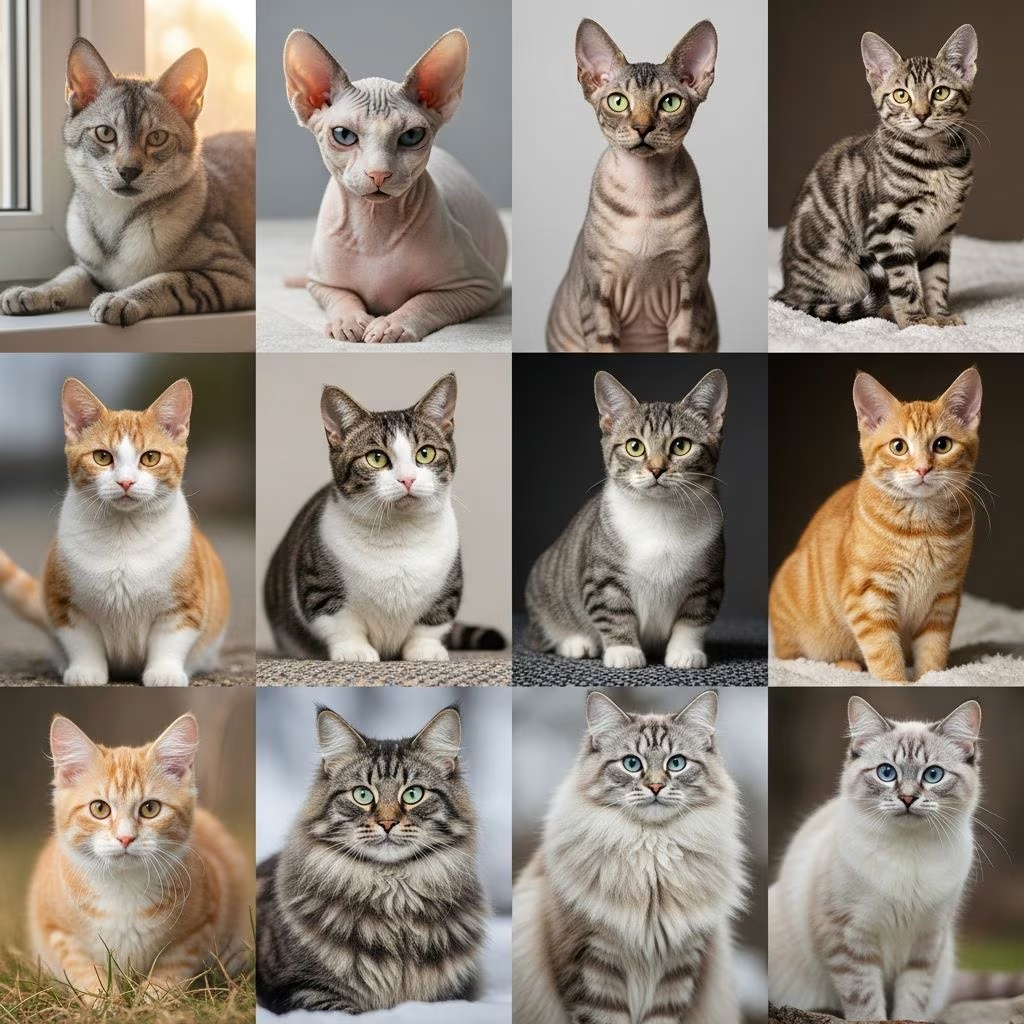
10 Rare Cat Breeds: Discover Unique Feline Companions
The world of feline companionship extends far beyond the common domestic tabby or orange cat. For those seeking something truly extraordinary, rare cat breeds offer striking appearances, captivating personalities, and rich histories that set them apart from their more common counterparts. Whether you’re drawn to unusual physical features, distinctive temperaments, or the allure of owning something uncommon, rare cat breeds present an exciting world of possibilities.
Rare cat breeds represent a fascinating niche in the feline world, combining genetic uniqueness with carefully developed breeding programs. These cats often possess characteristics so distinctive that they immediately capture the attention of anyone who encounters them. Understanding what makes these breeds special requires exploring their physical attributes, personality traits, and the reasons they remain relatively uncommon in most households.
What Makes Rare Breeds Stand Out?
Rare cat breeds possess characteristics that distinguish them from mainstream varieties in multiple dimensions. Their appeal stems from a combination of exceptional physical traits, unique behavioral patterns, and often fascinating historical backgrounds. Whether it’s an unusual coat texture, distinctive facial features, or a captivating personality, these breeds command attention and admiration from cat enthusiasts worldwide.
Unique Physical Traits
The most immediately noticeable aspect of rare cat breeds is their striking physical appearance. The Scottish Fold, for instance, possesses adorable folded ears that give them an owl-like appearance, resulting from a natural genetic mutation that makes this breed highly sought after despite its relative scarcity. This distinctive trait has made Scottish Folds beloved among those who appreciate unusual aesthetics in feline companions.
Another visually distinctive breed is the Peterbald, originating from Russia and known for its elegant, hairless appearance. These cats can range from completely bald to having short, velvety coats, making them dramatically different from typical domestic cats. The Egyptian Mau presents yet another remarkable appearance, featuring an exotic and striking spotted coat with a shimmering finish comparable to wild cats. With spots that appear only on the tips of their fur and hind legs longer than the front, Egyptian Maus create an instantly recognizable silhouette.
The LaPerm stands out with its distinctive curly coat, a result of genetic mutation, featuring fur that can range from tight ringlets to loose waves, with kinked eyebrows and curled whiskers that add to their unique charm. Meanwhile, the Lykoi cat, also known as the werewolf cat, presents a striking appearance with wispy, wiry black and white fur combined with partial hairlessness.
Distinct Temperaments
Beyond their physical appearance, rare cat breeds exhibit temperaments that are equally remarkable. The LaPerm, with its distinctive curly fur, is renowned for its affectionate and people-loving personality, being particularly attuned to their owners’ emotions and making them wonderful companions. These active and affectionate cats enjoy participating in all aspects of family life, often following people around the house and offering gentle taps on the face to express their affection.
In contrast, the Sokoke, originating from Kenya, possesses a more independent and wild temperament. With agile movements and keen senses, the Sokoke’s personality reflects its roots in the wild forests of Africa. The Korat, considered good luck in its native Thailand, exhibits loyal and energetic characteristics, loving to run, pounce on feather toys, and fetch objects, with a notable knack for problem-solving and even opening cabinet doors.
The Havana Brown thrives on human companionship and is highly affectionate with its people, displaying a curious nature and often exploring objects with an extended paw or investigating new sounds, though always ready for a nap beside their favorite human. The Burmilla is charming and independent, loving attention and not shy about expressing when they need more interaction, with a quiet and gentle nature that makes them wonderful family pets.
Historical Significance
Many rare breeds carry rich histories that add to their mystique and appeal. The Chartreux, an ancient breed from France, was reportedly the companion of monks in the Chartreuse mountains, with legends suggesting these blue-gray cats have existed for centuries, contributing significantly to their allure. Despite being the national cat of France, the Chartreux remains relatively rare in the US and Canada, with their round heads, full cheeks, and permanent smile giving them a distinct appearance.
The Kurilian Bobtail traces its roots back more than 200 years to short-tailed cats that lived on the Kuril Islands in Russia, developing its distinctive short, pompom tail that can be kinked, curved, or spiraled. The Abyssinian is recognized as an ancient breed known for its reddish fur, with colors ranging from cinnamon to blue, displaying exceptional playfulness and intelligence.
Profiles of 10 Rare Cat Breeds
1. Scottish Fold
The Scottish Fold’s most distinctive feature is its unique folded ears, creating an endearing owl-like appearance. This natural genetic mutation makes them one of the most sought-after breeds despite their relative rarity. Scottish Folds are adaptable, intelligent, and affectionate, making them suitable for various living situations. They require moderate grooming and generally enjoy interactive play with their families.
2. Kurilian Bobtail
Originating from the Kuril Islands of Russia, the Kurilian Bobtail is characterized by its distinctive short, pompom-like tail that can take various shapes. These adaptable cats have outgoing personalities and laid-back natures, making them perfect for many families. They are smart, easy to train, and possess a goofy personality that entertains their humans. With keen mousing skills and impressive jumping abilities, Kurilian Bobtails are active companions.
3. Burmilla
The Burmilla’s most striking feature is its shimmering silver coat, resulting from an accidental cross between a Burmese and Chinchilla Persian that inspired its own breeding program. Beyond their stunning appearance, Burmillas are known for their charming personalities and independent spirits. They love attention and openly express when they desire more interaction, with quiet and gentle natures that make them wonderful family pets.
4. Havana Brown
With its deep chocolate coat, the Havana Brown is an undeniable head-turner. Though its origins date to the late 19th century, the modern breeding program began in the 1950s. Havanas thrive on human companionship and are highly affectionate with their people, displaying curious natures and exploring objects with extended paws or investigating new sounds.
5. Korat
In its native Thailand, the Korat is considered good luck. These loyal, energetic cats love to run, pounce on feather toys, and fetch objects. They excel at problem-solving and have been known to open cabinet doors. The Korat features a beautiful silver-tipped coat and is the only cat breed with a heart-shaped head, making them uniquely appealing.
6. LaPerm
The LaPerm’s curly coat was surely enviable when the breed originated in 1982. In addition to their distinctive curly fur, LaPerms have kinked eyebrows and curled whiskers. These active and affectionate cats are equally happy playing as napping beside their humans, and they like participating in all aspects of family life, often following people around the house.
7. Chartreux
Despite being the national cat of France, the Chartreux is relatively rare in the US and Canada. Their round heads, full cheeks, and permanent smile give them a distinct appearance. These highly intelligent cats can learn tricks and rarely meet a puzzle toy they cannot master. They are a low-key, quiet breed that adores their humans without requiring constant attention.
8. Lykoi (Werewolf Cat)
The Lykoi’s werewolf-like appearance is its most distinctive feature. This relatively new breed has a genetic mutation causing partial hairlessness. Lykois love spending time with their humans but can easily entertain themselves if left alone. They enjoy hunting toys, playing fetch, and chasing around the house, making them suitable for high-energy households that prioritize playtime.
9. Egyptian Mau
The Egyptian Mau is exotic and striking, known for its shimmering spotted coat with short, soft, and extremely glossy fur that resembles wild cats. The spots are randomly placed and vary in size, giving each cat a unique appearance. Most Egyptian Maus come in silver or bronze colors, with silver coats being particularly eye-catching.
10. Abyssinian
This ancient breed is known for its reddish fur, though colors can range from cinnamon to blue. Very playful and inquisitive, Abyssinians will accompany you around the house and yard. They are intelligent cats that love games and will even play fetch, making gentle trilling sounds when they communicate. These cats grow very attached to their owners and require lots of affection, attention, and active play.
Why Are These Breeds So Rare?
Several factors contribute to the rarity of these distinctive cat breeds. Limited breeding programs, geographic isolation of origin locations, and specific genetic requirements all play roles in their scarcity. Many rare breeds are relatively new, with breeding programs established only recently. Additionally, the cost associated with acquiring rare breeds from specialized breeders can limit their availability to the general population, contributing to their exclusive status among feline enthusiasts.
Considering a Rare Breed: What You Should Know
If you’re considering adding a rare cat breed to your family, several important factors deserve consideration. First, research the breed’s specific care requirements, as some rare breeds have unique grooming, dietary, or environmental needs. Second, locate reputable breeders who prioritize the health and welfare of their animals rather than seeking cats from potentially unethical sources. Third, understand the financial commitment, as rare breeds often command higher prices and may have specialized health care needs.
Additionally, consider whether the breed’s personality and activity level match your lifestyle. Some rare breeds, like the Abyssinian and Lykoi, require significant mental and physical stimulation, while others, like the Chartreux, are content with a quieter lifestyle. Finally, be prepared for potential health considerations associated with genetic mutations that create their distinctive appearances, and establish relationships with veterinarians experienced in caring for rare breeds.
The Appeal of Rare Cat Breeds
The attraction to rare cat breeds extends beyond mere novelty. These cats offer unique personalities, striking appearances, and the satisfaction of owning something truly special and uncommon. They represent the diversity and complexity of feline genetics and the dedicated work of breeders committed to preserving and developing distinctive breed characteristics. Whether you’re drawn to the whimsical appearance of the Lykoi, the elegant presence of the Egyptian Mau, or the affectionate nature of the LaPerm, rare cat breeds provide opportunities for meaningful connections with truly extraordinary feline companions.
Frequently Asked Questions
Q: What is the rarest cat breed in the world?
A: Determining the rarest breed is challenging, as rarity varies by region and breeding program activity. However, breeds like the Peterbald, Sokoke, and some newly developed breeds are among the world’s rarest, with limited numbers of registered cats.
Q: Are rare cat breeds more expensive than common breeds?
A: Yes, rare cat breeds typically cost significantly more than common breeds due to limited breeding programs, specialized care requirements, and the exclusivity associated with their scarcity. Prices can range from $600 to several thousand dollars depending on the breed.
Q: Do rare cat breeds have more health problems?
A: Some rare breeds, particularly those with distinctive physical features resulting from genetic mutations (like the Sphynx or Scottish Fold), may be prone to specific health issues. It’s crucial to research breed-specific health concerns and work with reputable breeders who conduct health screening.
Q: Are rare cat breeds good for families with children?
A: Many rare breeds, such as the Kurilian Bobtail and Chartreux, are excellent family companions when properly socialized. However, temperament varies by breed, so research individual breed characteristics and ensure proper introductions and supervision.
Q: How do I find a reputable breeder for a rare cat breed?
A: Research breed-specific cat associations, ask for health testing documentation, visit the breeder’s facility if possible, check references from previous buyers, and ensure the breeder prioritizes cat health and welfare over profit.
Q: Do rare cat breeds require special grooming?
A: Grooming requirements vary significantly by breed. Curly-coated breeds like LaPerms require regular brushing to prevent matting, while hairless breeds need special skin care. Always research specific grooming needs before committing to a breed.
References
- The History and Characteristics of Rare Cat Breeds — Pawrpose. 2024-10-22. https://pawrpose.org/2024/10/22/the-history-and-characteristics-of-rare-cat-breeds/
- 10 Rare Cat Breeds You Might Not Know About — Wisdom Panel. https://www.wisdompanel.com/en-us/blog/10-rare-cat-breeds
- Ten Popular Cat Breeds and Their Personalities — Animal Care Center. https://www.animalcarectr.com/blog/ten-popular-cat-breeds-and-their-personalities
- 7 Cat Breeds With Unique Coats: Rare Fur And Wild Beauty — World Animal Foundation. https://worldanimalfoundation.org/cats/best-stunning-cat-breeds-with-unique-coats/
- Traits Make the Cat — Way of Cats. https://www.wayofcats.com/blog/traits-make-the-cat/34211



