

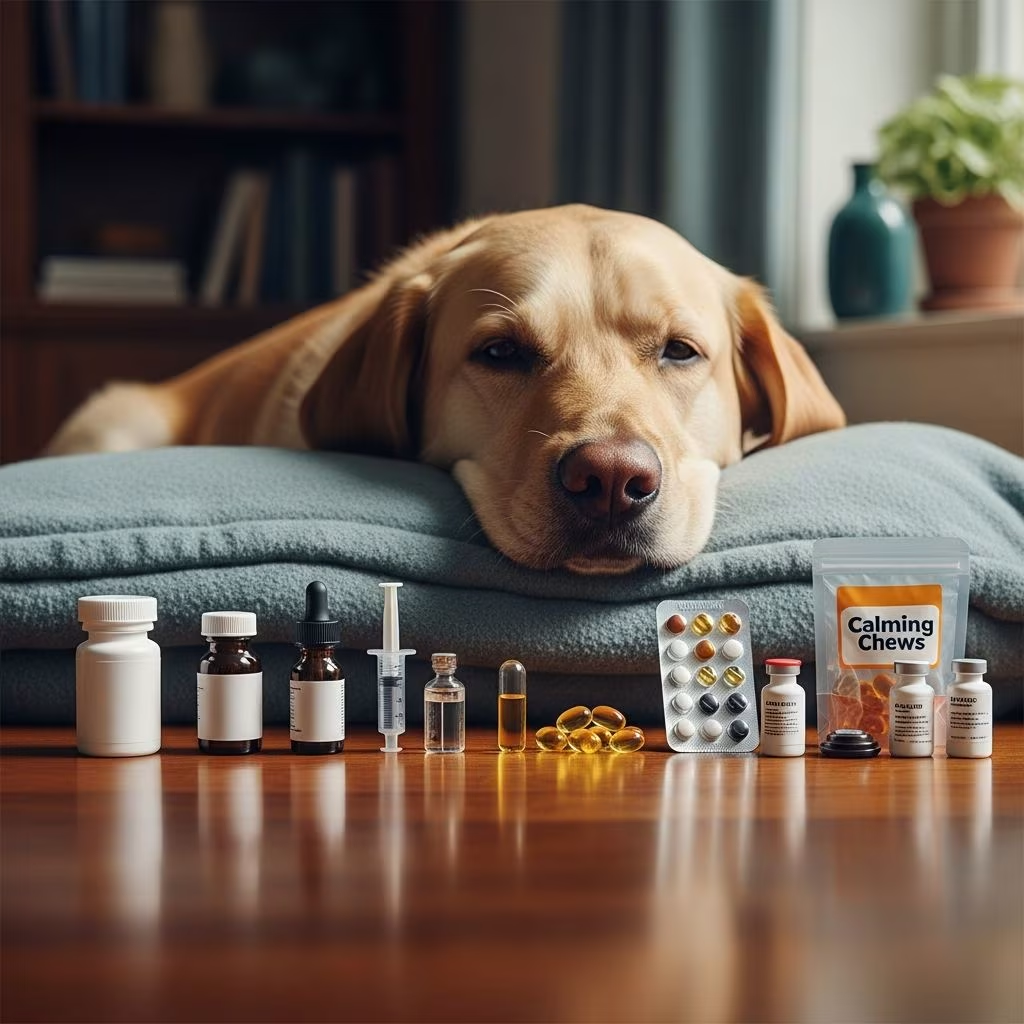
Understanding Dog Anxiety and Medication Options
Anxiety is a common concern for many dog owners, and when behavioral modifications alone aren’t sufficient, veterinarians may recommend prescription medications to help manage symptoms. Anxiety in dogs can manifest as excessive barking, destructive behavior, aggression, or withdrawal, often triggered by thunderstorms, separation, social situations, or other environmental factors. Fortunately, several FDA-approved and commonly prescribed medications can help alleviate these symptoms and improve your dog’s quality of life. This comprehensive guide explores ten of the most widely used anxiety medications for dogs, their mechanisms of action, appropriate uses, and potential side effects.
Benzodiazepines: Fast-Acting Anti-Anxiety Medications
1. Alprazolam (Xanax)
Medication Type: Benzodiazepine (sedative)
Common Brand Names: Alprazolam Intensol, Niravam, Xanax
Alprazolam is a benzodiazepine commonly prescribed for dogs experiencing moderate to severe anxiety. This medication works by enhancing the effects of neurotransmitters that calm the brain. Alprazolam can be used on an as-needed basis to address situational anxiety, such as anxiety triggered by thunderstorms, fireworks, or other predictable stressors. It can also be used alongside daily anxiety medications for comprehensive anxiety management.
Common Side Effects: Lethargy, sedation, incoordination, increased appetite, and drowsiness are typical side effects. Most dogs tolerate alprazolam well, though some may experience paradoxical reactions such as increased agitation.
2. Diazepam (Valium)
Medication Type: Benzodiazepine
Common Brand Name: Valium
Diazepam is a versatile benzodiazepine with multiple therapeutic applications for anxious dogs. Beyond anxiety relief, it functions as a muscle relaxant, appetite stimulant, and seizure-control medication. Diazepam is particularly effective for dogs with panic disorders, severe noise aversion, and specific phobias. When given in advance of known anxiety-triggering events, diazepam can significantly reduce anxiety symptoms and help prevent panic responses.
Common Side Effects: Increased appetite, lack of coordination, sleepiness, and weakness are frequently observed. Less commonly, some dogs may experience aggression or agitation. It is important to monitor your dog’s response closely during initial treatment.
3. Lorazepam (Ativan)
Medication Type: Benzodiazepine
Common Brand Name: Ativan
Lorazepam is prescribed for dogs with situational anxiety and works by depressing activity in certain parts of the central nervous system. This medication should be administered in advance of known anxiety-triggering events for optimal effectiveness. Available in both pill and liquid forms, lorazepam offers flexibility in administration, making it convenient for dogs that have difficulty swallowing tablets.
Tricyclic Antidepressants: Long-Term Anxiety Management
4. Amitriptyline
Medication Type: Tricyclic antidepressant
Common Brand Names: Elavil, Levate
Amitriptyline is a tricyclic antidepressant prescribed to treat behavior disorders including generalized anxiety disorder and separation anxiety in dogs. This medication increases the levels of serotonin and norepinephrine in the brain, which help improve mood and reduce anxiety. Unlike benzodiazepines, amitriptyline is intended for daily use and may require several weeks to reach full effectiveness.
Common Side Effects: Constipation, drowsiness or sedation, vomiting, diarrhea, and urinary retention are frequently reported. Less common side effects include hyperexcitability and irregular heart rhythms. Rarely, seizures may occur. Amitriptyline is not suitable for dogs with diabetes or certain cardiac conditions.
5. Clomipramine (Clomicalm)
Medication Type: Tricyclic antidepressant
Common Brand Names: Anafranil, Clofranil, Clomicalm, Clopram, Clopress, Equinorm, Hydiphen, Maronil, Novo-Clomipramine, Placil, Tranquax, Zoiral
Clomipramine is an FDA-approved tricyclic antidepressant specifically designed for treating separation anxiety in dogs, though it is also effective for generalized anxiety, storm phobia, noise phobias, and compulsive behaviors. This medication works best when combined with behavior modification training. Clomipramine may require up to two months of consistent use before veterinarians can accurately assess its effectiveness for your individual dog.
Common Side Effects: Constipation, diarrhea, dry mouth, elevated liver enzymes, lack of appetite, tiredness, and vomiting. More serious side effects include agitation and fast heartbeat. Regular monitoring through veterinary check-ups is recommended during treatment with clomipramine.
Selective Serotonin Reuptake Inhibitors (SSRIs): Modern Anxiety Treatment
6. Fluoxetine (Prozac, Reconcile)
Medication Type: Selective serotonin reuptake inhibitor (SSRI)
Common Brand Names: Prozac, Reconcile, Sarafem
Fluoxetine is an FDA-approved SSRI medication specifically formulated for treating separation anxiety in dogs. This medication increases serotonin levels in the brain, which promotes a sense of calm and well-being. Beyond separation anxiety, fluoxetine is effective for general anxiety, compulsive behaviors, noise phobias, and fear-based aggressive behaviors. Reconcile is the veterinary-specific formulation approved for dogs, while Prozac is the human version sometimes prescribed off-label.
Key Benefits: Fluoxetine works best when combined with behavior-modification training. It typically requires three to four weeks to reach full therapeutic effect, so patience is essential during the initial treatment phase.
7. Sertraline (Zoloft)
Medication Type: Selective serotonin reuptake inhibitor (SSRI)
Common Brand Name: Zoloft
Sertraline is prescribed to dogs suffering from generalized anxiety, separation anxiety, thunderstorm phobia, and fear-based aggressive behaviors. Like other SSRIs, sertraline works by increasing serotonin levels in the brain to promote emotional stability and reduce anxiety responses. This medication is intended for daily use and should be administered consistently for optimal results.
Common Side Effects: Diarrhea, irritability, lack of appetite, panting, shaking, difficulty sleeping, and vomiting may occur. These side effects typically diminish over time as the dog’s body adjusts to the medication.
8. Paroxetine (Paxil)
Medication Type: Selective serotonin reuptake inhibitor (SSRI)
Common Brand Names: Brisdelle, Paxil
Paroxetine is suitable for treating generalized anxiety and anxiety-related behaviors in dogs. This SSRI may be prescribed for various anxiety-related conditions including fear of noises, self-mutilation behaviors such as excessive fur pulling, compulsive licking, and in some cases, aggression. Like other SSRIs, paroxetine increases serotonin levels to promote emotional balance and reduce anxiety symptoms.
Other Anxiety Medications
9. Buspirone
Medication Type: Azapirone anti-anxiety medication
Common Brand Names: BuSpar, Bustab
Buspirone is an azapirone-class anti-anxiety medication prescribed for behavior disorders such as social anxiety, mild generalized anxiety, and phobias. Unlike benzodiazepines, buspirone does not cause sedation and works through a different mechanism to reduce anxiety. This medication requires continuous administration to be effective and is not suitable for treating specific situational anxieties such as thunderstorm phobias or visitor-related anxiety.
Common Side Effects: Decreased appetite, vomiting, agitation or pacing, grogginess, and slow heart rate. Buspirone typically requires four to six weeks of consistent use to achieve full therapeutic benefits.
10. Gabapentin
Medication Type: Anticonvulsant (anti-seizure) analgesic
Common Brand Names: Aclonium, Equipax, Fanatrex, Gabarone, Gralise, Neurontin, Progresse
Gabapentin is an anticonvulsant medication that is also prescribed for anxiety management in dogs. While originally developed as an anti-seizure medication, gabapentin has demonstrated effectiveness in reducing anxiety symptoms. It can be used alone or in combination with other anxiety medications for comprehensive treatment approaches.
Common Side Effects: Lack of coordination, sleepiness, and sedation are the primary side effects. Most dogs tolerate gabapentin well, and side effects typically diminish with continued use.
Medication Comparison Table
| Medication | Type | Primary Uses | Administration |
|---|---|---|---|
| Alprazolam | Benzodiazepine | Moderate-severe situational anxiety | As-needed |
| Diazepam | Benzodiazepine | Panic disorders, noise aversion | As-needed |
| Amitriptyline | Tricyclic antidepressant | Separation anxiety, generalized anxiety | Daily |
| Clomipramine | Tricyclic antidepressant | Separation anxiety, compulsive behaviors | Daily |
| Fluoxetine | SSRI | Separation anxiety, compulsive behaviors | Daily |
| Sertraline | SSRI | Generalized anxiety, thunderstorm phobia | Daily |
| Paroxetine | SSRI | Generalized anxiety, aggressive behaviors | Daily |
| Buspirone | Azapirone | Social anxiety, mild anxiety | Daily |
| Gabapentin | Anticonvulsant | General anxiety, pain | Daily |
| Lorazepam | Benzodiazepine | Situational anxiety | As-needed |
Important Considerations and Side Effects
When considering anxiety medications for your dog, it is crucial to understand potential side effects and drug interactions. Some medications may interact negatively with foods or other substances. For example, serotonin syndrome can occur when antidepressants are combined with certain foods like cheese or substances containing L-tryptophan, or when used with other serotonin-affecting drugs.
The timeframe for effectiveness varies significantly depending on the medication class. Benzodiazepines like alprazolam and diazepam work within 30 minutes to an hour, making them ideal for situational anxiety. In contrast, SSRIs and tricyclic antidepressants typically require three to six weeks to achieve full therapeutic benefits, so patience is essential during initial treatment phases.
Your veterinarian will consider your dog’s overall health status, existing medical conditions, and concurrent medications when selecting an anxiety medication. Some medications like amitriptyline are contraindicated in dogs with diabetes, while others may affect liver function and require regular monitoring through blood work.
Complementary Calming Aids
Beyond prescription medications, several over-the-counter supplements and calming aids may support anxiety management. Common calming ingredients like L-theanine, melatonin, probiotics, and alpha-casozepine have shown promise in reducing anxiety symptoms in some dogs. Products containing L-theanine, such as Solliquin chews, Composure chews, and Anxitane tablets, are designed for daily use and may require four to six weeks to demonstrate therapeutic effects.
Frequently Asked Questions
Q: How long does it take for anxiety medications to work in dogs?
A: Benzodiazepines work within 30 minutes to an hour, making them ideal for situational anxiety. SSRIs and antidepressants typically require three to six weeks of consistent use to reach full effectiveness.
Q: Can I combine behavioral training with anxiety medications?
A: Yes, combining behavioral modification training with medication typically produces the best results. Medications help reduce anxiety levels, making dogs more receptive to training and behavior modification techniques.
Q: Are there any drug interactions I should be aware of?
A: Yes, certain medications can interact with anxiety medications. Always inform your veterinarian about all medications and supplements your dog is taking. Some foods and substances can also interact with certain medications, so discuss dietary considerations with your vet.
Q: How do I know if my dog needs anxiety medication?
A: If your dog exhibits excessive anxiety symptoms that interfere with daily functioning and do not improve with behavior modification techniques alone, consult your veterinarian about medication options.
Q: Can I stop anxiety medication abruptly?
A: No, anxiety medications should never be stopped abruptly without veterinary guidance. Your veterinarian will provide instructions for gradually tapering medication to prevent withdrawal symptoms or anxiety rebound.
Q: What should I do if my dog experiences side effects?
A: Contact your veterinarian immediately if your dog experiences severe side effects. Minor side effects often diminish over time, but your veterinarian may adjust dosage or switch to a different medication if necessary.
References
- 10 Most Common Anxiety Medications for Dogs — Chewy Education. Accessed November 2025. https://www.chewy.com/education/dog/health-and-wellness/anxiety-meds-for-dogs
- Medications for Treating Dog Anxiety — Northgate Veterinary Clinic, Seattle. March 30, 2022. https://www.northgateveterinary.com/site/blog/2022/03/30/dog-anxiety-medications
- Side Effects of Anxiety Medications in Dogs — PetMD. https://www.petmd.com/dog/conditions/neurological/c_dg_serotonin_syndrome
- Calming Aids For Dogs — PetMD. https://www.petmd.com/dog/behavior/dog-calming-products-help-ease-dog-anxiety
- Dog Anxiety: Signs, Causes, and Treatment — PetMD. https://www.petmd.com/dog/conditions/behavioral/dog-anxiety
- Buspirone for Dogs — PetMD Medications. https://www.petmd.com/pet-medication/buspirone-dogs



