

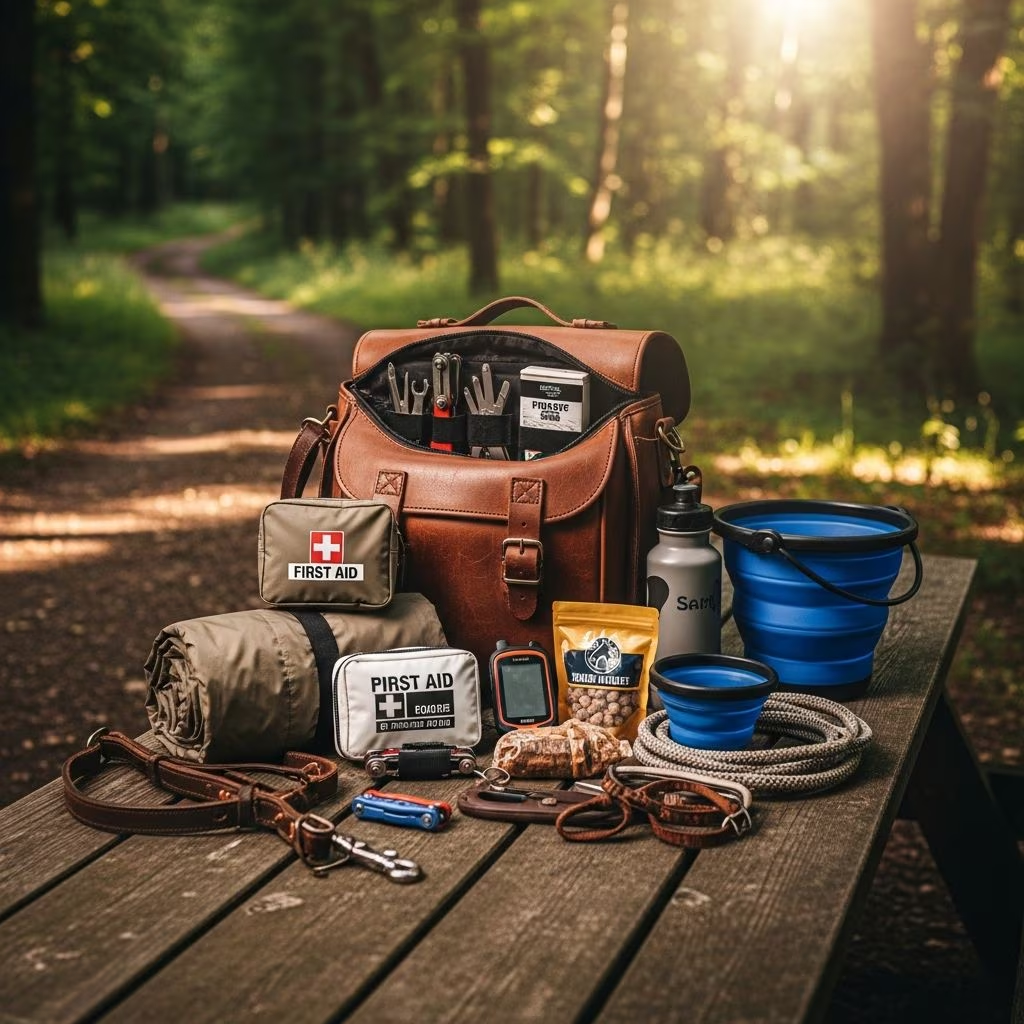
10 Essentials to Pack When Taking Your Horse Trail Riding
Trail riding offers an exciting way to explore nature while bonding with your horse. However, preparation is key to ensuring both you and your equine companion have a safe, comfortable experience. Whether you’re planning a short day ride or a longer adventure, knowing what to pack can make the difference between an enjoyable outing and an uncomfortable one. This comprehensive guide covers the 10 essential items every trail rider should bring along.
1. Food and Water
Water is absolutely critical when trail riding, particularly on hot days. Proper hydration keeps your horse healthy and performs better during your ride. Before heading out, determine whether natural water sources are available along your trail or at the trailhead. If water access is uncertain, bring your own supply to offer your horse before you depart and when you return.
For extended rides or hot weather conditions, plan to bring at least five gallons of water for your horse. On particularly warm days, consider increasing this to ten gallons. A collapsible water bucket makes it easy to transport and offer water to your horse during breaks. Any leftover water can serve a dual purpose—you can use it to rinse off your horse’s back after a long ride, which helps cool them down and removes dried sweat.
While carrying hay along during an actual ride may be impractical, hanging a hay net at your trailer allows your horse to eat while tied up during lunch breaks or rest periods. This keeps your horse content and occupied, reducing anxiety about being separated from their herd or usual routine.
2. Sunscreen
Sun protection is essential for trail riders, especially during extended outdoor exposure. Sunscreen protects your skin from harmful UV rays that can cause painful burns and long-term damage. Apply sunscreen generously to any exposed skin before heading out, and reapply it throughout your ride, particularly after sweating or if you stop for a break.
Beyond personal sunscreen, consider the sun’s impact on your horse as well. Horses with pink noses or light-colored facial markings are particularly susceptible to sunburn. Some riders choose to apply equine-safe sunscreen to these sensitive areas, though shade from a fly mask or grazing muzzle can provide additional protection during rest breaks.
3. Fly Protection
Insects can be a significant nuisance on the trail, affecting both you and your horse’s comfort and performance. Fly spray designed for horses is essential for protecting your equine companion from biting insects like flies, mosquitoes, and gnats. Quality fly sprays can also repel other pests and provide relief from irritation.
Don’t forget about yourself—pack insect repellent containing DEET or other proven active ingredients to keep bugs away from your exposed skin. Insects aren’t just annoying; they can distract your horse, cause them to spook, and potentially transmit diseases. A horse dealing with relentless fly bites may become anxious, making trail navigation more challenging.
Consider bringing a fly sheet and fly mask as additional protective gear. Modern fly sheets are often lightweight, breathable, and waterproof, allowing your horse to stay protected without overheating. If your horse will be tied at the trailhead or trailer during breaks, these items provide valuable protection during stationary periods.
4. Mobile Phone with Mapping App
In today’s connected world, your mobile phone is one of your most valuable trail riding tools. A smartphone with a reliable mapping application helps you navigate unfamiliar trails and ensures you don’t get lost. Before your ride, download offline maps of your intended riding area—this ensures you can navigate even if cellular service is unavailable.
Your phone is also your lifeline in emergencies. Having it accessible allows you to call for help if you or your horse becomes injured or stuck. Consider using a dedicated phone holster designed for trail riding, such as The Horse Holster, which keeps your phone easily accessible without bouncing around in your pocket or getting damaged.
Beyond navigation and safety, your phone’s camera lets you capture memories of your ride. However, prioritize safety—avoid excessive phone use while mounted and stay focused on your horse and surroundings.
5. Hoof Pick
A hoof pick is an absolute must-have for any trail ride, regardless of distance. Horses frequently pick up stones, dirt, sticks, and other debris in their hooves while on the trail. Packed material in the hoof can cause discomfort, lameness, or more serious issues like bruising or infection.
Carrying a hoof pick allows you to clean your horse’s hooves during your ride if they become uncomfortable or start limping. A quality hoof pick features a strong steel hook designed to thoroughly clean the sole and remove compacted material. Keep it easily accessible in your saddle bag or attach it to your belt so you can quickly address any hoof issues.
Regular hoof inspection during your ride also helps you identify potential problems early, allowing you to address issues before they become serious. Make hoof picking part of your post-ride routine as well, checking each hoof thoroughly for injuries or embedded objects.
6. Protective Riding Gear
Proper protective gear is fundamental to safe trail riding. Your riding helmet is non-negotiable—it protects your head in case of falls or accidents. Look for helmets meeting ASTM or SEI safety standards, which ensure they’ve been tested and certified for impact protection.
Beyond helmets, invest in sturdy riding gloves to protect your hands from underbrush, low-hanging branches, and rough reins. Gloves provide grip, reduce friction, and protect your skin from scratches and blisters. Closed-toe boots with a slight heel are essential for keeping your feet secure in the stirrups and preventing them from slipping through.
Weather-appropriate layers ensure comfort throughout your ride. A long-sleeved shirt provides sun protection and guards against brush contact. In cooler weather, breathable base layers and a lightweight jacket maintain body temperature without restricting movement. Riding breeches or long pants protect your legs from sun exposure and vegetation.
7. Grooming Tools and Supplies
A comprehensive grooming kit is essential for maintaining your horse’s comfort during and after trail rides. Pack brushes, a sweat scraper, towels, and a sponge to clean your horse after your ride. These tools help remove dried sweat, dirt, and debris that can cause skin irritation if left on your horse’s coat overnight.
A quality grooming kit, such as the Oster Equine Care 7-piece set, provides the necessary tools for thorough cleaning. After a long ride where your horse has sweated significantly, use a sweat scraper to remove excess moisture and then wash your horse with water and a sponge. This cooling process helps regulate body temperature and prevents discomfort.
Grooming supplies also serve a functional purpose beyond cleanliness. Brushing helps you identify potential injuries, skin issues, or pain points that warrant veterinary attention. Regular grooming inspection keeps your horse healthy and allows early detection of problems.
8. Comfortable Overnight Halter
If you’re planning to tie your horse at the trailhead or overnight location, pack a comfortable halter specifically designed for extended wear. A poorly fitting halter can cause pressure points, rubs, and discomfort, particularly during overnight use.
Breakaway halters offer additional safety benefits—if the halter catches on brush, a branch, or other obstacles during the night, the halter breaks rather than trapping your horse. This design prevents serious injuries that could result from your horse panicking while caught. Weaver Leather’s Adjustable Breakaway Horse Halter is a popular option combining safety, comfort, and durability.
Always carry a spare halter and lead rope as backup. Tack can wear, break, or become damaged during trail riding, and having spares ensures you can still safely handle your horse if your primary halter fails. Additionally, having a spare lead rope gives you flexibility for securing your horse in different configurations.
9. Lightweight Turnout Sheet or Cooler
A lightweight turnout sheet serves multiple purposes on the trail. In warm weather, a breathable, waterproof sheet protects your horse from sun exposure and unexpected rain while allowing proper ventilation. In cooler conditions, a fleece cooler helps regulate body temperature during the trailer ride home and at the trailhead.
Modern turnout sheets like Horseware Ireland’s Mio Lightweight Turnout Sheet and Horze Equestrian’s Nevada Lightweight Turnout Sheet combine breathability with water and wind resistance, making them ideal for variable trail conditions. These versatile garments pack down compactly, taking minimal saddle bag space while providing significant protection.
A sheet also protects your horse from insect bites and provides some sun protection for their coat. If your horse will be tied at the trailer during lunch breaks or rest periods, a sheet keeps them comfortable and protected from environmental stressors.
10. First Aid Kit and Emergency Supplies
Unexpected accidents happen on the trail, making a well-stocked first aid kit essential. Pack separate first aid kits for both you and your horse, including bandages, antiseptic solutions, and any medications your horse might need.
Your horse’s first aid kit should include:
- Sterile gauze pads and bandages for wound care
- Antiseptic spray or solution to clean minor wounds
- Antibiotic ointment for preventing infection
- Elastic wrap for supporting strains or minor injuries
- Pain reliever or other medications recommended by your veterinarian
Your personal first aid kit should contain pain relievers, antihistamines for allergic reactions, blister treatment, and any personal medications you require. Additionally, pack an emergency whistle for signaling if you need help and waterproof matches or a lighter for emergencies.
Beyond first aid supplies, consider packing duct tape and bungee cords for emergency repairs to tack or equipment. A multi-tool or basic tools including a hammer, wrench, and screwdriver can help address various equipment issues that might arise on the trail.
Additional Packing Considerations
Proper Tack Fit
Good tack fit is crucial for any ride, but it becomes especially important on trail riding where varied terrain demands different movements and weight distribution. Your saddle and bridle must fit your horse properly to allow unrestricted movement and prevent chafing or pressure points that could cause soreness.
Keep your girth and saddle pad clean, as dirt and dried sweat against your horse’s skin can cause sores and discomfort. Clean these items before your ride and inspect them after for damage or debris that should be removed.
Documentation and Identification
Carry copies of your horse’s registration papers, Coggins test results, and health certificates if required for your destination. Include your horse’s ID tag with contact information. Pack your horse and personal insurance cards, as well as paper and writing instruments for notes or emergency contact information.
Navigation Supplies
While your mobile mapping app is valuable, carry current paper trail maps as backup. Maps shouldn’t be older than two years—check the publishing date on the corner. When heading to public land, call the relevant agency to request their latest park and trail maps. Ask for recommendations on the best parking area, trailhead access, and most direct routes.
Convenient Storage
Invest in quality saddle bags to organize and carry your essentials. Good saddle bags distribute weight evenly and keep items secure while you ride. They should be durable, water-resistant, and large enough to accommodate your 10 essential items without creating bulk that could irritate your horse or affect your balance.
Frequently Asked Questions (FAQs)
Q: How much water should I bring for my horse on a trail ride?
A: Bring at least five gallons of water for moderate rides, and increase to ten gallons on hot days. Determine if natural water sources exist along your trail to supplement your supply. Always offer water before departing and upon returning.
Q: Is a helmet really necessary for trail riding?
A: Yes, helmets are strongly recommended. They protect your head in case of falls, unexpected spooks, or accidents. Look for ASTM or SEI certified helmets that meet safety standards.
Q: What should I do if my horse picks up a stone in their hoof during the ride?
A: Use your hoof pick to carefully remove the stone immediately. If your horse is limping or seems uncomfortable, stop and check for bruising or other damage. If soreness persists, walk slowly back to the trailhead or call for assistance.
Q: Can I use a regular halter for overnight tie-ups at the trailhead?
A: While possible, a breakaway halter is safer for extended wear as it prevents injury if your horse spooks and becomes tangled. A properly fitting comfort halter designed for extended wear reduces pressure points and improves your horse’s rest quality.
Q: How do I keep insects from bothering my horse while trail riding?
A: Apply quality fly spray designed for horses before your ride. Consider bringing a lightweight fly sheet and fly mask for additional protection, especially during rest breaks when your horse is stationary.
Q: Should I pack grooming supplies for a short day ride?
A: Yes, basic grooming supplies are worth the minimal extra weight. They allow you to clean dried sweat and debris from your horse after the ride, which prevents skin irritation and allows you to inspect for injuries.
Q: What’s the most important item to pack for trail riding?
A: While all 10 essentials are important, water, a hoof pick, and your mobile phone with mapping app are arguably the most critical. Water ensures your horse stays hydrated, a hoof pick prevents lameness from debris, and your phone provides navigation and emergency communication.
References
- 10 Essentials to Pack When Taking Your Horse Trail Riding — Chewy. 2024. https://www.chewy.com/education/horse/riding-and-management/10-essentials-to-pack-when-taking-your-horse-trail-riding
- The Ultimate Trail Riding Checklist — Parelli Natural Horsemanship. 2024. https://shopus.parelli.com/blogs/savvystation/the-ultimate-trail-riding-checklist
- Your Ultimate Fall Trail Ride Packing List — My New Horse, Equus Magazine. September 2025. https://mynewhorse.equusmagazine.com/2025/09/23/your-ultimate-fall-trail-ride-packing-list
- Trail Riding Tips for Beginners: What to Pack and Where to Go — Ranger Ridge. 2024. https://www.rangerridge.com/blog/trail-riding-tips-for-beginners-what-to-pack-and-where-to-go
- The Ultimate Trail Riding Packing List — Schneiders. 2024. https://www.sstack.com/blog/employee-favorites/the-ultimate-trail-riding-packing-list/b/r0152/



