

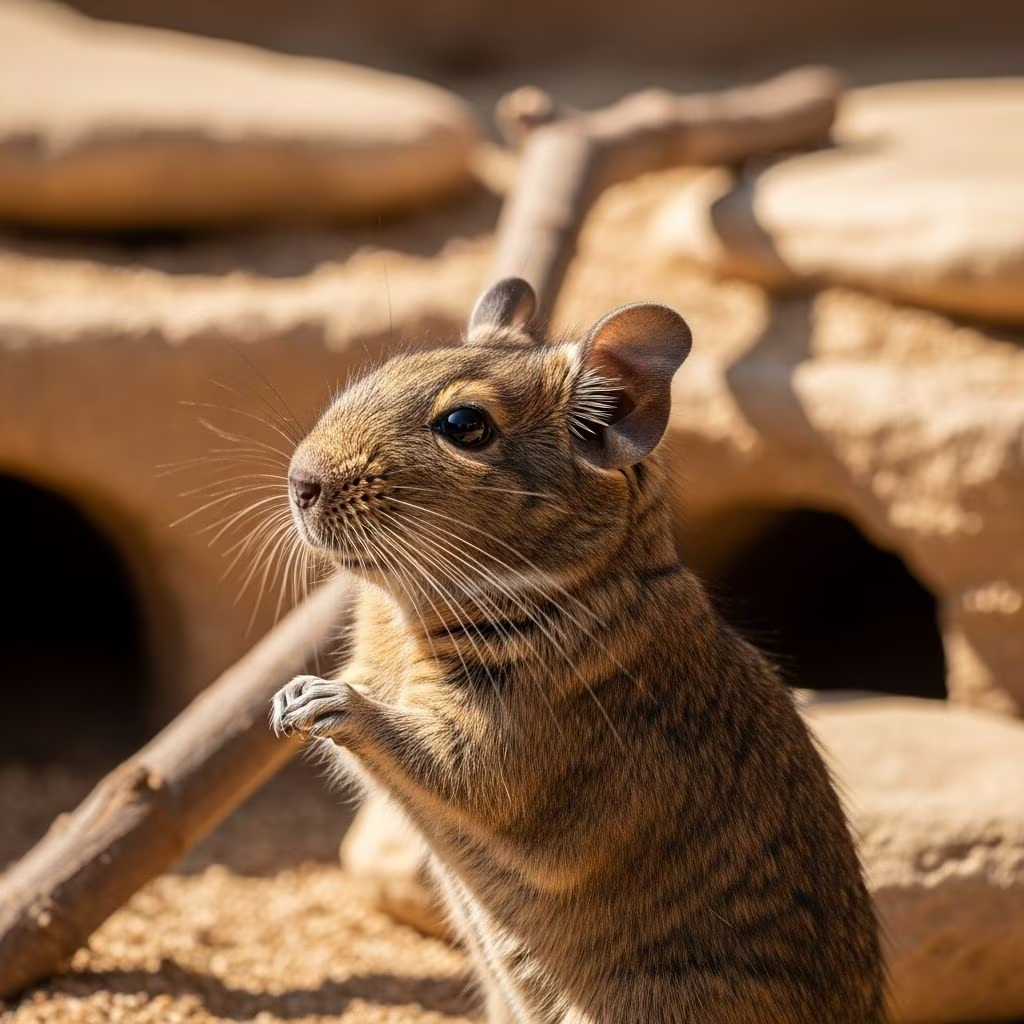
Degus are fascinating small rodents known for their energetic, curious, and social nature. Understanding their natural behaviors is essential for providing proper care and creating a enriching environment. These delightful creatures display a rich tapestry of behaviors that reflect their wild instincts and social needs. Whether you’re a new degu owner or looking to deepen your knowledge, recognizing and supporting these behaviors will help your pet thrive.
1. Chewing and Chomping
One of the most fundamental behaviors you’ll observe in degus is constant chewing. Like all rodents, degus have an innate biological need to chew regularly. Their incisor teeth continuously grow throughout their lives, and chewing helps keep these teeth from overgrowing to unhealthy lengths. This natural behavior is not just a habit—it’s a critical component of their dental health and overall well-being.
As a pet owner, providing appropriate chewing materials is both beneficial for your degu’s health and protective of your home. Without proper outlets for chewing, your degu may target inappropriate items such as furniture, bedding, or electrical cords, which can be dangerous. To support this behavior safely, offer a variety of degu-safe chewing options including wood blocks, apple branches, and specially designed chew toys. Before allowing your degu any free-roam time in a room, ensure thorough pet-proofing by protecting or relocating all wires, cords, and other items they might gnaw on.
2. Bathing in Dust
Dust bathing is one of the most charming behaviors you’ll witness in pet degus. Unlike many other rodents, degus naturally use dust or sand to clean their fur rather than water. This behavior serves multiple important functions in their lives. Dust bathing helps remove oils from their coat, maintains fur health, and provides significant social and psychological enrichment.
In the wild, degus gather in groups to dust bathe together, and they repeatedly mark their favorite wallows with urine and anal gland secretions, likely strengthening group bonds. To support this natural behavior, provide a shallow dust bath container filled with chinchilla sand or degu-specific dust bath material. Watch as your degu rolls, tosses, and kicks the dust around—this is a sign of a happy, content pet. Dust bathing sessions are excellent indicators that your degu is comfortable and enjoying life in your home.
3. Hiding Food
Degus often exhibit food-hoarding behavior, hiding and storing food in various locations around their cage. This behavior stems from their wild ancestors’ need to store food for times when resources were scarce. Even in a pet environment where food is readily available, this instinct remains strong.
You may notice your degu stuffing his cheeks with food and stashing it in corners, under bedding, or in hidden compartments of the cage. While this behavior might seem wasteful, it’s completely normal and natural. However, be mindful of perishable items that could spoil and affect cage hygiene. Regularly check for and remove hidden fresh food to maintain a clean living environment. This behavior also indicates that your degu feels secure enough to plan for the future—a positive sign in captive degus.
4. Digging and Burrowing
In their natural habitat, degus spend considerable time digging tunnels and creating extensive burrow systems. These burrows serve multiple purposes: they provide shelter from predators, offer protection from extreme temperatures, and create spaces for social interaction within groups. A pet degu will maintain this instinctive desire to dig and burrow, even in captivity.
To support this natural behavior, provide a rodent-safe bedding material deep enough for your degu to dig and tunnel through. Materials such as aspen shavings, paper-based bedding, or other safe substrates allow your degu to express this behavior safely. By offering appropriate digging opportunities, you’re not only enriching your degu’s environment but also reducing stress and promoting natural exercise patterns. You’ll notice your degu is most active during late evening and early morning hours, as they are diurnal creatures, so expect to see the most vigorous digging activity during these times.
5. Freezing in Fear
When a degu feels nervous, cautious, or genuinely afraid, it may respond in an unexpected way—by becoming completely motionless. This “freeze” response is a survival mechanism inherited from their wild ancestors. Rather than engaging in “fight or flight” behavior like many animals, degus often attempt to blend into their environment by remaining still, hoping to avoid drawing attention to themselves.
If you notice your degu frozen in place, take this as a sign that something is causing distress. Try to identify and eliminate the source of discomfort—it could be loud noises, sudden movements, unfamiliar people, or environmental changes. If your degu doesn’t respond after a brief period, gently relocate him to a familiar, comfortable environment like his cage where he feels safe. This behavior underscores the importance of creating a calm, stable habitat for your pet.
6. Peeing with Purpose
Degus mark their territory by urinating on objects and areas within their environment. This scent-marking behavior is a natural way for degus to establish ownership and communicate with other degus. In a pet situation, you might notice your degu urinating on his food bowls, bath container, toys, and other items in the cage—essentially marking everything he considers his possession.
If you have multiple degus, the dominant individual will typically engage in more marking behavior and may even urinate over spots already marked by subordinate degus to reinforce his status within the group hierarchy. While this behavior is natural and healthy, some pet owners find ways to manage it. Placing absorbent rags or paper towels in areas where your degu frequently marks can help contain this behavior to specific locations, making cage maintenance easier while still allowing your pet to express this important natural behavior.
7. Nibbling on You
If your degu begins to gently nibble on your skin or hands, don’t be alarmed—this is not aggression, and he’s certainly not trying to eat you! In fact, this gentle nibbling is your degu’s way of showing affection and bonding with you. In the wild, degus show affection toward one another through mutual grooming, which involves gentle nibbling and licking.
When your degu grooms you by nibbling, it signifies that he has accepted you as part of his family and feels comfortable enough to engage in intimate social behaviors with you. This is a significant milestone in your relationship with your pet. The gentle nibbling typically occurs during or after extended petting sessions, when your degu is relaxed and content. This behavior is a wonderful indicator that you’ve successfully created a bond with your degu and provided him with an environment where he feels safe and secure.
8. Tail Wagging and Flicking
Degus communicate through various tail movements, and understanding what these movements mean is important for reading your pet’s mood and intentions. Tail wagging in degus can occur for several reasons. Females may wag or flick their tails to signal to males that they are in breeding mode and receptive to mating. Additionally, degus may wag or stomp their tails on the ground as a form of posturing or showmanship, often during social interactions or displays of dominance.
It’s crucial to understand that a degu’s tail is extremely fragile and cannot be regrown. Unlike some lizard species that can regenerate lost tails, degus that lose their tails will not grow them back. Never pick up your degu by the tail, as this can cause the tail to separate from the body. Additionally, be very careful when closing the cage door, as accidental tail injuries can occur during this process. Always support your degu’s body properly when handling, using both hands to cradle him safely.
9. Tests of Dominance
Degus are inherently social animals with established hierarchies within their groups. These hierarchies are maintained through social behaviors, including tests of dominance. If you keep multiple degus, you may observe one degu mounting another in a behavior that might initially resemble mating but is actually an attempt to establish or reinforce dominance status.
This mounting behavior is a normal part of social hierarchy establishment. However, not all degus will accept this dominance challenge peacefully. If the subordinate degu disagrees with the dominance assertion, fighting can ensue, potentially resulting in injury. Pay careful attention to your degus’ interactions and monitor the intensity of these challenges. While occasional sparring is natural and expected, if serious fighting develops characterized by aggressive biting, scratching, or persistent conflict, you may need to separate the degus for their safety. In such cases, careful monitoring and possibly professional guidance can help determine if reintroduction is feasible.
10. Many Sounds and Vocalizations
Degus possess an impressive vocal repertoire, with more than a dozen distinct sounds they use to communicate with each other and with their human caregivers. Learning to interpret these sounds will greatly enhance your ability to understand your degu’s emotional state and needs.
Teeth Chattering: When your degu chatters his teeth, producing a grinding sound, this typically indicates annoyance or irritation. This is often your warning sign that your degu is becoming upset about a situation.
Rapid Squeaking: A rapid succession of squeaks usually signifies that your degu is experiencing fear or distress. These high-pitched vocalizations are attention-grabbing, ensuring that you’ll notice and can respond to your pet’s distress. If you hear this sound, check on your degu immediately to determine the source of fear.
Warbling and Chirping: Perhaps the most pleasant sound you’ll hear from your degu is the warbling or chirping vocalization. This melodious sound indicates that your degu is happy, content, and comfortable. You’ll often hear this sound when your degu sees you approaching, during dust baths, or when interacting with other degus he enjoys.
Degus learn these vocalizations from their parents as they grow, and baby degus develop this extensive vocabulary through observation and interaction with their families. Understanding these sounds creates a richer communication channel between you and your pet, allowing you to respond appropriately to his emotional and physical needs.
Frequently Asked Questions
Q: Are degus nocturnal or diurnal?
A: Degus are diurnal animals, meaning they are most active during the day, particularly during late evening and early morning hours. This makes them ideal pets for people who are awake during daytime hours.
Q: Can degus be housed alone?
A: Degus are highly social animals that thrive in groups. While they can be housed individually if necessary, they are happier and healthier when kept with compatible companions. If housing multiple degus, monitor their interactions carefully and provide adequate space for each individual.
Q: What should I do if my degus are fighting?
A: Distinguish between play fighting, which involves turn-taking nips and rarely results in injury, and serious fighting, characterized by growling, aggressive biting, and scratching. If serious fighting occurs, separate the degus immediately to prevent injury and consult with an exotic pet veterinarian about future housing arrangements.
Q: How often should I provide dust baths?
A: Degus should have access to dust baths several times per week. Providing regular dust bathing opportunities supports their coat health, provides enrichment, and allows them to express natural behaviors. Some owners provide dust baths 2-3 times weekly, while others offer them more frequently.
Q: What does it mean if my degu is making warbling sounds?
A: Warbling or chirping sounds indicate that your degu is happy and content. This is the most positive vocalization you’ll hear from your pet and often occurs during friendly interactions or when your degu is enjoying activities like dust bathing.
Q: How can I prevent my degu from chewing on inappropriate items?
A: Provide plenty of appropriate chewing materials such as wood blocks, untreated wood, and commercial degu chew toys. Thoroughly pet-proof any areas where your degu has access by protecting electrical cords and removing potentially dangerous items. This redirects the natural chewing behavior to safe outlets.
Q: Is it normal for my degu to hide food?
A: Yes, food hoarding is completely normal behavior. However, regularly check for hidden perishable foods that could spoil and affect cage hygiene. This behavior indicates your degu feels secure enough to plan ahead, which is a positive sign.
References
- 10 Common Degu Behaviors — Chewy. Accessed November 2025. https://www.chewy.com/education/small-pet/degu/10-common-degu-behaviors
- Degu profile: care, behavior, and health guide — MonVet. Accessed November 2025. https://monvet.com/en/degu-profile-care-health/
- Everything You Need to Know About Caring for a Degu — PetMD. Accessed November 2025. https://www.petmd.com/exotic/care/everything-you-need-know-about-caring-degu
- Octodon degus (degu) — Animal Diversity Web. Accessed November 2025. https://animaldiversity.org/accounts/Octodon_degus/
- Understanding Your Degu’s Behaviour: A Complete Guide — Pets4Homes. Accessed November 2025. https://www.pets4homes.co.uk/pet-advice/understanding-your-degus-behaviour.html
- Degu Behaviour FAQ — Degutopia. Accessed November 2025. http://www.degutopia.co.uk/degubhvrfaq.htm



