

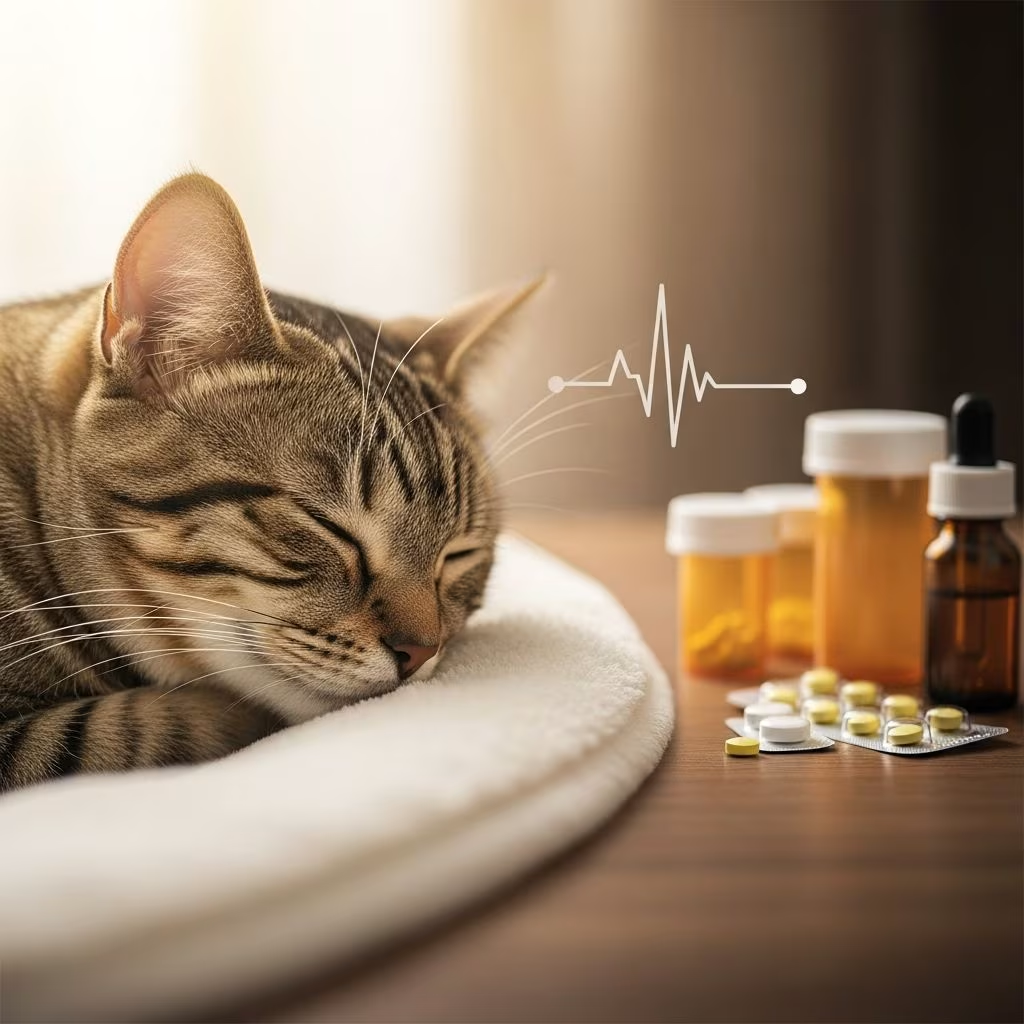
10 Cat Anxiety Medications: A Complete Guide to Managing Feline Stress
Cat anxiety is a common behavioral issue that affects many feline companions. When stress and fear become overwhelming, anxiety medications can provide significant relief and help your cat return to a normal, happy life. Understanding the different types of anxiety medications available, how they work, and their potential side effects is essential for any cat owner dealing with an anxious pet.
How Cat Anxiety Medications Work
Cat anxiety medications fall into two primary categories: long-term maintenance medications and short-term relief medications. Long-term medications are designed to address chronic anxiety by modulating brain chemistry over an extended period, while short-term medications provide quick relief during stressful situations. The choice between these options depends on your cat’s specific condition, anxiety triggers, and overall health status.
Long-Term Anxiety Medications for Cats
Long-term anxiety medications are maintenance treatments that typically require four to six weeks to reach full effectiveness. These medications must be administered daily and work by gradually adjusting your cat’s brain chemistry to reduce anxiety responses. If the medication proves effective, your cat should remain on it for a minimum of two to three months. Once your cat’s behavior stabilizes and anxiety symptoms diminish, your veterinarian may gradually reduce the dosage through a weaning process to prevent withdrawal effects.
Short-Term Anxiety Medications for Cats
Short-term anxiety medications work quickly, typically taking effect within 30 to 90 minutes, and their effects last several hours. These medications are ideal for situational anxiety, such as anxiety experienced during car rides, veterinary visits, or thunderstorms. Unlike long-term medications, short-term anxiety medications generally do not require a weaning-off period if they are not used consistently, making them a flexible option for occasional anxiety triggers.
Top 10 Cat Anxiety Medications
1. Fluoxetine (SSRI)
Fluoxetine is a selective serotonin reuptake inhibitor (SSRI) that increases serotonin levels in the brain to improve mood and reduce anxiety. This medication is commonly prescribed for generalized anxiety, compulsive behavior, urine spraying, inappropriate urination, fearful behavior, and overgrooming. Fluoxetine takes four to six weeks to achieve full effect and must be given once daily.
Potential side effects include:
- Vomiting
- Diarrhea
- Constipation
- Agitation
- Sedation
- Lethargy
- Decreased appetite
- Urine holding
Most side effects improve after the first two weeks. If your cat’s appetite is significantly affected, discontinue the medication and consult your veterinarian about alternative options.
2. Paroxetine (SSRI)
Paroxetine is another SSRI that increases serotonin in the brain. It is particularly useful for cats that experience agitation or decreased appetite on fluoxetine, as it is less sedating and may be better tolerated. Paroxetine is effective for generalized anxiety, aggression toward people or other cats, compulsive behavior, urine spraying, inappropriate urination, fearful behavior, and overgrooming.
This medication requires four to six weeks to take full effect and must be given once daily. It should never be abruptly discontinued. Use paroxetine with caution in cats with heart disease.
Potential side effects include:
- Sedation
- Lethargy
- Constipation
- Vomiting
- Diarrhea
- Difficulty urinating
3. Sertraline (SSRI)
Sertraline is another SSRI option that modulates serotonin levels in the brain to manage anxiety and behavioral issues. It is particularly noted for having fewer side effects compared to other SSRIs and is effective for mild to moderate anxiety, urine spraying, and fear-based behaviors. Like other SSRIs, sertraline requires four to six weeks to reach full effectiveness and must be administered daily.
4. Clomipramine (Tricyclic Antidepressant)
Clomipramine is a tricyclic antidepressant (TCA) that modulates both serotonin and norepinephrine receptors in the brain to reduce anxiety and aggressive behavior. This medication is prescribed for severe generalized anxiety, aggression directed toward people or other animals, compulsive behavior, urine spraying, inappropriate urination, panic disorder, fearful behavior, and separation anxiety.
Clomipramine takes four to six weeks to achieve full effect and requires once-daily administration. Use this medication with caution in cats with heart disease or those prone to seizures.
5. Buspirone (Azapirone)
Buspiron is an azapirone that is particularly useful for mild anxiety and fear-based behaviors. This medication has a favorable side effect profile and typically takes four to six weeks to reach full effectiveness. Interestingly, some cats become noticeably more affectionate and confident while on buspiron.
Potential side effects include:
- Mild sedation
- Gastrointestinal upset
6. Alprazolam (Benzodiazepine)
Alprazolam is a benzodiazepine that promotes gamma-aminobutyric acid (GABA) activity in the brain. GABA inhibits excitatory nerve signals, creating a calming effect. This short-acting medication takes effect within 30 minutes and can be administered every eight to 12 hours as needed for anxiety, phobias, panic disorder, fear, and urine spraying.
Tolerance and dependency may develop if this medication is given daily. If your cat has been on alprazolam for a prolonged period, it should never be abruptly stopped. Use alprazolam cautiously in cats with aggressive behavior, as it may reduce inhibition and potentially increase aggressive behaviors.
Potential side effects include:
- Lethargy
- Sedation
- Loss of motor coordination
- Increased appetite
- Excitement
- Aggressive behavior
7. Lorazepam (Benzodiazepine)
Lorazepam is another benzodiazepine that helps reduce anxiety in cats by acting on the central nervous system to produce a calming effect. Like alprazolam, it is useful for short-term anxiety management and should be used with careful monitoring to prevent dependency with long-term daily use.
8. Trazodone (Antidepressant)
Trazodone is an antidepressant that increases serotonin levels in the central nervous system. This short-acting medication takes effect in 60 to 90 minutes and lasts approximately eight to 12 hours, making it ideal for situational anxiety and aggression.
Potential side effects include:
- Lethargy
- Sedation
- Vomiting
- Diarrhea
- Agitation
- Drooling
9. Gabapentin (Anticonvulsant)
Gabapentin is classified as an anticonvulsant and is particularly effective for anxiety related to pain and aggression related to pain. It works by reducing the exaggerated pain response felt in cats suffering from long-term pain caused by arthritis, nerve pain, or cancer. Gabapentin acts on calcium ion channels in the brain to reduce excitability and is commonly used during veterinary visits, travel, and other anxiety-inducing situations.
10. Pregabalin (GABA Analogue)
Pregabalin is a GABA analogue that has shown effectiveness in alleviating anxiety and fear in cats, particularly when associated with veterinary visits and other medical situations. This medication provides a gentler approach to anxiety management with a favorable side effect profile.
Benefits of Cat Anxiety Medications
Anxiety medications offer several important advantages for cats suffering from anxiety disorders:
- Fast-acting relief that provides quick stress management
- Effective against different stress triggers and anxiety types
- Efficient and reliable results when properly prescribed
- Can be combined with behavior modification techniques and environmental management strategies
- Improved quality of life and reduced behavioral problems
- Support during the critical initial phases of anxiety treatment
Risks and Considerations of Cat Anxiety Medications
While anxiety medications can be highly beneficial, cat owners should be aware of potential risks and limitations:
- Long-term medications cannot typically be used indefinitely without veterinary oversight
- All anxiety medications require a veterinary prescription and professional guidance
- Potential drug interactions with other medications your cat may be taking
- Possible side effects that may require medication adjustment or discontinuation
- Regular veterinary examinations are necessary to monitor effectiveness and adjust dosages
- Some medications require a careful weaning process when discontinuing
When to Use Cat Anxiety Medications
Anti-anxiety medications for cats serve specific purposes in your feline’s treatment plan. They are typically used during the initial phases of anxiety treatment—while other management strategies are being implemented and taking effect. Medications are also prescribed to cats with severe anxiety disorders that cannot be adequately managed through behavior modification or environmental changes alone.
Your veterinarian may recommend long-term maintenance medications for chronic anxiety conditions, while short-term medications are ideal for predictable anxiety triggers. Some cats benefit from staying on anti-anxiety medications for six to 12 months or longer. These cats should receive yearly examinations to monitor their progress and adjust treatment as needed.
Medication Comparison Chart
| Medication | Type | Onset Time | Duration | Best For |
|---|---|---|---|---|
| Fluoxetine | SSRI | 4-6 weeks | Long-term | Generalized anxiety, compulsive behaviors |
| Paroxetine | SSRI | 4-6 weeks | Long-term | Aggression, spraying, less sedating |
| Sertraline | SSRI | 4-6 weeks | Long-term | Mild to moderate anxiety |
| Clomipramine | TCA | 4-6 weeks | Long-term | Severe anxiety, separation anxiety |
| Buspirone | Azapirone | 4-6 weeks | Long-term | Mild anxiety, fear-based behavior |
| Alprazolam | Benzodiazepine | 30 minutes | 8-12 hours | Situational anxiety, panic |
| Lorazepam | Benzodiazepine | 30-60 minutes | Variable | Short-term anxiety relief |
| Trazodone | Antidepressant | 60-90 minutes | 8-12 hours | Situational anxiety, aggression |
| Gabapentin | Anticonvulsant | Varies | Variable | Pain-related anxiety |
| Pregabalin | GABA Analogue | Varies | Variable | Vet-related anxiety |
Frequently Asked Questions About Cat Anxiety Medications
Q: How long does it take for anxiety medication to work in cats?
A: Long-term maintenance medications typically require four to six weeks to reach full effectiveness, while short-term medications take effect within 30 to 90 minutes. The timeline depends on the specific medication prescribed.
Q: Can I give my cat anxiety medication without a veterinary prescription?
A: No, all cat anxiety medications require a veterinary prescription. Your veterinarian will determine the appropriate medication and dosage based on your cat’s specific condition and health status.
Q: What should I do if my cat experiences side effects from anxiety medication?
A: Contact your veterinarian immediately if your cat experiences severe side effects. Many side effects improve after the first two weeks, but some may require medication adjustment or switching to an alternative medication.
Q: Can anxiety medications be combined with behavior modification?
A: Yes, anxiety medications work best when combined with behavior modification techniques, environmental enrichment, and other management strategies to provide comprehensive anxiety treatment.
Q: How often does my cat need veterinary examinations while on anxiety medication?
A: Cats on long-term anxiety medications should have yearly examinations. Cats on short-term medications may require less frequent monitoring, but always follow your veterinarian’s recommendations.
Q: Is it safe to abruptly stop anxiety medication?
A: No, abruptly stopping anxiety medication, especially benzodiazepines and some SSRIs, can cause withdrawal effects and anxiety rebound. Always consult your veterinarian before discontinuing any medication.
Q: Can my cat become dependent on anxiety medication?
A: Benzodiazepines may cause tolerance and dependency with daily long-term use. SSRIs and other long-term medications have lower dependency risk but should still be used under veterinary supervision.
References
- 10 Cat Anxiety Medications — PetMD. 2025. https://www.petmd.com/cat/behavior/10-cat-anxiety-medications
- Anxiety Disorders in Cats — PetMD. 2025. https://www.petmd.com/cat/conditions/behavioral/anxiety-disorders-cats
- Cat Sedatives: When & How To Use Them — Dutch. 2025. https://www.dutch.com/blogs/cats/cat-sedative
- Inappropriate Elimination Disorders in Cats — VCA Animal Hospitals. https://vcahospitals.com/know-your-pet/inappropriate-elimination-disorders-in-cats
- A Pet Owners Guide to Cat Anxiety — Total Vet. 2025. https://total.vet/cat-anxiety/
- 10 Cat Anxiety Medications in 2025: A Vet’s Guide — Ask a Vet. 2025. https://askavet.com/blogs/news/https-www-petmd-com-cat-behavior-10-cat-anxiety-medications



