10 Big Cat Breeds: Giant Feline Companions
Discover the largest domestic cat breeds and learn their care requirements.
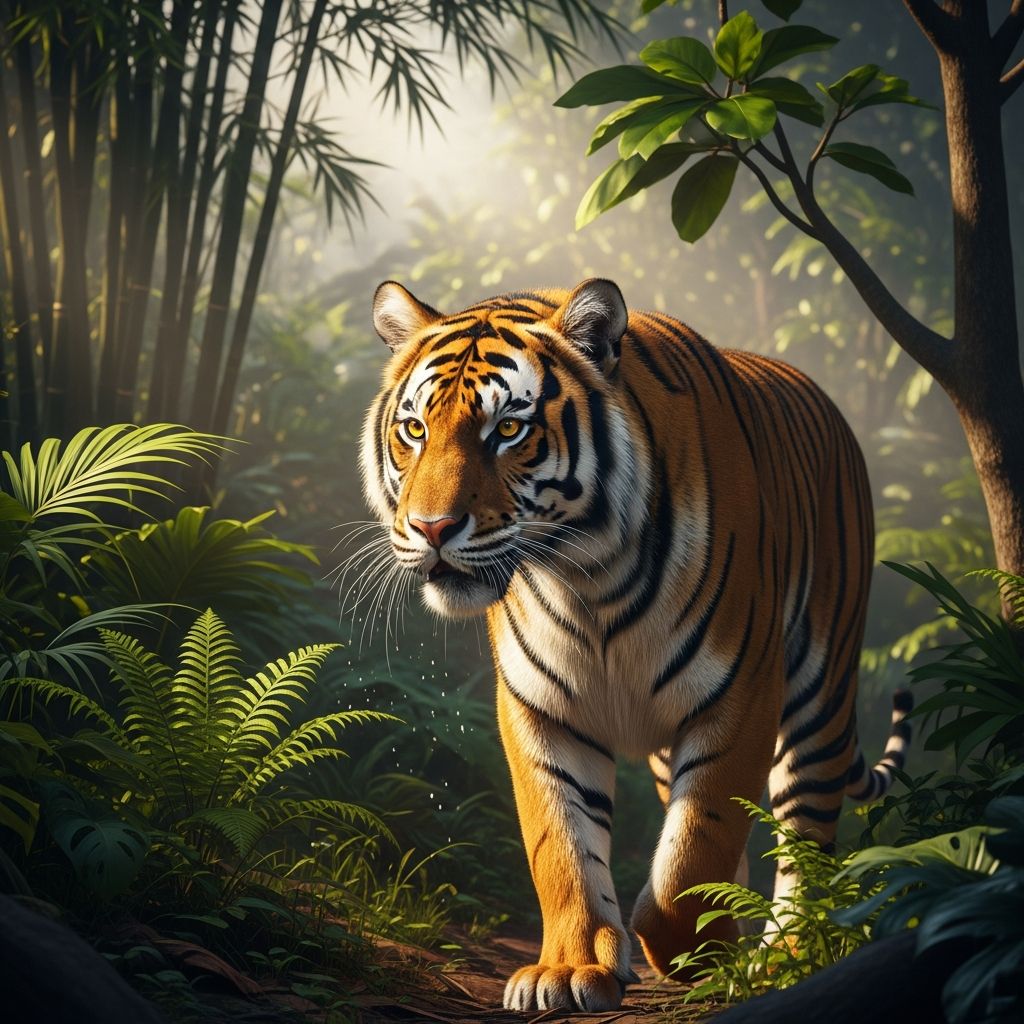
10 Big Cat Breeds: A Guide to Giant Feline Companions
If you’re considering welcoming a supersized feline into your home, you’re in for a special treat. Some big cat breeds weigh up to 25 pounds—more than double the size of the average house cat. While their larger size means there’s more to love, these majestic creatures require special care and consideration. From extra-sturdy cat trees to carefully measured food portions, keeping these gentle giants healthy requires thoughtful planning and attention to their unique needs.
Large cat breeds bring distinctive personalities and characteristics that set them apart from their smaller cousins. Understanding what each breed requires will help you determine if a big cat is the right choice for your lifestyle and home environment.
Important Considerations for Large Cat Owners
Before bringing a large cat breed into your home, it’s essential to understand the special care they require. Big cats need appropriately sized furniture and supplies to maintain their comfort and health. Obesity is a significant concern for many large breeds due to their tendency toward a more sedentary lifestyle, so portion control and regular exercise are crucial components of their care.
Joint health becomes increasingly important as these cats age. Many large breeds are susceptible to hip dysplasia and arthritis, making preventative care through proper nutrition, exercise, and regular veterinary checkups essential for maintaining their quality of life.
1. Maine Coon: America’s Gentle Giant
Weight: 8–18 pounds
The Maine Coon is one of the biggest domestic cat breeds and among the friendliest you’ll encounter. Known for their loyal and laid-back personality, these felines make excellent family pets. Their distinctive bushy tails, tufted ears, and majestic coats give them a commanding presence, yet their gentle nature endears them to families and individuals alike.
Due to their size, Maine Coons require spacious litter boxes and heavy-duty scratching posts designed to support their substantial weight. These longhaired cats need daily brushing to keep their coats tangle-free and healthy. The Maine Coon is also prone to hip dysplasia, making regular veterinary checkups essential to monitor their joint health. Consider discussing joint supplements with your veterinarian to be proactive about maintaining your Maine Coon’s long-term wellness.
2. Norwegian Forest Cat: The Nordic Beauty
Weight: 12–16 pounds
Don’t let all that fluff fool you—the Norwegian Forest Cat, also called the Wegie, is as large as they look. These natural climbers with striking coats and ancient lineage need supportive cat trees and perches to keep them active and engaged. Their majestic appearance carries the mystique of Nordic legends and Viking heritage.
While Wegies are generally healthy, their size makes them susceptible to hip dysplasia and arthritis. Maintaining a healthy weight is absolutely essential for this big, fluffy cat breed. Provide climbing opportunities that encourage movement and activity throughout the day, and monitor their caloric intake carefully to prevent weight-related health issues.
3. Siberian: Russia’s National Cat
Weight: 12–15 pounds
The Siberian, Russia’s national cat, features a luxurious triple coat and striking eyes that capture attention immediately. This big cat breed is slow to mature, sometimes taking up to five years to reach their full size. Originating from Russia’s dense forests, these cats bring a piece of wilderness into the home with their friendly and adventurous spirits.
While Siberians might rather cuddle than chase toys, this sedentary preference puts them at risk of obesity. Encourage daily playtime—these kitties can even be leash trained!—and monitor their weight regularly. Maintaining an active lifestyle will help prevent weight gain and associated joint problems as they age.
4. Bengal: The Exotic Athlete
Weight: 8–15 pounds
The Bengal has the exotic looks and athletic prowess of a leopard, captivating cat enthusiasts with their remarkably wild appearance and lively personality. While they love to nap as much as any cat, they’re extremely active and require ample vertical space for jumping and climbing. Their leopard-like spots and muscular build reflect their wild ancestry.
The Bengal likes to hunt for food, so puzzle feeders and treat-dispensing toys can help satisfy their predatory instincts and keep them mentally stimulated. These intelligent cats thrive on interactive play and environmental enrichment that challenges their problem-solving abilities.
5. Savannah: The African-Inspired Climber
Weight: 12–25 pounds
The Savannah would look just as at home in the Serengeti as in your living room. A mix of an African Serval and a house cat, these kitties have a sweet temperament and lots of energy. Their striking appearance blends domestic cat grace with the wild aesthetics of their African heritage, creating a truly unique companion.
Their impressive jumping ability—up to 8 feet—means they need durable cat trees and secure shelves for safe climbing. These cats are naturally active and athletic, requiring substantial vertical space and climbing opportunities. Their dynamic personality and need for enrichment make them ideal for active households that can provide ample engagement and interaction.
6. Ragdoll: The Gentle Giant Lap Cat
Weight: 10–20 pounds
As sweet as they are large, the Ragdoll makes an excellent companion. Renowned for their docile nature and tendency to relax completely when held, these gentle giants combine impressive size with loving hearts. Their striking blue eyes and silky fur add to their appeal as ultimate lap cats.
Ragdolls typically don’t reach their full size or weight until age 4, and their relaxed nature can easily lead to weight gain during their formative years. Portion control and regular playtime will help prevent obesity and arthritis. Entice these laid-back felines to exercise with games of fetch and clicker training, making activity enjoyable rather than a chore.
7. RagaMuffin: The Big-Boned Sweetheart
Weight: 10–20 pounds
Like the Ragdoll, the RagaMuffin doesn’t reach their full-grown size until 4 years old. However, since this fluffy cat breed is naturally big-boned, you’ll need bigger cat supplies to match their substantial frame. These cats are celebrated for their incredibly affectionate nature and plush coats, embodying the term “gentle giant.”
Think jumbo cat trees, litter boxes, and carriers when preparing your home for a RagaMuffin. These cats can develop arthritis as they age, making joint health through proper nutrition and exercise essential for their long-term wellbeing. Their soft personalities and large, expressive eyes form deep bonds with their families.
8. American Bobtail: The Wilderness Companion
Weight: 7–16 pounds
Named for their short or “bobbed” tail, the American Bobtail is an affectionate and active cat with a distinctive wild look. This intelligent breed excels at puzzle feeders and can even learn to walk on a leash, displaying dog-like loyalty to their families. They make excellent companions for a wide range of families and adapt well to various living situations.
The Bobtail has a genetic mutation—the same one that causes the shortened tail—that makes these cats susceptible to spine and hip issues. Feed an AAFCO-compliant diet to help these kitties maintain an ideal weight and support skeletal health. Their playful nature and bond with family members make them wonderful additions to homes seeking a strong personality with moderate care needs.
9. Turkish Van: The Water-Loving Giant
Weight: 10–20 pounds
One of the biggest house cat breeds, Turkish Vans stand out for their size and surprising love of water. Whether playing in pet water fountains or investigating the bathtub, these active cats need plenty of enrichment and engagement. Their unique affinity for water distinguishes them from most other cat breeds and makes them fascinating companions.
Tall cat trees, shelves, and scratching posts help channel their energy and provide necessary climbing opportunities. Regular exercise prevents weight gain and supports healthy joints throughout their lives. These cats are naturally athletic and curious, thriving in environments that offer exploration and mental stimulation.
Care Requirements for Large Cat Breeds
Nutrition and Weight Management
Proper nutrition is fundamental to keeping large cat breeds healthy. Obesity poses significant risks for these cats, including joint problems, diabetes, and heart disease. Work with your veterinarian to establish appropriate portion sizes based on your cat’s age, activity level, and individual metabolism.
Environmental Setup
Large cats need appropriately sized furniture and equipment. Standard cat trees may be inadequate for their weight and size, so invest in sturdy, reinforced versions. Similarly, litter boxes should be spacious enough for comfortable use, and scratching posts must support their substantial frames.
Exercise and Enrichment
Despite their size, many large cat breeds have a tendency toward sedentary lifestyles. Regular play sessions, interactive toys, and climbing opportunities help maintain healthy weight and mental stimulation. Consider puzzle feeders and treat-dispensing toys to engage their natural hunting instincts.
Veterinary Care
Regular veterinary checkups are essential for monitoring joint health and detecting potential issues early. Discuss hip dysplasia screening, appropriate supplements, and preventative care measures with your veterinarian to ensure your large cat enjoys a long, healthy life.
Comparison of Large Cat Breeds
| Breed | Weight Range | Temperament | Special Needs |
|---|---|---|---|
| Maine Coon | 8–18 lbs | Loyal, Laid-back | Daily brushing, Joint care |
| Norwegian Forest Cat | 12–16 lbs | Natural climber, Active | Supportive perches, Weight control |
| Siberian | 12–15 lbs | Cuddly, Slow to mature | Exercise, Obesity prevention |
| Bengal | 8–15 lbs | Athletic, Playful | Vertical space, Mental stimulation |
| Savannah | 12–25 lbs | Energetic, Sweet | Durable cat trees, Secure shelves |
| Ragdoll | 10–20 lbs | Sweet, Relaxed | Portion control, Regular playtime |
| RagaMuffin | 10–20 lbs | Affectionate, Gentle | Jumbo supplies, Joint health support |
| American Bobtail | 7–16 lbs | Affectionate, Intelligent | AAFCO diet, Spine care |
| Turkish Van | 10–20 lbs | Active, Water-loving | Tall structures, Regular exercise |
Frequently Asked Questions
Q: How much space do large cat breeds need?
A: Large cat breeds benefit from spacious environments with vertical climbing opportunities. Provide sturdy cat trees, wall-mounted shelves, and multiple levels for movement and exploration. Adequate space helps prevent weight gain and supports their active nature.
Q: Are large cat breeds good with children?
A: Many large cat breeds, including Maine Coons, Ragdolls, and American Bobtails, are excellent with children due to their patient and affectionate temperaments. However, supervision is important due to their size and strength. Always teach children to handle cats gently and respect their boundaries.
Q: What health issues are common in big cat breeds?
A: Hip dysplasia and arthritis are common in larger cat breeds. Obesity also poses significant health risks. Regular veterinary checkups, appropriate diet, and exercise help prevent and manage these conditions. Some breeds have specific genetic concerns, such as spine and hip issues in American Bobtails.
Q: How often should I groom a large cat breed?
A: Grooming frequency depends on the breed’s coat type. Longhaired breeds like Maine Coons and Norwegian Forest Cats need daily brushing to prevent mats and tangles. Regular grooming also helps monitor skin health and reduces shedding throughout your home.
Q: Do large cat breeds require more food than smaller cats?
A: While large cats may require more calories due to their size, overfeeding is a common problem. Work with your veterinarian to determine appropriate portions based on your cat’s individual needs, age, activity level, and metabolism. Obesity prevention is crucial for their long-term health.
Q: Can large cat breeds be trained to walk on a leash?
A: Yes, many intelligent large breeds like Bengals, American Bobtails, and Siberians can be trained to walk on a leash. This provides excellent exercise and environmental enrichment. Start training early with positive reinforcement and a properly fitted harness.
Q: How long do large cat breeds typically live?
A: Large cat breeds typically have lifespans similar to average domestic cats, ranging from 12 to 18 years or more with proper care. Maintaining healthy weight, providing regular exercise, attending veterinary checkups, and offering appropriate nutrition contribute to longevity.
Q: What type of litter box should I get for a large cat?
A: Large cats need spacious litter boxes designed to accommodate their size. Standard boxes may be too small, causing discomfort and litter box avoidance. Look for jumbo or extra-large litter boxes that provide adequate room for comfortable use.
References
- 10 Big Cat Breeds — PetMD. Retrieved November 2025. https://www.petmd.com/cat/general-health/big-cat-breeds
- Maine Coon Cat Breed Health and Care — PetMD. Retrieved November 2025. https://www.petmd.com/cat/breeds/maine-coon
- Top 10 Large Cat Breeds Every Pet Parent Should Know — PetSafe. April 17, 2024. https://www.petsafe.com/blog/large-cat-breeds/
- The Danger of Hairballs — Cornell University College of Veterinary Medicine. Retrieved November 2025. https://www.vet.cornell.edu/departments-centers-and-institutes/cornell-feline-health-center/health-information/feline-health-topics/danger-hairballs
- What Are the Longest Living Cat Breeds? — Zoetis Petcare. Retrieved November 2025. https://www.zoetispetcare.com/blog/article/longest-living-cat-breeds
Similar Articles







Read full bio of Sneha Tete