

by Dr. Shea Cox, DVM, CVPP, CHPV | expert review by Dr. Sagen Woolery, DVM
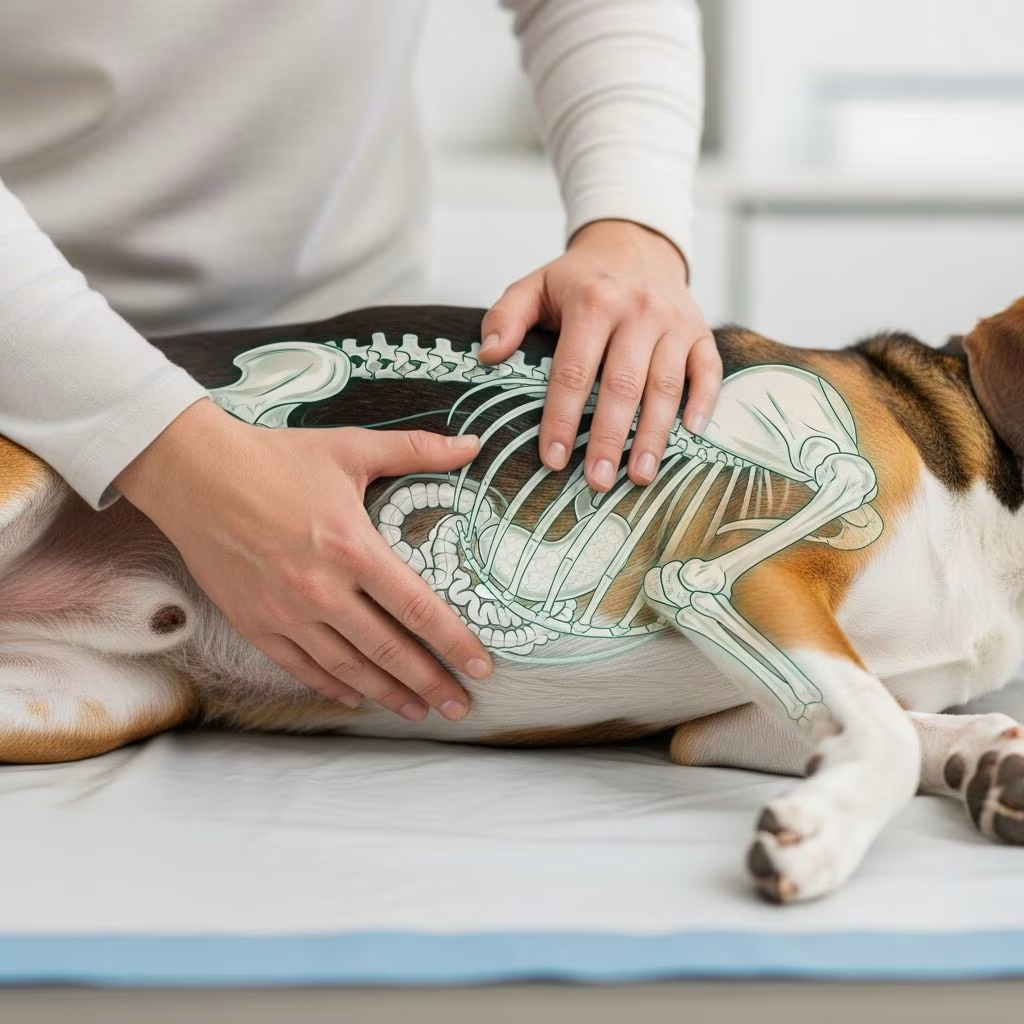
In this final installment of our comprehensive DIY physical exam series for dogs, pet parents will gain the confidence and skills needed to perform thorough at-home health checks focusing on the stomach and musculoskeletal system. Regular examinations like these empower owners to detect subtle changes early, potentially saving their dog’s life through timely veterinary intervention. This guide builds on previous parts covering vitals, head, and thorax, providing a complete owner’s manual for proactive canine health monitoring.
Performing these checks routinely—ideally monthly or whenever you notice behavioral shifts—helps establish a baseline of ‘normal’ for your individual dog. Factors like age, breed, size, and lifestyle influence what feels typical, so personalize your observations. Always consult a veterinarian for any abnormalities; this is not a substitute for professional care.
Why Examine Your Dog’s Stomach and Skeleton at Home?
The stomach (abdomen) and musculoskeletal system are critical for your dog’s overall well-being. The abdomen houses vital organs including the liver, spleen, kidneys, intestines, and bladder. Issues here, such as bloat (gastric dilatation-volvulus), tumors, or infections, can escalate rapidly. The skeleton and muscles support mobility, balance, and comfort; problems like arthritis, fractures, or ligament tears diminish quality of life if undetected.
Early detection via hands-on exams allows for prompt treatment. For instance, feeling a painful or distended belly could indicate life-threatening conditions requiring immediate emergency care. Similarly, observing limps or stiffness in joints signals degenerative issues common in older dogs or large breeds. By integrating these checks into your routine, you become your dog’s first line of defense against illness.
According to veterinary guidelines from the American Animal Hospital Association (AAHA), regular home monitoring complements annual wellness exams, enhancing preventive care. Studies in peer-reviewed journals emphasize owner vigilance in identifying abdominal pain or gait changes, which often precede severe disease.
Preparing for the Stomach and Skeleton Exam
Choose a quiet, comfortable space where your dog feels relaxed, such as their favorite spot on the floor or couch. Have treats handy for positive reinforcement. Ensure good lighting and wash your hands. Perform the exam when your dog hasn’t eaten recently (wait 2-4 hours post-meal) to avoid confusing food-related fullness with pathology. For wiggly dogs, enlist a helper or use calming techniques.
- Tools needed: None required, but a flashlight aids visibility, and a notebook tracks baselines (e.g., ‘belly feels soft, even’).
- Timing: 10-15 minutes; do it weekly initially to build familiarity.
- Safety first: Stop if your dog shows aggression, extreme pain (yelping, biting), or distress—seek vet care immediately.
Examining the Stomach: Step-by-Step Guide
The abdominal exam is straightforward yet revealing: use gentle palpation (pressing with fingers) to assess texture, size, and tenderness. Start behind the ribcage and work caudally (toward the rear). Normal findings include a soft, round belly without masses, pain, or rigidity. Puppies may have rounder bellies due to worms or growth; seniors might show muscle loss.
Step 1: Visual Inspection
Stand back and observe your dog’s belly in a relaxed posture. Look for:
- Symmetry: No bulging on one side (could indicate organ enlargement).
- Skin integrity: No wounds, swelling, or bruising.
- Distention: Bloated appearance suggests gas, fluid, or bloat—emergency!
- Visible masses or hernias: Protrusions near umbilicus or groin.
Note breathing patterns; labored breaths with abdominal heaving warrant urgent attention.
Step 2: Hands-On Palpation
Gently place flat hands on the belly, starting just behind the last rib on both sides. Use light pressure (like kneading dough), moving in a systematic grid: cranial (front), middle, caudal (rear), left, right.
| Area | Normal Feel | Abnormal Signs (Vet Visit!) |
|---|---|---|
| Cranial Abdomen (Liver/Spleen) | Soft, smooth | Hard lumps, pain on touch, enlargement |
| Mid-Abdomen (Intestines/Kidneys) | Slight tubular feel from bowels | Masses, gas pockets, tenderness |
| Caudal Abdomen (Bladder/Colon) | Soft, empty if not urinating | Full/hard bladder, diarrhea signs, distention |
If recently fed, a mild fullness left of midline (stomach location) is normal. Proceed slowly, watching for discomfort cues: tensing, lip licking, growling, or avoidance.
Step 3: Check for Pain or Fluid
Ballotment test: Gently bounce the abdomen side-to-side. Fluid waves indicate ascites (effusion). Percussion (tapping) can detect gas vs. solid masses, but pros do this best. Avoid deep pokes—superficial sweeps suffice for owners.
Common Stomach Issues to Spot
- Bloat/GDV: Acute distention, retching, restlessness—emergency.
- Masses: Cancer, abscesses feel firm/irregular.
- Pain: Guarding posture, vocalization.
- Hernias: Soft bulges at belly button or inguinal area.
Examining the Musculoskeletal System: Comprehensive Check
The musculoskeletal exam evaluates bones, joints, muscles, and gait for functionality. Dogs should move fluidly without favoring limbs. Issues like hip dysplasia (common in Labs, Shepherds) or cruciate tears affect 20% of large breeds.
Step 1: Observe Gait and Posture
Have your dog walk, trot, sit, stand, and lie down on a non-slip surface. Video for review.
- Normal gait: Even strides, head steady, tail up.
- Red flags: Limping, bunny-hopping, dragging toes, wide stance (pain).
Check standing posture: Level back, equal leg height, no swayback or lordosis.
Step 2: Palpate Spine, Limbs, and Joints
Run hands along the spine from neck to tail—feel for:
- Alignment: No steps, kyphosis, or scoliosis.
- Pain: Arched back, yelping.
- Muscle tone: Firm, symmetric; atrophy signals disuse.
For limbs:
| Limb/Joint | Normal | Abnormal |
|---|---|---|
| Shoulders/Elbows | Smooth range, no crepitus (grinding) | Swelling, heat, lameness |
| Hips/Stifles (Knees) | Firm, no drawer sign (forward slip) | Instability, pain on flexion |
| Paws/Toes | Straight alignment, no cracks | Nail overgrowth, foreign bodies |
Test range of motion: Flex/extend each joint gently. Compare sides.
Step 3: Muscle and Skin Overlay
Feel for muscle wasting (temporal, thigh), symmetry. Pinch skin for hydration (turgor test from Part 3). Check for hotspots, ticks, or wounds.
Common Musculoskeletal Problems
- Osteoarthritis: Stiffness after rest, worse in cold.
- Fractures: Acute limp, swelling.
- Ligament injuries: Popping sensation, instability.
- Breed-specific: Patellar luxation in small dogs.
Tips for Success and When to Call the Vet
Practice on healthy days. Track changes in a journal. Involve family for consistency. Positive reinforcement builds tolerance.
Urgent signs:
- Severe pain, collapse, pale gums.
- Persistent vomiting/diarrhea with exam findings.
- Lameness >24 hours or non-weight bearing.
Annual vet exams validate your baselines. Radiographs or ultrasounds confirm suspicions.
Frequently Asked Questions (FAQs)
Q: How often should I do a full DIY dog physical exam?
A: Weekly for seniors/puppies, monthly for adults. Daily gait checks during high-risk periods (post-surgery).
Q: My dog tenses during belly rubs—what does it mean?
A: Possible pain, GI upset, or learned aversion. Monitor; vet if persistent.
Q: Can I feel organs during palpation?
A: Yes, kidneys (bean-shaped rear), bladder (soft front). Enlargement needs checking.
Q: What’s normal for an overweight dog’s belly?
A: Firm fat layer, but still soft/painless. Weight loss improves exam accuracy.
Q: How to exam a fearful dog?
A: Short sessions, high-value treats, muzzle if needed. Progress slowly.
This series equips you to monitor your dog’s health holistically. Stay vigilant—your observations bridge home care and professional medicine.
References
- AAHA Canine Life Stage Guidelines — American Animal Hospital Association. 2024-01-15. https://www.aaha.org/resources/2022-aaha-canine-life-stage-guidelines/
- Early Detection of Canine Abdominal Pathology — Journal of Veterinary Internal Medicine (PubMed). 2023-05-20. https://doi.org/10.1111/jvim.16789
- Physical Examination of the Canine Abdomen — Merck Veterinary Manual. 2025-03-10. https://www.merckvetmanual.com/dog-owners/routine-care-and-breeding-of-dogs/physical-examination-of-dogs
- Prevalence of Hip Dysplasia in Dogs — Orthopedic Foundation for Animals. 2024-07-01. https://ofa.org/diseases/hip-dysplasia/
- WSAVA Global Nutrition Guidelines for Dogs — World Small Animal Veterinary Association. 2023-11-12. https://wsava.org/global-guidelines/global-nutrition-guidelines/



