

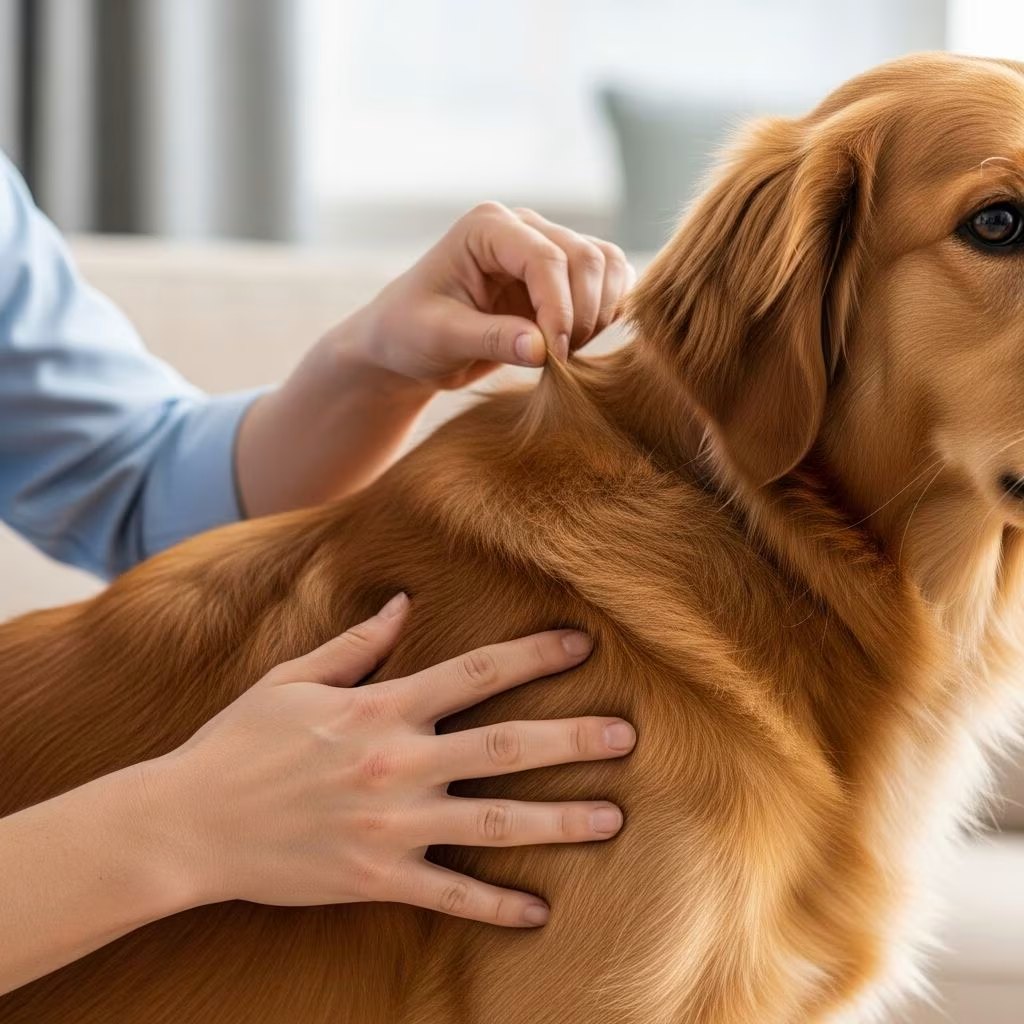
Performing regular at-home physical exams on your dog empowers you to monitor their health proactively. This guide, Part 3 of our DIY series by veterinarian Dr. Shea Cox, focuses on examining your dog’s thorax—the chest area including the neck, chest cavity, breathing patterns, and skin hydration. Mastering these checks helps you establish your dog’s baseline “normal” and spot subtle changes early, potentially saving their life.
The thorax exam builds on Parts 1 (vitals like temperature and heart rate) and 2 (head: eyes, ears, nose, mouth). Here, you’ll learn to palpate the neck, assess the chest, measure respiratory rate, and perform a skin turgor test. Practice these monthly when your dog is healthy to build familiarity. Always consult your vet for abnormalities— this is not a substitute for professional care.
Why Perform a DIY Thorax Exam on Your Dog?
Dogs hide illness well, making early detection challenging. Owners who know their pet’s normal posture, breathing, and feel can notice deviations sooner. The thorax houses vital organs like the heart, lungs, and major blood vessels, so irregularities here signal serious issues like infections, heart disease, or dehydration.
- Early detection: Subtle changes like rapid breathing or dry skin often precede visible symptoms.
- Confidence building: Regular exams make vet visits more productive as you report specifics.
- Cost savings: Spotting problems early prevents expensive emergencies.
- Bonding: Hands-on checks provide quality time and soothe anxious pets.
According to the American Veterinary Medical Association (AVMA), routine home monitoring complements annual vet exams, improving outcomes[11]. Start in a quiet room with treats to keep your dog relaxed.
Step 1: Examine Your Dog’s Neck
The neck connects the head to the thorax, containing the trachea (windpipe), esophagus, thyroid gland, and lymph nodes. Gently palpate to check for swelling, pain, or masses.
- Visual inspection: Stand your dog and observe the neck for asymmetry, lumps, or wounds. Note if they resist turning their head.
- Palpation: Use flat fingers to feel from jaw to shoulders. The trachea should feel like a firm, movable tube midline—not rigid or painful.
- Lymph nodes: Feel under the jaw (submandibular) and in front of shoulders (prescapular). They should be pea-sized or smaller, soft, and symmetrical.
- Thyroid: In medium/large breeds, feel for a small, smooth gland midline; enlargement may indicate hypothyroidism.
Red flags: Pain on touch, heat, discharge, enlarged nodes (>1cm), or difficulty swallowing warrant immediate vet attention. Neck issues can stem from infections, trauma, or cancer[12].
Step 2: Assess Your Dog’s Chest (Thorax Proper)
The chest protects lungs, heart, and ribs. Palpate systematically to detect abnormalities.
- Visual check: Watch for barrel chest (deep), flat chest (shallow), or asymmetry. Observe rib movement during breaths.
- Palpation from top: Run hands over the spine from neck to mid-back, feeling for pain or kyphosis (hunch).
- Ribs and sternum: Feel each rib space; they should spring evenly without crepitus (crunching). The sternum (breastbone) is straight and firm.
- Deep palpation: Press gently between ribs toward lungs/heart. Normal lungs feel spongy; heart has a steady beat (covered in Part 1).
| Normal Findings | Abnormal Signs | Possible Causes |
|---|---|---|
| Symmetrical shape, even rib spring | Protruding ribs, sunken chest | Malnutrition, congenital defects |
| No pain on pressure | Tenderness, guarding | Rib fracture, pleuritis |
| Spongy lung feel | Hard, crackly | Pneumonia, fluid |
Practice on a calm dog; if they tense, stop and retry later. Chest abnormalities may indicate respiratory disease or trauma.
Step 3: Measure Your Dog’s Respiratory Rate
Respiratory rate (breaths per minute, BPM) is a vital sign. Normal resting rate: 10-30 BPM (puppies up to 40)[13]. Elevated rates signal pain, fever, or lung issues.
How to Measure
- Setup: Let your dog rest quietly for 5+ minutes (post-walk rates are high).
- Observe chest/abdomen: Watch rise/fall—one breath is inhale + exhale. Count for 30 seconds, multiply by 2.
- Video method: Record sleeping breaths for accuracy; count later.
- Normal ranges: Small dogs/puppies: 15-40; Adults: 10-30; Seniors: 10-25.
Troubleshooting: Use a timer app. If >40 BPM at rest or labored (wheezing, open-mouth), seek emergency care—could be heatstroke, heart failure, or anemia[13]. Track weekly to detect trends.
Step 4: Perform a Skin Turgor Test for Hydration
Skin turgor assesses hydration by elasticity. Dehydration (>5% body water loss) is common in vomiting/diarrhea cases[14].
Step-by-Step Skin Turgor Test
- Choose site: Scruff of neck or flank (loose skin).
- Pinch and lift: Gently tent 1-2 inches of skin for 2 seconds.
- Release and time: Normal skin snaps back instantly (<1 sec). Mild dehydration: 1-2 sec; Moderate: 2-4 sec; Severe: >4 sec, stays tented.
- Check gums: Press on gums; capillary refill should be <2 sec (pink, moist).
- Normal: Immediate snap-back, moist gums.
- Dehydrated: Slow return, tacky/dry gums, sunken eyes—vet ASAP for fluids[14].
Factors like age/skin laxity affect results; compare to your dog’s baseline. Combine with other signs like lethargy.
Common Thorax Exam Findings and What They Mean
Here’s a quick reference:
- Labored breathing: Abdominal push, head stretch—pneumonia or pleural effusion.
- Coughing: With thorax palpation—kennel cough or heartworm.
- Swollen neck: Abscess or lymph node cancer.
- Dry, flaky skin: Allergies, hypothyroidism, or poor diet.
- Chest masses: Lipomas (benign) vs. tumors—vet biopsy needed.
Document findings with photos/notes for your vet.
Tips for Successful DIY Exams
- Train with treats; start young.
- Do monthly; post-exercise doesn’t count for vitals.
- Use a checklist app.
- Know breed norms (brachycephalics like Pugs have higher BPM).
- Emergency signs: Blue gums, collapse, >60 BPM—go to ER.
Next Steps: Continue the Series
Mastered the thorax? Move to Part 4: abdomen and musculoskeletal system. Full series equips you for comprehensive screening.
Frequently Asked Questions (FAQs)
What is a normal dog respiratory rate at rest?
10-30 breaths per minute for adults; up to 40 for puppies. Count during sleep for accuracy[13].
How do I know if my dog is dehydrated from skin turgor?
Skin over scruff takes >2 seconds to snap back, plus dry gums and lethargy[14].
Should I worry about a lump in my dog’s chest?
Yes—monitor size/change; painless fatty lumps common but vet check rules out cancer.
Can I do this exam on puppies or seniors?
Yes, but gentler; normals vary. Puppies fidget more—use play.
What if my dog hates neck palpation?
Desensitize with massages/treats over weeks; force can cause aversion.
References
- DIY Physical Exam Part 1 — How to Check Your Dog’s Vitals — Kinship. 2023. https://www.kinship.com/dog-health/diy-physical-exam-owners-manual-your-dog-part-1
- DIY Pet Physical Exam: How to Check Your Dog’s Breathing & Skin — Kinship (Dr. Shea Cox, DVM). 2023. https://www.kinship.com/uk/dog-health/diy-physical-exam-owners-manual-your-dog-part-3
- DIY Physical Exam Part 4—How to Examine Your Dog’s Stomach and Skeleton — Kinship (Dr. Shea Cox, DVM). 2023. https://www.kinship.com/dog-health/diy-physical-exam-owners-manual-your-dog-part-4
- Normal Respiratory Rates for Dogs — Merck Veterinary Manual. 2024-05-15. https://www.merckvetmanual.com/dog-owners/lung-and-airway-disorders-of-dogs/normal-respiratory-rates-for-dogs
- Assessing Hydration in Small Animals — American College of Veterinary Emergency and Critical Care (ACVECC). 2023-11-01. https://www.acvecc.org/resources/hydration-assessment



