

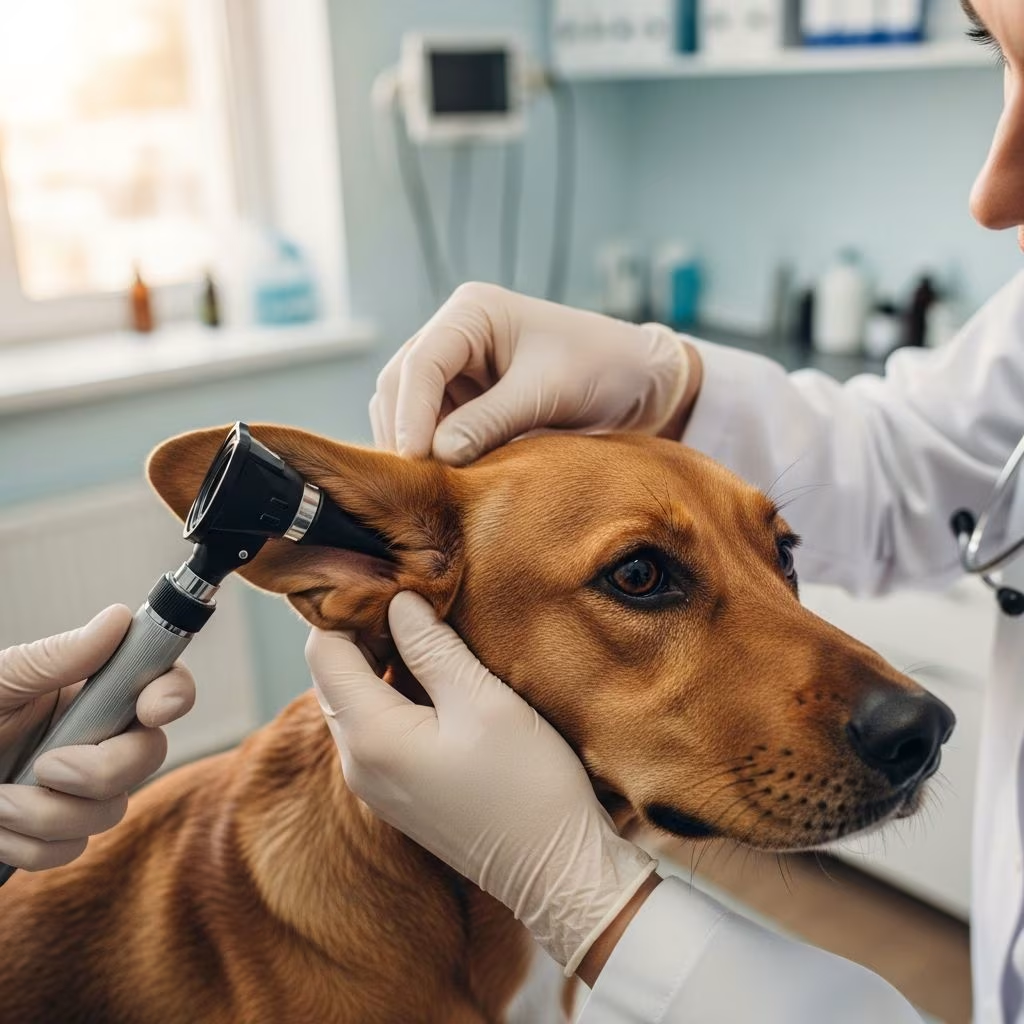
Performing regular at-home physical exams on your dog is one of the most empowering ways to stay proactive about their health. As pet parents, we know our dogs better than anyone else, yet subtle changes in their condition can be easy to miss without a systematic approach. This is the second installment in our comprehensive DIY physical exam series, written by veterinarian Dr. Shea Cox, DVM, CVPP, CHPV. Here, we’ll focus on examining your dog’s head—specifically the eyes, ears, nose, and mouth—to detect signs of infections or other issues early. Early recognition of abnormalities can make all the difference, potentially saving your dog’s life.
In Part 1, we covered the basics: observing posture, taking temperature, and checking heart rate. Now, we’ll dive into a detailed head-to-toe systems approach, starting with the head. By practicing these checks when your dog is healthy, you’ll establish a baseline for ‘normal’ and spot deviations quickly. Always consult your veterinarian if you notice anything concerning—this guide is not a substitute for professional care.
Why Perform a DIY Head Exam on Your Dog?
The head is a window to your dog’s overall health. Issues like infections in the eyes, ears, nose, or mouth can signal systemic problems, from allergies and dental disease to more serious conditions like autoimmune disorders or tumors. According to the American Veterinary Medical Association (AVMA), regular home monitoring complements veterinary visits and can lead to earlier interventions[11]. Pets often hide discomfort (a survival instinct from their wild ancestors), so hands-on exams help uncover hidden problems.
Benefits of routine head exams include:
- Early detection of infections, reducing severity and treatment costs.
- Familiarity with normals: What’s a healthy ear look like for your dog?
- Bonding time: Turns health checks into positive interactions with treats and praise.
- Confidence boost: You’ll know when to call the vet vs. monitor at home.
Perform this exam in a quiet, well-lit area with your dog relaxed—perhaps after a walk or with a favorite toy. Use treats to reward cooperation. Let’s break it down by body part.
Step 1: Examining Your Dog’s Eyes
Healthy dog eyes are clear, bright, and symmetrical. Start by observing from a distance: Do both eyes look the same size and shape? Gently hold your dog’s head steady and examine closer.
What to Check:
- Whites of the eyes (sclera): Should be white, not yellow (jaundice) or red (inflammation/conjunctivitis).
- Cornea: Clear and shiny, no cloudiness, scratches, or ulcers.
- Pupils: Equal size, respond to light by constricting.
- Discharge: Minimal clear tearing is normal; thick, yellow/green pus indicates infection.
- Third eyelid: Not visible in most breeds unless ill (pink fleshy membrane in inner corner).
Normal vs. Abnormal Table:
| Normal | Abnormal (Call Vet) |
|---|---|
| Clear cornea, white sclera | Redness, cloudiness, squinting |
| Symmetrical pupils | Unequal size, no light response |
| Minimal clear discharge | Yellow/green pus, excessive tearing |
To test light response, shine a flashlight from the side—pupils should constrict. Gently pull down the lower lid: Gums should be pink and moist, not pale or sticky. Dry eye (keratoconjunctivitis sicca) is common in breeds like Bulldogs; it causes thick mucus[12]. If you see any abnormalities, note them and contact your vet promptly.
Step 2: Checking Your Dog’s Ears
Ear infections (otitis) affect up to 20% of dogs annually, per a study in Veterinary Dermatology, often due to allergies, moisture, or yeast/bacteria[13]. Lift the ear flap (pinna) and inspect the canal with good light—use a magnifying glass or otoscope if available.
Key Checks:
- Appearance: Pink and clean inside; no redness, swelling, or black/brown wax buildup.
- Odor: Should smell neutral; yeasty, foul smells signal infection.
- Discharge: Dry flakes or minimal wax okay; moist, smelly debris is problematic.
- Thickness: Feel the canal walls—smooth, not thickened or painful.
Sniff test: Get your nose close (brave souls!). A bad smell often means bacterial or yeast overgrowth. Gently swab with cotton if needed, but don’t probe deep. Breeds with floppy ears (e.g., Spaniels, Labs) are prone—clean weekly with vet-approved solution. Head shaking, scratching, or tilting? Red flag for mites or infection.
Step 3: Inspecting the Nose
A healthy dog nose is moist, cool, and black/pigmented (though dry noses aren’t always bad—weather and breed matter). Check for symmetry and discharge.
Red Flags:
- Discharge: Clear is okay (allergies); one-sided bloody/pus is tumor or foreign body; both sides green/yellow is infection.
- Crusting/ulcers: Autoimmune issues like lupus.
- Nostril shape: Flared or labored? Respiratory distress.
Sneezing or nasal snuffling? Could be nasal mites or polyps. In brachycephalic breeds (Pugs), check for overgrowth. Wipe gently with a damp cloth and observe.
Step 4: Mouth and Teeth Examination
Dental disease affects 80% of dogs by age 3, per the AVMA[11]. Lift lips and check:
- Gums: Pink, stippled, firmly attached—no bleeding, swelling, or recession.
- Teeth: White, no fractures, tartar, or mobility.
- Breath: Fresh; halitosis signals plaque or organ disease.
- Tongue/roof: Smooth, pink; no ulcers, growths, or red spots.
- Lips/cheeks: No lumps or erosions.
Count teeth (42 total in adults). Brush weekly with enzymatic toothpaste. Signs like drooling, pawing at mouth, or eating changes warrant a dental vet visit.
When to Call the Vet
After the exam, review findings. Minor issues (mild wax) may resolve; anything painful, asymmetric, or worsening needs professional eyes. Track changes in a journal with photos. This head exam pairs with Parts 3 (thorax) and 4 (abdomen/skeleton) for full coverage.
Frequently Asked Questions (FAQs)
Q: How often should I do a full DIY dog exam?
A: Weekly for head/mouth, monthly full-body. More if senior or breed-prone.
Q: My dog’s nose is dry— is that bad?
A: Not always; check context. Persistent dryness with cracks needs vet check.
Q: What if I find ear discharge?
A: Clean gently, but see vet for cytology—don’t use home remedies blindly.
Q: Can I do this on puppies?
A: Yes, gently. Establishes baseline early.
Q: How to handle a wiggly dog?
A: Short sessions, high-value treats, two people if needed.
Mastering these skills makes you your dog’s first line of defense. Practice consistently—your vigilance pays off. Next: Thorax exam for breathing and skin.
References
- DIY Physical Exam Owners Manual Part 1-4 — Kinship (Veterinary expert review by Dr. Shea Cox et al.). 2023. https://www.kinship.com/uk/dog-health/diy-physical-exam-owners-manual-your-dog-part-2
- DIY Pet Physical Exam: Breathing & Skin — Kinship. 2023. https://www.kinship.com/dog-health/diy-physical-exam-owners-manual-your-dog-part-3
- DIY Physical Exam Part 4: Stomach & Skeleton — Kinship (Dr. Shea Cox, DVM). 2023. https://www.kinship.com/dog-health/diy-physical-exam-owners-manual-your-dog-part-4
- Periodontal Disease in Dogs — American Veterinary Medical Association (AVMA). 2024-05-15. https://www.avma.org/resources-tools/pet-owners/petcare/dental-care-dogs
- Ocular Disorders in Dogs — Merck Veterinary Manual (Merck & Co., Inc.). 2025-01-01. https://www.merckvetmanual.com/eye-diseases-and-disorders/overview-of-ocular-disorders/ocular-disorders-in-dogs
- Otitis Externa in Dogs — Veterinary Dermatology Journal (Wiley). 2023-06-20. https://doi.org/10.1111/vde.13188



