

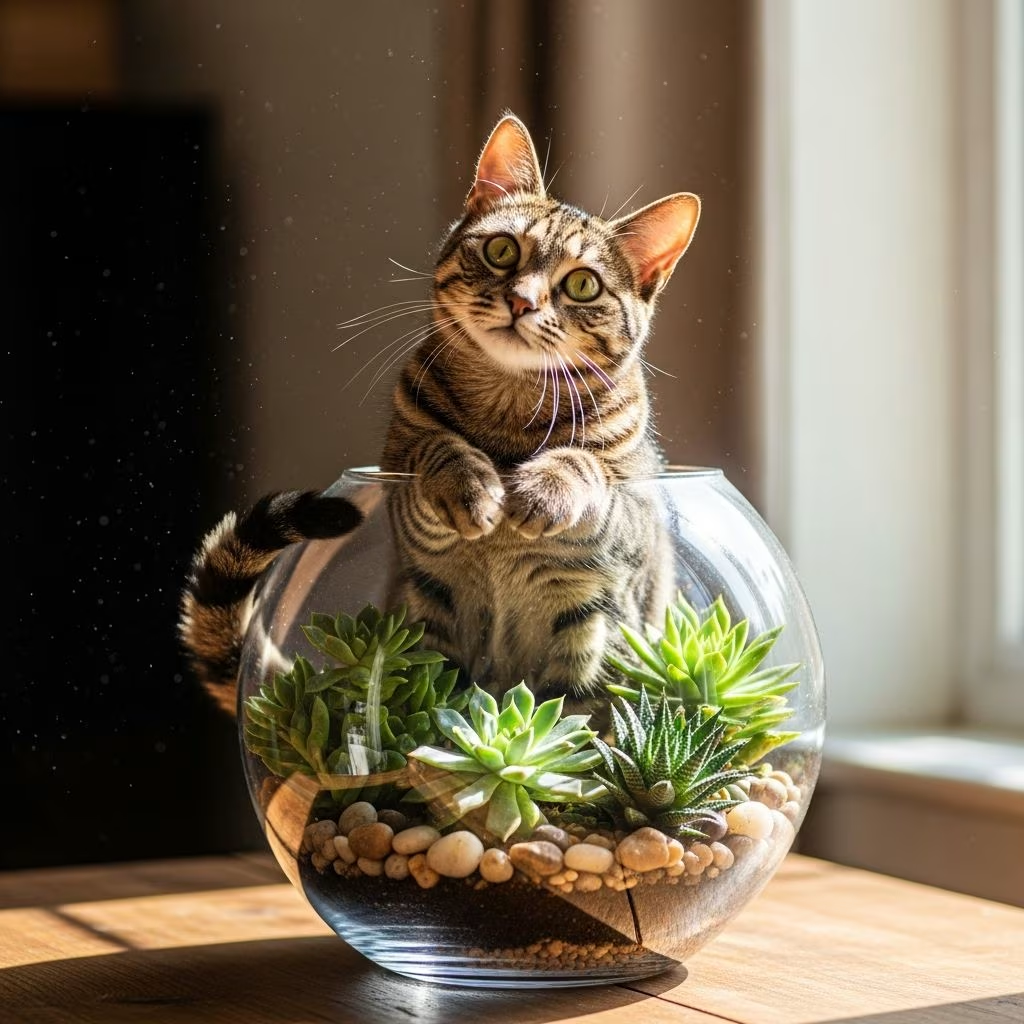
Cats have an uncanny knack for choosing the most unexpected spots to lounge, from squeezing into tiny boxes to perching on precarious shelves or burrowing into fresh laundry. This behavior, while perplexing to owners, stems from deep-rooted instincts, comfort preferences, and environmental needs. Understanding these quirks not only deepens our bond with our feline friends but also helps create a safer, more enriching home environment. In this comprehensive guide, we’ll explore the top reasons behind this adorable yet bizarre habit, drawing from veterinary insights and behavioral research.
1. Cats Seek Out High Places for Safety and Security
One of the primary reasons cats gravitate toward elevated, ‘weird’ spots like refrigerator tops, door frames, or towering cat trees is their innate need for security. In the wild, cats are both predators and prey, so climbing high provides a vantage point to survey their territory, spot potential threats, and plan ambushes. Domestic cats retain this instinct, using high perches to feel safe from household ‘predators’ like dogs, vacuums, or rambunctious children.
High spots also offer a sense of control. A cat on a shelf can observe without being observed, reducing stress in multi-pet homes or busy households. Veterinary experts note that this behavior is normal and healthy, mimicking arboreal ancestors like the African wildcat. Providing approved high perches, such as wall-mounted shelves or window seats, can redirect this urge away from dangerous areas like countertops or curtain rods.
Consider the psychology: when a cat feels vulnerable on the floor, elevation triggers a release of feel-good hormones, promoting relaxation. Owners often report calmer cats after installing cat trees, confirming this as a stress-reliever.
2. Small, Enclosed Spaces Provide Comfort and Security
Nothing captures the essence of feline weirdness like a cat cramming into a box half their size or a paper bag. This ‘if it fits, I sits’ phenomenon is driven by the need for enclosed spaces that mimic dens, offering protection on all sides. In nature, cats seek caves or thickets to shield from predators while resting.
Enclosed spots reduce sensory overload, blocking out overwhelming sights and sounds. The confined pressure provides a soothing, swaddling effect similar to how humans hug for comfort. Studies on feline behavior show cats in boxes exhibit lower stress levels, especially during moves or vet visits.
- Warmth retention: Boxes trap body heat, ideal for cats whose normal body temperature (101.5°F) exceeds humans’.
- Scent familiarity: Cardboard absorbs the cat’s pheromones, creating a personalized safe haven.
- Play potential: Ambush opportunities from hiding spots satisfy hunting instincts.
To encourage safe hiding, rotate boxes, provide tunnels, or invest in cat caves. Avoid forcing cats out—these spots are essential for mental health.
3. Warmth Is a Major Attraction for Cats
Cats are heat-seekers extraordinaire, drawn to radiators, laptops, fresh dryers, or sunbeams like magnets. Their higher basal metabolic rate makes them crave temperatures between 86-97°F, far warmer than room averages. Weird spots like electronics or vents offer toasty bliss.
This thermoregulation instinct traces to wild cats conserving energy in cool climates. Modern homes provide unnatural heat sources: a running laptop hits 100°F, perfect for a nap. However, caution is needed—vents can cause burns, and cords pose chewing risks.
Seasonal patterns emerge: winter drives cats to heaters, summer to cool tiles. Provide heated beds or mats as alternatives, mimicking these preferences safely.
4. Curiosity and Exploration Drive Feline Adventures
Cats’ boundless curiosity propels them into odd nooks—sink cabinets, shoeboxes, or dresser drawers. This exploratory behavior hones hunting skills, as pawing unknown objects simulates prey capture. Touching, batting, and squeezing test boundaries, providing mental stimulation.
In confined weird places, cats investigate scents and textures, marking territory with cheek glands. This satisfies enrichment needs, preventing boredom-induced issues like destructive scratching.
Owners can channel this by hiding treats in puzzle feeders or creating ‘catios’ for safe exploration.
5. Territory Marking in Unexpected Spots
Cats hang in weird places partly to claim territory. Rubbing faces on laundry, keyboards, or bags deposits pheromones from facial glands, signaling ‘mine’ to other cats or intruders. Your scent on these items makes them prime marking canvases.
Bunting (head-butting) extends this, blending scents for bonding. Fresh laundry or your bed becomes a communal territory spot. This reduces inter-cat conflicts in homes with multiples.
6. Stress Relief and Escape from Chaos
Busy homes overwhelm cats, prompting retreats to laundry piles or under beds. Hiding reduces anxiety, with enclosed spots offering respite from noise, kids, or dogs. Patterns vary: shy cats hide during peak activity, bold ones during naps.
Excessive hiding signals issues—illness, pain, or stress. Monitor eating and litter use; sudden changes warrant vet checks.
7. Comfort from Familiar Scents and Textures
Your dirty clothes hamper or bed provide olfactory comfort, laced with your scent. Cats knead and nestle here, associating smells with safety from kittenhood. Soft, warm fabrics enhance appeal.
8. Hunting Instincts and Play Opportunities
Weird perches or boxes enable stalking and pouncing play, echoing crepuscular hunts at dawn/dusk. Nighttime zoomies from laundry piles fulfill this.
9. Health and Age-Related Factors
Kittens explore wildly, seniors seek quiet spots for aching joints. Arthritis may favor soft laundry; hyperthyroidism boosts hiding. Regular vet visits catch these.
10. Breed and Personality Influences
Breeds like Bengals crave heights, Persians prefer cozy boxes. Personality dictates: adventurous vs. timid.
How to Cat-Proof Your Home for Weird Hangouts
- Install stable shelves and cat trees.
- Provide boxes, tunnels, heated beds.
- Secure hazards: cords, vents, toxins.
- Enrich with toys, perches.
- Monitor for excess hiding.
Frequently Asked Questions (FAQs)
Why does my cat sleep in such weird places?
Cats choose weird sleep spots for warmth, security, and vantage points, rooted in wild instincts.
Is it bad if my cat hides a lot?
Occasional hiding is normal, but excessive may indicate stress or illness—consult a vet if eating changes.
How can I stop my cat from weird places?
Redirect with alternatives like cat furniture; never punish.
Table: Common Weird Spots and Reasons
| Spot | Primary Reason | Solution |
|---|---|---|
| Boxes/Bags | Enclosure/Security | Provide caves |
| High Shelves | Safety/View | Cat trees |
| Laptop/Laundry | Warmth/Scent | Heated beds |
| Cabinets | Curiosity | Puzzle toys |
References
- Decoding Common Cat Behavior — MedVet. 2023. https://www.medvet.com/cat-behaviors/
- 10 Quirky Cat Behaviors Explained — Revelation Pets. 2023. https://www.revelationpets.com/blog/10-quirky-cat-behaviors-explained
- Normal vs. Abnormal Cat Behavior — Union Lake Veterinary Hospital. 2023. https://unionlakeveterinaryhospital.com/blog/normal-vs-abnormal-cat-behavior
- Hiding Behavior in Cats — Feline Behavior Solutions. 2023. https://felinebehaviorsolutions.com/hiding-behavior-in-cats/
- Is My Cat Normal? Odd Cat Behaviors Explained — My Countryside Vet. 2023. https://mycountrysidevet.com/is-my-cat-normal-odd-cat-behaviors-explained/



