Medha Deb is an editor with a master's degree in Applied Linguistics from the University of Hyderabad. She believes that her qualification has helped her develop a deep understanding of language and its application in various contexts. Medha specializes in the areas of beauty, health, sports, and wellness and is committed to ensuring that the content on the website is of the highest quality.Medha's passion for writing and editing began early in life when she joined a book writer's club with her mother. It was there that she discovered her love for the written word and the power it holds to inform, inspire, and transform lives. Since then, she has honed her skills as a writer and editor, working with a variety of clients and publications to produce compelling and informative content. Currently, she writes and edits for fluffyaffair.She is also an ardent animal lover and dedicates her time and resources to the foster care of neonatal kittens, providing them with the love and attention they need to thrive. Her commitment to animal welfare is a testament to her compassion and empathy, and it underscores her belief in the importance of caring for the most vulnerable members of our society.
Explore ivermectin's role in preventing heartworm and treating parasites in dogs, including dosages, side effects, toxicity risks, and safer alternatives.

Explore sulfasalazine's role in treating colitis in dogs, including causes, symptoms, dosing, side effects, and complementary therapies for optimal gut health.
Explore the primary health concerns for Munchkin cats, including mobility issues and genetic risks, with tips for care, prevention, and vet monitoring.
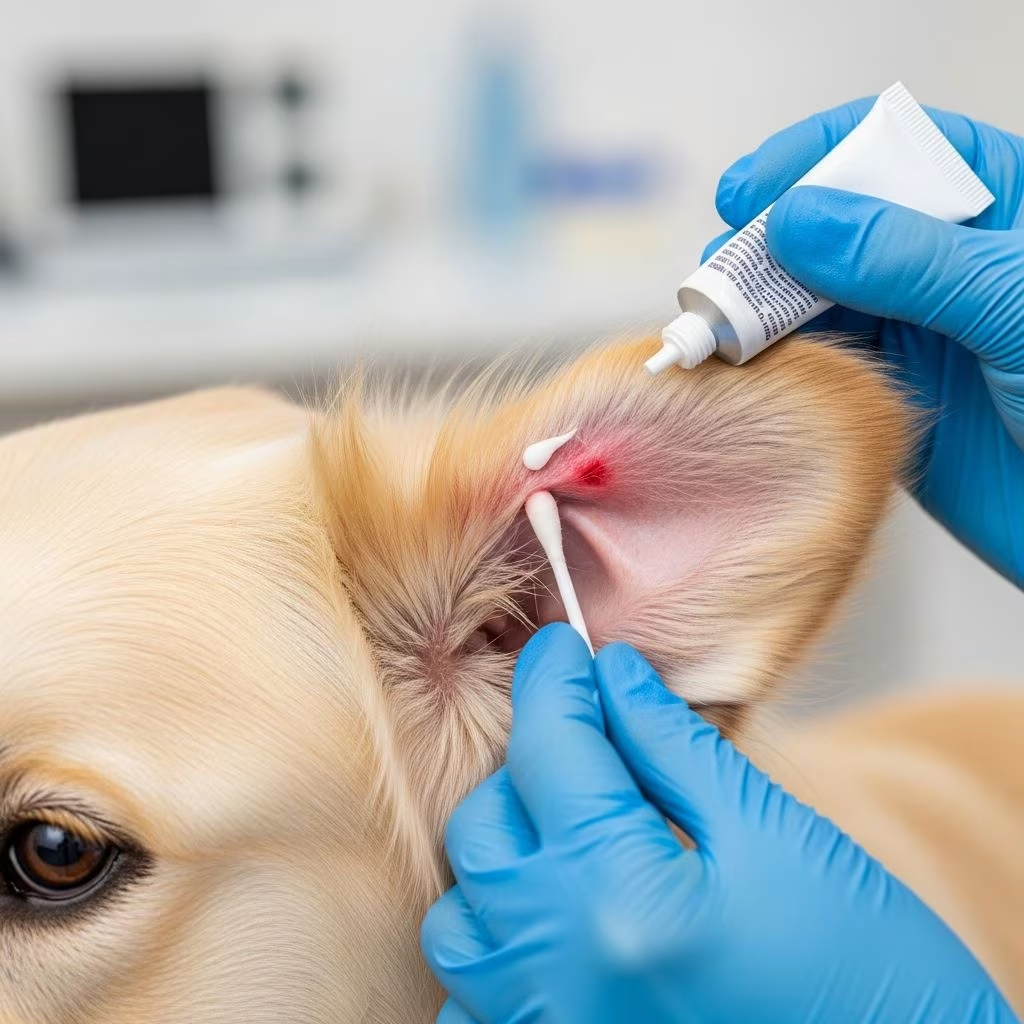
Explore the best topical antibiotics for dogs, including mupirocin and chlorhexidine, to manage skin infections while minimizing systemic antibiotic use.
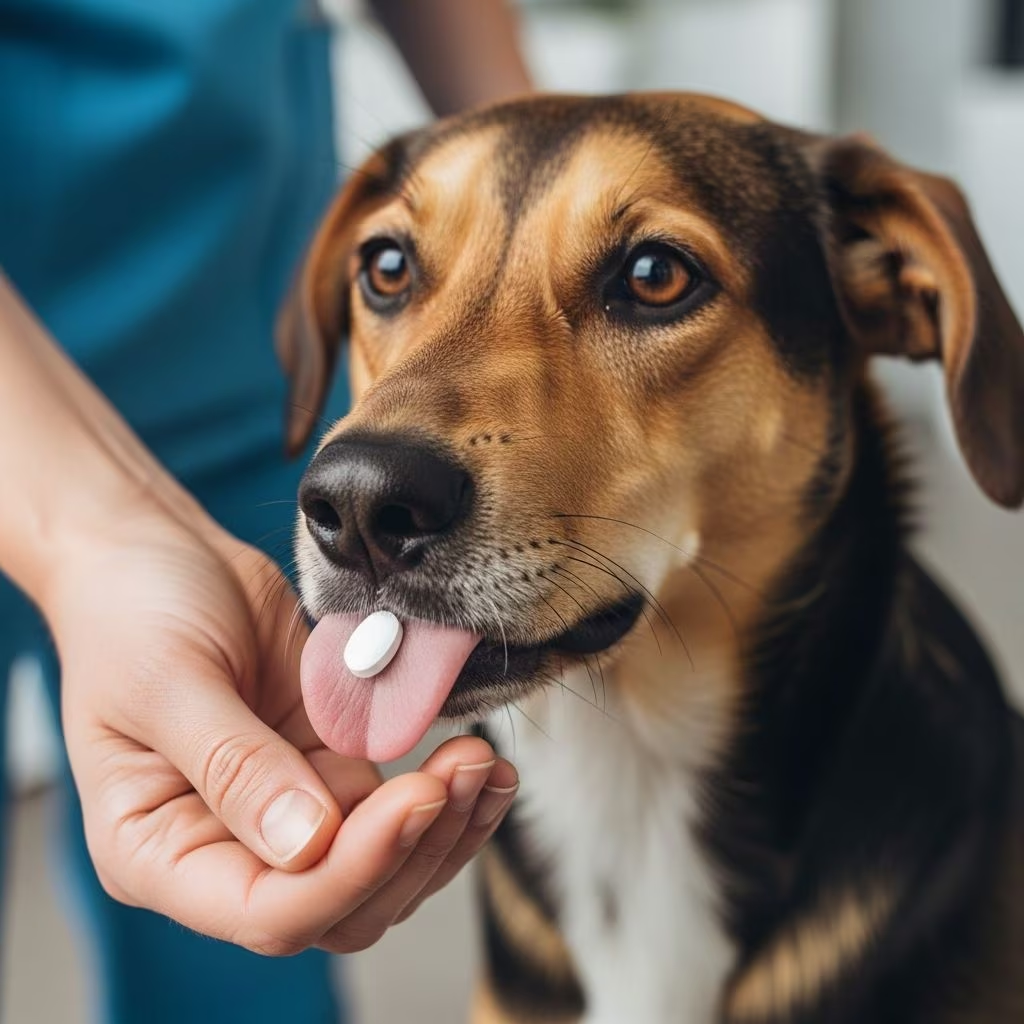
Explore terbinafine (Lamisil) for treating fungal issues in dogs, including ringworm and more. Learn administration, benefits, risks, and monitoring essentials.
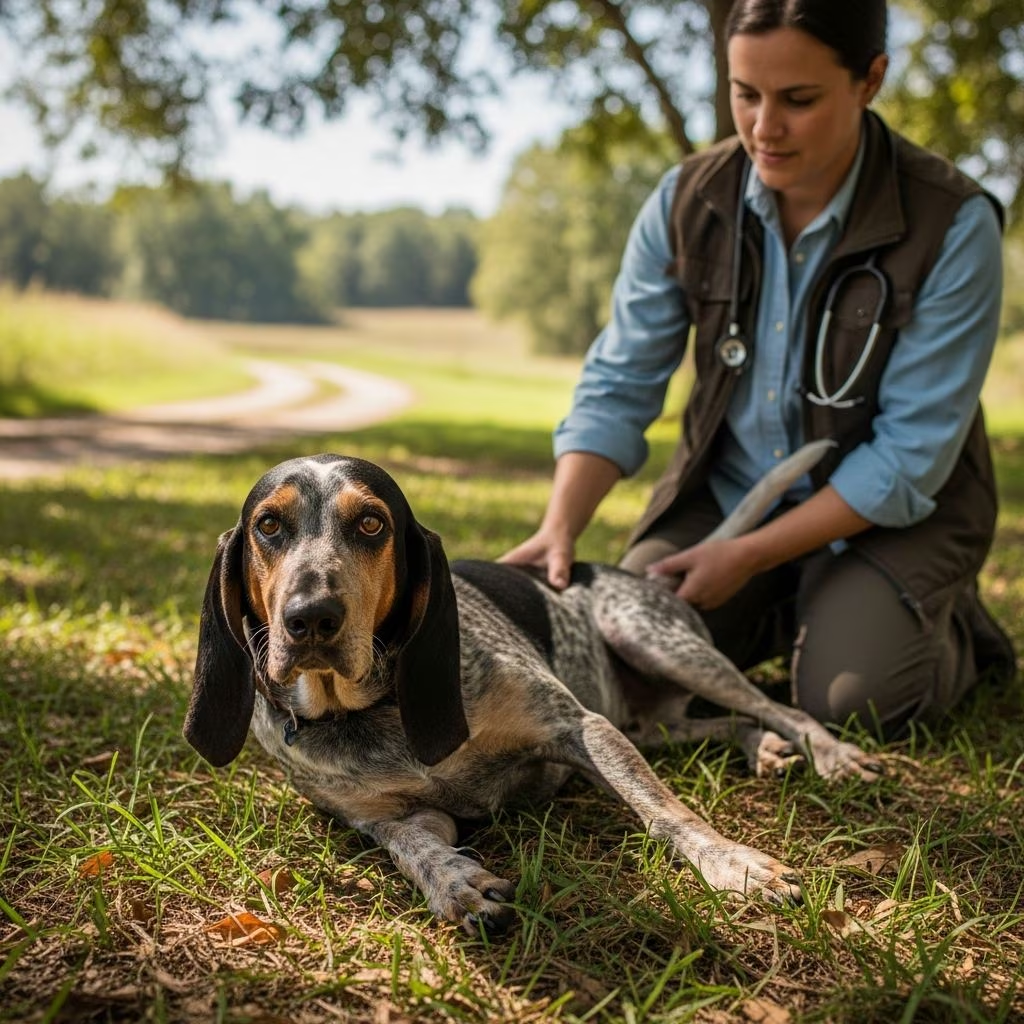
Explore coonhound paralysis (acute polyradiculoneuritis) in dogs: from raccoon exposure triggers to progressive paralysis symptoms, supportive care, and high recovery rates.